
Returnable Packaging Fleet Acceptance Checklist
Accept a returnable packaging fleet as a controlled programme: reconcile the approved design and asset list, inspect the defined physical condition and identity, run the agreed handoff evidence, separate exceptions, and name the owner who releases circulation. This is different from fleet sizing, loss investigation, ownership terms or a one-off pre-shipment inspection.
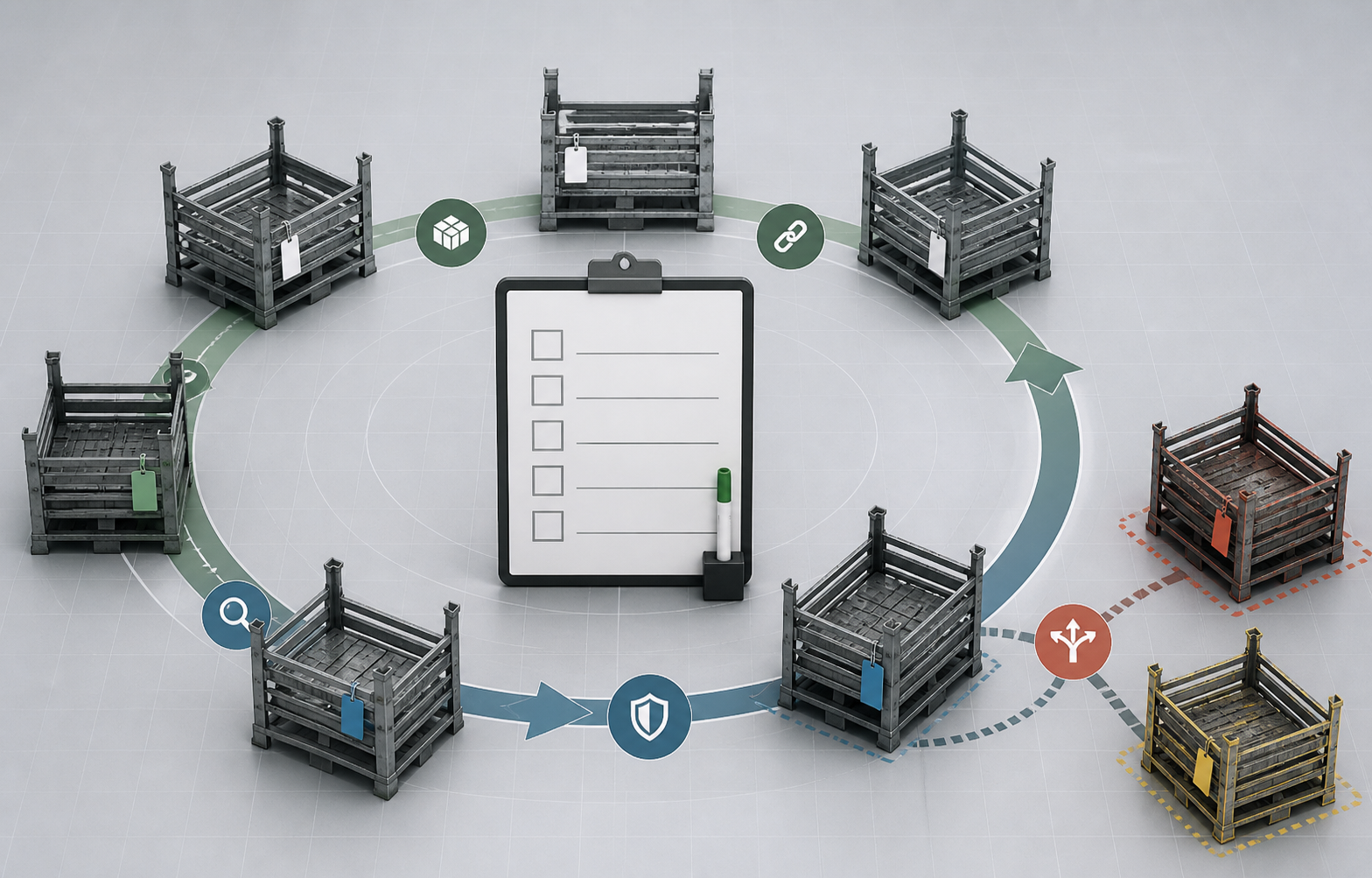
A returnable packaging fleet is ready to circulate only when the approved design, physical units, identity records, handoff evidence and exception process agree. This checklist is for logistics, quality and programme owners accepting a new or revised fleet—not for calculating how many racks to buy, assigning contract liability or diagnosing later shrinkage. It creates a controlled start point so the first cycle does not rely on an informal visual check.
Define fleet acceptance before the first routine movement
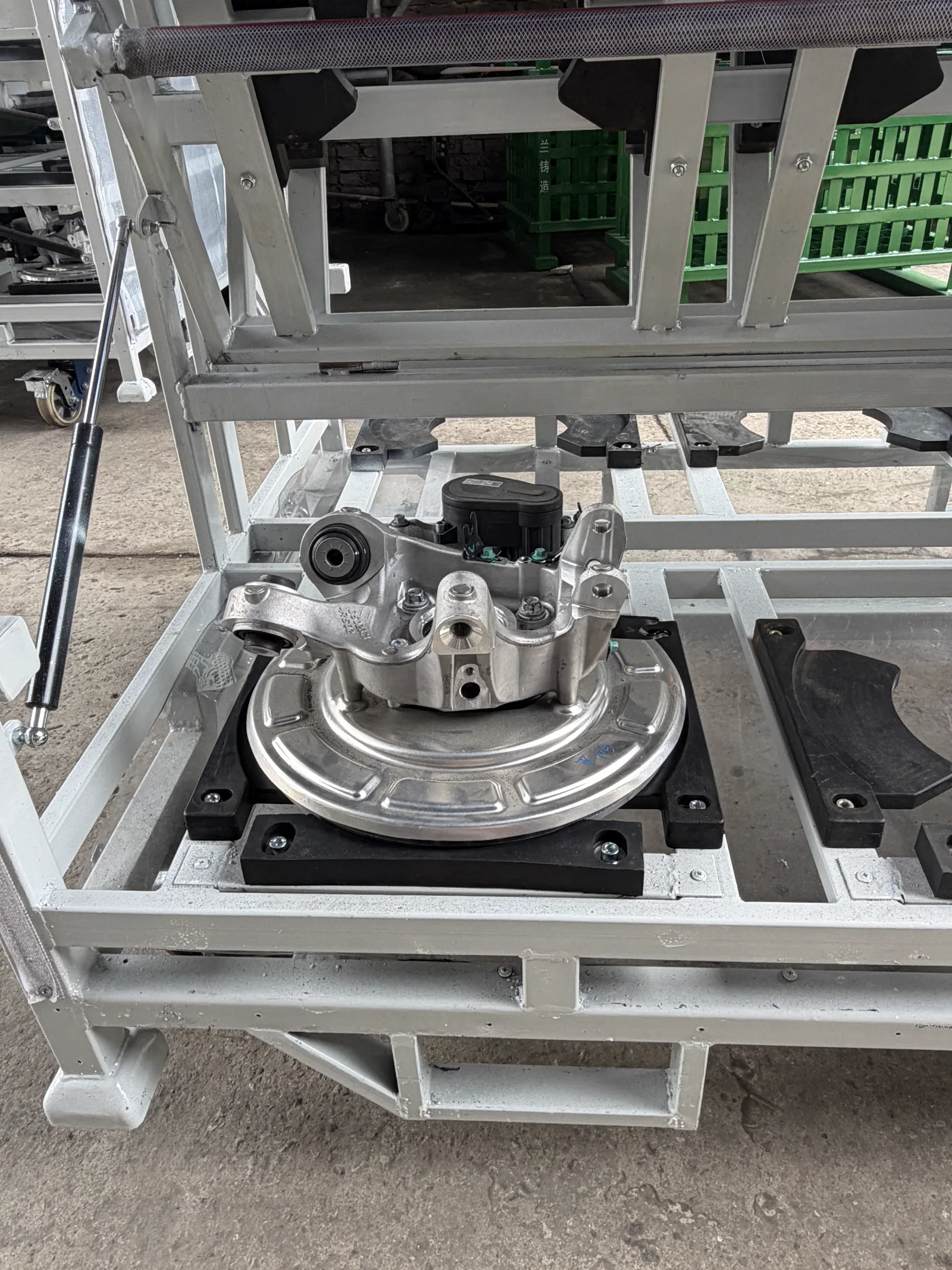
Start with the approved rack or container revision, option list, expected quantity, asset-ID rule, receiving location, acceptable condition, handling route and responsible acceptance owner. AIAG's Returnable Containers Management Guideline treats container selection, identification, allocation, tracking and maintenance as connected management decisions. It is a useful framework for the questions; it does not provide a universal acceptance threshold for every fleet.
What the first fleet acceptance record should connect
| Control area | Confirm | Do not assume |
|---|---|---|
| Design record | Approved revision, configuration and known exceptions | That a similar prior rack has the same approved interfaces |
| Fleet identity | Expected count, type/revision and agreed identification rule | That a visible label alone matches the programme record |
| Condition and handling | Defined physical condition and agreed representative handoffs | That an empty visual check proves the loaded route |
| Exception control | Hold, correction, record owner and recheck route | That a count difference or defect can be resolved verbally later |
Use five controlled acceptance steps
- Assemble the release file: gather the approved drawing revision, option list, asset convention, expected quantity, route and acceptance owner.
- Reconcile the physical fleet: compare the expected units with the received units and record the defined visible condition, loose items and configuration identity.
- Confirm the identification logic: check that the asset type, individual identifier where required and programme record can be reconciled without confusing the carrier with the parts inside it.
- Run the agreed handoff evidence: review only the representative loading, handling, receiving and empty-return states defined for the programme.
- Hold or release exceptions: segregate unresolved units or records, assign an owner and release routine circulation only under the controlled decision.
Identity and current programme context
GS1 GRAI is designed for returnable assets and can identify an asset type and, where needed, an individual asset. The Odette Packaging Management Guidelines likewise frame automotive returnable packaging around master data, pool installation and maintenance. For EU-bound programmes, the European Commission states that PPWR generally applied from 12 August 2026; confirm the actual packaging scope and legal obligations with the responsible economic operator or adviser rather than treating this operational checklist as a compliance declaration.
Keep this checklist in its own lane
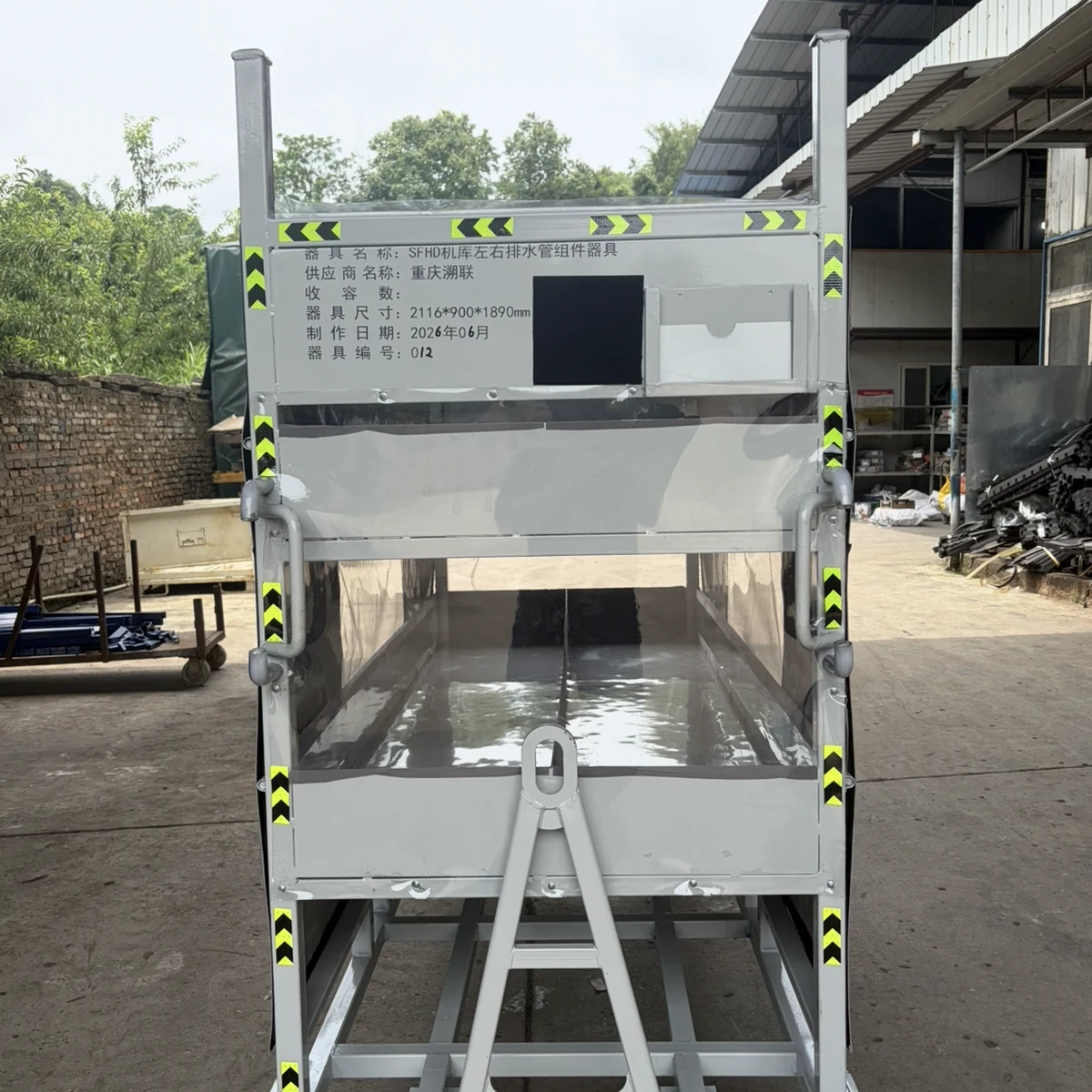
Use our pool-sizing guide before deciding fleet quantity, the loss and shrinkage guide when an operating discrepancy appears, and the ownership guide for commercial responsibility. For visible carrier context, see our returnable steel racks video; it is not fleet-acceptance evidence. The paired automotive dunnage approval brief covers the earlier part-protection release decision.
Start a custom returnable packaging review by sending the approved drawing/revision, expected fleet quantity, route and handoff states, asset-identification rule, condition criteria, exception workflow and named acceptance owner.