Rack Components & Dunnage
Specify custom EVA, polyurethane, nylon, rubber and textile contact parts plus caster and tow interfaces around the actual component, rack and handling route.
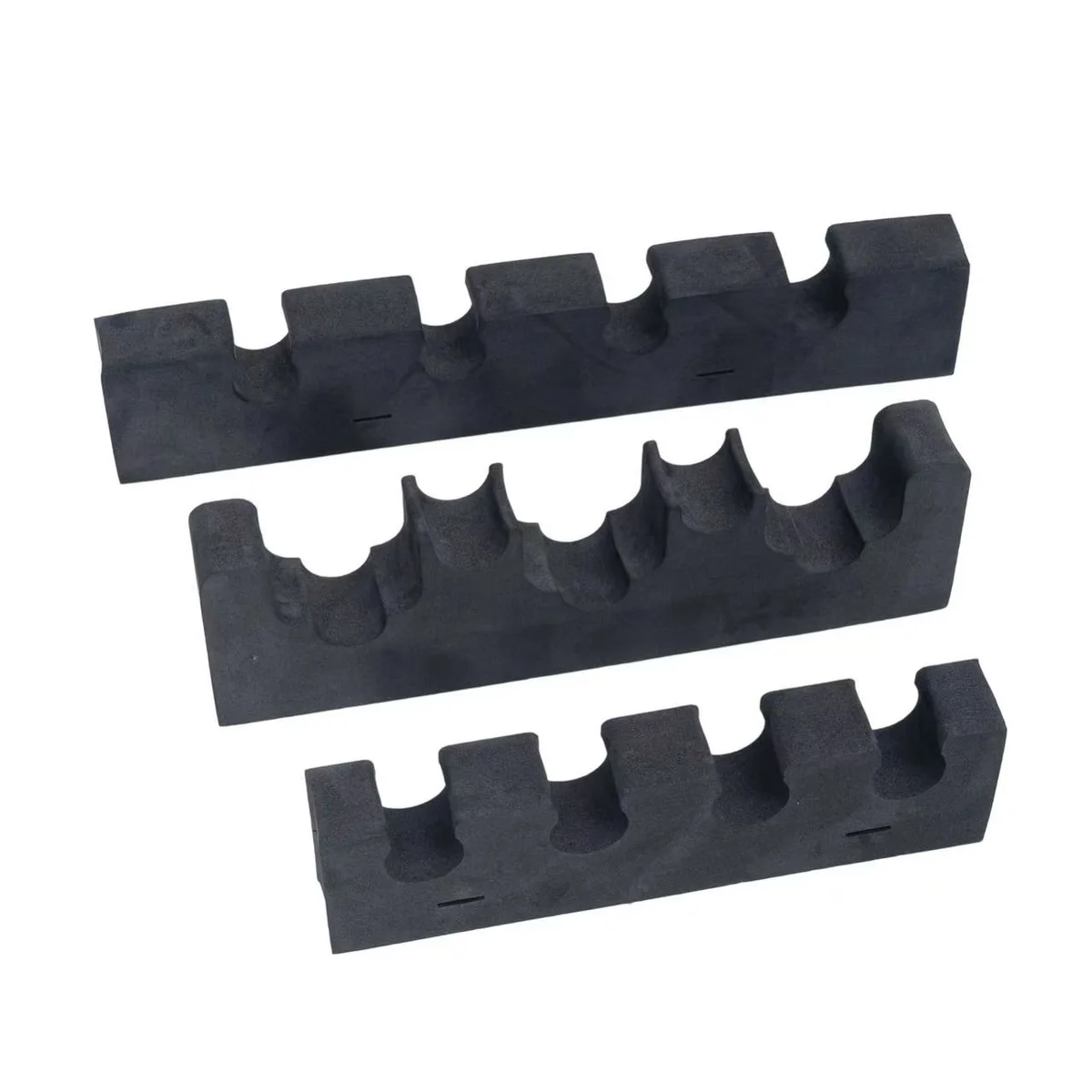
CNC-Cut EVA Foam Rack Dunnage
Custom-routed EVA foam inserts and locating channels for lightweight automotive parts and rack contact positions. Cavity shape, foam grade, contact allowance and mounting method are developed from the approved part rather than copied from a catalog block.
View inputs & request quote →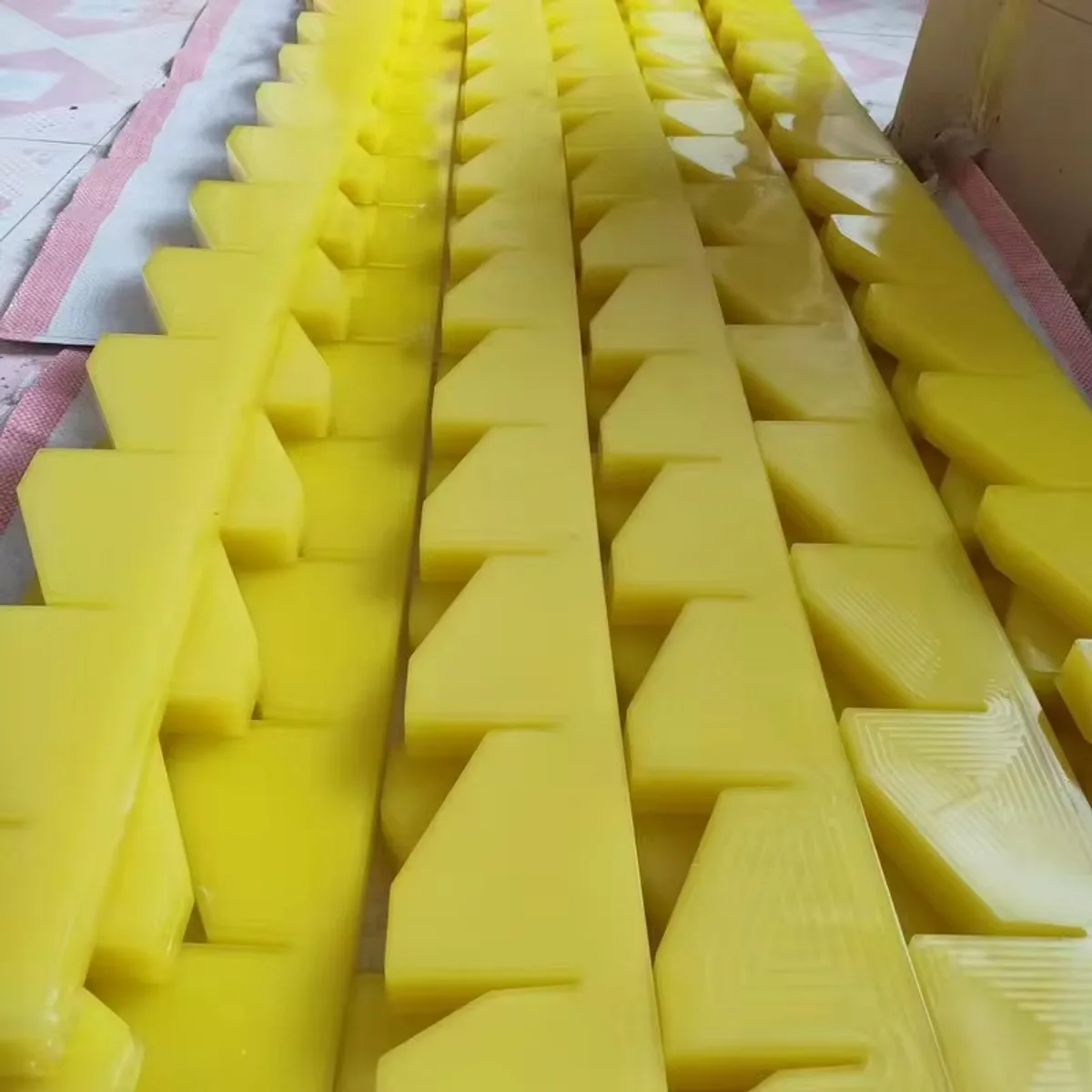
Custom Polyurethane Rack Locators
Custom-molded or machined polyurethane support blocks, channels and locators for defined automotive rack contact points. Shape, hardness, mounting, clearance and acceptance criteria are set from the component and handling condition.
View inputs & request quote →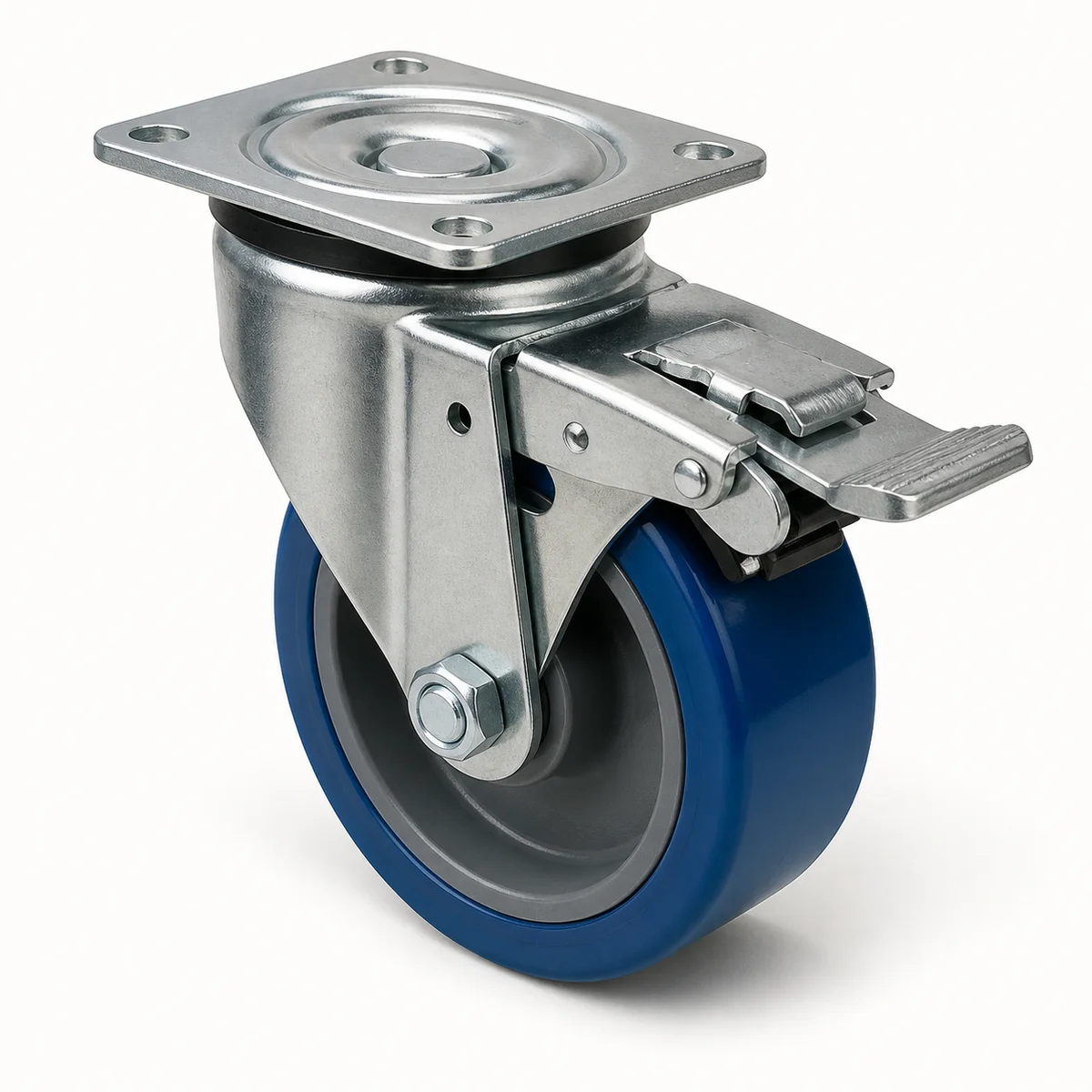
Industrial Rack Casters
Configurable swivel, rigid and braking caster arrangements for mobile automotive racks and material-handling trolleys. Wheel, mounting plate, bearings and brake strategy are selected from loaded mass, duty, route, floor and turning conditions.
View inputs & request quote →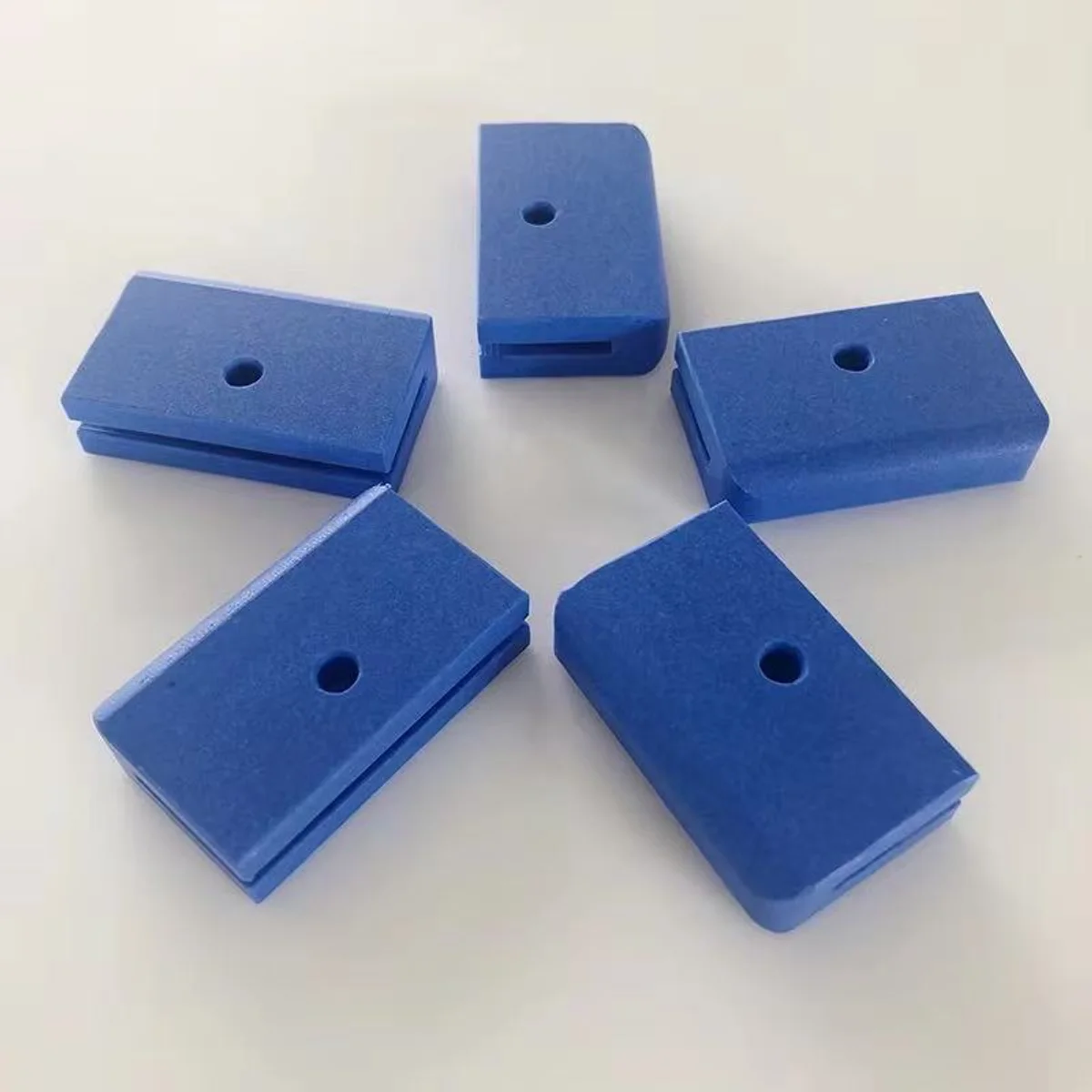
Custom Nylon Rack Support Blocks
Machined or formed nylon support, spacer and locating blocks for defined contact points on automotive parts racks. Geometry, polymer grade, fit, fasteners and wear checks are selected from the actual part and rack duty.
View inputs & request quote →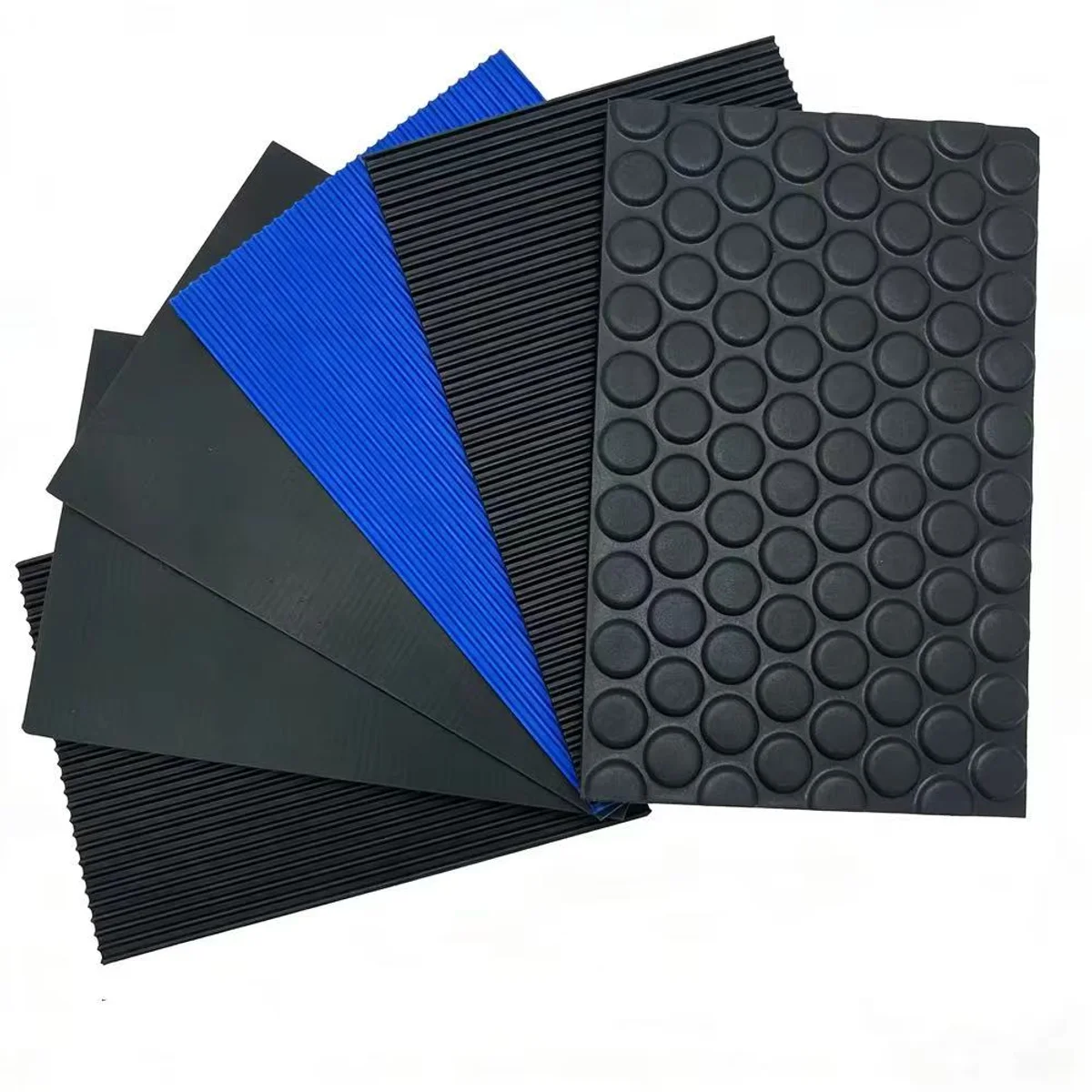
Custom Rubber Rack Protection Pads
Cut or molded rubber pads and strips for specified rack support, stop and contact locations. Compound, hardness, thickness, texture, bonding and replacement method are matched to the component, movement and operating environment.
View inputs & request quote →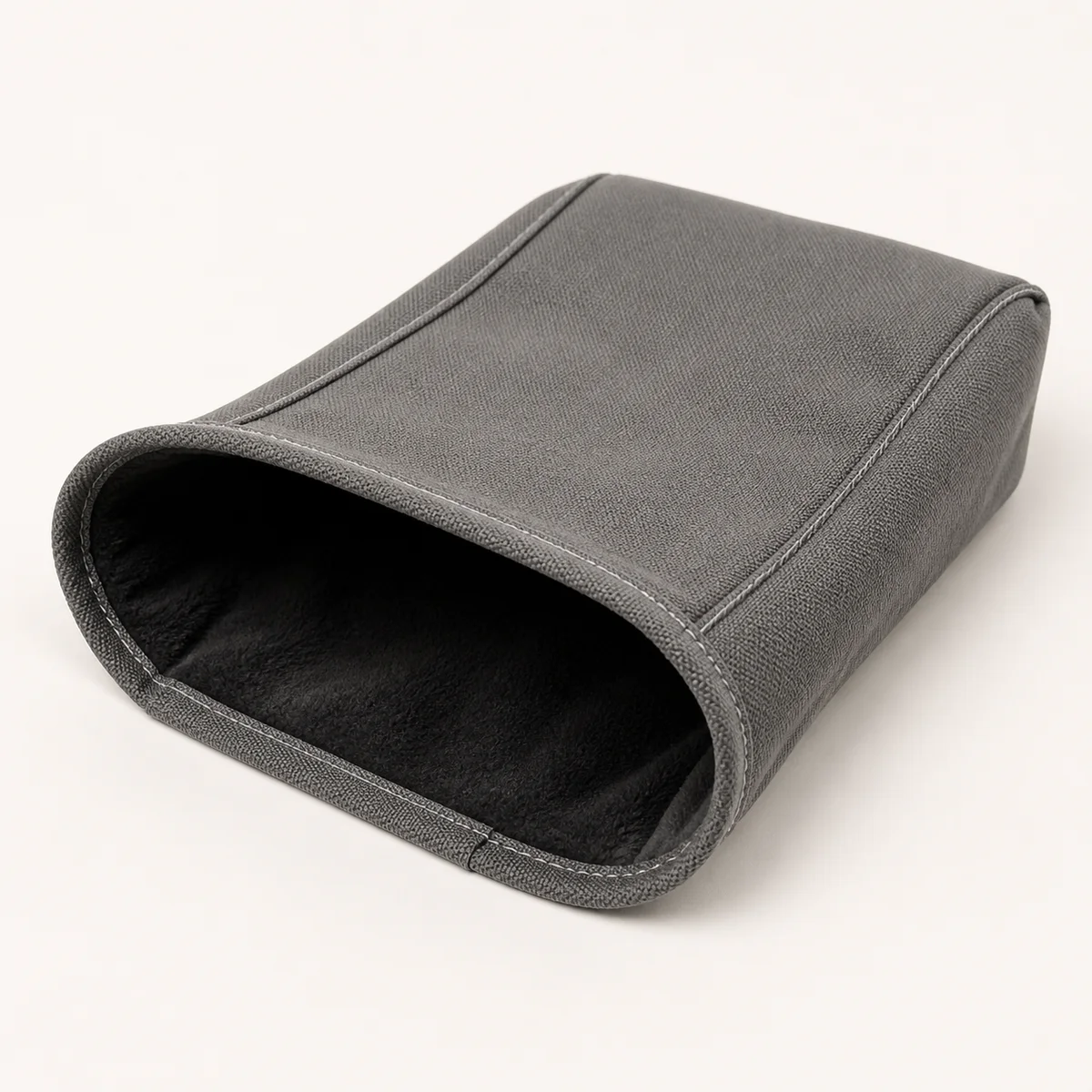
Custom Textile Dunnage Bags
Custom sewn pockets, sleeves and hanging bag arrays for part-specific protection inside steel racks, totes or returnable containers. Fabric, lining, cell shape, stiffeners and attachment are defined from the component surface and logistics process.
View inputs & request quote →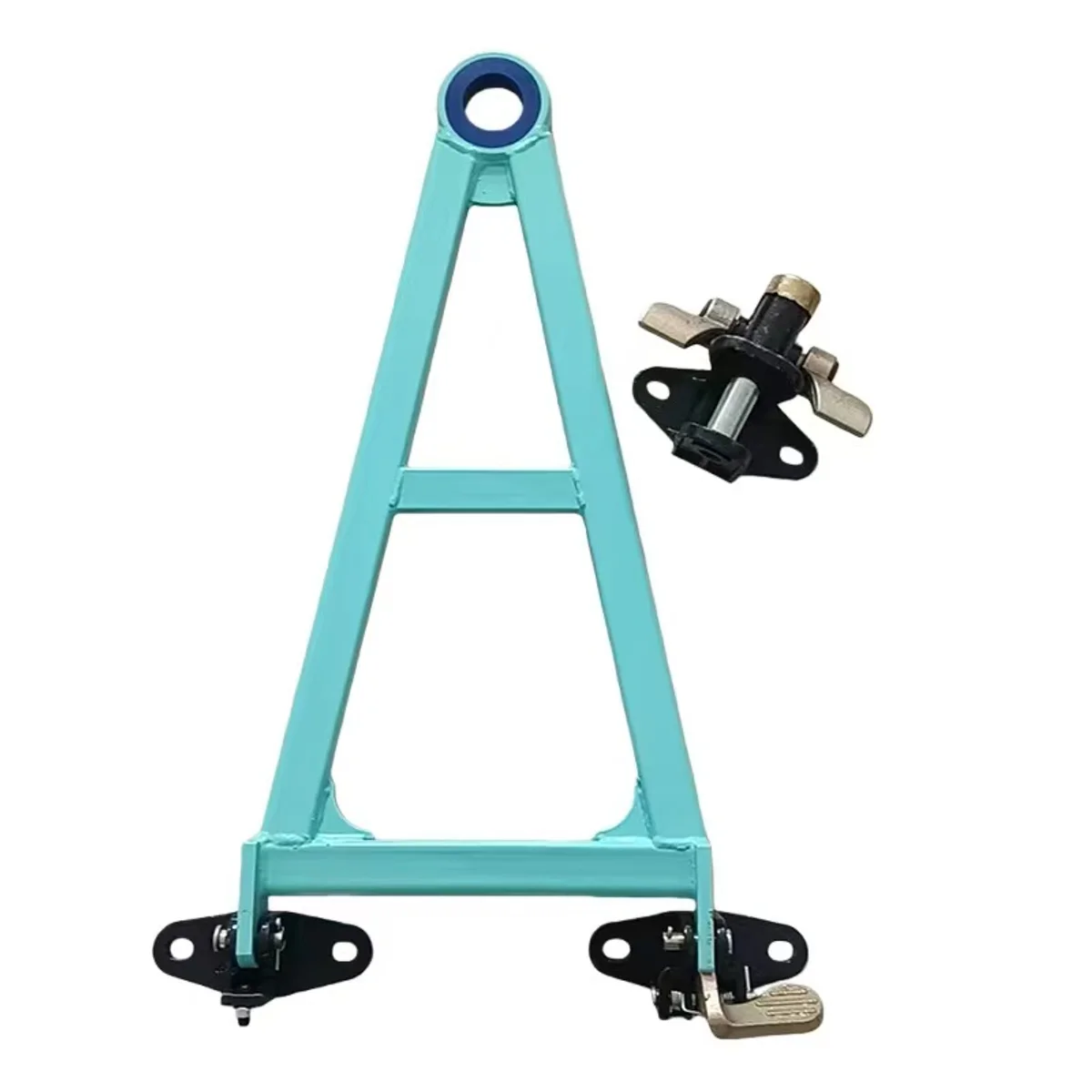
Tugger Train Tow Hitch Systems
Custom tow bars, eyes, pins and hitch interfaces used to connect compatible material-handling racks or carts into a controlled tugger route. Geometry, articulation, caster layout, train conditions and site rules must be reviewed as one system.
View inputs & request quote →Configuration comparison
Choose the interface before the material label
Material names do not define whether a component will fit, protect and remain serviceable. Compare how the interface will be controlled.
| Configuration | Use it when | Main trade-off | Send with the RFQ |
|---|---|---|---|
| Dedicated fixed contact | One controlled part and rack revision use repeatable support points. | Direct positioning; a part revision may require a new contact component. | CAD, contact map, tolerances and rack mounting. |
| Replaceable modular contact | Wear pieces need planned removal without rebuilding the carrier. | Easier service; fastener access and spare identification need room. | Removal direction, tools, indexing, fasteners and spare quantity. |
| Shared variant interface | A defined part family has compatible datums and loading paths. | Fewer unique items; every variant and worst-case clearance must be checked. | Variant matrix, common datums and changeover method. |
From requirement to quotation
Prepare a component and dunnage RFQ
Use four concrete inputs to connect the part-contact component to the complete carrier.
- 1
Control the geometry
Send the current part and carrier drawings with their revision status.
Output: Mating geometry baseline
- 2
Map contact and motion
Mark permitted supports, keep-out surfaces, load direction and operating movement.
Output: Contact and clearance map
- 3
Define material needs
State the applicable buyer material, environment, cleaning and identification requirements.
Output: Material specification input
- 4
Plan mounting and service
Show installation access, replacement direction, quantity, destination and sample checks.
Output: Quotation-ready component brief
Need a complete carrier?
Begin with automotive parts racks, custom stillage racks or material handling trolleys, then define these interfaces inside the RFQ.
| Send | It determines |
|---|---|
| Part and rack CAD | Contact geometry and mounting |
| Motion and route | Clearance and interface orientation |
| Environment and service task | Material inputs and replacement access |
Rack Components & Dunnage — Frequently Asked Questions
What information is needed to quote custom rack dunnage?+
Send the controlled part and rack drawings, part mass, permitted contact zones, no-contact surfaces, loading direction, environmental requirements, mounting interface, quantity and destination.
Should I choose EVA, polyurethane, nylon, rubber or textile first?+
Start with the contact task and buyer requirements. Geometry, surface sensitivity, motion, exposure, cleaning and replacement access define the material properties that need to be specified and checked.
Can HAOFU supply replacement contact parts for an existing rack?+
A replacement can be reviewed when the existing interface is measured or drawn accurately. Provide the rack mounting detail, locator position, part revision and installation access so the replacement does not rely on an assumed fit.
Can one locator work with several part variants?+
A shared interface is possible when the variants have compatible datums, envelopes and loading paths. Send a variant matrix so common contact points and worst-case clearances can be reviewed.
How should service access be included in the design?+
Show the removal direction, tools, fasteners, nearby frame members and acceptable downtime. A replaceable component needs enough access to be identified, removed and reinstalled in the carrier.
Can I buy these components with a complete custom rack?+
Yes. The component can be developed as part of a custom automotive rack, stillage or trolley so its contact geometry, frame mounting and loading path are reviewed together.