
Returnable Packaging Tracking: Essential Data Fields
A returnable packaging tracking record should capture the rack, pallet or container ID; event and time; sending and receiving location; quantity and type; loaded, empty, cleaning, repair or available status; shipment or order reference; and the next action when something is missing or damaged. Choose asset-level or batch-level identification based on the fleet value, circulation complexity and system capability.
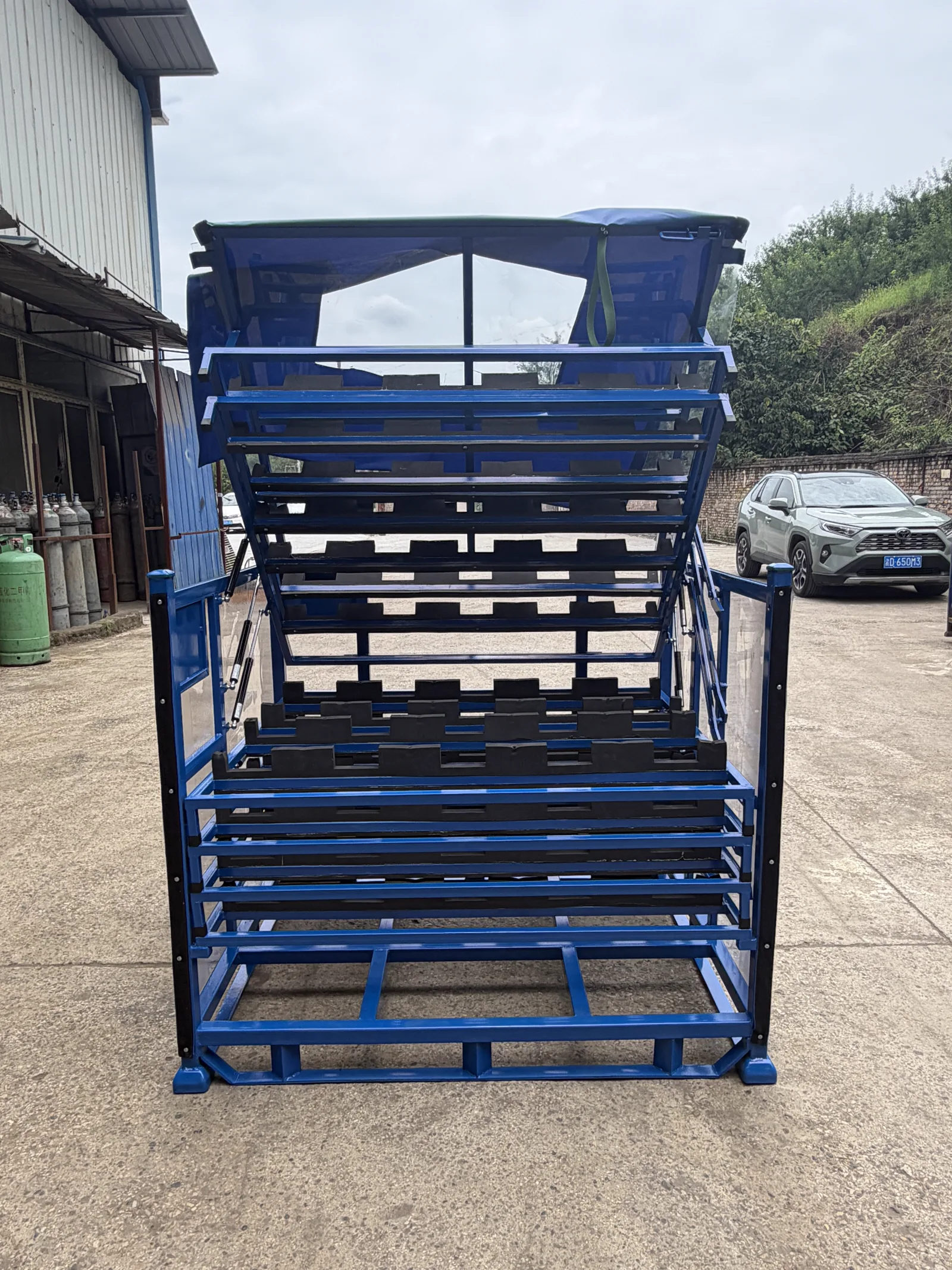
Returnable packaging tracking should show what moved, when it moved, where it went, how many units changed hands and what needs to happen next. A practical record combines the rack, pallet or container identity with an event, timestamp, sending and receiving location, quantity, current status and a shipment or order reference. That information supports day-to-day returns and reconciliation whether the tool is a spreadsheet, barcode system, RFID platform or ERP module.
Not every loop needs individual asset tracking. High-value custom racks or complex multi-site loops may justify a unique ID for each unit. Simpler fleets can use batches, quantities by packaging type or shipment-level records. Select the identification level by comparing fleet value, loss risk, repair history, number of handoffs and the systems used by loop partners.
Which fields should a returnable packaging system capture?
| Data field | Example content | Question answered |
|---|---|---|
| Identity | Asset ID, batch, packaging type and related part or programme. | What packaging is moving? |
| Event and time | Issue, dispatch, receipt, empty return, inspection, repair or cleaning. | What happened and when? |
| Location and handoff | Sending site, receiving site, carrier, depot or work area. | Where is it and who received it? |
| Quantity and status | Count plus loaded, empty, available, damaged, cleaning or repair status. | How many units can enter the next step? |
| Reference and action | Shipment, order, scan, photo or inspection reference and next task. | What should the team reconcile or do next? |
Keep identity, location and status separate
Knowing that a rack arrived at a site is different from knowing that it is empty, inspected and available. Use separate fields for the item, event, location and business status. This makes it easier to distinguish “at supplier,” “empty at supplier,” “awaiting repair at supplier” and “ready for collection” without inventing many ambiguous location codes.

Five steps to define return-loop data
- Draw the physical loop. List issue, dispatch, receipt, use, empty return, inspection, cleaning, repair and reconciliation points.
- Choose the identification level. Decide whether the loop tracks individual assets, batches, packaging types or quantities by shipment.
- Define events and statuses. Use clear terms that loop partners interpret the same way.
- Assign capture points. Decide who enters or scans each event and what shipment or order reference is available.
- Plan exception actions. Route missing, overdue, damaged or disputed units to a named operational task.
Tracking interfaces start with the packaging design
If labels, barcodes or RFID tags will be used, include the holder position, protection, visibility and replacement method in the packaging RFQ. See the RFID-ready returnable rack guide, the ownership and deposit checklist and custom returnable packaging.
Request a returnable packaging quote
Send the part information, packaging type, route map, identity method, label or tag interface, handling equipment, fleet quantity and destination through the RFQ form.