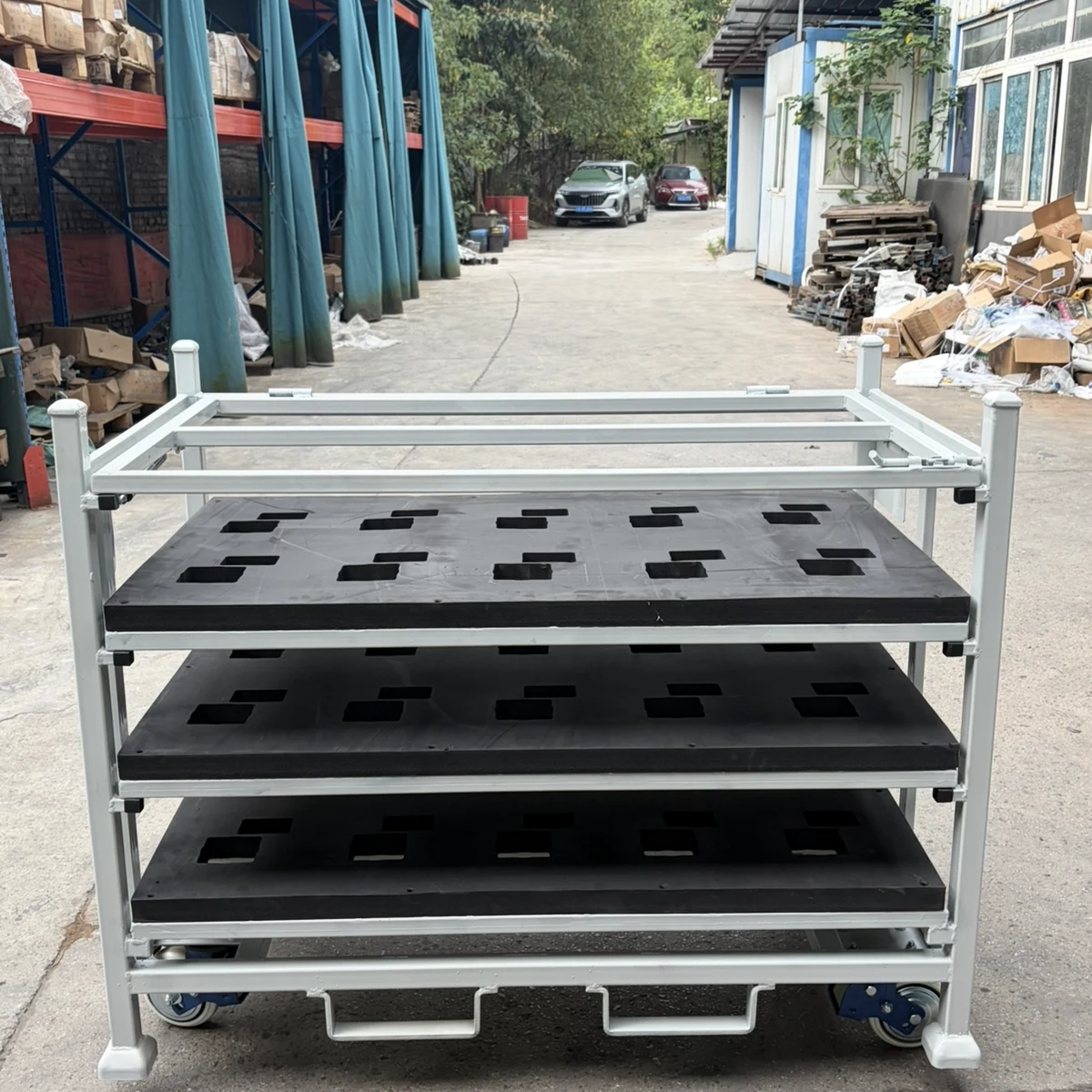
Fold-Down Foam Dunnage Rack
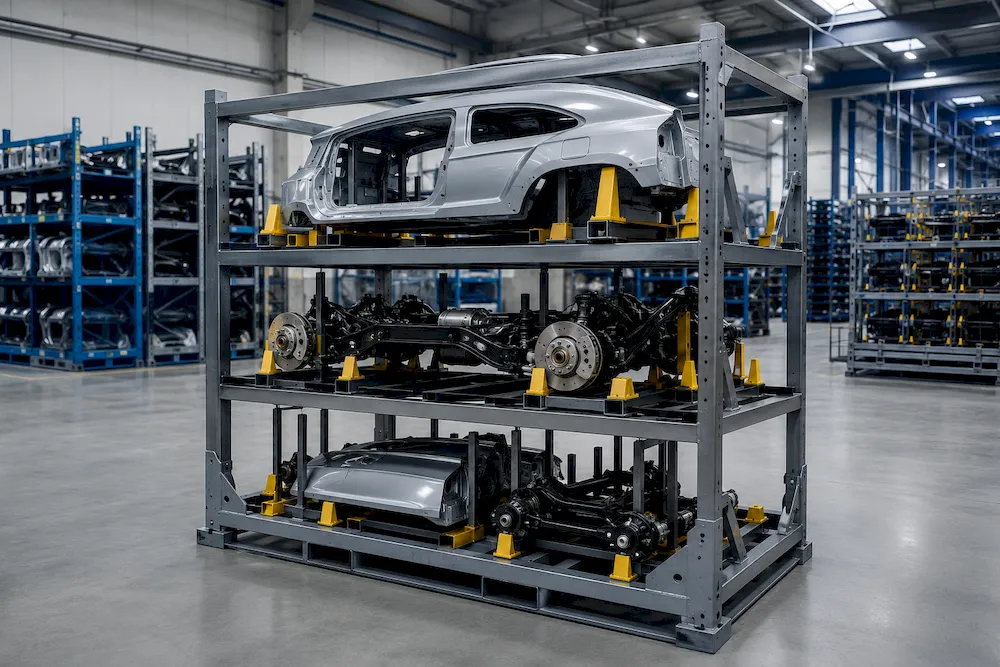
A custom fold-down foam dunnage rack that provides multiple protected positions and a folding access arrangement. It is designed from component geometry, required density and the actual loading route.

HAOFU Engineering Team
Reviewed 2026-08-11
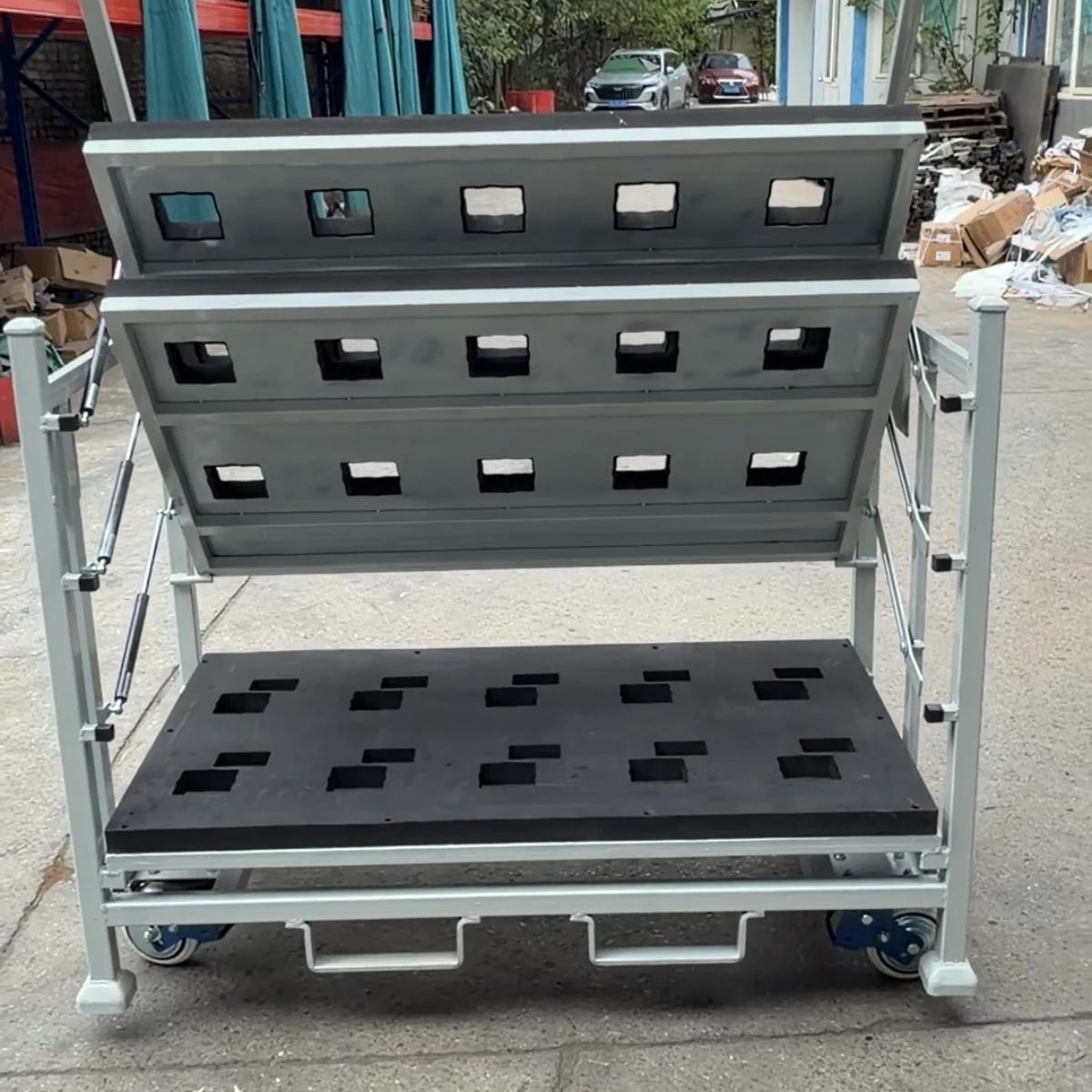
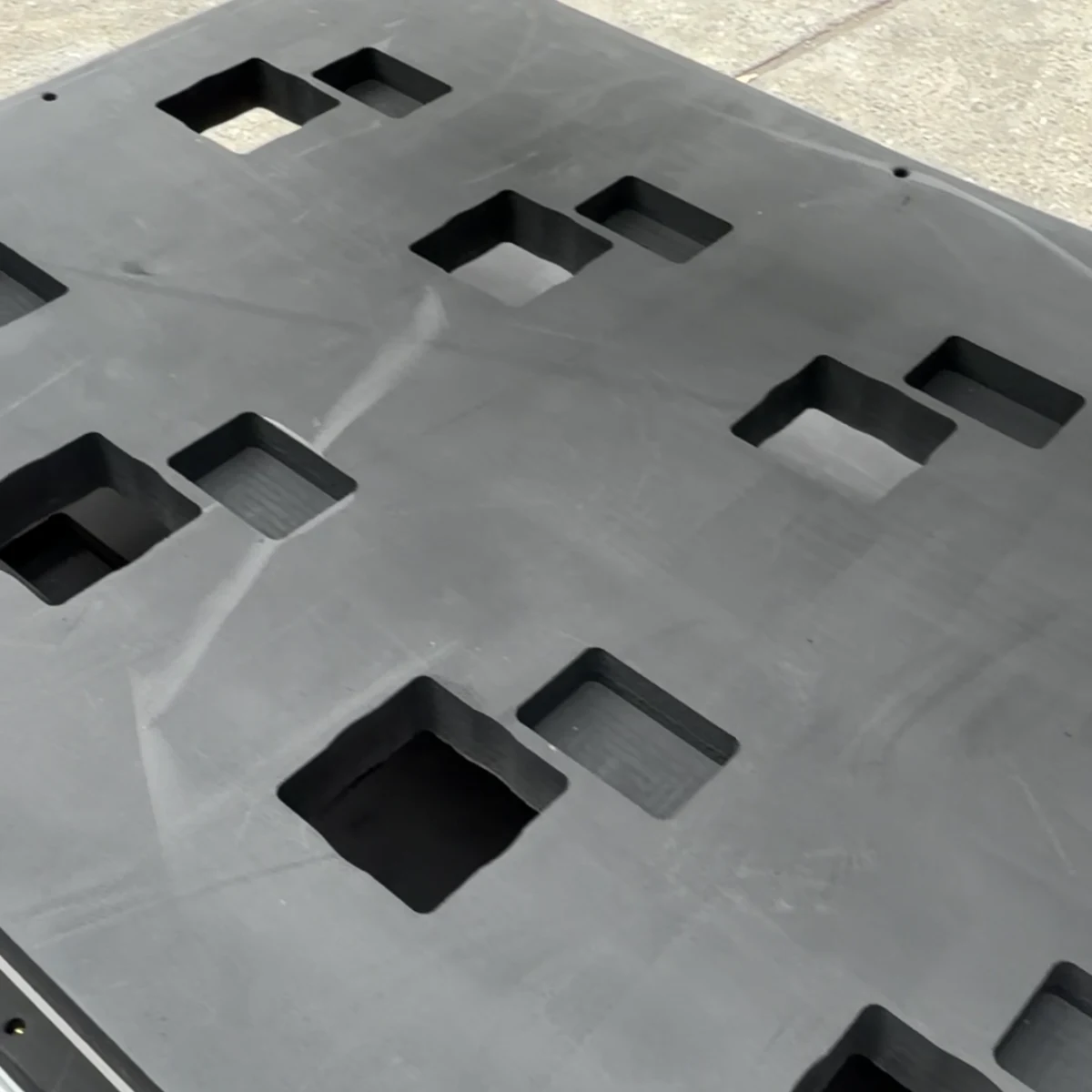
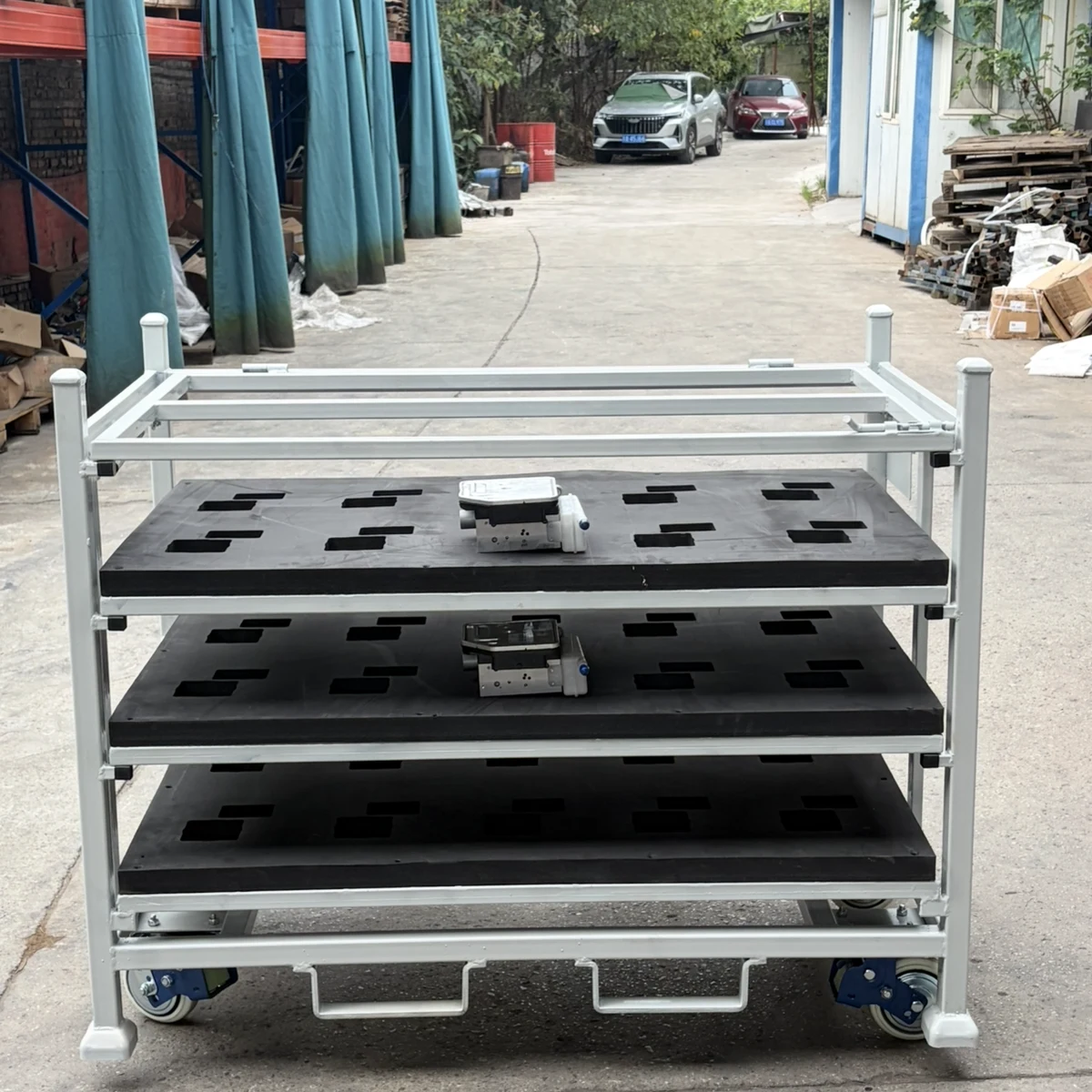
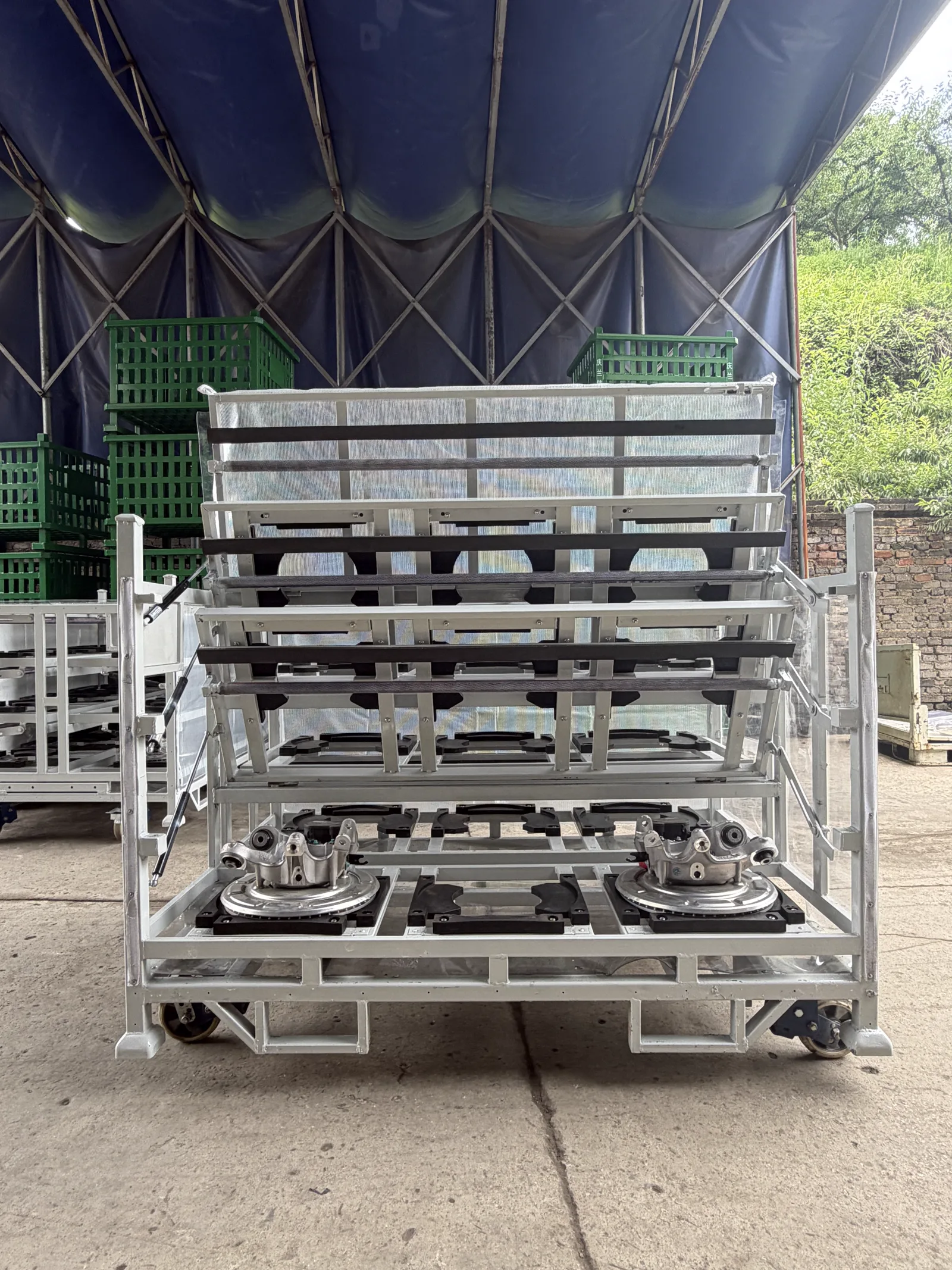
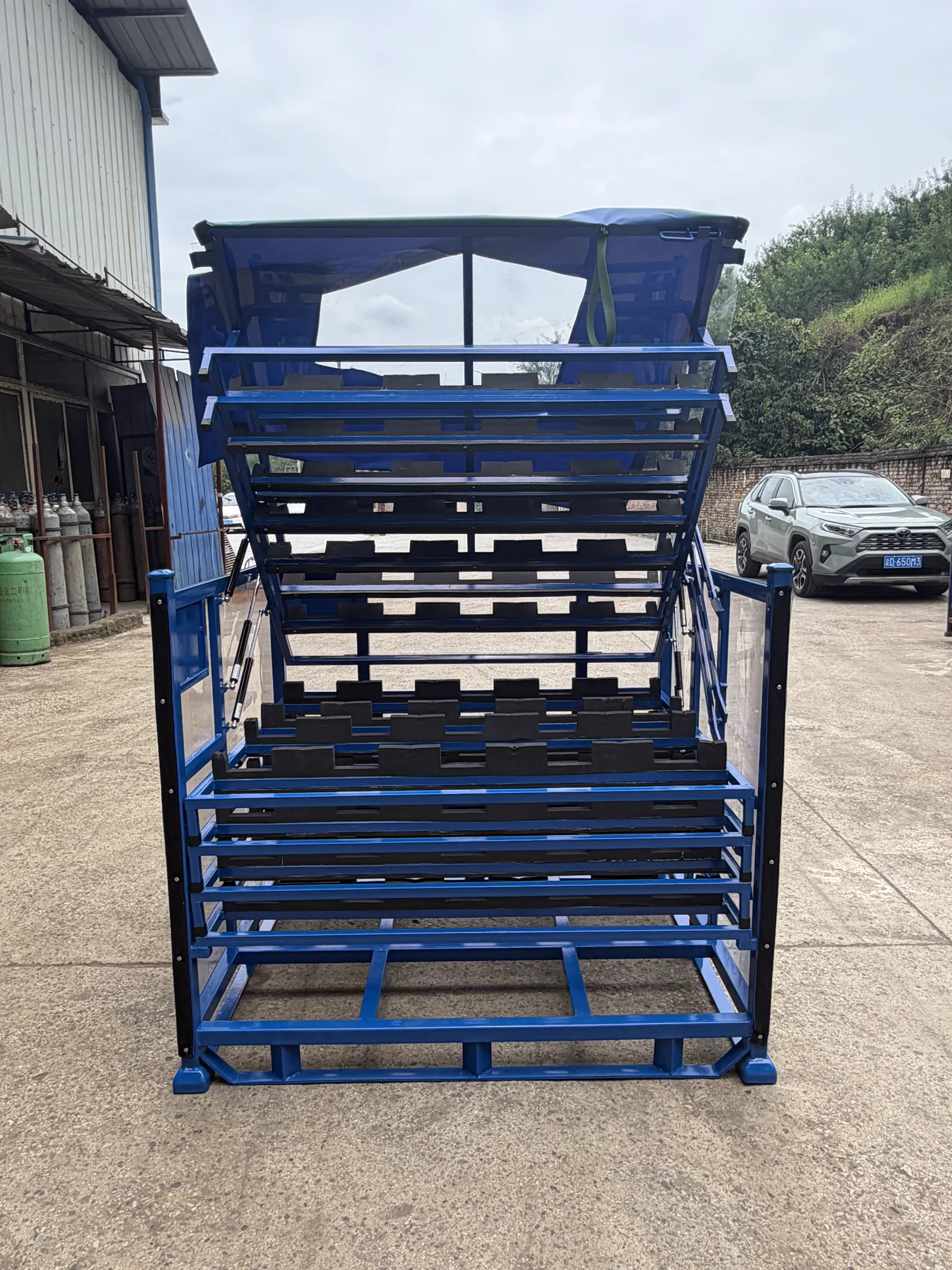
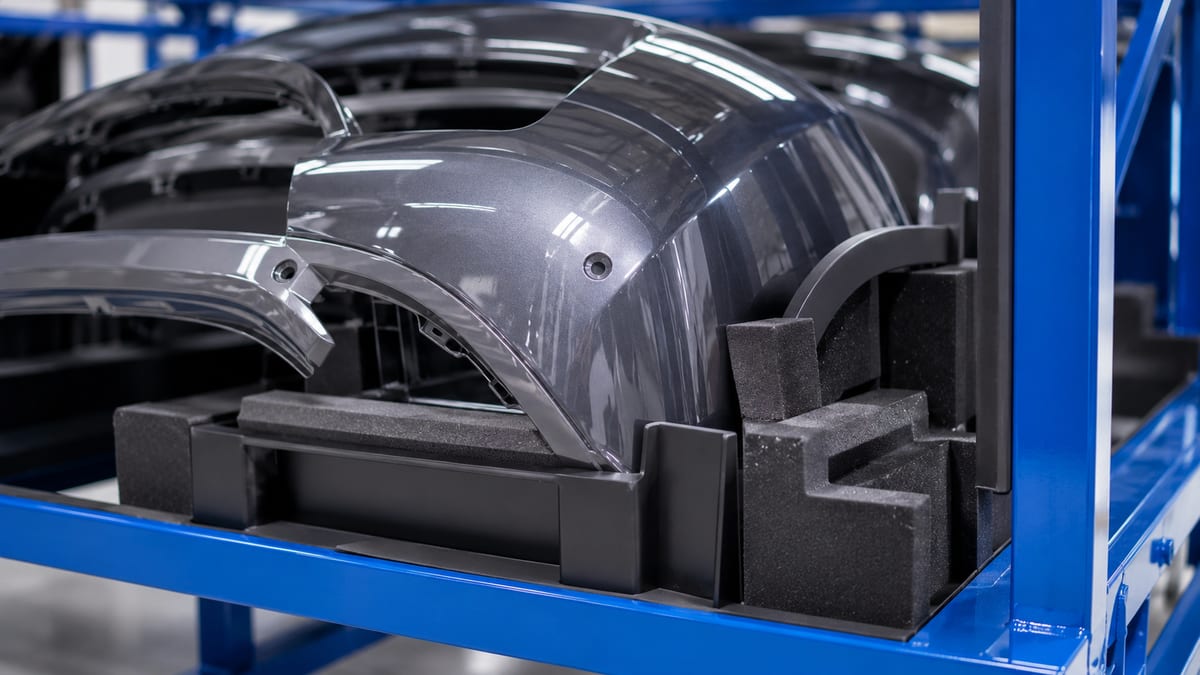
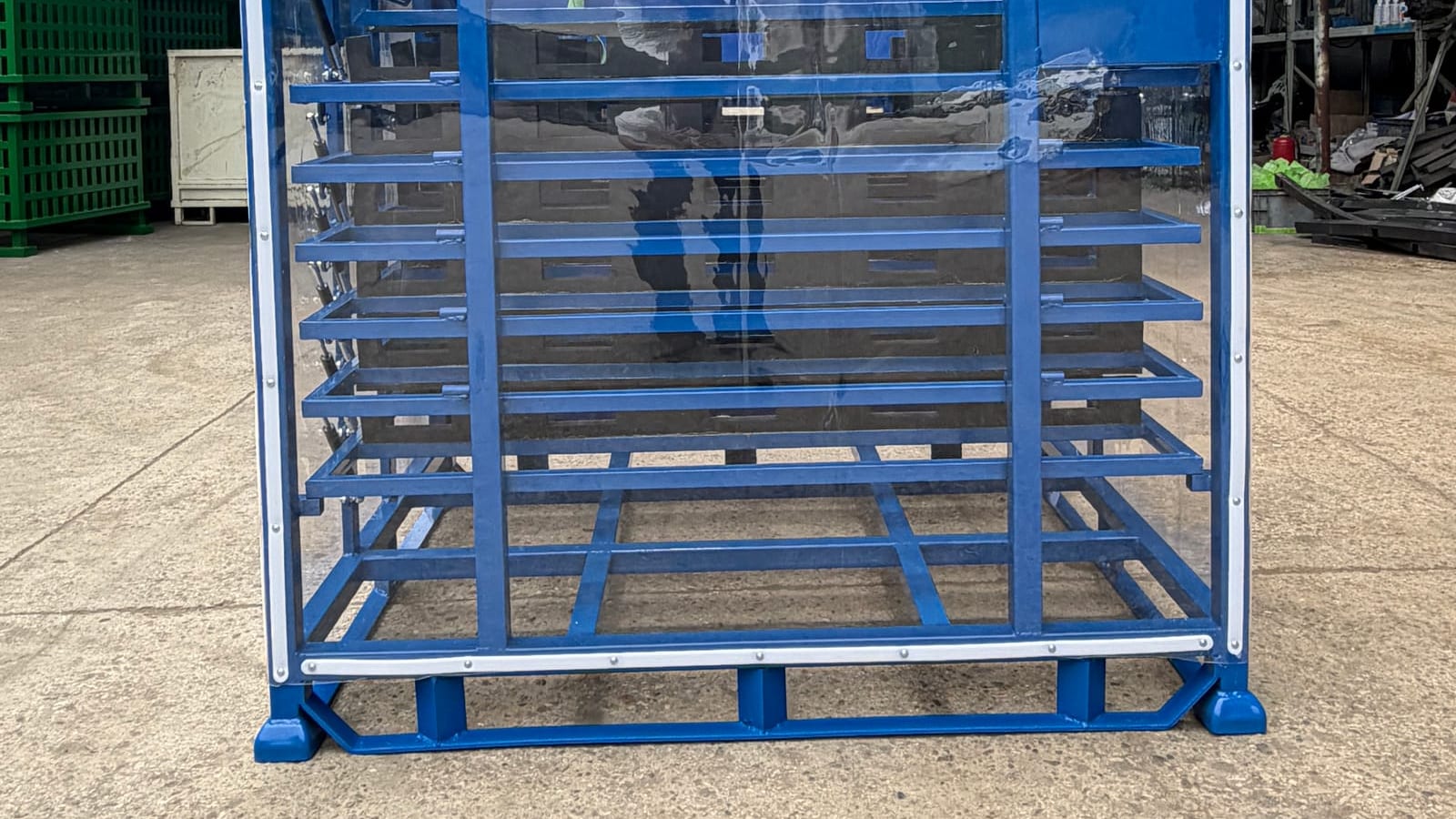
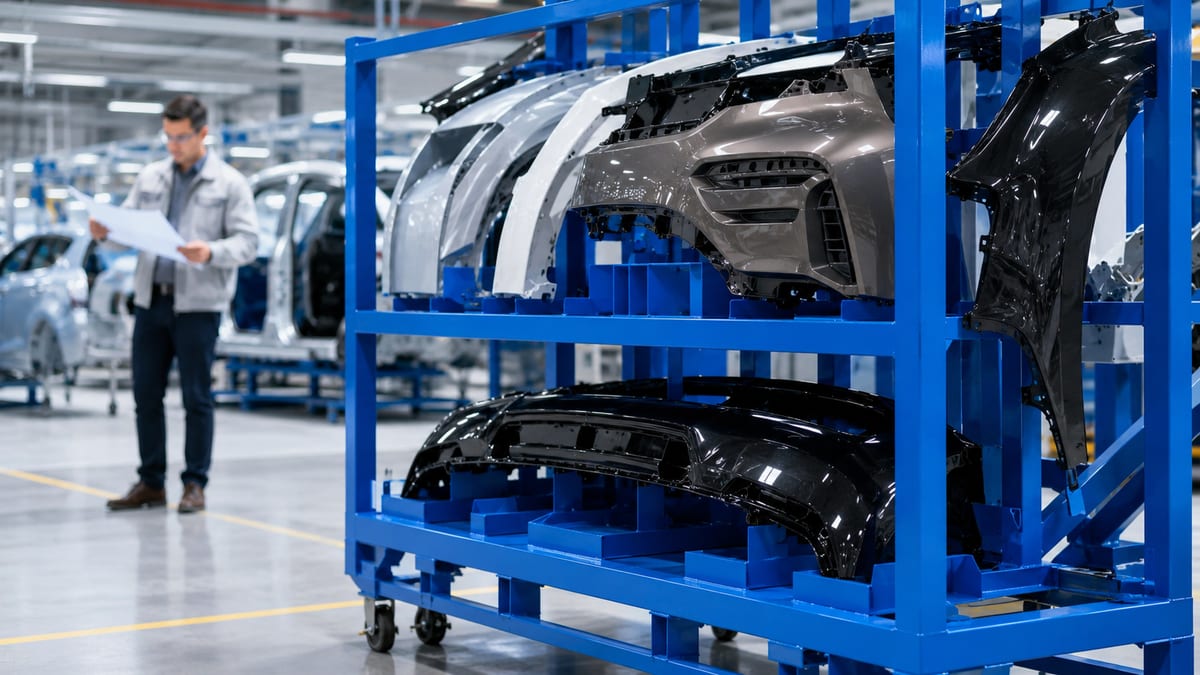
A fold-down foam dunnage rack is a reusable steel logistics carrier configured from the actual part, its protected contact points, loading sequence and handling route. This photographed example shows fold-down panels, foam locating sheets and mobile base; final dimensions, capacity and stackability are confirmed per project.
At a Glance
- Structure
- Custom welded steel returnable rack or trolley
- Visible example
- fold-down access and foam locating sheets
- Part protection
- Dunnage, dividers and non-metal contact materials as specified
- Handling
- Casters, forklift or tow interface selected for the agreed route
- Capacity
- Confirmed from the approved part, quantity and handling conditions
- Identification
- Project label, asset ID or traceability method as specified
Built example
Product Gallery
Real photos of a custom-built configuration. Dimensions, part count and handling details are specified for each buyer's programme.
Description
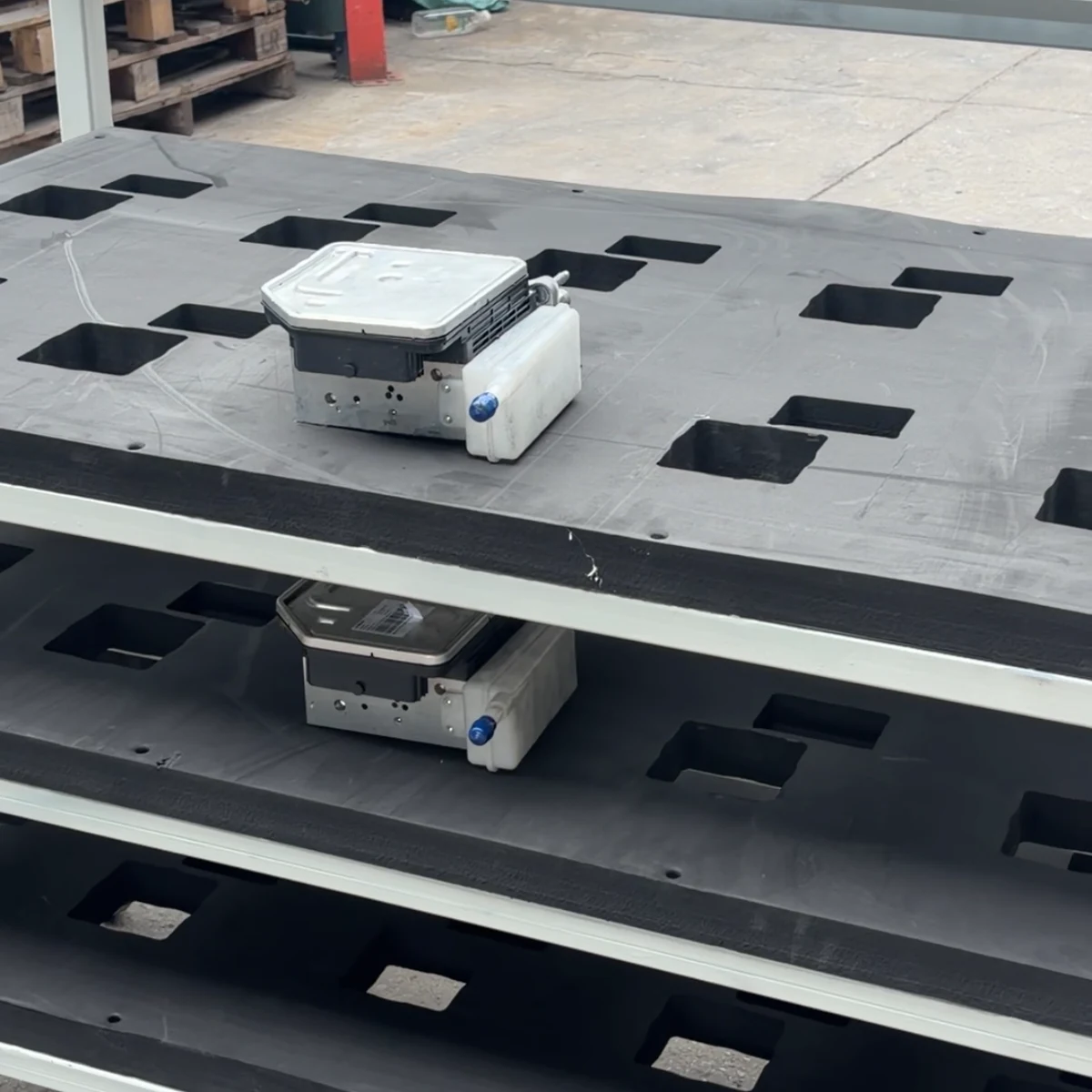
A fold-down foam dunnage rack is a purpose-built returnable carrier, not a catalogue-size rack. This real photographed configuration uses fold-down panels, foam locating sheets and mobile base. For purchasing and packaging engineers, the correct design starts with the part drawing, weight, contact surfaces, quantity per carrier and handling route.
What this configuration is designed to solve
It helps keep repeatable part positions, access and protection aligned through storage, line-side movement and return logistics. The visible frame, dunnage and access mechanism are evidence of a custom-built configuration; they do not establish a universal load rating, fixed size or certification.
Specification inputs for a custom fold-down foam dunnage rack
| Buyer input | Design decision |
|---|---|
| Part drawing, sample and sensitive contact areas | Dunnage profile, clearance and retention |
| Parts per carrier and loading sequence | Level count, access side and presentation |
| Manual, tugger or forklift route | Casters, base, tow or lift interface |
| Storage and empty-return condition | Cover, folding, stacking or nesting concept |
| Destination and inspection requirements | Finish, identification and acceptance plan |
Common purchasing mistakes
- Quoting from an overall footprint without the part's centre of gravity or contact map.
- Copying a tray layout from another component instead of checking clearance and access.
- Assuming loaded stacking or a handling interface without programme-specific validation.
- Leaving return-loop identification, maintenance and responsibility undefined.
Start with a usable RFQ
Send the drawing or sample, part weight, target quantity per carrier, loading direction, handling route, destination and expected order quantity. HAOFU can turn this into a customisation brief and sample-review path. Read the related buyer guide, the protection and handling guide, the rack RFQ checklist.
Reference: OSHA materials-handling guidance explains why the handling route and clearances need review. For returnable-asset identification, see GS1 GRAI. These are planning references, not a certification or load approval for this photographed configuration.
Original project video
See the photographed configuration in motion
This embedded video is supplied with this product's real photo set. It documents the configuration only; final specifications remain project-specific.
Guides & Resources
Learn more about choosing and using fold-down foam dunnage rack.
Applications, Engineering & Buyer Tools
Move from product discovery to a project specification, application check and inspection plan.
Fold-Down Foam Dunnage Rack — Frequently Asked Questions
Is this fold-down foam dunnage rack an off-the-shelf product?+
No. The images show a real custom-built configuration with fold-down access and foam locating sheets. HAOFU confirms the final frame, part positions, access and handling details from your component and logistics flow.
What information is needed to quote the rack or trolley?+
Please provide a part drawing, 3D data, photo or sample; part weight; quantity per carrier; sensitive contact areas; loading direction; handling route; destination; and target quantity. Those inputs make the quotation and engineering scope usable.
Can the dunnage be changed for our component?+
Yes. Locators, foam, rubber, plastic blocks, dividers and retention features are selected around the approved component's contact points and clearance needs. They are not copied from an unrelated rack.
Can it be moved by casters, forklift or tugger?+
The handling interface is selected from the real route and equipment. A project may use casters, forklift entry, a tow connection or another agreed interface; clearances, load conditions and operating rules need review before approval.
How should a returnable rack be identified?+
The buyer can specify a project label, barcode, RFID or other asset-identification approach. GS1 describes GRAI as an identifier suitable for reusable transport assets when a shared tracking system requires it; the actual identifier owner and data process are agreed by the supply-chain parties.
Ready to Improve Your Material Handling?
Tell us your requirements and our engineers will contact you within 24 hours.
Contact Us Now