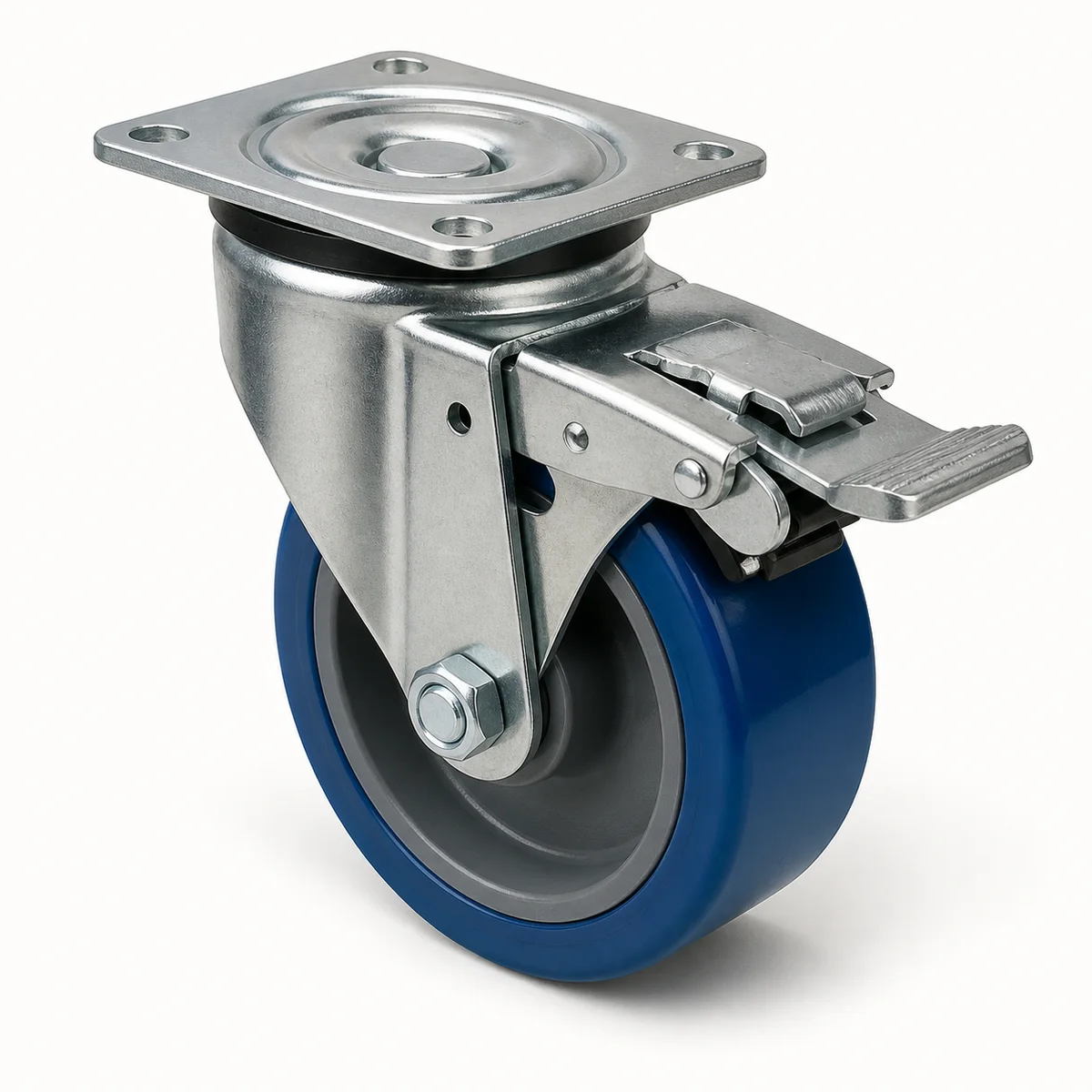
AI-generated caster selection concept; not a supplied caster model, load rating, test result or HAOFU product photograph.
Industrial Rack Casters
Configurable swivel, rigid and braking caster arrangements for mobile automotive racks and material-handling trolleys. Wheel, mounting plate, bearings and brake strategy are selected from loaded mass, duty, route, floor and turning conditions.

HAOFU Engineering Team
Reviewed 2026-08-31
Do not select a rack caster from wheel diameter alone. A usable review needs loaded rack mass, number and placement of wheels, manual or towing duty, speed, floor joints, turning radius, brake logic, mounting interface and site rules.
At a Glance
- Configuration
- Custom to the approved part, rack and route
- Primary role
- Controlled mobility, steering and braking for racks or trolleys
- Required inputs
- rack tare and loaded mass, wheel layout, duty, speed, floor, route, brake and mounting requirements
- Material / interface
- Confirmed in the approved project drawing and specification
- Validation
- Fit, access, handling and controlled requirements agreed before production release
- Supply scope
- Component-only or integrated rack/trolley scope, as quoted
Selection concepts
Product Gallery
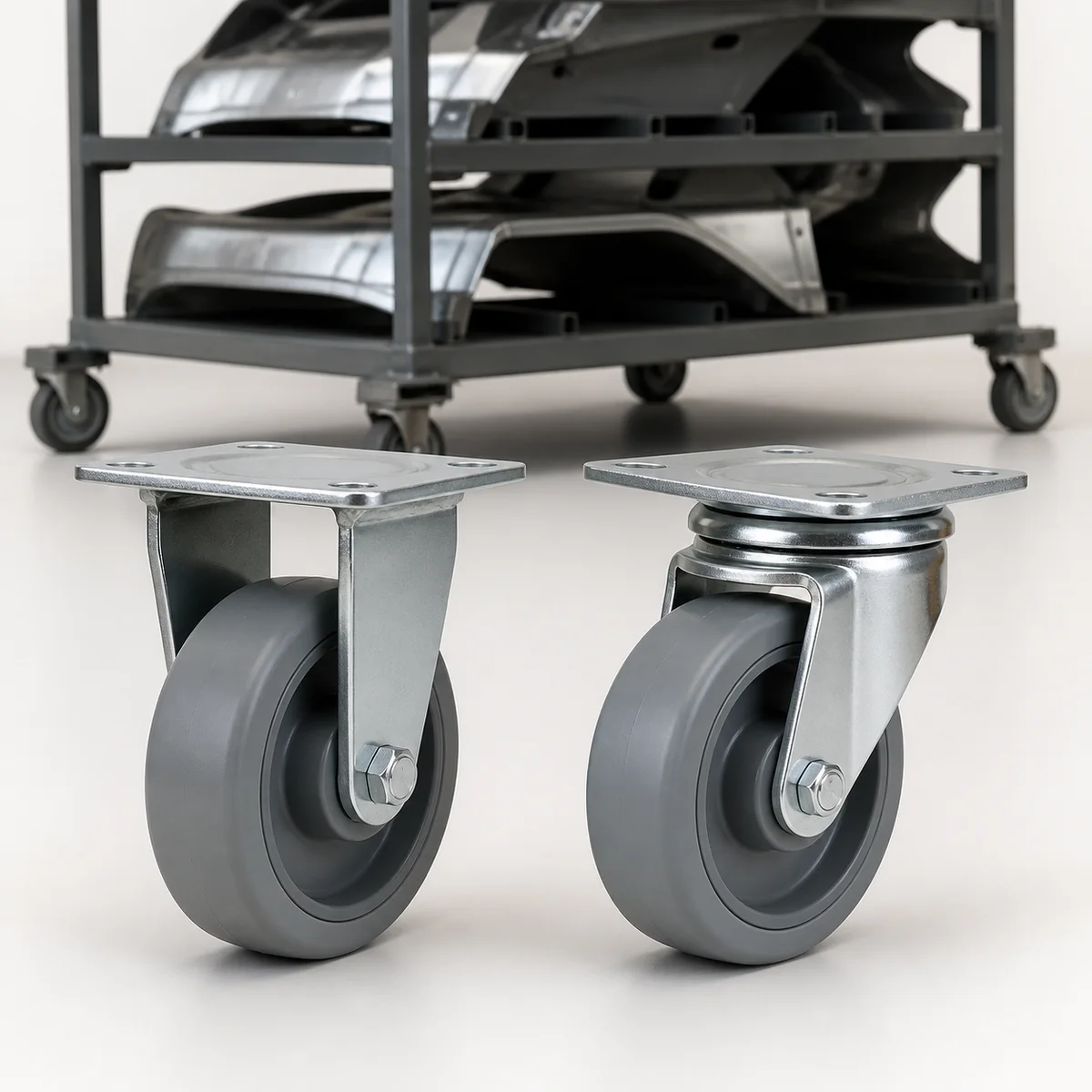
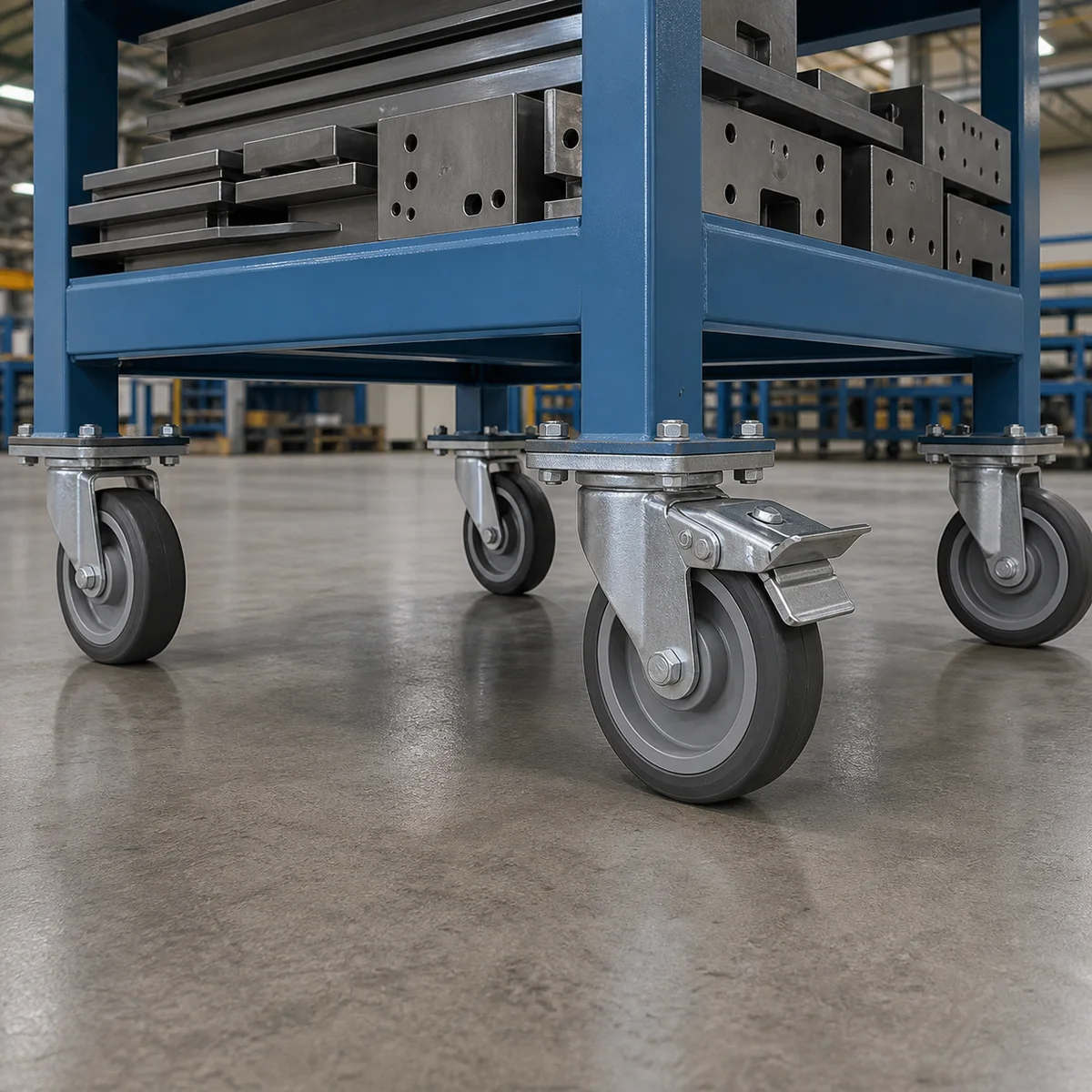
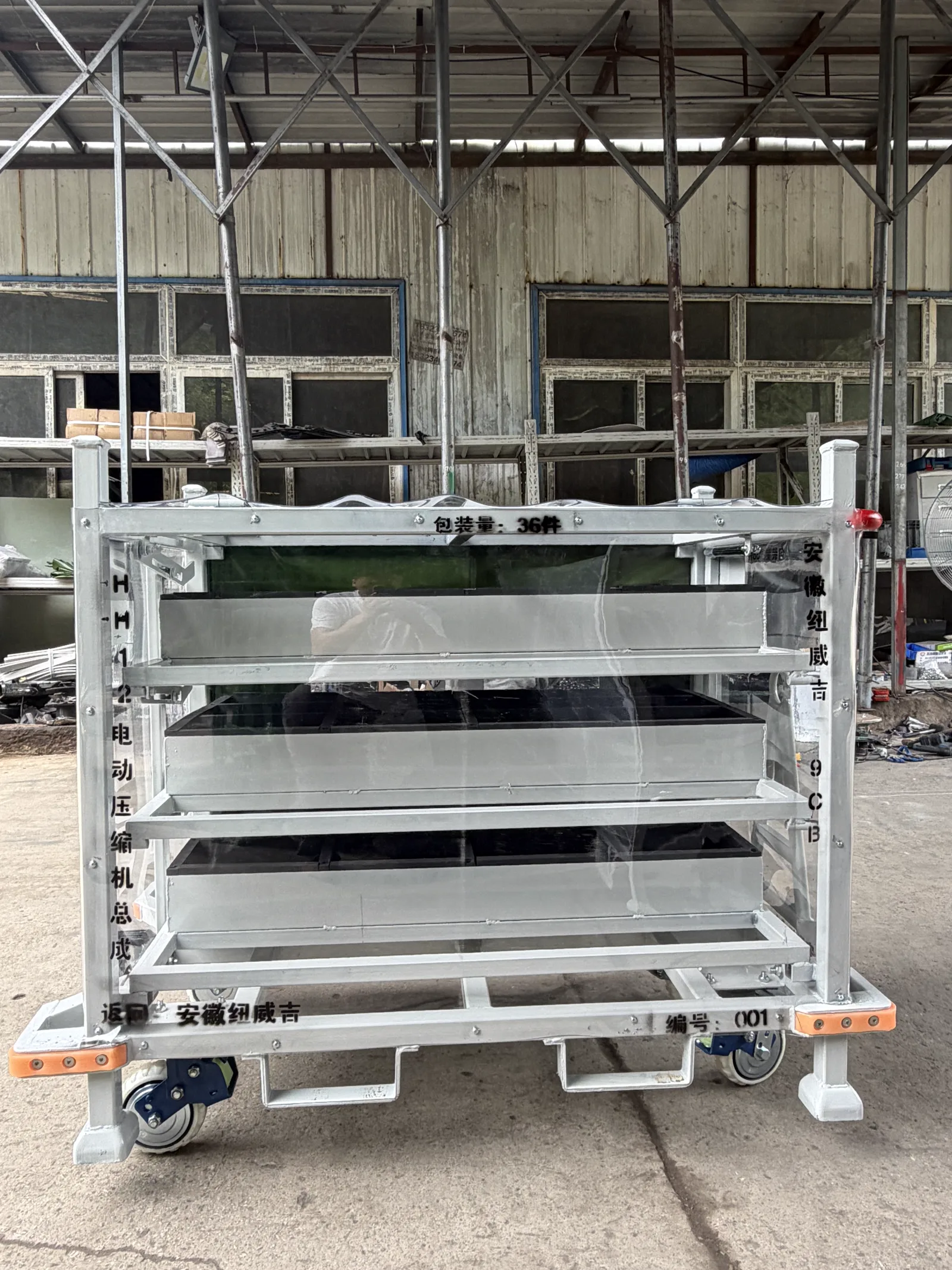
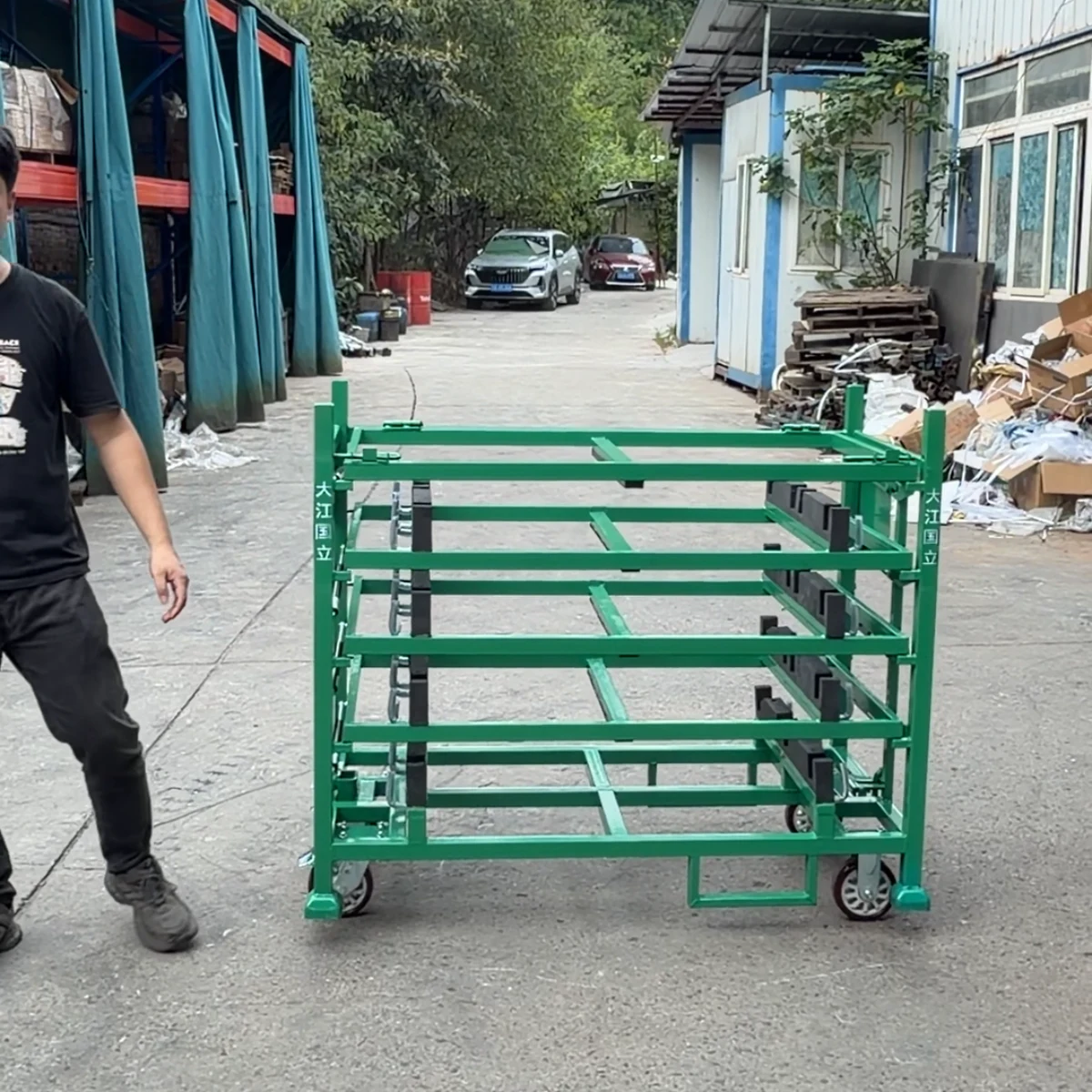
Concept images illustrate swivel, rigid, braking and installed arrangements. The approved caster model and duty rating must come from the project specification and supplier data.
Description
Industrial Rack Casters is a project-specific product or rack component used within returnable automotive packaging and in-plant material handling. HAOFU develops it around the approved part, contact restrictions, access, handling route and buyer specification. It is not presented as a universal off-the-shelf performance specification.
This page owns the commercial intent for industrial rack casters. Buyers comparing complete carriers should also review Material Handling Trolleys; the main product page remains the owner for the broader rack or trolley category.
What must be decided before design release
| Input area | Design decision |
|---|---|
| Loaded condition | Calculate the design input from rack, payload, load distribution and wheel contact assumptions. |
| Duty and speed | Distinguish manual push, intermittent tow and powered/tugger duty. |
| Floor and route | Review joints, debris, gradients, thresholds, turns and travel distance. |
| Control interface | Specify swivel/fixed layout, directional locks, wheel brakes and mounting plate. |
Suitable application scope
- Mobile line-side automotive racks
- Manual material-handling trolleys
- Tugger-compatible carts after route and duty review
Claim boundary: No load, noise, floor-protection, rolling-resistance or tow-speed value is implied by these concept images. Use approved caster data and validate the complete trolley.
RFQ information to send
- Rack tare mass and maximum loaded mass
- Caster quantity and mounting drawing
- Manual/towed duty, speed and duty cycle
- Floor condition, thresholds, gradients and turning limits
- Brake, directional-lock and maintenance requirements
HAOFU manufactures in China and ships globally. Start with the custom rack and trolley design process, then send the controlled requirements for review. Final dimensions, material callouts, capacity, interfaces, validation and commercial terms belong in the approved quotation and drawing.
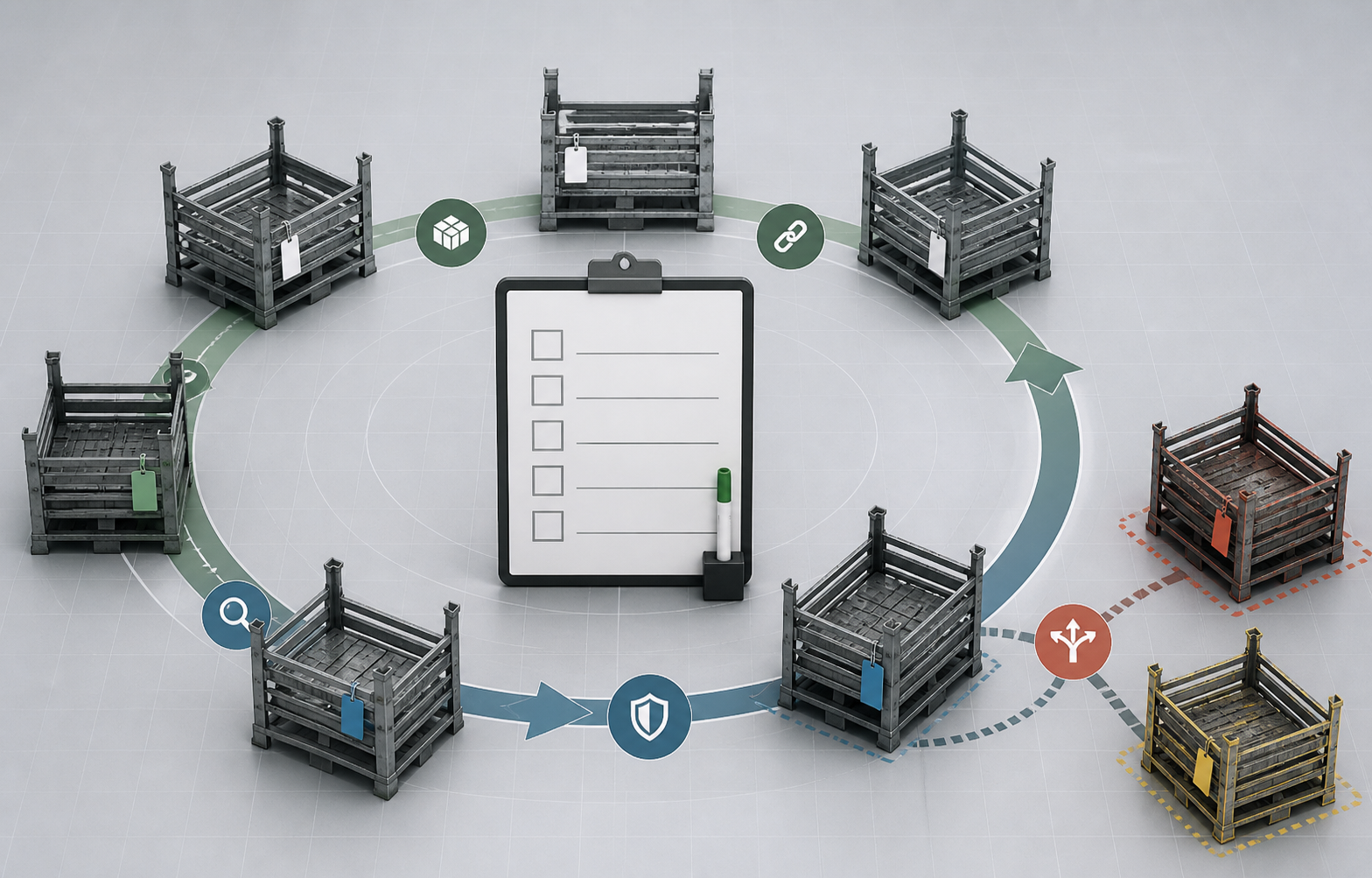
How the requirement moves to approval
- Define: collect controlled part, rack, route and buyer-standard inputs.
- Design: agree contact geometry, interfaces, access and maintainable components.
- Review: check the concept against loading, handling, return and service conditions.
- Validate: approve the sample and recorded acceptance criteria before production release.
Industry terminology references
The following industry pages were used to confirm buyer terminology and specification inputs. Their company-specific claims are not adopted as HAOFU claims.
Guides & Resources
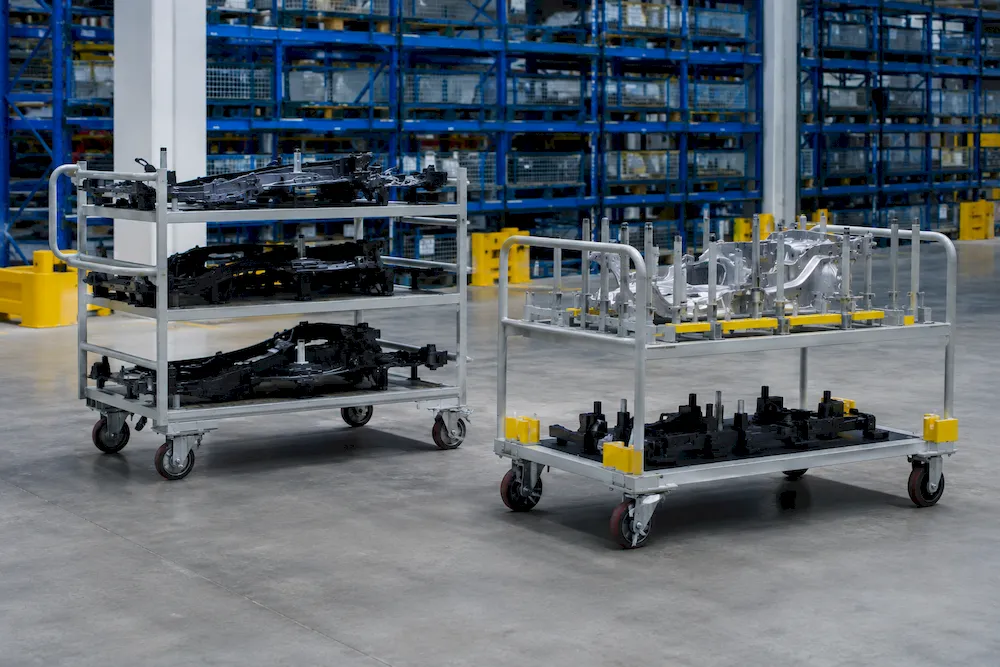
Learn more about choosing and using industrial rack casters.
Applications, Engineering & Buyer Tools
Move from product discovery to a controlled requirement, application review and inspection plan.
Industrial Rack Casters — Frequently Asked Questions
Is the industrial rack casters a standard catalog item?+
No. It is configured from the controlled component, rack interface, duty and buyer requirements. Reference images show the product family; they do not define the final dimensions, material or performance.
What information is needed to quote industrial rack casters?+
Please provide rack tare and loaded mass, wheel layout, duty, speed, floor, route, brake and mounting requirements, plus target quantity, destination and any controlled buyer standard. HAOFU can then define what is included in the design, sample and quotation scope.
Can it be supplied for an existing rack or trolley?+
Potentially. Send the existing rack drawing, mounting details, photographs and the approved part data. The team will review fit, access, replacement and any effect on the complete carrier before proposing an interface.
What does the reference image prove?+
It shows a configuration or component type only. It does not establish load rating, rolling resistance, noise, floor interaction or tow suitability. Final claims belong to traceable material data, an approved drawing and agreed validation records.
How is the design approved before volume production?+
The controlled inputs are converted into a design and sample scope. The buyer reviews fit, contact, access, handling and any specified test or inspection criteria before production release.
Ready to Improve Your Material Handling?
Tell us your requirements and our engineers will contact you within 24 hours.
Contact Us Now