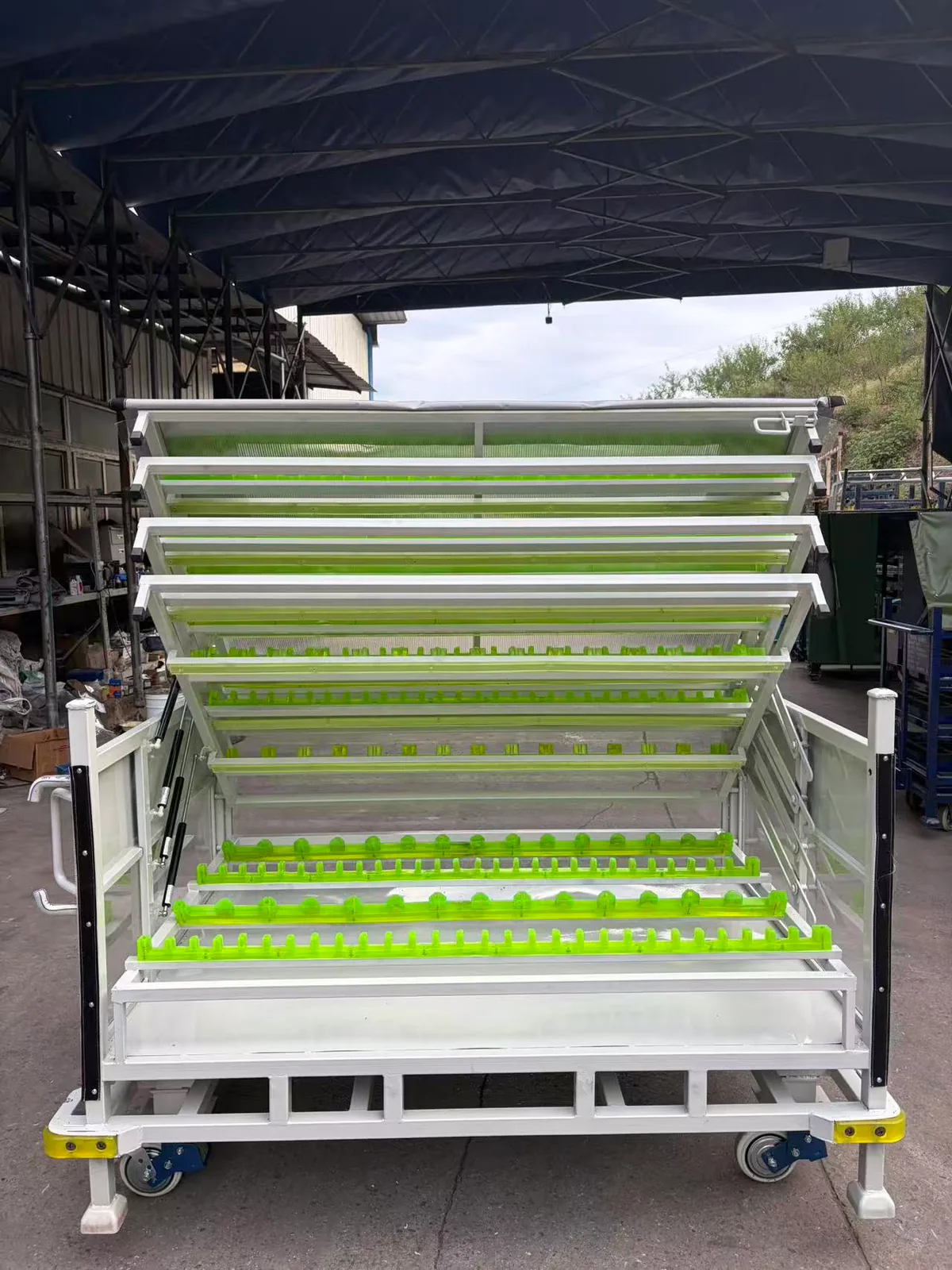
Real HAOFU build: tilting tiers, green contact locators and a wheeled steel base.
Covered Tilting Locator Parts Trolley
Need protected part positions without asking an operator to reach through every tier? This photographed trolley combines tilting levels, green shaped locators, casters and a fitted cover. HAOFU builds the tray layout around your part, the way it is loaded and the route it takes.

HAOFU Engineering Team
Reviewed 2026-09-18
For a custom tilting parts trolley quote, send the part drawing, approved contact zones, parts per level, loading side, operator reach and in-plant route. The cover and tray-opening sequence should work together—not hide the position the operator needs next.
At a Glance
- Built example
- White wheeled trolley with assisted tilting levels, green locators and fitted cover
- Position layout
- Part-specific locator and tray geometry
- Movement
- Caster and base selection from plant route
- Quote basis
- Part data, contact map, tray sequence, route and quantity
Actual built configuration
Product Gallery
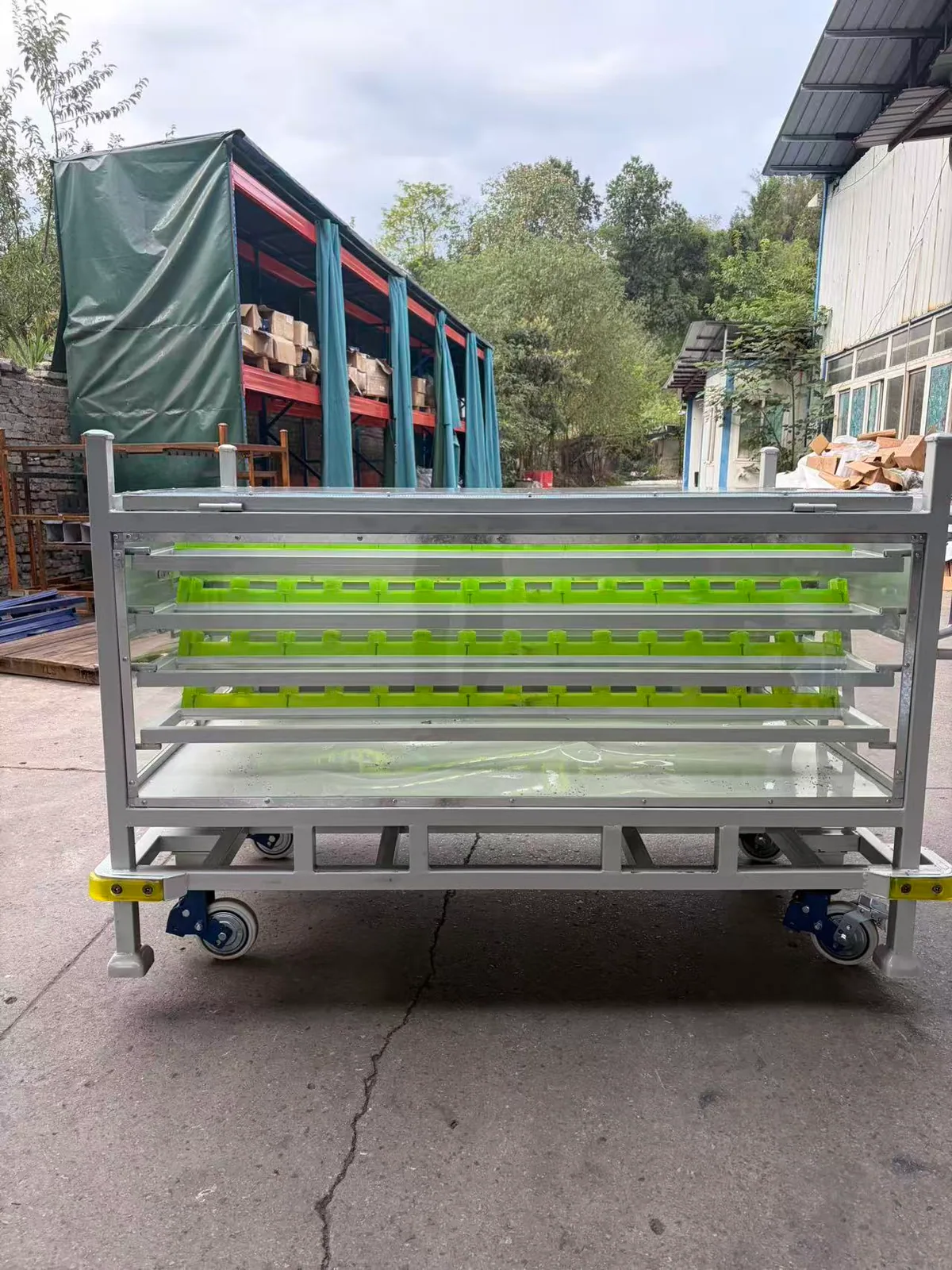
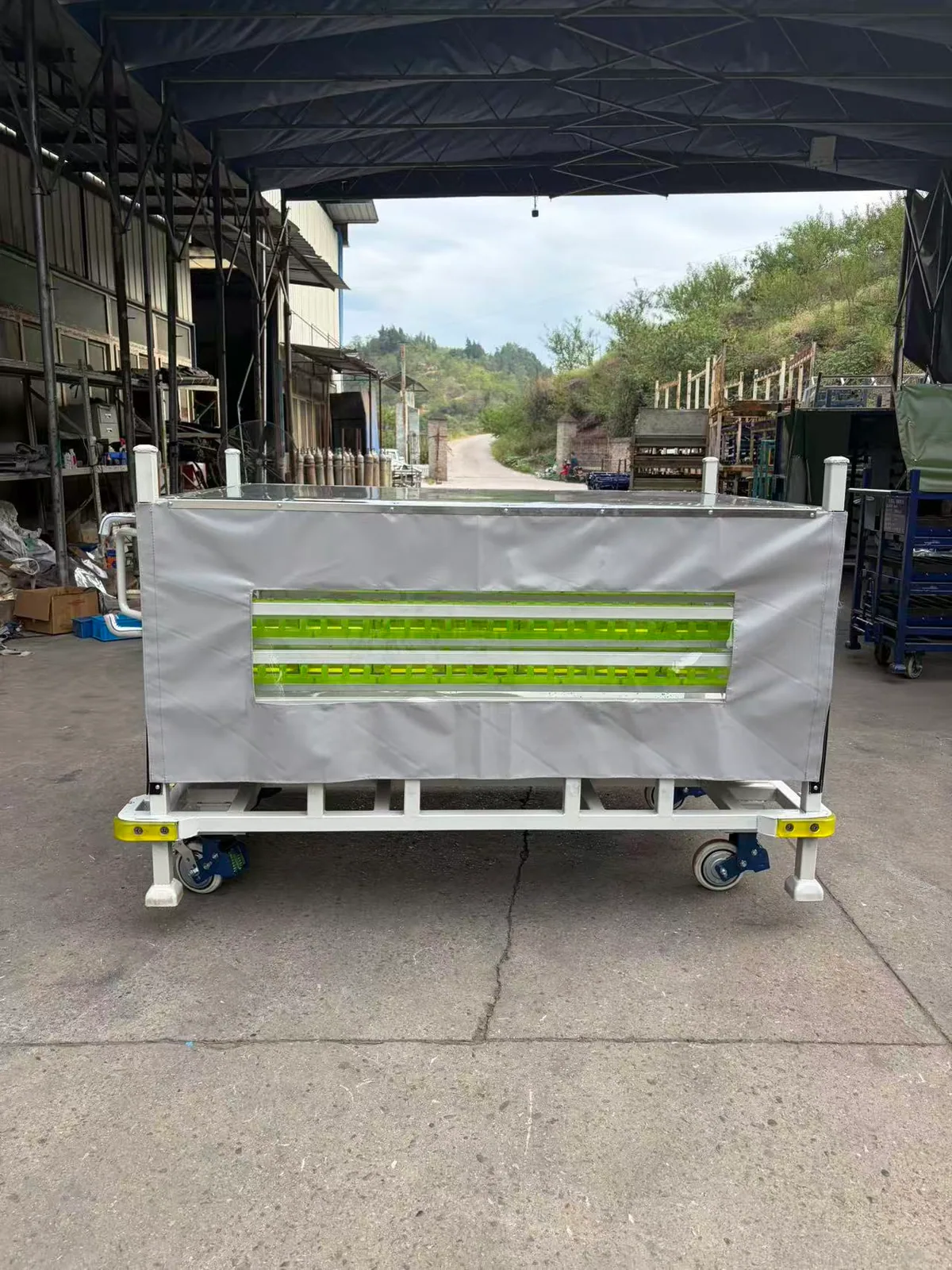
Open and covered views show how access and part presentation can be combined in one returnable trolley.
Description
A covered tilting locator parts trolley brings several part positions to one wheeled carrier while letting the operator open a tier for loading. In the photographed HAOFU build, shaped green locators sit on white tilting trays, and a fitted cover closes over the rack. It is a useful starting point for buyers who need both line-side access and protected movement between workstations. HAOFU can quote a custom trolley from your component drawing, permitted contact surfaces, loading sequence and handling route.
Make every tray reachable
Start with the part in the operator's hands. Which face can touch a locator? Does the next tray open without catching the part below it? Is there room for hands at the first and last positions? The tray order, opening angle and locator pitch should be set together. The assisted motion shown in the photos is a design feature to discuss—not a substitute for checking the loaded tray and operator process.
Choose this layout for the right job
| Buyer situation | Configuration to discuss |
|---|---|
| Several parts must be picked in a defined order | Tilting levels with each required position visible during its loading step |
| Contact is permitted only on small areas | Part-shaped locators placed from marked-up contact zones |
| The trolley moves through a shared plant route | Caster, brake, base and cover arrangement matched to that route |
| Parts need an enclosed journey | Cover access and viewing window planned around the actual loading face |
What to send for a custom trolley quote
- Part CAD, drawing or clear photos, with mass and any variants.
- Contact points that are allowed and surfaces that must stay clear.
- Target parts per trolley, preferred pick order and loading side.
- Operator reach limits, aisle width, floor and movement method.
- Cover requirement, destination, required quantity and approval timetable.
Compare the simpler fixed-level locator trolley if the trays do not need to tilt, or the gas-strut tilting tray rack for a larger channel-dunnage format. Browse the full custom material-handling trolley range. Ready to source? Send HAOFU your drawing for a design review and quotation.
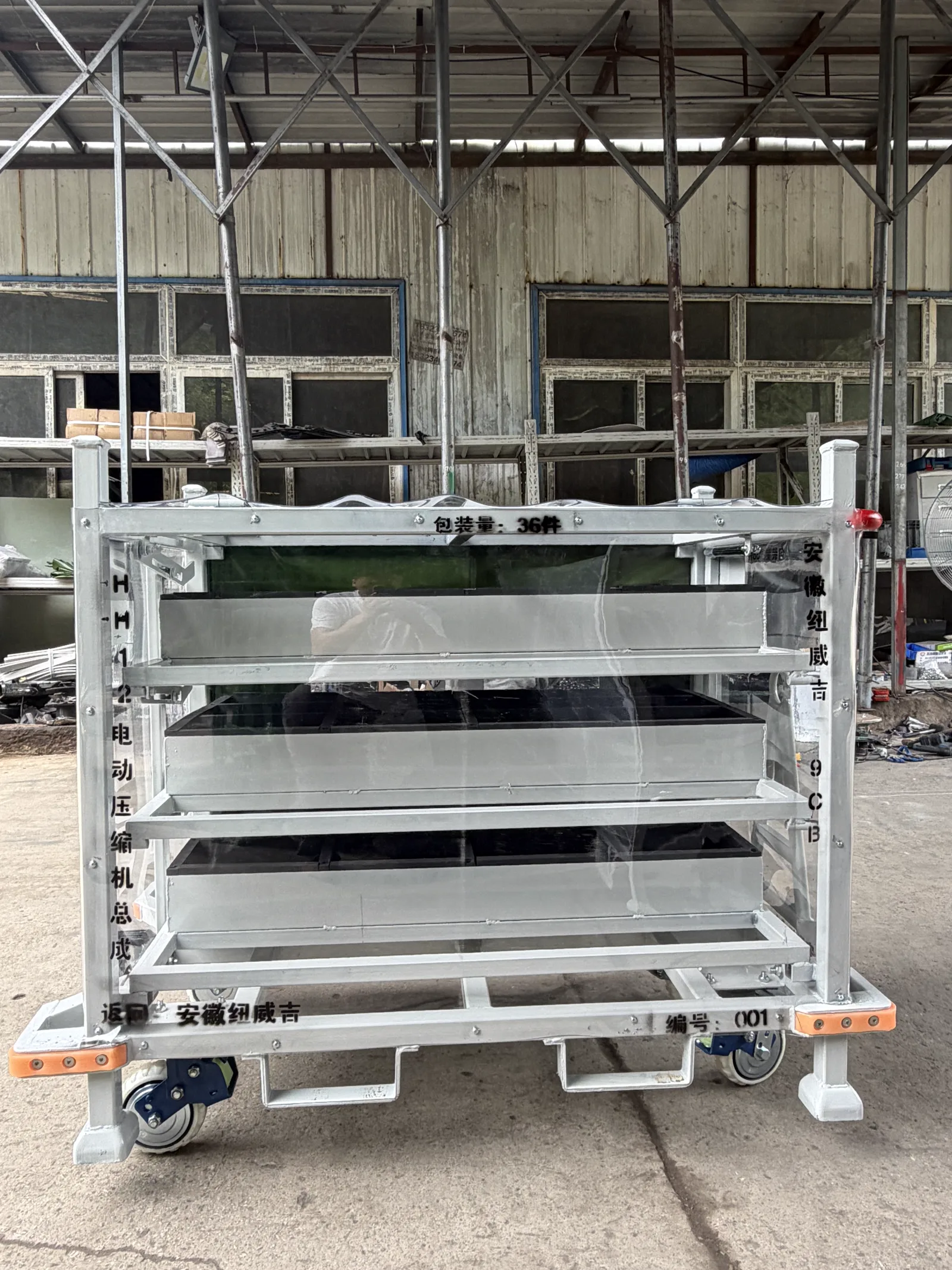
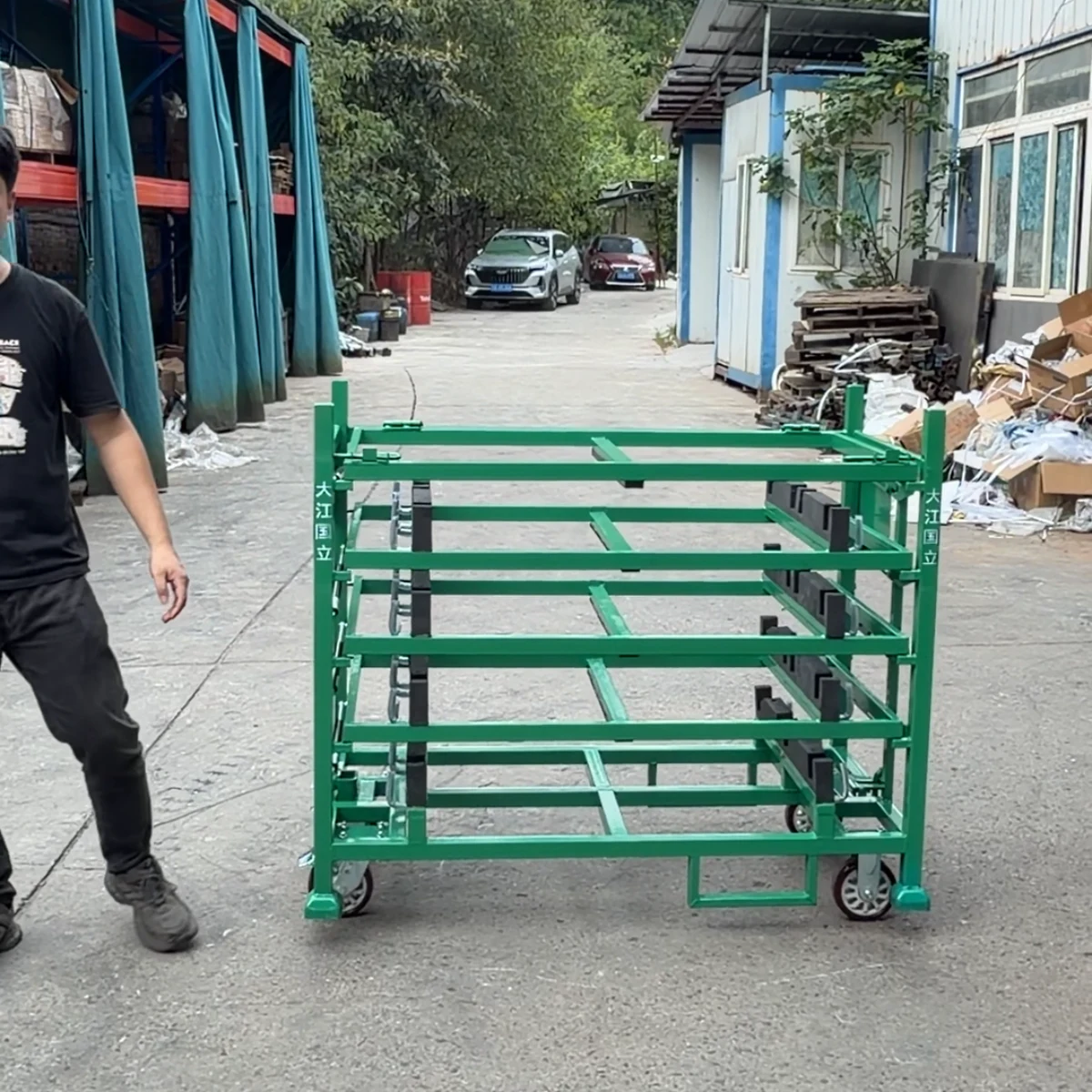
Guides & Resources
Learn more about choosing and using covered tilting locator parts trolley.
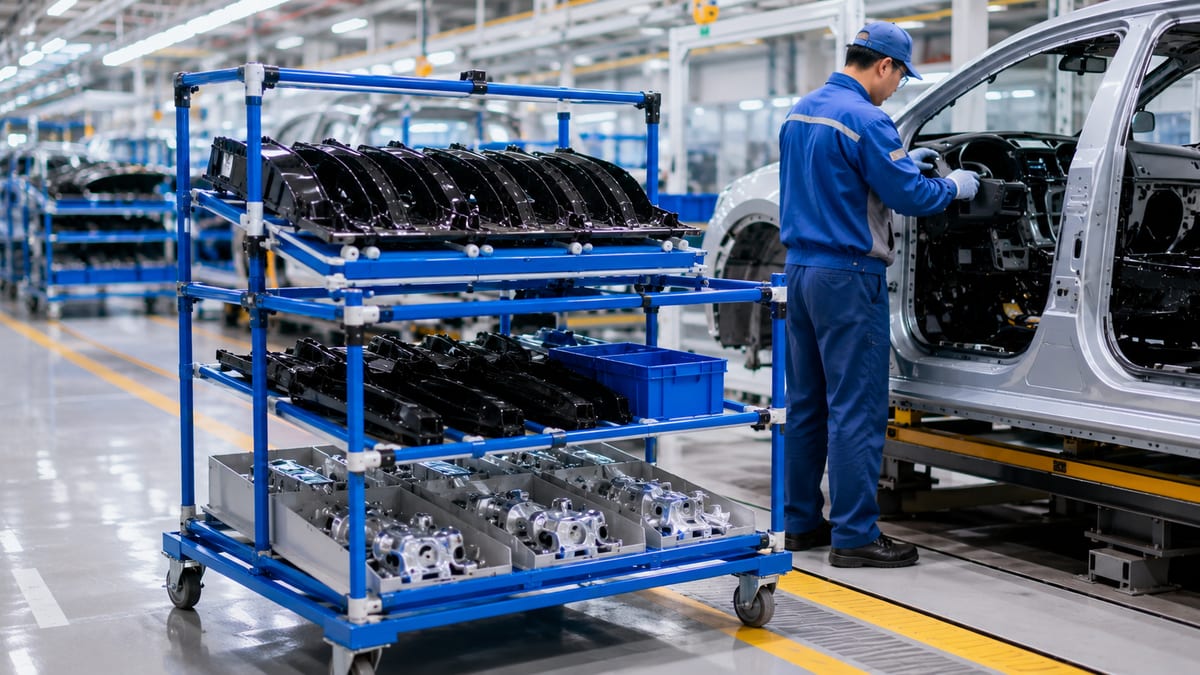
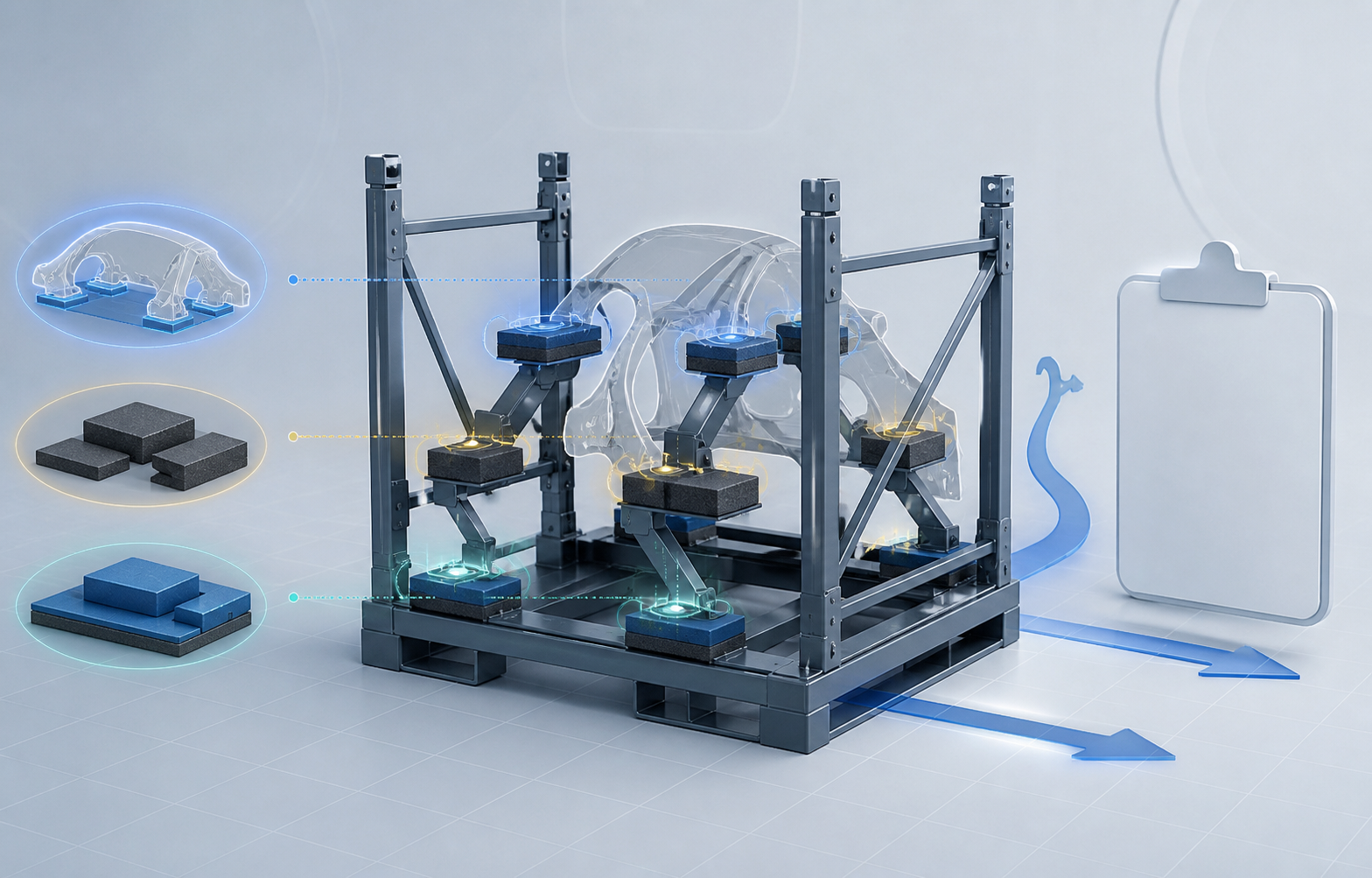
Applications, Engineering & Buyer Tools
Move from product discovery to a project specification, application check and inspection plan.
Covered Tilting Locator Parts Trolley — Frequently Asked Questions
How is this different from a fixed-level parts trolley?+
The photographed levels tilt open to expose the part positions. A fixed-level trolley may be simpler when each position is already easy to reach.
Can the green locators match our part?+
Yes. Send CAD or a sample and mark the surfaces allowed to touch the support. Geometry and material are confirmed in the project design.
Can the cover and opening side be changed?+
They can be specified around your loading side, inspection need and route. Share operator access and aisle details in the RFQ.
What information is needed for a price?+
Part geometry and mass, positions per trolley, loading order, contact zones, movement route, destination and expected trolley quantity.
Ready to Improve Your Material Handling?
Tell us your requirements and our engineers will contact you within 24 hours.
Contact Us Now