
RFID-Ready Returnable Racks: What to Specify Before You Buy
1) Define the asset identity and data owner before choosing a tag. 2) Specify tag location, reader zone and the loaded/empty states separately. 3) Keep a barcode or visual ID as an agreed fallback where required. 4) Validate the complete rack, tag, reader and workflow with representative equipment; an RFID-ready frame is not a guaranteed RFID system.
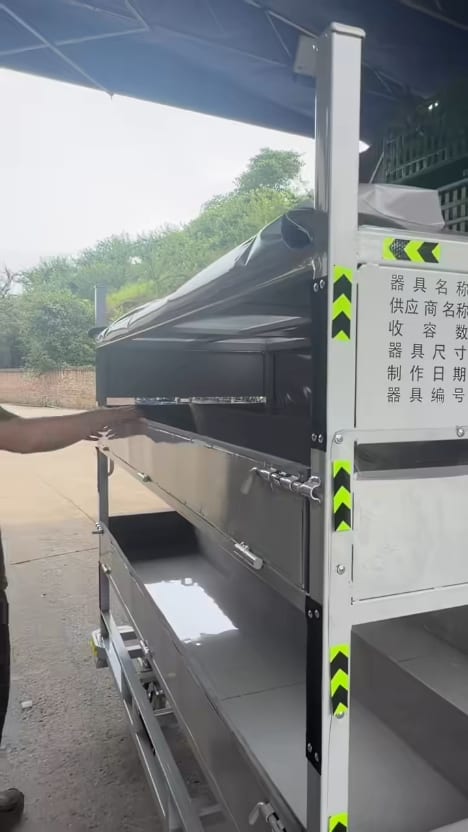
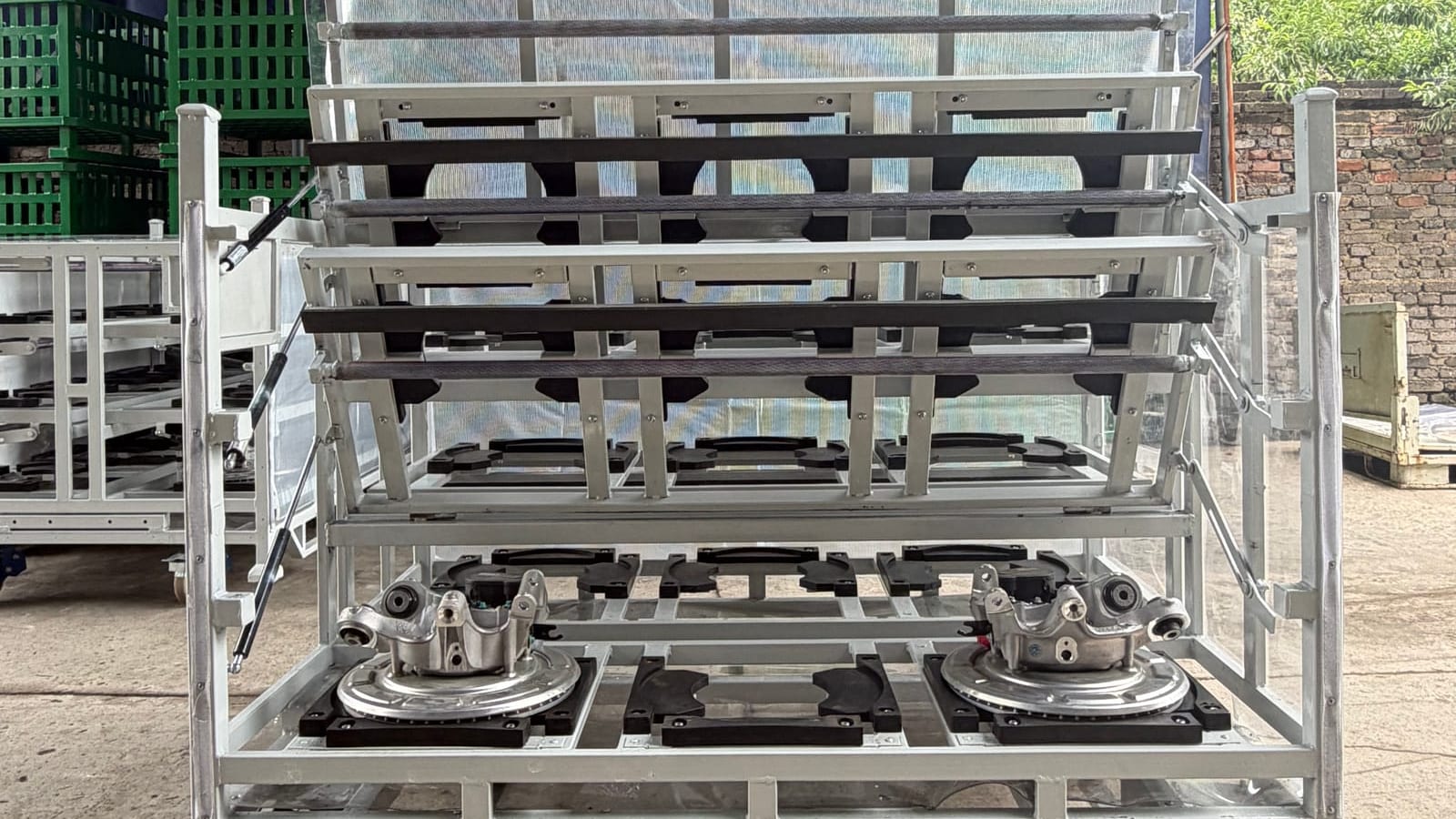
Direct answer: An RFID ready returnable rack is not defined by adding a tag to a steel frame. Before you buy, specify the asset identity, tag data, mounting zone, reader and antenna locations, loaded and empty states, hand-off events, fallback identification, data ownership and validation method. The rack manufacturer can reserve a protected tag interface and clear the reading area, but the complete RFID result must be verified with the actual rack, load, reader and route.
This guide is for logistics engineers, supply-chain engineers and returnable-packaging project owners who are deciding whether RFID should be part of a rack specification. GS1 identifies GRAI as a key suited to reusable transport items, while Odette's automotive RTI work highlights the need for compatible identification and data practices across company boundaries. Those sources inform the checklist below; they do not turn a HAOFU rack into a certified RFID product.
What “RFID-ready” should mean in a rack RFQ
Use “RFID-ready” as a project interface term, not as a performance promise. It should describe the physical and information provisions that allow an agreed tag and reader system to be installed, protected, identified and tested. The RFQ should say who supplies the tag, who owns the master asset record, which events are captured and what evidence is required for approval.
| Specification area | Questions for the buyer | Output to approve |
|---|---|---|
| Asset identity | Is the rack tracked by type, individual serial, or both? Is GRAI or another controlled ID system required? | Identifier format, human-readable ID and data owner |
| Tag interface | Where can the tag be mounted without being blocked, removed or damaged? | Marked tag zone, fixing method and replacement rule |
| Read zone | Where will the rack pass a reader, and what orientations or load conditions are expected? | Reader/antenna layout and representative test route |
| Event model | Which events matter: dispatch, receipt, line-side issue, repair, empty return or retirement? | Event list, timestamp owner and exception process |
| Fallback ID | What happens if the RFID read is unavailable or a tag needs replacement? | Barcode/2D/visual ID rule and manual recovery step |
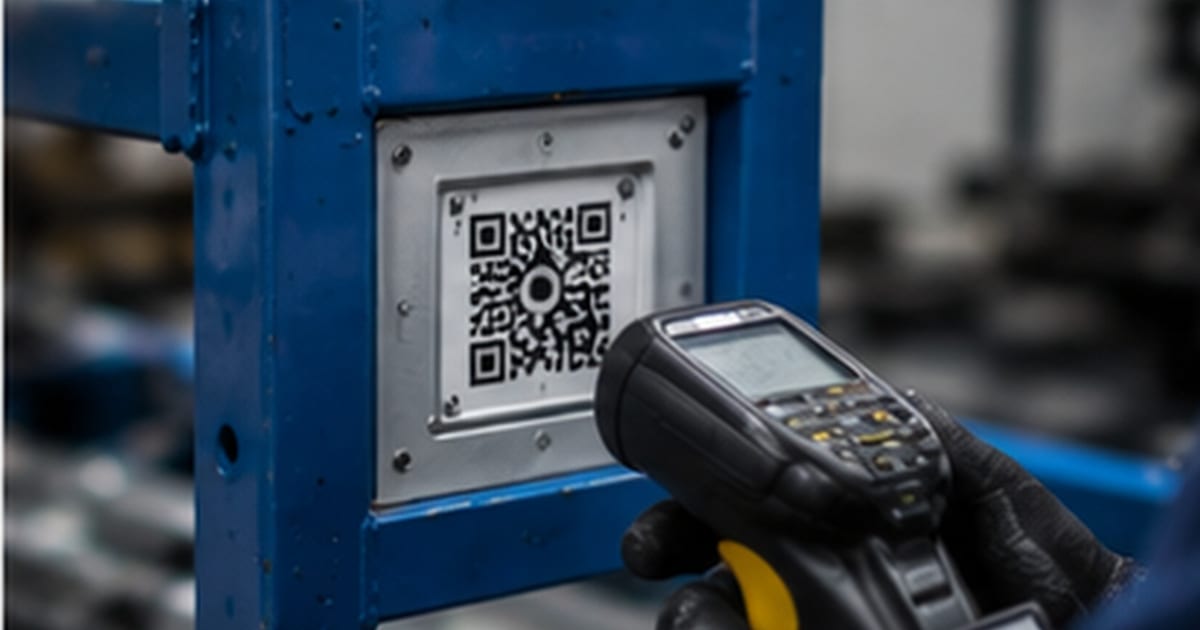
RFID rack tag placement: the physical interface
Tag placement is a design decision shared by the rack engineer and the RFID system owner. Mark the location on the rack drawing and review access, impact, cleaning, fork entry, stacking, nesting, labels and the presence of steel around the tag. Do not copy a tag position from another rack simply because the frame looks similar.
For a returnable rack, the tag should remain associated with the asset rather than with the parts inside it. GS1 distinguishes returnable transport assets from their contents, and its GRAI guidance allows an asset to be identified by type and, where needed, individually for tracking and sorting. The final encoding, carrier and tag construction remain the buyer's system decision.
- Show the tag zone on the approved rack drawing and protect it from normal contact and handling.
- Keep the human-readable asset ID visible when the rack is loaded, stacked or staged for return.
- Record whether the tag is replaceable, and define how a replacement is linked to the same asset record.
- Check whether dividers, covers, panels, parts or nested racks can block the intended read orientation.
Reader zones and loaded versus empty states
An RFID rack may pass several reading points: dispatch, receiving, line-side issue, empty collection, repair and redeployment. The specification should describe the route and the required event at each point instead of promising that one reader will identify every rack in every condition. Loaded and empty racks may present different tag orientations, shielding and spacing.
Use a small validation matrix for each gate or handheld process. Record the rack revision, tag type, reader/antenna arrangement, load condition, travel direction, nearby steel or other assets, expected event and disposition of a missed or duplicate read. A “read zone” is a defined test condition, not a universal distance or success rate.
RFID-ready rack versus barcode-only identification
| Question | RFID provision | Barcode or 2D provision | Decision note |
|---|---|---|---|
| How is the asset captured? | Reader/antenna event under an agreed read condition | Operator or device scans the visible code | Both need a stable asset identity and event owner. |
| What must the rack drawing show? | Tag zone, protection and reader approach | Code plate, visibility and scan access | Reserve the interface before fabrication. |
| What happens at an exception? | Missed, duplicate or unexpected read is reconciled | Unreadable or hidden code is rescanned or manually entered | Define the fallback before launch. |
| What does the system prove? | An event associated with the tag was captured under the tested condition | An operator or device recorded the visible code | Neither proves custody or condition without a process record. |
RFID-ready returnable rack specification workflow
- Define the asset. Decide whether the programme needs type-level identification, individual rack serialisation or both, and assign the master-data owner.
- Map the physical interface. Mark the tag zone, human-readable ID, protection, access and replacement method on the rack drawing.
- Map the route and events. List dispatch, receipt, line-side, empty return, repair and retirement events with the responsible location or system.
- Test representative states. Use the real rack revision, tag, parts, reader arrangement and loaded/empty route; record misses, duplicates and exceptions.
- Approve the evidence file. Keep the final drawing, ID list, tag record, test conditions and exception workflow with the quotation and release documentation.
Common mistakes before buying an RFID-ready rack
- Specifying “RFID compatible” without naming the asset identity, tag supplier or event owner.
- Putting the tag where a fork, panel, cover, divider or nested rack can hide or damage it.
- Testing an empty rack and assuming the same result applies when parts are loaded.
- Tracking a rack type but not an individual asset when the business problem is loss or custody.
- Removing the barcode or visual ID before the RFID exception process has been approved.
- Writing a reader distance or read-rate target without defining the actual equipment and test condition.
What to send for an RFID-ready rack quotation
Send the current rack or part drawing, rack quantity, asset-ID convention, tag preference, expected tag location, reader or gate description, loaded and empty route, hand-off events, fallback ID, repair and retirement workflow, destination sites and sample-approval evidence. HAOFU can review the rack structure and reserve an identification interface through the custom rack customization page; the RFID integrator or system owner must confirm the final hardware and read validation.
For the asset-control problem behind this specification, read how returnable packaging loss and rack shrinkage are investigated. For commercial ownership and evidence responsibilities, see returnable rack ownership and contract controls. If the physical carrier is still being selected, compare returnable packaging racks for automotive parts.
Technical references
- GS1 Global Returnable Asset Identifier (GRAI)
- GS1 RFID/Barcode Interoperability Guideline
- Odette Track & Trace resources for RTI identification
- SAP Returnable Packaging Management integration guide
Next step: send your rack drawing, asset-ID rules and route through HAOFU customization for a project-level review.