
Tugger Cart Turning Radius and Route Planning
Tugger cart turning clearance depends on the complete train: tugger wheelbase and hitch, cart dimensions, drawbars and couplings, cart count, load overhang, steering design and whether the train is loaded or empty. Draw the full swept path through the tightest corners, doors, crossings and line-side stops, then trial the intended train before finalizing the route or trolley design.
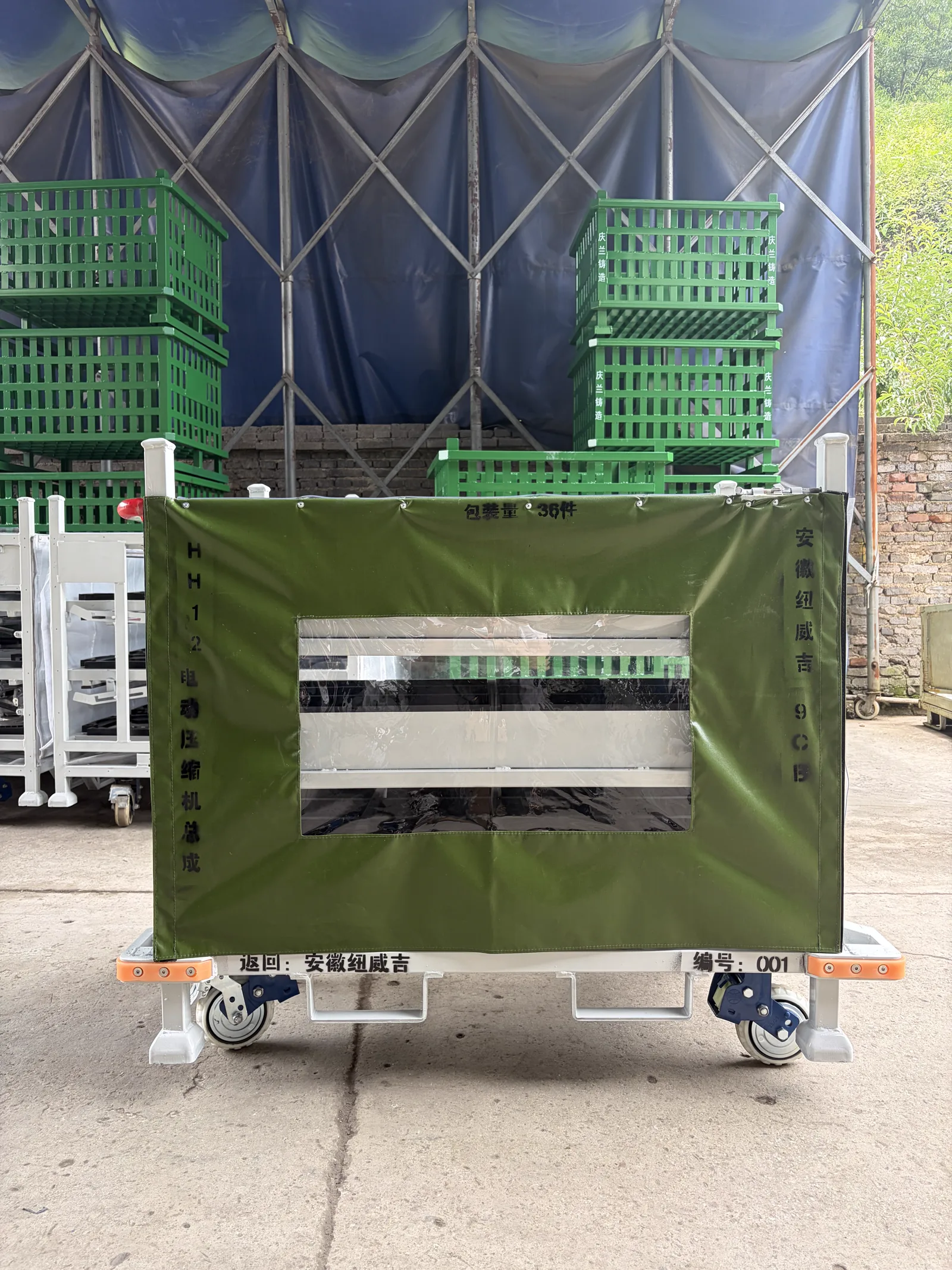
Tugger cart turning radius cannot be selected from the cart width alone. The complete swept path depends on the tugger wheelbase and hitch, drawbars and coupling spacing, cart count, steering or tracking design, load overhang and the order of carts in the train. Model both loaded and empty states because removable racks, covers or parts can change the outline.
Map the route before finalizing the trolley. Include the tightest 90-degree and 180-degree turns, doors, aisle intersections, pedestrian crossings, staging positions and line-side stops. Plot the inside cut-in and outside tail swing of every vehicle in the train, then allow operating clearance appropriate to the site.
What determines a tugger train's swept path?
| Input | Information to provide | Route effect |
|---|---|---|
| Tugger | Wheelbase, width, steering, hitch position and attachment. | Starts the path followed by the train. |
| Carts | Length, width, wheel layout, drawbar and hitch positions. | Changes cut-in and tail swing. |
| Train | Cart count, order, coupling gaps and maximum train length. | Defines the complete moving envelope. |
| Load | Overhang, height, weight distribution and loaded/empty state. | Can extend the physical envelope. |
| Route | Corner angles, aisle width, doors, slopes, crossings and stops. | Identifies the tightest constraints. |
Why one turning-radius number is not enough
The tugger follows one path, while each coupled cart follows a slightly different path. On a turn, the inside side of the train can cut toward the corner and the outside rear can swing outward. Multiple steering systems can behave differently even when cart dimensions match. Use supplier geometry or a simulation for planning, then confirm the intended train on the actual route.
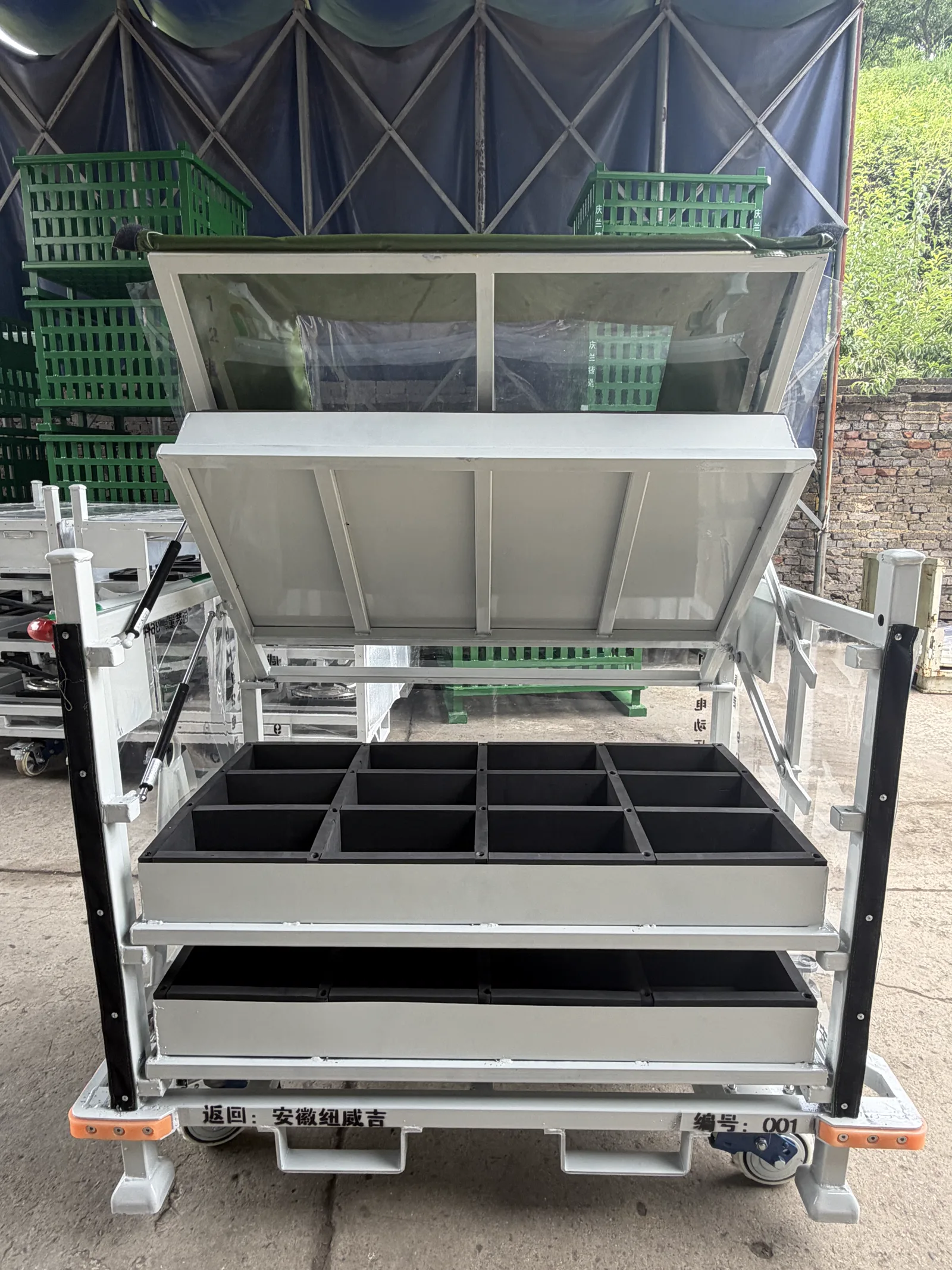
Five steps to plan a tugger cart route
- Define the complete train. List tugger, attachments, cart order, coupling gaps and loaded dimensions.
- Draw the current route. Measure aisles, turns, doors, crossings, slopes, staging areas and stops.
- Plot the swept path. Include inside cut-in, outside swing and load overhang for loaded and empty states.
- Review site interactions. Consider pedestrians, other vehicles, doors, racks and line-side work areas.
- Run a route trial. Test the intended train and normal operating sequence before launch.
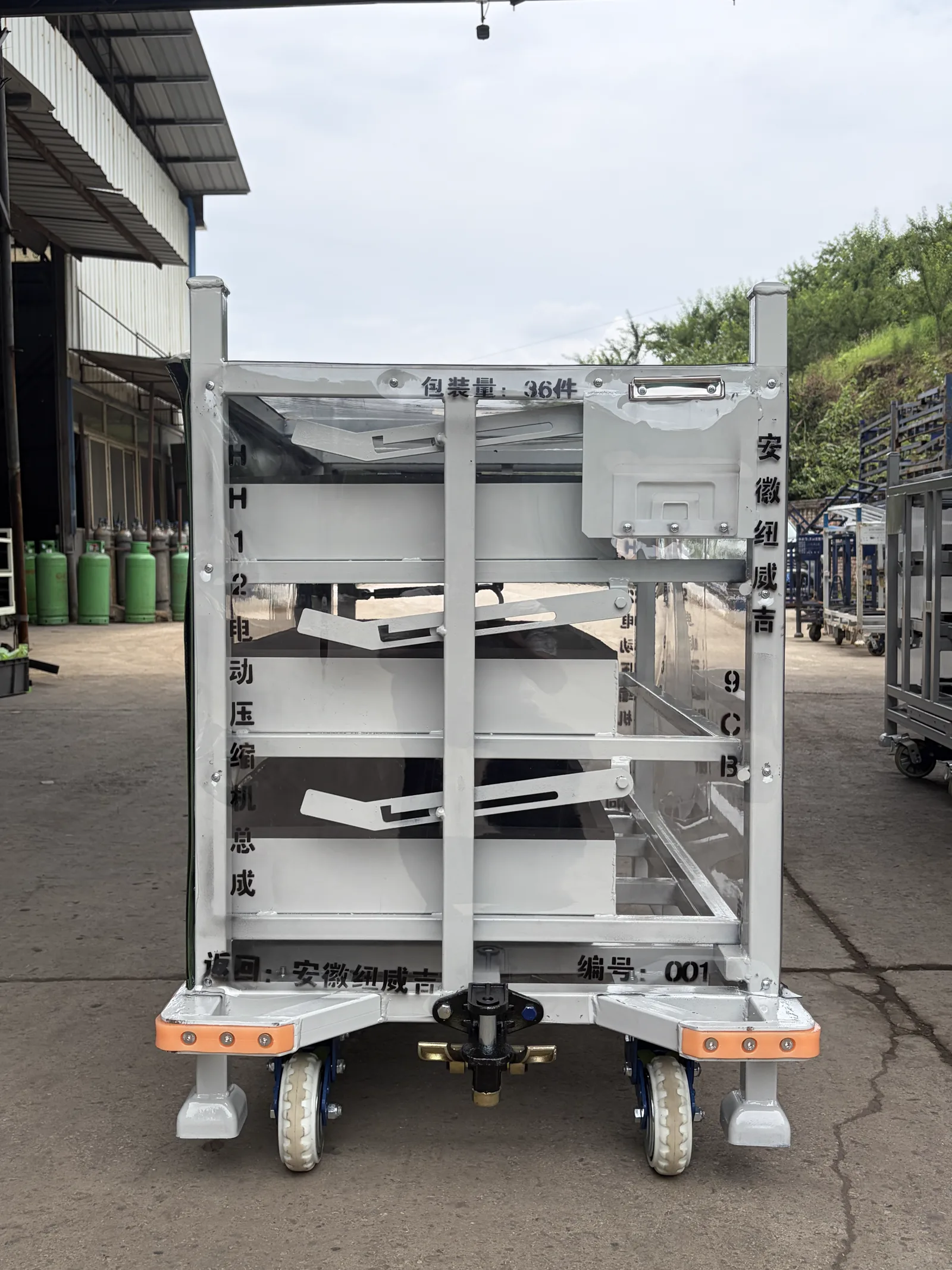
Related tugger train equipment
Read the tugger train and mother-daughter cart guide, view tow hitch systems, or browse custom material handling trolleys.
Request a custom tugger cart quote
Send the tugger and hitch data, cart count and order, loaded and empty dimensions, load weight, route drawing, tightest corners and required quantity through the trolley RFQ form.