
Engine Transport Rack Repair and Refurbishment
A repair and refurbishment sequence for existing engine transport racks, including structural welding, grinding, surface preparation and powder coating.
By HAOFU Engineering Team · Updated 2026-08-10
The video shows existing engine transport racks being repaired and refurbished through welding, grinding, surface preparation and powder coating so the customer can evaluate reuse before replacing the fleet.
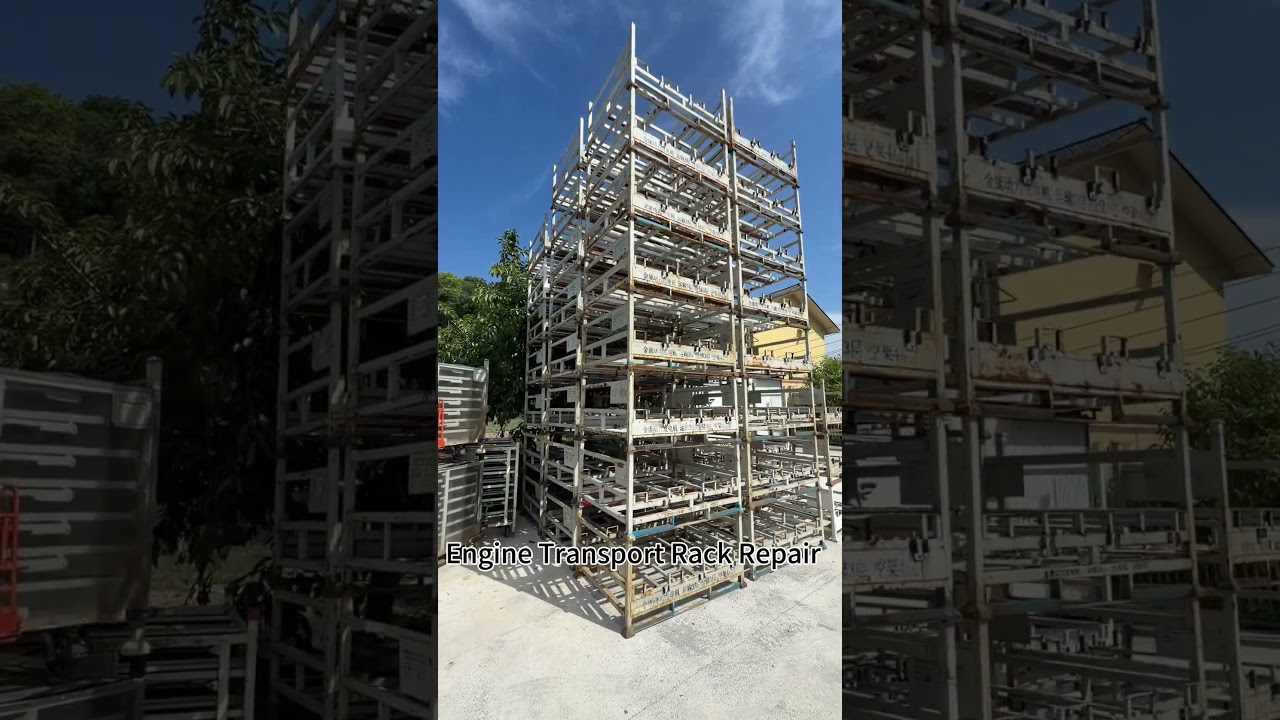
Direct answer: the engine transport rack repair project shown in the video restores existing racks instead of automatically replacing them. The described sequence is structural welding repair, precision grinding, surface preparation and powder coating, followed by a review of whether the racks are ready for further production cycles.
Repair scope shown in the video
The customer's stated objective was to reduce cost by repairing existing engine transport racks. That is a project-specific choice, not a universal promise that repair is always better. The responsible route is to inspect the frame and interfaces first, then define the repair, finishing and release evidence.
| Stage | Purpose | Release question |
|---|---|---|
| Structural welding | Restore identified frame or joint damage | Does the repaired structure match the approved repair scope? |
| Precision grinding | Remove rough or excess material after repair | Are interfaces and contact areas ready for finishing? |
| Surface preparation | Prepare the rack for the specified finish | Was the agreed preparation method completed? |
| Powder coating | Refinish the repaired rack | Does the finish meet the project requirement? |
Repair, refurbishment and replacement are different decisions
Repair addresses a defined defect. Refurbishment may combine structural work, finishing and replacement of selected components. Replacement creates a new rack. Morrison's returnable-packaging guidance describes modification and repair as part of ongoing fleet management, while Matcon's refurbishment process separates inspection, redesign, fabrication, finishing and delivery. Use those as process references, not as a universal acceptance standard.
Common mistakes in rack repair projects
- Quoting from one damaged sample without mapping the whole fleet.
- Painting over damage before the structural scope is agreed.
- Failing to record rack IDs, revisions and repaired components.
- Returning a rack to service without agreeing release evidence.
For new or repaired applications, review HAOFU automotive parts racks, compare the engine-handling guide, and use the inspection checklist when defining evidence. Send photos through customization or watch the engine rack repair Short.
الأسئلة الشائعة
- Does every damaged engine rack need replacement?
- No. The video illustrates a repair-first project, but the correct decision depends on inspection, the damage type, the revised use and whether the repaired rack can be validated against the buyer's requirements.
- What repair stages are shown?
- The post lists structural welding repair, precision grinding, surface preparation and durable powder coating. Final scope should be set after inspecting the actual rack fleet.
- Can existing racks be refurbished for more production cycles?
- They may be, when the structure and interfaces can be restored and validated. A manufacturer should document what was repaired, replaced, refinished and checked.
- Should the rack be load-tested after repair?
- The buyer's specification and applicable local or customer requirements control the inspection and testing plan. Do not assume a generic test method or pass value; agree the evidence before work starts.
- What information is needed for a rack repair quote?
- Send photos, rack identification, damage locations, quantity, current use, part details, handling method, finish expectations and any customer inspection or release requirements.