
Digital Product Passports and Steel Racks: A Buyer's Readiness Checklist
1) Treat DPP readiness as a data and evidence project, not as a sticker or certificate. 2) Check whether the specific steel product and market are covered by applicable EU rules and delegated acts. 3) Prepare stable product identifiers, material and process records, maintenance and end-of-life information only where the applicable requirement calls for them. 4) Assign data owners, version control and an evidence-review process before asking a rack supplier for a compliance statement.
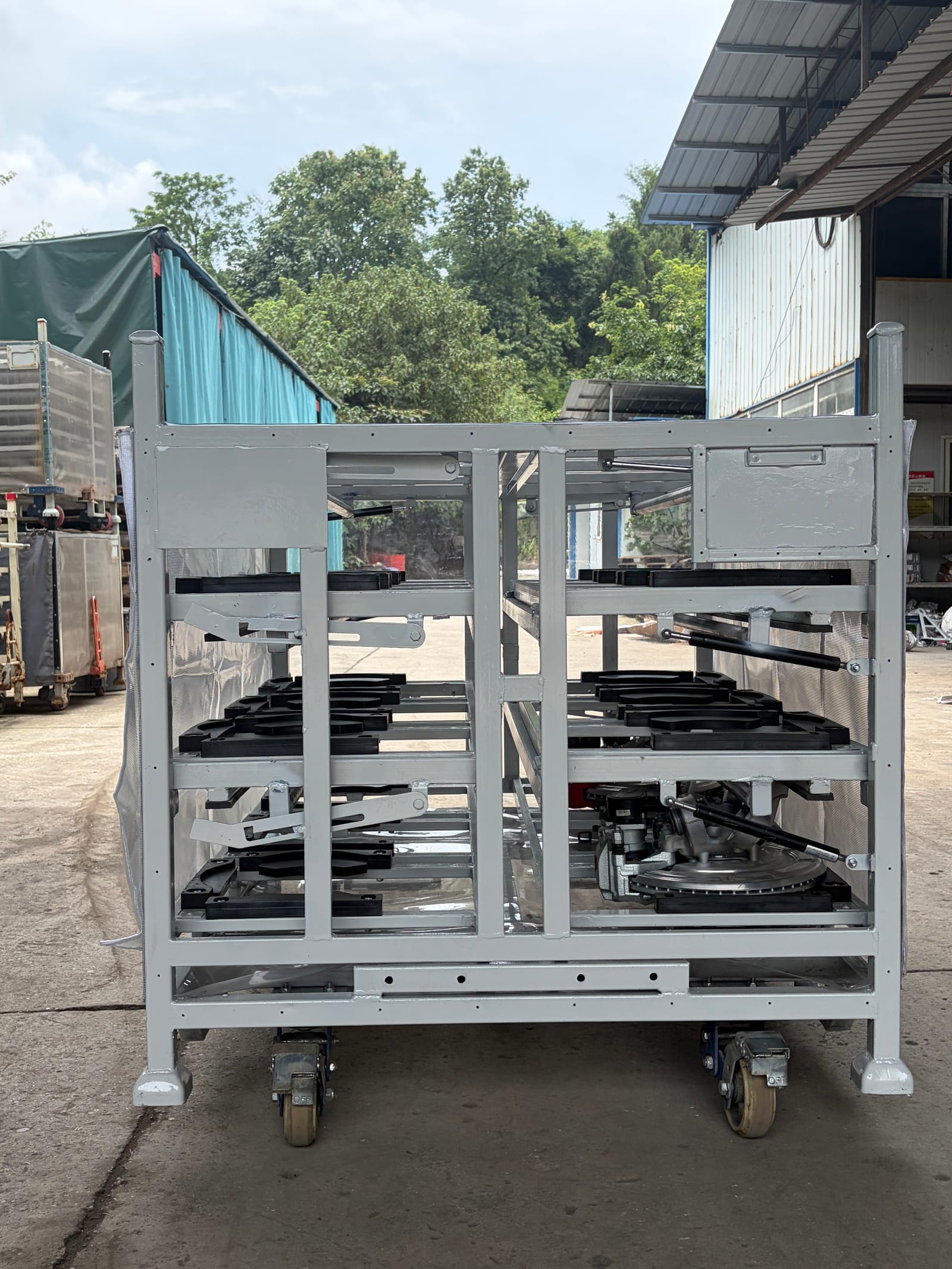
Direct answer: Digital product passport steel racks readiness means preparing the product identity, traceable records, data ownership, version control and supplier evidence that an applicable EU product rule may require. It does not mean every steel rack already needs a DPP, and it is not the same as an ISO certificate or a general sustainability claim. Confirm the product scope and final delegated requirements before making a legal compliance statement.
This checklist is for EU procurement, supply-chain and ESG teams buying custom steel racks or steel logistics equipment. The European Commission currently describes iron and steel as a priority product group under the ESPR DPP work, but its timeline is indicative and the information required for a product depends on the applicable product-specific legislation. The practical question for a buyer today is: can the supplier and internal team locate, explain and update the records behind the product?
What DPP readiness means for steel racks
A Digital Product Passport is a digital identity and information set connected to a product through a data carrier. Regulation (EU) 2024/1781 establishes the framework and says that applicable information requirements are defined through the relevant delegated acts. The Regulation also describes requirements such as a persistent unique product identifier, a product or packaging data carrier and interoperable, machine-readable data where the applicable rules require them.
For a custom steel rack, readiness therefore starts with the engineering and procurement record: which product revision is being supplied, which parts and materials are in scope, who owns each field, what evidence supports it and how a change is approved. A QR code by itself is not a DPP, and a supplier's willingness to share a drawing is not proof that every requested environmental field has been measured.
| Readiness area | What to prepare | What not to assume |
|---|---|---|
| Product identity | Product family, model or project identifier, revision, related components and the owner of the master record. | That a catalogue name or purchase-order number is the persistent identifier required by a future delegated act. |
| Physical data carrier | A controlled place for a data carrier or accompanying documentation, plus label visibility and replacement rules. | That any QR code, barcode or RFID label automatically satisfies the final legal format. |
| Material records | Available material descriptions, supplier documents, heat or batch references where retained, and the boundary of what the supplier can verify. | That a generic steel grade or an unverified recycled-content percentage is enough for every product rule. |
| Use and maintenance | Approved drawings, safe handling assumptions, inspection or repair instructions and revision history where relevant to the product. | That a product photo proves durability, service life or a universal maintenance interval. |
| End-of-life information | Known disassembly, repair, reuse, refurbishment or recycling information that is actually documented for the design. | That a broad “recyclable steel” statement proves a product-specific environmental result. |
ESPR product data: build a field register before a platform
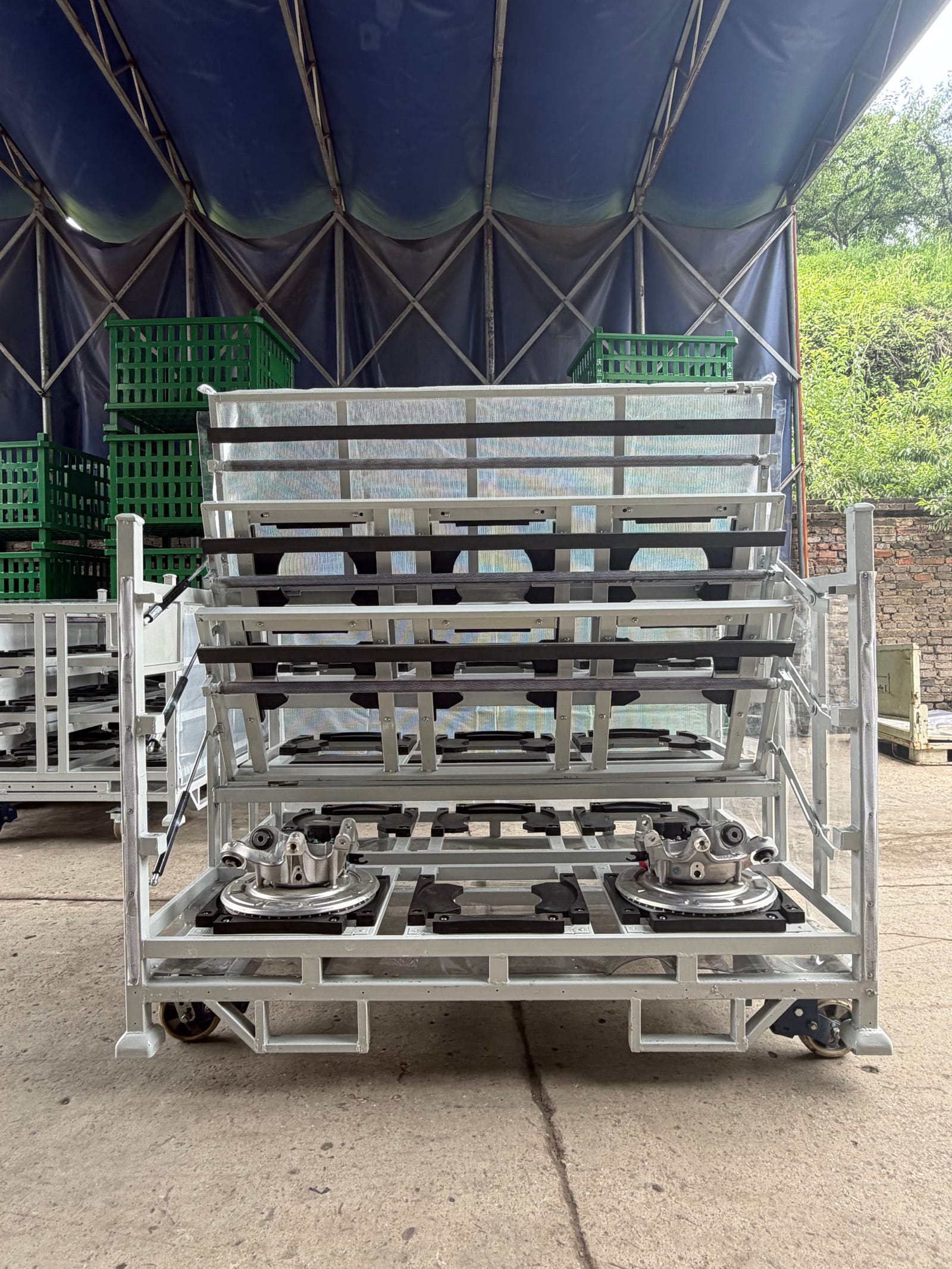
Do not begin with software. Begin with a field register that names the field, definition, unit or permitted value, source document, responsible owner, revision date, confidentiality boundary and approval status. The EU Regulation's Annex III provides a framework of possible data elements, but the product-specific act determines which data apply. A buyer should label fields as confirmed, available on request, not currently measured or not applicable pending scope review.
- Identity: product family, unique item or model reference, revision and related bill-of-materials boundary.
- Composition: material descriptions and supporting supplier records, without turning an unverified declaration into a recycled-content or carbon claim.
- Manufacturing evidence: approved drawings, process or inspection records that the supplier is permitted to share.
- Use phase: installation, handling, inspection and repair information that is actually relevant to the rack design.
- End-of-life: separation, repair, reuse and recycling instructions where the final applicable requirement requests them.
Keep the field register separate from the public product page. Commercially sensitive drawings, customer-specific dunnage and supplier records may need controlled access, while the DPP framework emphasises accessible, structured and interoperable product information. The data owner must decide what can be disclosed and to whom.
Digital product passport steel racks: five readiness steps
- Confirm scope. Identify the product, destination market, economic-operator role and current EU rule. Check the latest Commission and EUR-Lex material; do not treat an indicative priority list as a final product obligation.
- Freeze the product boundary. Define whether the record covers the rack frame, deck, dunnage, label, casters, accessories or a complete delivered system. Link the approved drawing and revision.
- Build the field register. For every requested field, record the definition, source, owner, evidence status, update trigger and permitted disclosure level.
- Assign the identifier and carrier workstream. Decide which party controls the identifier, where the data carrier can be placed, how a replacement is linked and how loaded or stacked use affects access.
- Review and release evidence. Have procurement, engineering and the responsible compliance owner approve the data set, record open gaps and define how revisions, repairs and end-of-life changes are maintained.
Common DPP readiness mistakes in steel-rack sourcing
- Calling a rack “DPP compliant” before the applicable product-specific requirements exist and have been assessed.
- Confusing a material certificate, ISO 9001 certificate, CE marking or inspection record with a Digital Product Passport.
- Collecting a QR code without defining the persistent product identity, data owner or update process.
- Requesting carbon, recycled-content or circularity values without naming the method, boundary, evidence and responsible verifier.
- Mixing a customer-specific rack revision with a generic product family record.
- Publishing supplier or customer information without checking confidentiality, access rights and the applicable EU data rules.
What to send a rack manufacturer for a DPP readiness review
Send the current drawing and revision, product boundary, destination market, required identifier convention, label or data-carrier location, material-document expectations, inspection and maintenance records required, end-of-life questions, confidentiality limits and the person who approves compliance evidence. HAOFU can review the physical rack scope and documentation inputs through the custom rack customization page; the buyer's compliance owner must confirm the applicable EU obligation and final data model.
For the physical design and sourcing input, read the rack specification sheet RFQ checklist. For the adjacent steel pallet automation question, see how to validate steel pallets for AS/RS. The CBAM scope guide is a separate trade-compliance topic, not a substitute for a DPP assessment.
Technical references
- European Commission: Digital Product Passport
- European Commission: DPP information for economic operators
- EUR-Lex: Regulation (EU) 2024/1781 (ESPR)
- European Commission: DPP Registry update
Next step: send the product boundary, drawing revision and required data fields through HAOFU customization for a project-level review.