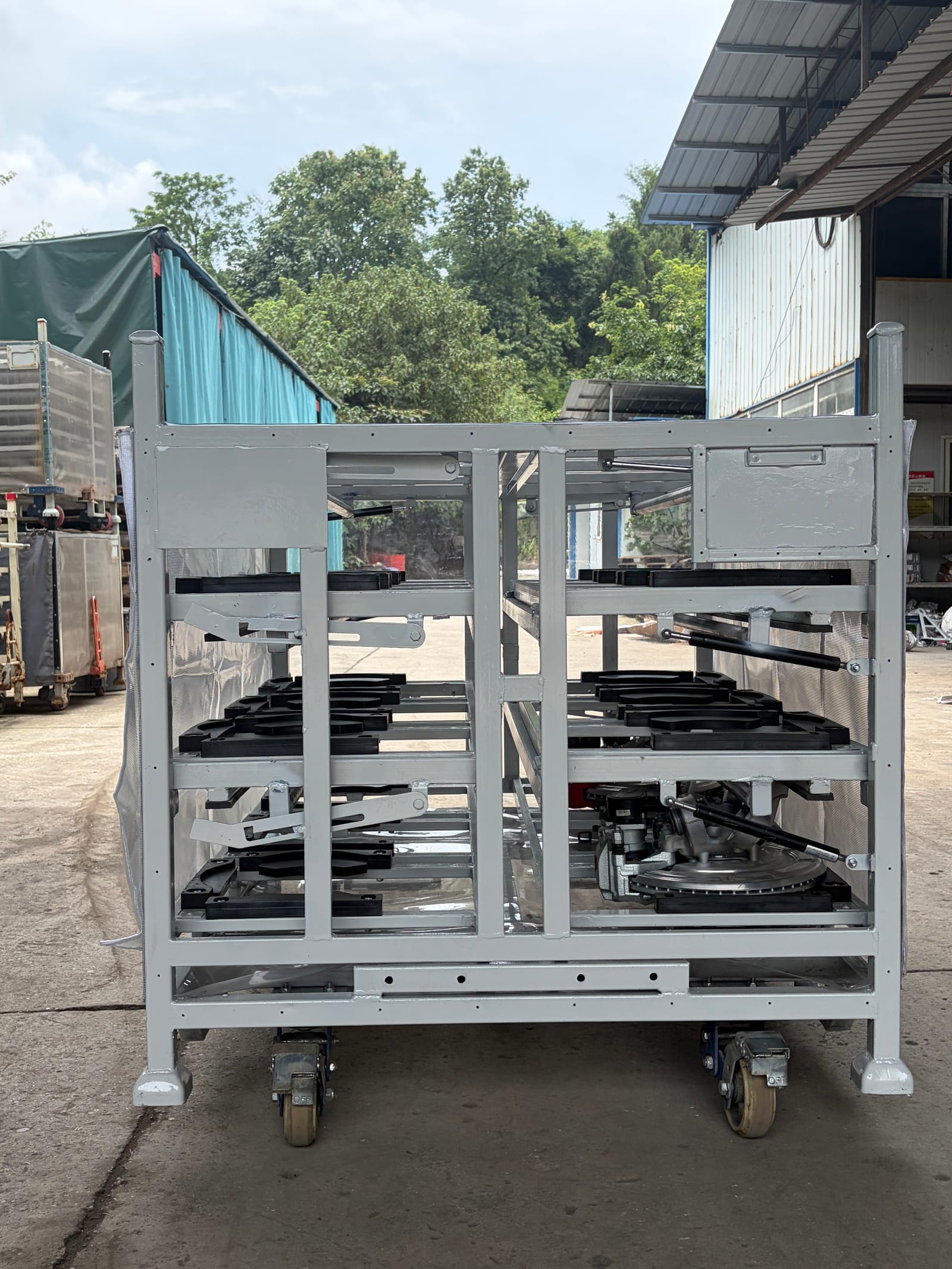
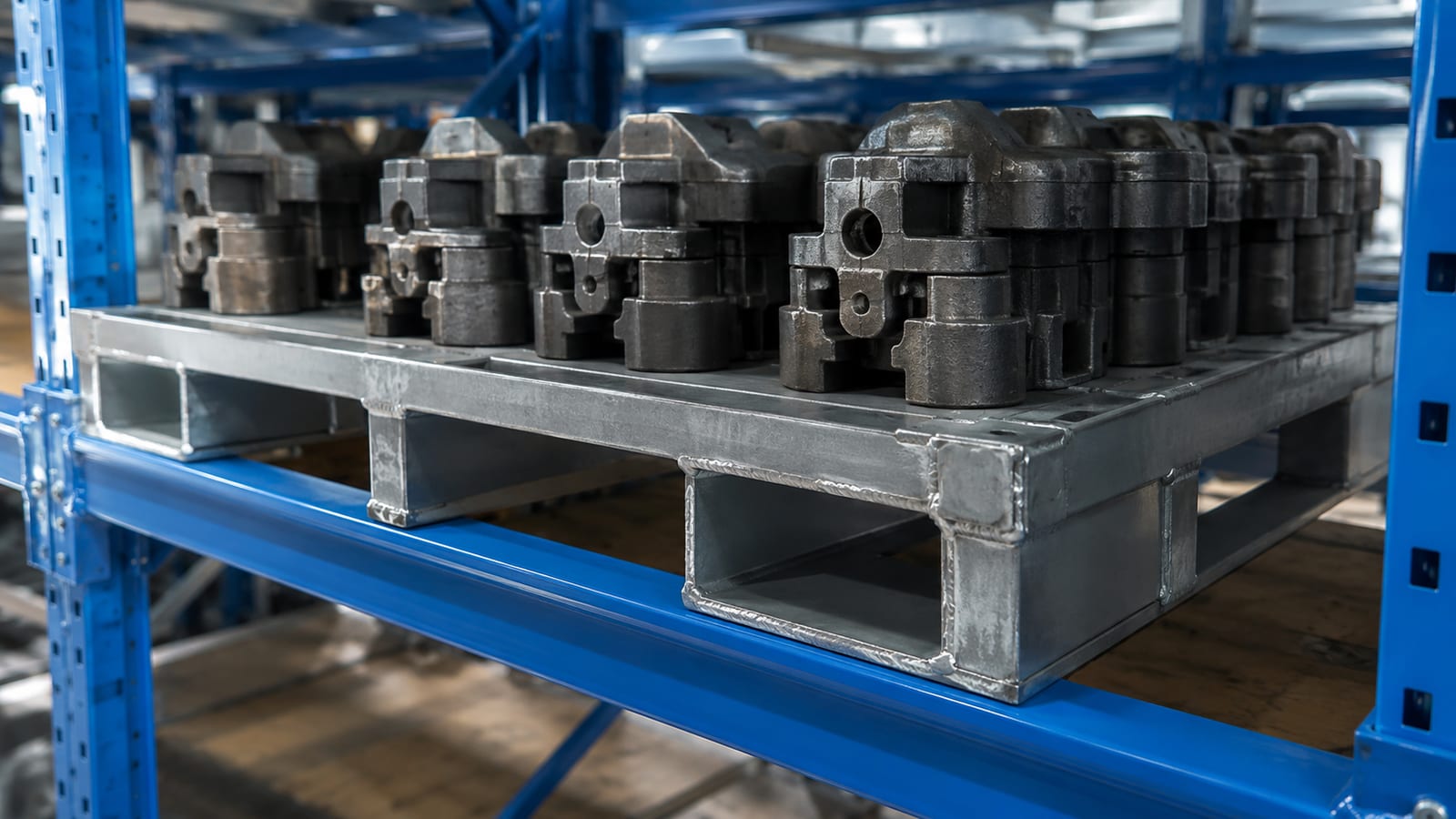
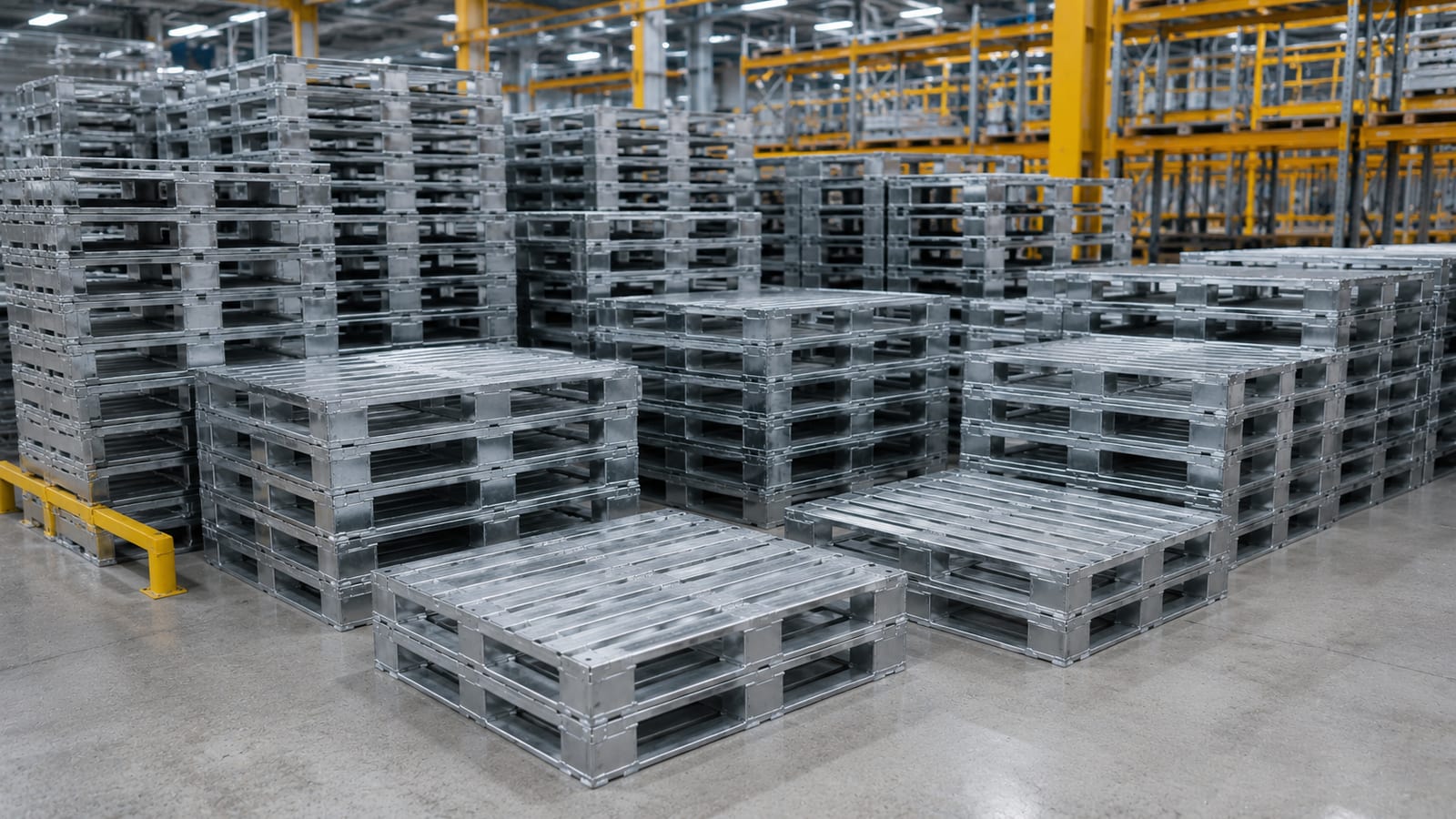
AS/RS-Ready Steel Pallets: Tolerances, Interfaces and Validation

1) AS/RS-ready is a system interface decision, not a universal pallet label. 2) Freeze the automation supplier's envelope, support, entry, sensor and control requirements before setting pallet tolerances. 3) Use ISO pallet standards as references for dimensions and test methods, not as proof of compatibility with a specific machine. 4) Validate a representative pallet, load and route at every relevant hand-off before approving a fleet.
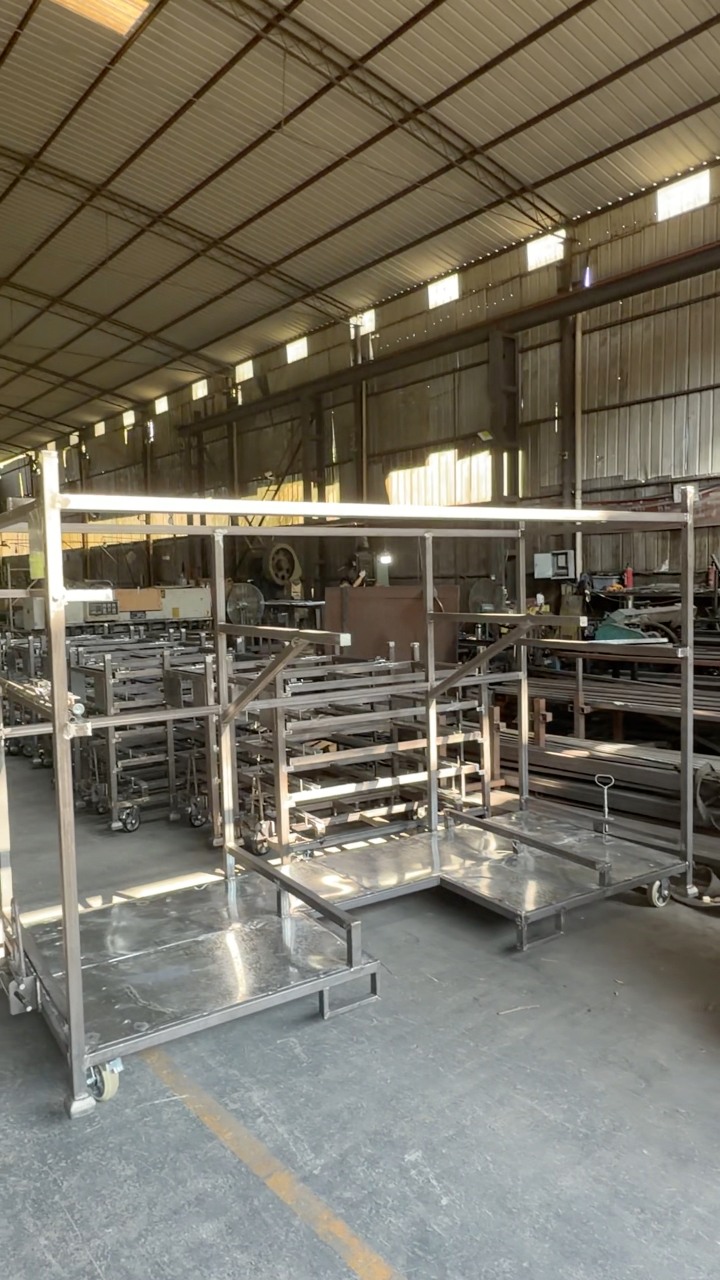
Direct answer: Steel pallets for AS/RS are specified against the complete automation interface: the storage machine or shuttle, rack supports, conveyor, sensors, fork or transfer equipment, load envelope and control process. There is no universal “AS/RS-ready” pallet tolerance that fits every installation. Confirm the system drawings and acceptance criteria first, then validate the actual pallet, load and route under representative conditions.
This guide is for automation engineers, warehouse-system integrators and manufacturing teams selecting a custom steel pallet. MHI describes AS/RS as a combination of equipment and controls that handles, stores and retrieves material; pallet systems may combine storage machines, conveyors, AGVs or shuttles. That is why a pallet drawing must be reviewed with the machine interface rather than approved from a footprint or load figure alone.
What “AS/RS-ready” should mean in a steel-pallet RFQ
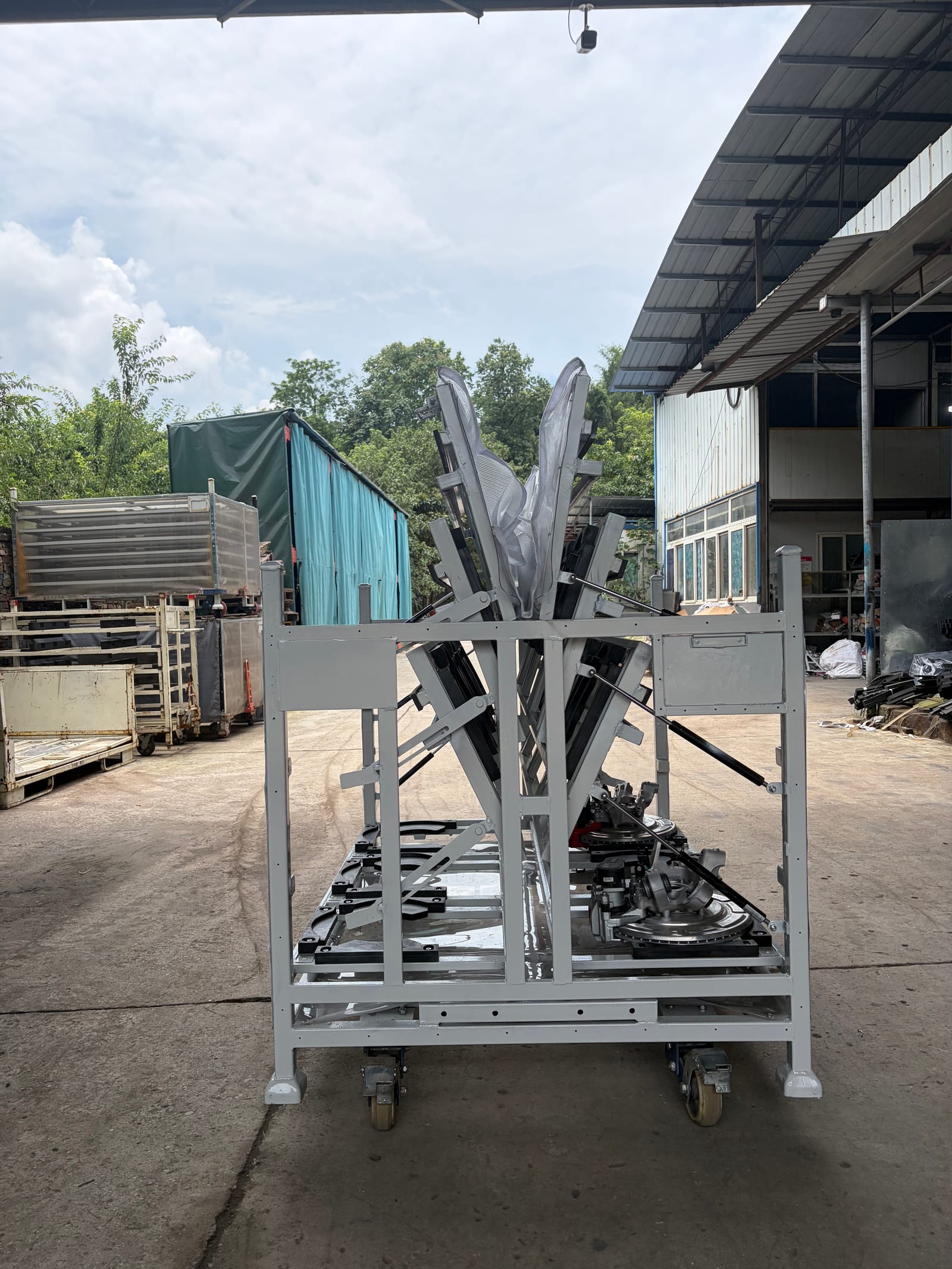
Use “AS/RS-ready” as a controlled project description only after the receiving system is named. The pallet must present the expected bottom geometry, support surfaces, entry points, load position, identification and sensor targets consistently enough for the specified equipment and operating states. The supplier's output should include an agreed drawing, material and finish assumptions, inspection points and a validation plan—not a generic compatibility promise.
| Interface | Input from system owner | Supplier output and evidence |
|---|---|---|
| Overall envelope | Allowed length, width, height, clearance, load overhang and any prohibited projections. | Controlled pallet drawing and inspection method for the approved revision. |
| Support and load path | Where rack beams, shuttle rails, rollers, chains or forks support the pallet and load. | Frame/deck layout and a test condition matched to the actual load and support points. |
| Entry and transfer | Fork, shuttle, crane, transfer-carriage or conveyor entry direction and pickup clearances. | Interface review, trial movement and an exception rule for misalignment or incomplete transfer. |
| Detection and control | Barcode/RFID, presence sensors, stops, orientation checks and system data fields. | Defined label or target location and a test record for detection in the actual route. |
| Operating conditions | Loaded/empty states, temperature, moisture, cleaning, impact, cycle pattern and repair rules. | Inspection and validation matrix tied to the real operating envelope. |
How ISO pallet standards help—and where they stop
ISO 6780:2003 addresses principal dimensions and tolerances for flat pallets and features related to handling by pallet trucks, forklifts and other appropriate equipment. ISO 8611-1:2025 specifies test methods for new flat pallets, including nominal-load, maximum-working-load and durability-comparison test groups. These are useful references for defining a pallet brief and test plan.
Neither page is a substitute for the automation supplier's interface drawing. AS/RS equipment adds system-specific support, detection, transfer, clearance and control conditions. ISO 8611-1 also notes that general pallet tests do not replace field tests on specific pallet designs. Treat the standard as a basis for discussion, then document the equipment-specific acceptance test separately.
Steel pallets for AS/RS: the validation workflow
- Collect the system documents. Obtain the AS/RS, shuttle, conveyor, transfer, fork and sensor interface drawings, operating states and acceptance criteria from the system owner.
- Freeze the load unit. Record the actual load footprint, centre of gravity, contact points, packaging or fixture, orientation, loaded height and any overhang limits. Do not replace missing project data with a generic capacity.
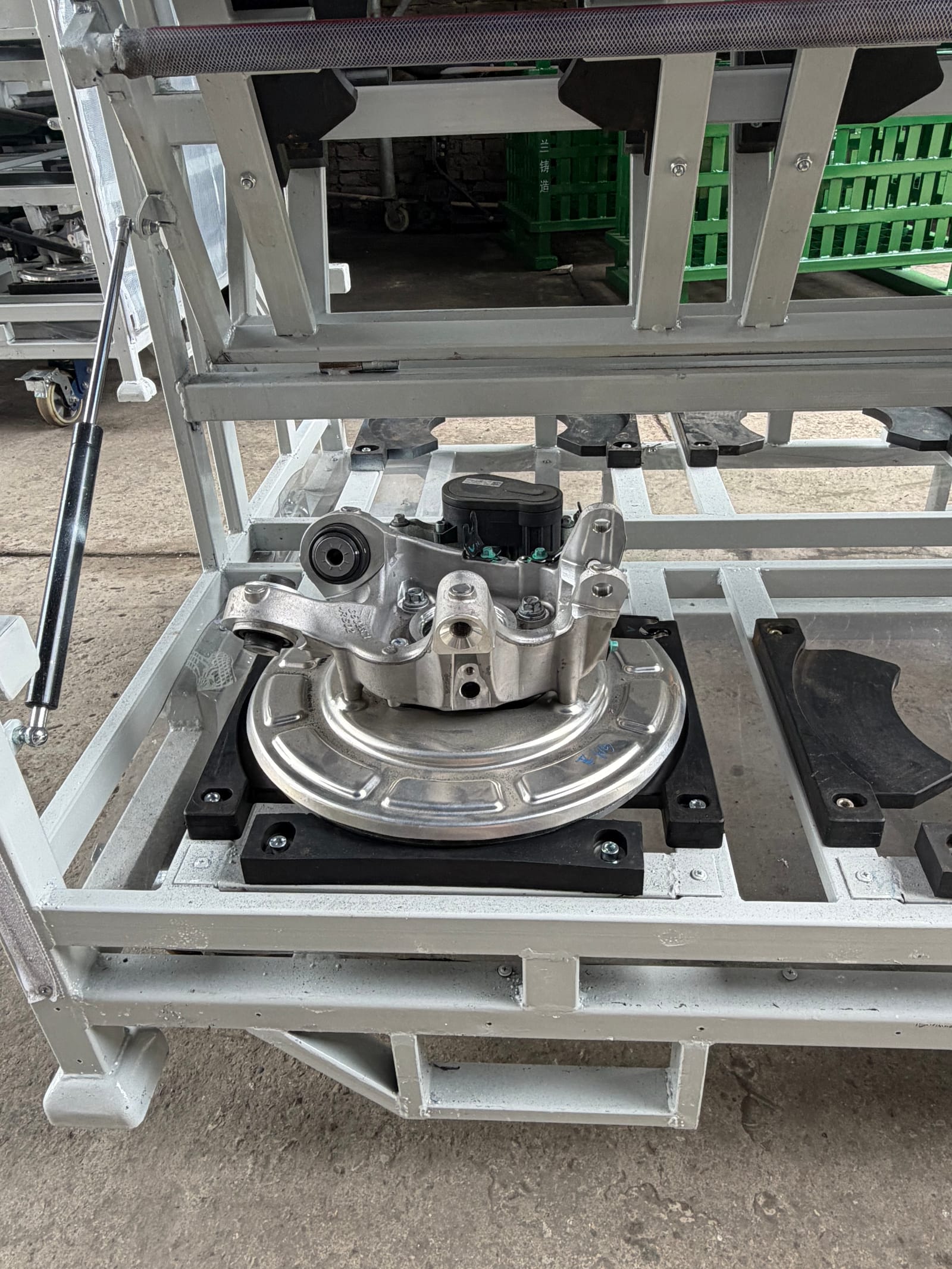
- Map the pallet interface. Show support rails or rollers, fork entries, stop points, sensor targets, identification and drainage or cleaning considerations on the drawing.
- Build and inspect a representative sample. Measure the agreed characteristics using the agreed datum and method, then record weld, deck, opening and interface conditions without inventing a tolerance that the system owner has not approved.
- Run the real route. Test empty and loaded movement through infeed, storage, retrieval, outfeed and any manual hand-off. Record transfers, detections, stops, clearances, load stability and exceptions.
- Release the revision. Close open deviations, approve the final drawing and validation record, and define how pallet repairs, changes and replacement units are controlled.
Common AS/RS pallet specification mistakes
- Calling a pallet compatible because its nominal footprint matches a common market size.
- Copying a tolerance from a general pallet drawing without identifying the system datum and measurement method.
- Checking the empty pallet but not the loaded pallet, load shift, packaging overhang or sensor condition.
- Designing for conveyor rollers while forgetting shuttle rails, transfer points, forks or rack support locations.
- Leaving barcode, RFID, reflector or sensor targets to the end of the project.
- Approving one sample without defining how repairs, weld distortion, finish buildup or later design revisions are rechecked.
What to send for an AS/RS steel pallet project
Send the automation supplier's interface drawings, pallet and load envelope, support and entry points, conveyor or shuttle type, sensor and identification requirements, handling sequence, environment, inspection datum, acceptance test and repair/revision rules. HAOFU can review the steel pallet structure and manufacturing input through the steel pallets product page and customization page; the system integrator must approve the final AS/RS interface.
For structural load terminology, see the steel pallet load-capacity guide. For broader footprint and handling choices, compare steel pallet sizes and standards. The companion DPP readiness checklist for steel racks covers product data and traceability rather than automation compatibility.
Technical references
- MHI ASRS Industry Group: AS/RS definition and scope
- ISO 6780:2003: flat pallet dimensions and tolerances
- ISO 8611-1:2025: flat-pallet test methods
- Dematic pallet-handling systems: AS/RS, conveyor and AGV interfaces
Next step: send the automation interface drawing, load envelope and acceptance criteria through HAOFU customization for a project-level steel-pallet review.
Frequently Asked Questions
- What makes a steel pallet ready for AS/RS?
- Match the pallet to the actual storage machine or shuttle, rack supports, conveyor, transfer equipment, sensors, load envelope and operating states. Confirm the interface dimensions and tolerances with the automation integrator before production.
- Is there one universal AS/RS pallet tolerance?
- No. The required tolerance depends on the system datum, support method, transfer clearances, sensors, load condition and the automation supplier's acceptance criteria. ISO pallet standards can inform the specification and test plan, but they do not replace a project-specific interface review and field validation.
- Which standards are useful when specifying an automated steel pallet?
- ISO 6780:2003 is a reference for principal dimensions and tolerances of flat pallets, while ISO 8611-1:2025 provides test methods for new flat pallets. MHI describes AS/RS as a combination of equipment and controls. Use these as inputs, then add the system integrator's drawings and acceptance tests.
- Should the loaded pallet be tested in the AS/RS?
- Yes, when the system owner requires it. Test the representative load, packaging or fixture, orientation, support points, sensors, infeed, storage, retrieval, outfeed and manual hand-offs that the pallet will actually encounter. Empty-pallet inspection alone cannot establish loaded-system compatibility.
- What information does a supplier need to quote steel pallets for AS/RS?
- Provide the automation interface drawings, load envelope, support and entry points, conveyor or shuttle type, sensor and identification requirements, environment, inspection datum, acceptance test and repair or revision rules. Without those inputs, a supplier should not invent a universal tolerance or compatibility claim.