Returnable Packaging Change Requests: What Buyers Need
A returnable packaging change request should show the current and proposed drawings, affected part and rack quantity, reason for the change, impact on fit, protection, handling, stacking and empty return, requested timing, and checks needed before the new version is used. Keep the existing configuration in production until the buyer and supplier agree which revision and effective date apply.
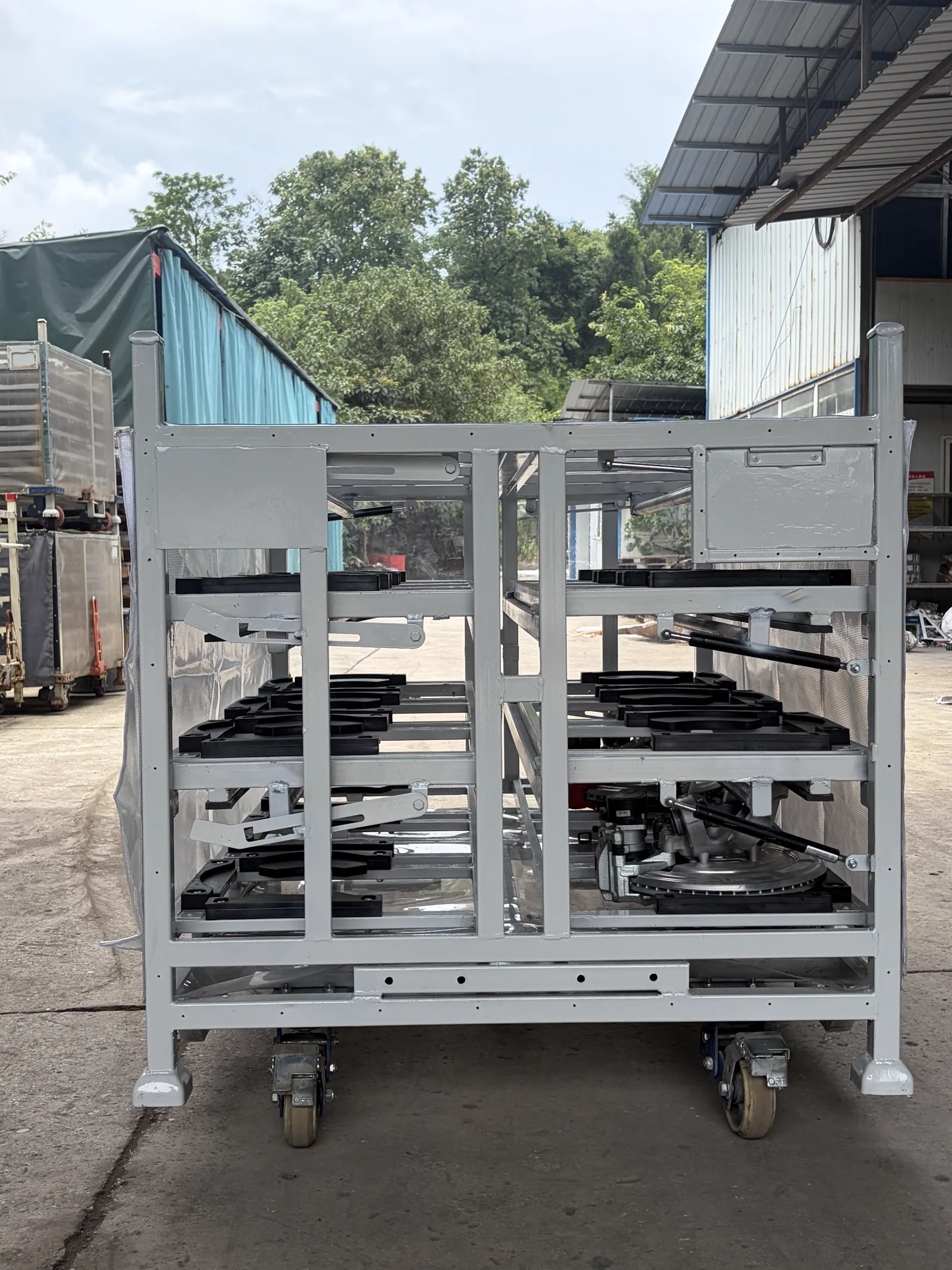
A returnable packaging change request explains what will change, why it is needed and which parts, racks and logistics steps are affected. Include the current and proposed drawing revisions, the physical difference, quantity, target timing, and likely impact on part fit, dunnage, operator access, forklift handling, stacking, transport and empty return. This gives buyer and supplier teams a common basis for deciding whether a drawing review, sample or site trial is needed.
Changes can come from a new part revision, material substitution, easier loading, repair feedback, a different vehicle, or a request to improve empty return. Even a local change can affect other interfaces, so review the complete circulation route before putting the new configuration into production.
What should a returnable packaging change request include?
| Field | Information to provide | Why it matters |
|---|---|---|
| Current configuration | Drawing revision, part reference, quantity and route. | Shows the starting point. |
| Proposed change | Marked drawing or photo plus a clear physical description. | Prevents different interpretations. |
| Reason | Part revision, damage feedback, access, handling, cost or route need. | Connects the design choice to a real problem. |
| Impact | Part contact, capacity, loading, stacking, transport and empty return. | Shows which checks must be repeated. |
| Timing | Sample need, affected quantity, target date and effective batch. | Separates current and new production. |
Use a marked drawing instead of a vague improvement request
Descriptions such as “make it stronger” or “improve access” do not show which member, clearance or operator step is affected. Mark the area on the current drawing, show the proposed geometry and describe the operating problem. If the change came from damage or a part revision, add photographs or measurements that explain the request.
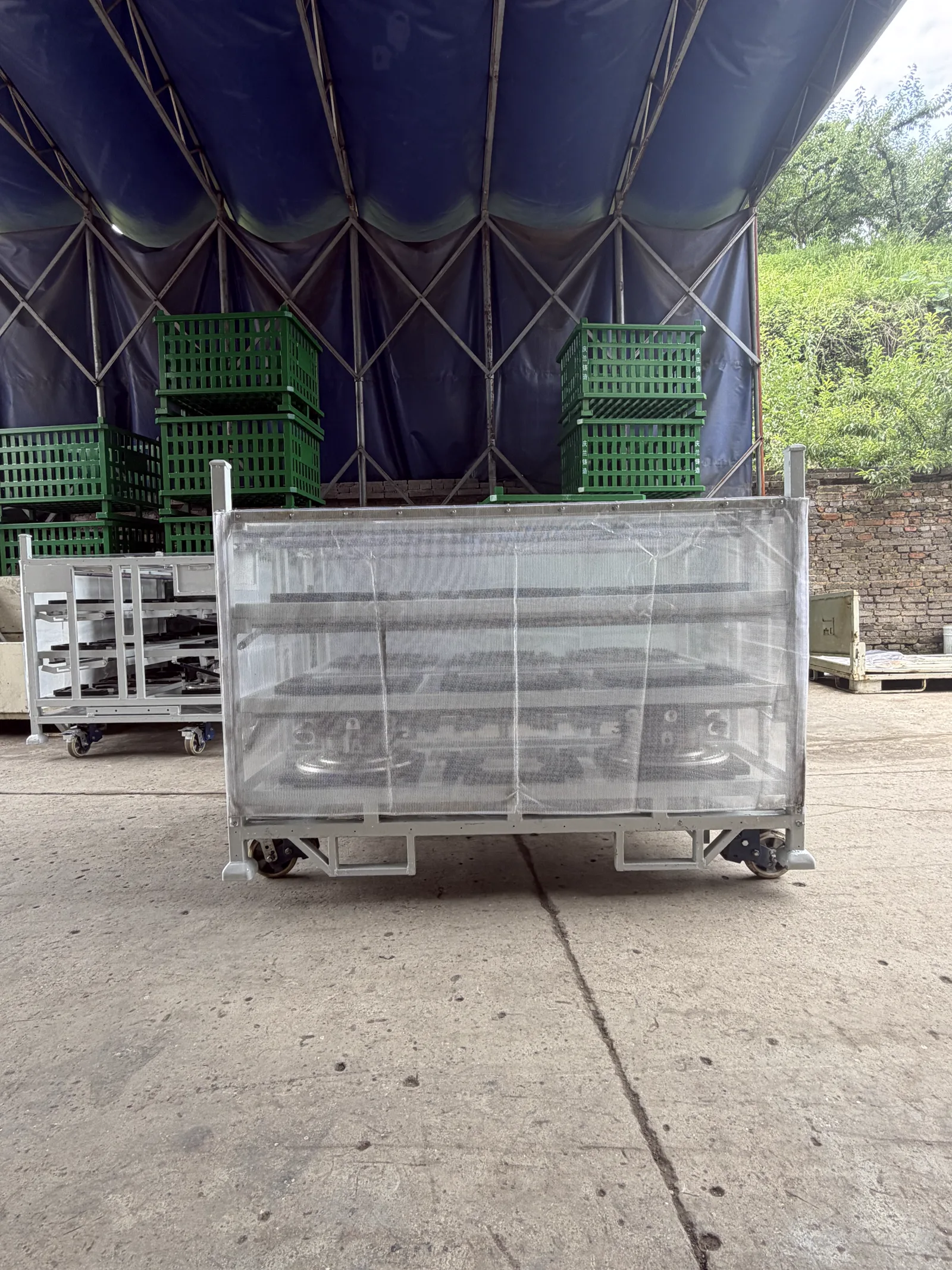
Five steps from request to effective revision
- Compare current and proposed drawings. Mark the exact feature, material or dimension that changes.
- List affected parts and assets. Include variants, existing fleet quantity, open orders and replacement components.
- Review the full route. Check fit, loading, handling, stacking, transport and empty return.
- Complete the required trial. Use a drawing review, sample, inspection or site trial appropriate to the change.
- Set the effective point. State the new drawing revision and the first order, batch, serial range or date that uses it.
Connect the change request to rollout
Use the returnable rack prototype guide when a physical sample is needed, then follow the packaging change rollout guide to identify affected production batches or existing assets. See custom returnable packaging for the engineering path.
Discuss a returnable packaging change
Send the current and proposed drawings, affected part, change reason, known route impact, rack quantity and target timing through the customization RFQ form.