Custom Metal Container Cleaning Requirements for Industrial Parts
For a custom metal container that will be cleaned and reused, tell the manufacturer what the container carries, what residue or contamination must be removed, the cleaning method and frequency, compatible chemicals and temperatures, drying needs, and the condition required before reuse. Those inputs determine practical features such as access doors, drain paths, smooth internal surfaces and removable dunnage. Include the cleaning process in the RFQ before the container and dunnage are designed.
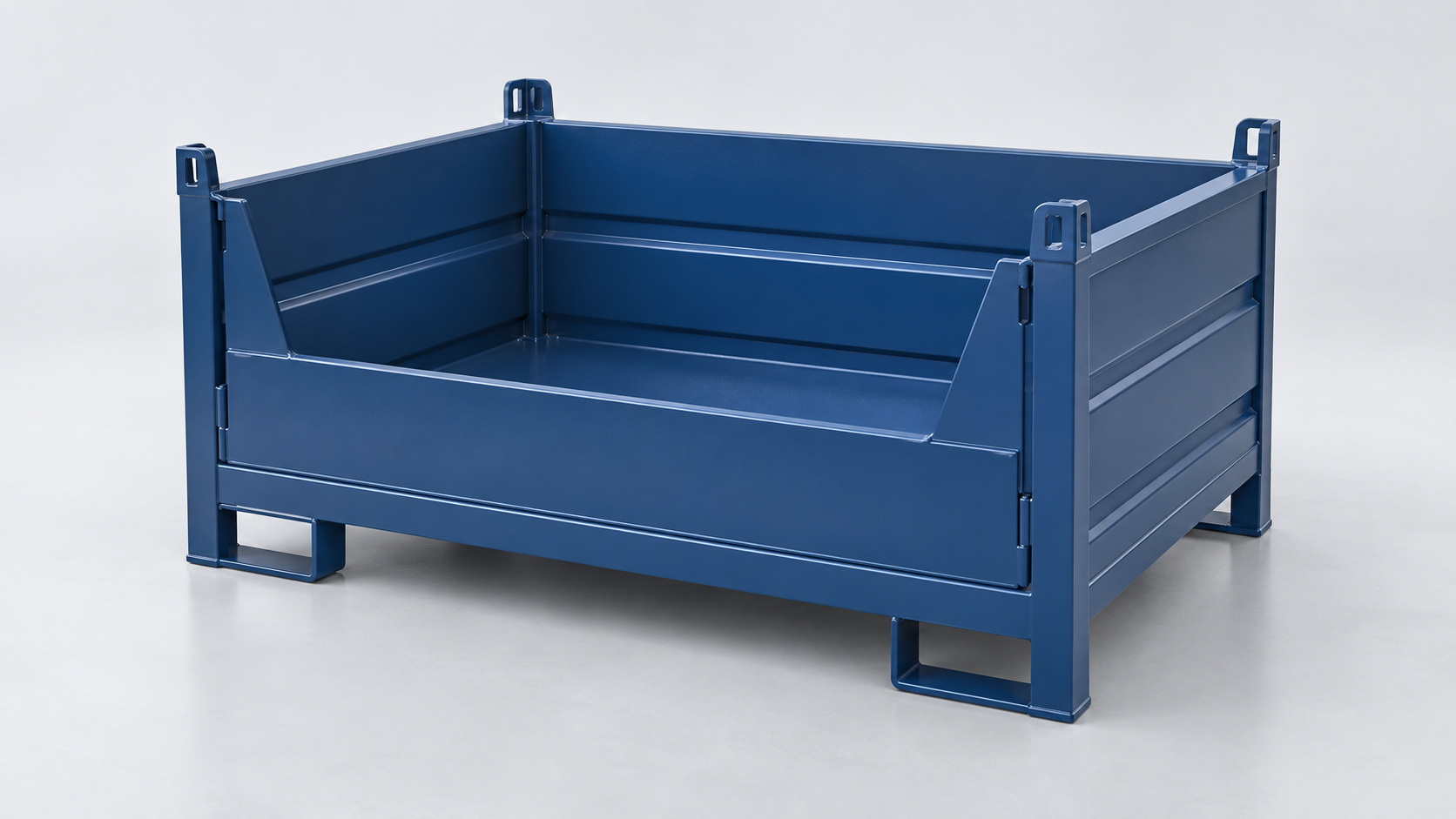
Custom metal container cleaning requirements should be defined before the body, access panels and internal dunnage are finalized. A supplier needs to know what the container carries, what residue or foreign material may remain, how often the container is cleaned, the proposed wash method, and how it must dry. With those details, the design review can focus on useful features such as open access, drain paths, smooth contact areas and removable inserts instead of relying on a generic “washable” description.
This guide is for procurement, packaging, quality and logistics teams preparing an RFQ for a returnable industrial container. It applies to transport packaging for parts and components. If the container is used in a regulated or direct product-contact process, the responsible site must also provide the applicable cleaning and acceptance requirements.
What should a container manufacturer know about cleaning?
| RFQ input | Information to provide | Design question |
|---|---|---|
| Contents and residue | Part or package, oils, dust, chips, moisture or other material expected after use. | Which surfaces and corners need easy access? |
| Cleaning process | Manual wipe, pressure wash, immersion, automated wash or another site process. | What openings, removable parts or handling features are needed? |
| Chemicals and temperature | Cleaning agents, water temperature and relevant exposure time supplied by the site. | Which coating and dunnage materials should be reviewed for compatibility? |
| Drainage and drying | Required orientation, drain time, air drying or heated drying process. | Could water collect in tubes, trays, pockets or dunnage? |
| Reuse inspection | Visible condition, inspection points and any site record required before loading. | Can the important areas be seen and reached? |
Design features that make industrial containers easier to clean
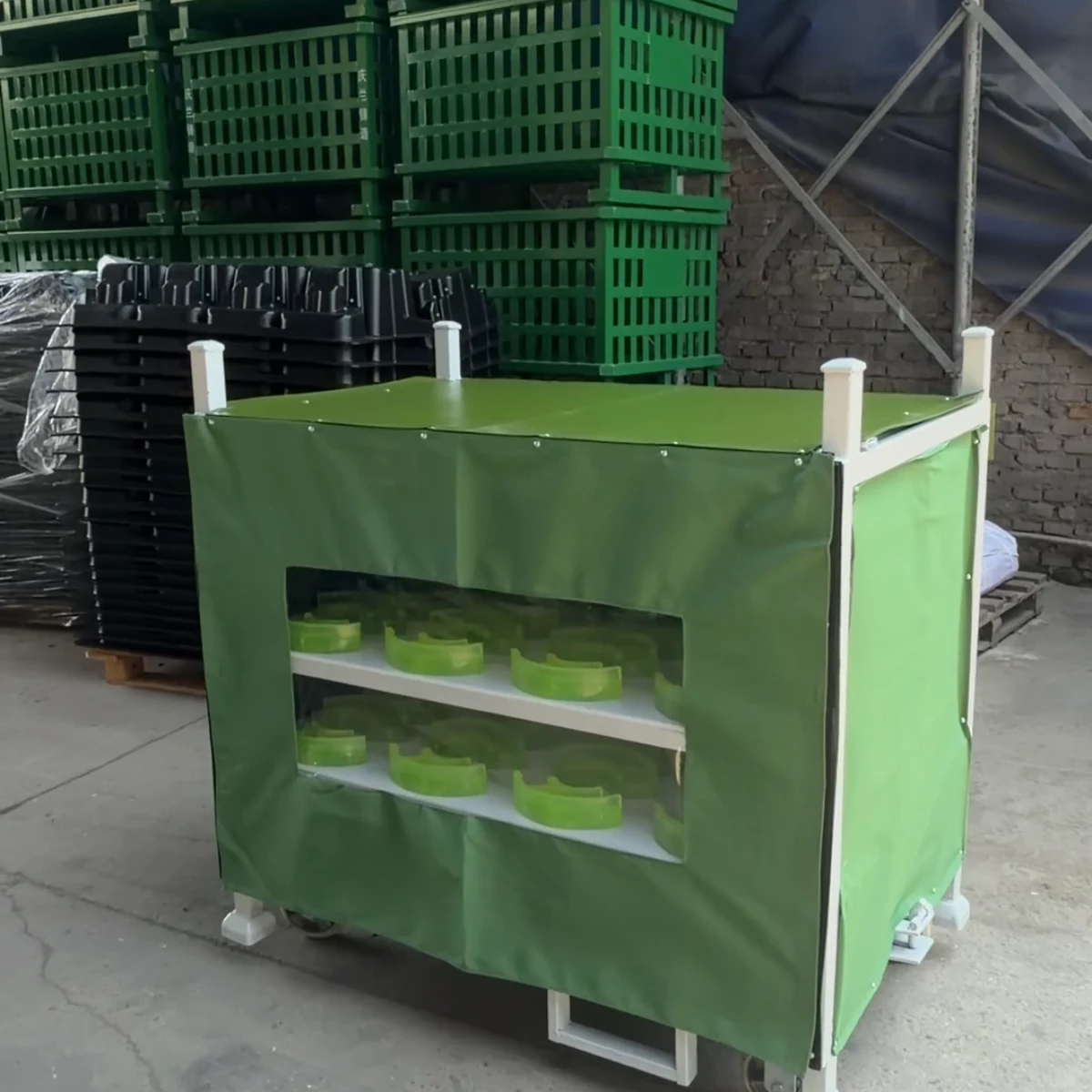
Cleaning access is affected by the complete container, not only its surface finish. Review doors and lids in their open position, internal corners, weld details, tubes and pockets, drain paths, labels, and every piece of dunnage that touches or shields the part. Removable trays or dividers may improve access, but the empty container must also provide a practical place to handle or return them.
Five steps for a cleaning-ready container RFQ
- Describe the contents and contamination. Identify the part, packaging and the oil, dust, chips, moisture or other residue expected after use.
- Share the cleaning process. State the wash method, frequency, chemicals, temperature and handling equipment used by the site.
- Define drainage and drying. Explain the wash orientation, acceptable drain time and whether the container must be air- or heat-dried.
- Mark areas that need access. Highlight part-contact surfaces, corners, dunnage and enclosed sections that must be reached or inspected.
- Review a sample in the real process. Check cleaning access, drainage, drying and part protection before releasing the production design.
Cleaning requirements also affect dunnage and access panels
For access planning, see the custom metal container door and panel guide. The dividers, lids and nesting guide explains common configuration choices, while prototype-to-production validation covers sample checks before production. Browse custom metal containers for the relevant product category.
See a returnable steel packaging example
Watch returnable steel racks for automotive logistics for real product context. Use your own cleaning process and part information to determine which access and drainage features belong in a new design.
Request a custom metal container quote
Send the part or package dimensions, expected residue, cleaning method, chemicals and temperature, drainage and drying needs, annual quantity, and any layout drawing through the custom container RFQ form. HAOFU can review the container structure, access and dunnage around those requirements.