
Wire Mesh Container Access Gates for Replenishment
Choose a wire mesh container access gate from the way parts are loaded, picked, replenished and returned—not from a default door style. Define the smallest part, reach path, open-gate position, handling method, loaded stack condition and inspection evidence before approving the drawing.
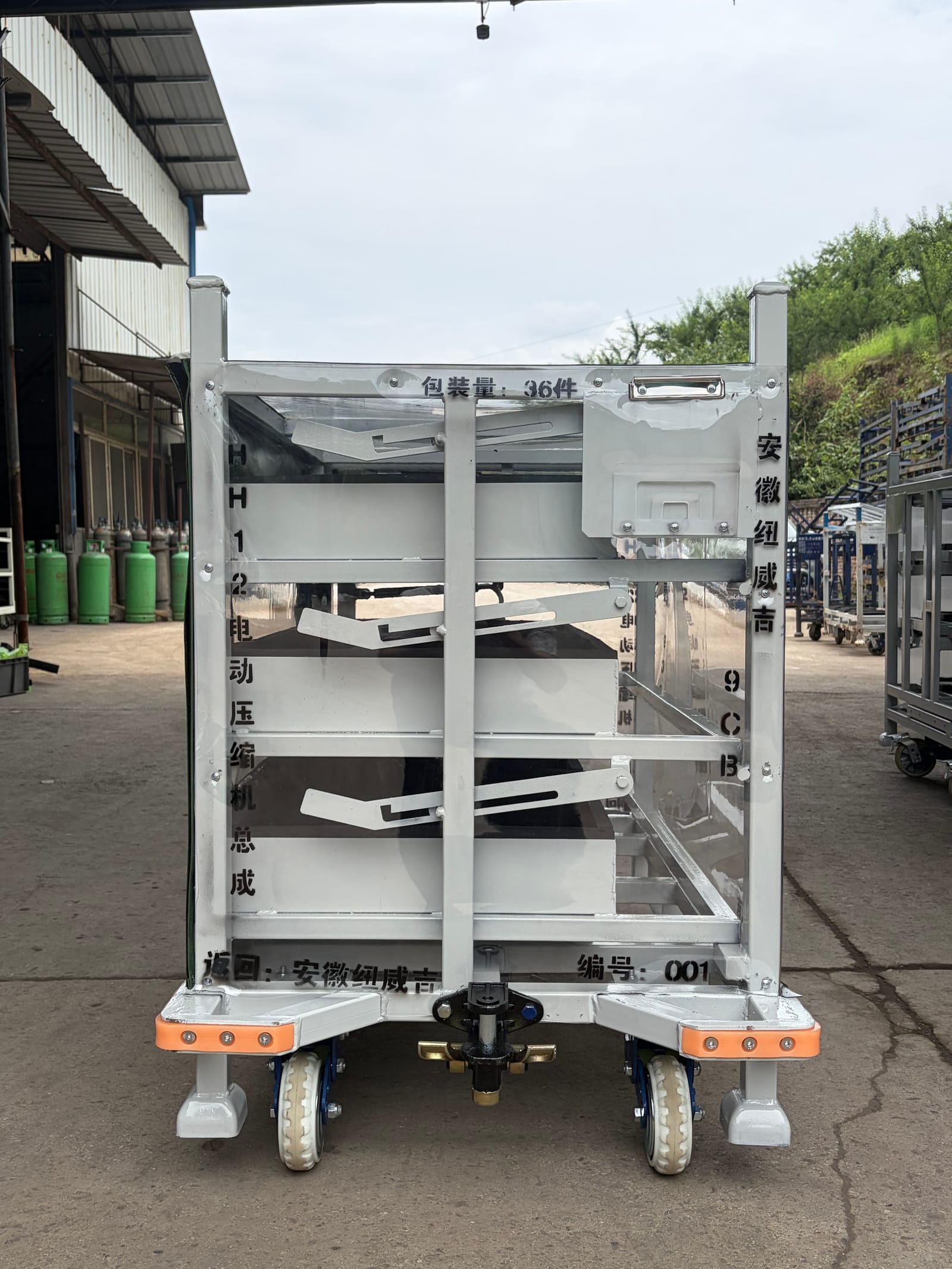
A wire mesh container access gate should be selected from the replenishment task. Warehouse, line-side and packaging engineers need to show what the operator or equipment must reach, when the container is loaded or stacked, how the gate is held open and how the empty unit returns. Visibility alone does not establish the right access arrangement.
Start with the part and replenishment motion
Mesh can support visibility and airflow, but it does not decide whether a front flap, side opening, lid or open top is appropriate. Begin with the smallest component, orientation, picking direction, required reach and protected zones. Test the opening with the real loaded and empty conditions instead of assuming a catalogue gate works on every route.
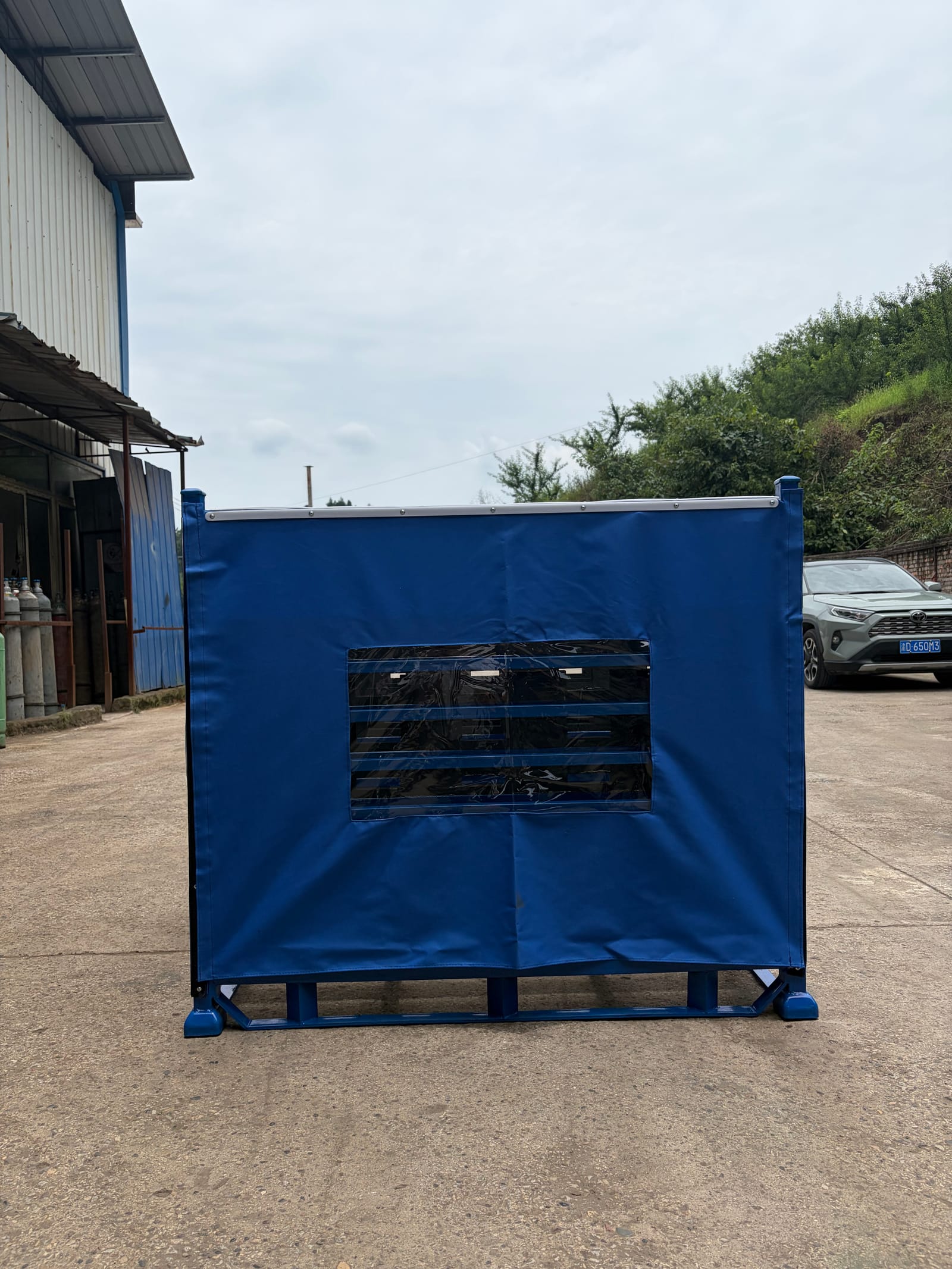
Access questions that belong in the brief
| Question | Define | Check on sample |
|---|---|---|
| Picking | Part size, orientation, reach and protected surfaces | Target part is reached without forcing contact |
| Replenishment | Entry point and loading sequence | Parts do not mix, trap or block access |
| Handling | Forklift, pallet-jack, crane or cart interface | Gate and latch sit outside the handling contact path |
| Stacking/return | Loaded/empty stack state and gate position | Return condition is in the approved review |
Specify access in four steps
- Mark the parts: identify the smallest item, quantity, contact restrictions and presentation orientation.
- Show the motion: record how operators, robots or replenishment equipment reach the part and where the gate sits open.
- Map closed-state handling: confirm movement, stacking and return when the gate is shut.
- Test the sample: run loading, picking, replenishment, handling and empty return on the controlled drawing revision.
Common mistakes
- Selecting a half-drop gate because it is common, without checking reach or retention.
- Choosing mesh opening from appearance instead of the smallest part and containment requirement.
- Checking access empty but not with real quantity and dunnage.
- Forgetting latch, gate position and return state in the stack review.
References and next step
Morrison Industries treats access, stacking and handling as configuration inputs; use peer examples to frame questions, not as HAOFU specifications. OSHA materials-handling guidance supports checking actual powered handling and storage conditions, and MHI's packaging overview distinguishes container, dunnage and handling roles. Compare mesh and solid steel containers, review foldable mesh-container inputs and see a general fabrication context in our metal-rack factory video; the video is background only and does not validate this gate design.
Explore custom wire mesh containers, then send the part data, quantity, picking/replenishment sequence, handling equipment, stack/return condition and approval evidence through customization.