
Stackable Rack: Loaded vs Empty Return Decision Brief
Choose a stackable-rack configuration by documenting two different operating states: the loaded unit's part support, handling and stack interfaces, and the empty unit's return arrangement, loose components and storage path. A fixed, removable-post or foldable option is not universally better; approve it only against the controlled part, route and acceptance evidence.
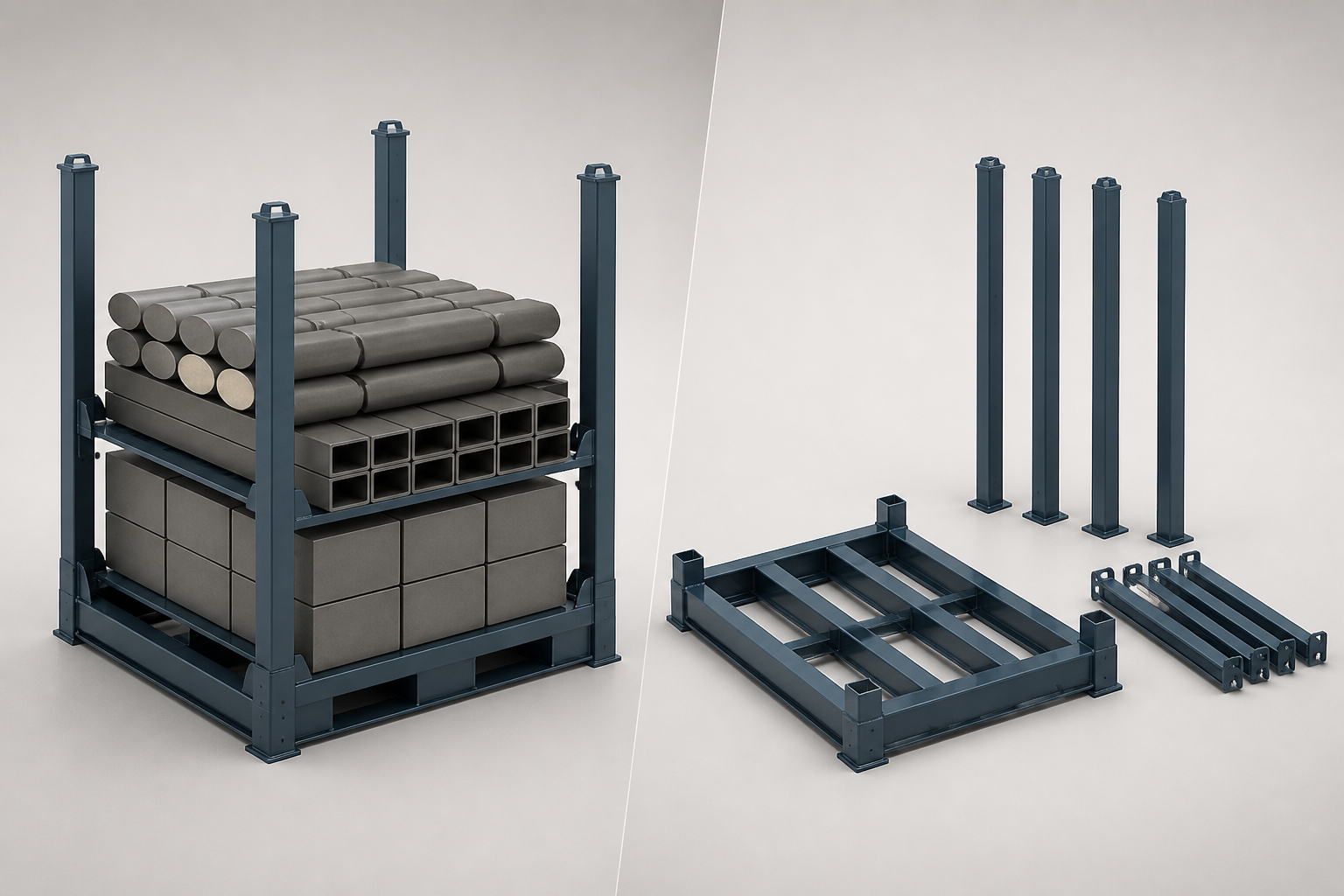
A stackable rack loaded vs empty return decision starts by documenting two states that are often merged too early: how the unit supports and moves the actual loaded part, and how the empty frame, posts or panels are controlled on the return route. Select a fixed, removable-post or foldable configuration only after the buyer can show the part, handling equipment, stack interface, return arrangement and acceptance owner.
This brief is for logistics or warehouse engineers and sourcing teams who need a comparable configuration review. It does not set a universal load, stack height, fold ratio, freight saving or door-to-door result. MHI's equipment guide similarly treats accessibility, stackability/nestability and handling difficulty as selection inputs rather than one generic answer.
Quick decision: keep the loaded and empty questions separate
| Decision state | Questions to freeze | Evidence to request |
|---|---|---|
| Loaded unit | What part, orientation, permitted supports, handling entry and stacked interface are present? | Current drawing or sample, quantity per rack, route map and approved interface conditions. |
| Empty return | Does the frame return fixed, nest, use removable components or fold? Where do removed components travel and wait? | Return sequence, storage location, component-control method and handling constraints. |
| Release decision | Who checks the full sequence and records drawing changes or exceptions? | Named acceptance owner, review record and agreed sample or inspection scope. |
What this article owns — and what it does not
This page owns the narrow loaded-state versus empty-state briefing question. It does not replace the general stackable rack configuration guide, the removable-post interface guide or the foldable stillage design guide. Those pages remain the relevant owners for their broader configuration questions.
Review the loaded state before choosing the return feature
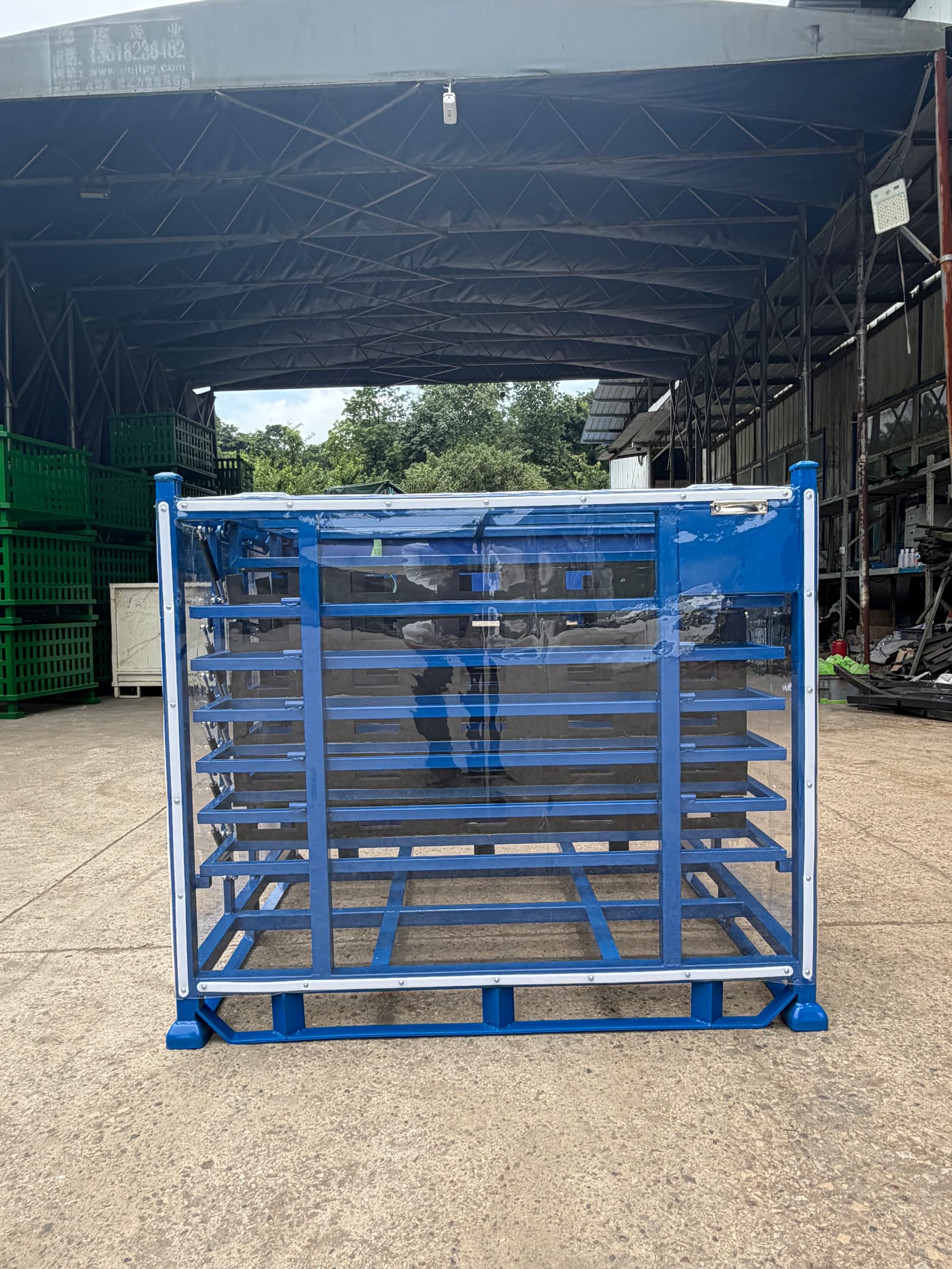
Start with the controlled part rather than the empty-rack preference. Mark the part revision, permitted and prohibited contacts, orientation, quantity, expected handling equipment and every loaded storage or transfer state. If units are intended to stack, define the proposed interface and the review evidence needed for the actual configuration; do not infer a stack limit from a photograph or a different project.
Then map the empty return as an operating state
For the return leg, record whether the unit returns assembled, whether any posts or panels become loose components, where those components are placed, who confirms completeness, and whether the route adds a separate storage or handling handoff. Competitor pages often quantify return-volume or freight outcomes; those values belong to their own geometry and lane. The usable lesson is only that the empty condition needs its own documented review.
The Southern Perfection comparison and Morrison stack-rack overview are useful peer examples of pages that separate loaded handling from empty-return planning. Their specifications and claimed outcomes are not transferable to a HAOFU project.
Five inputs for a comparable configuration review
- Freeze the part and quantity. Send the released drawing or agreed sample, orientation, contact restrictions and quantity per rack.
- Map loaded movement. List each loading, storage, transfer, transport and unloading state with the intended equipment interfaces.
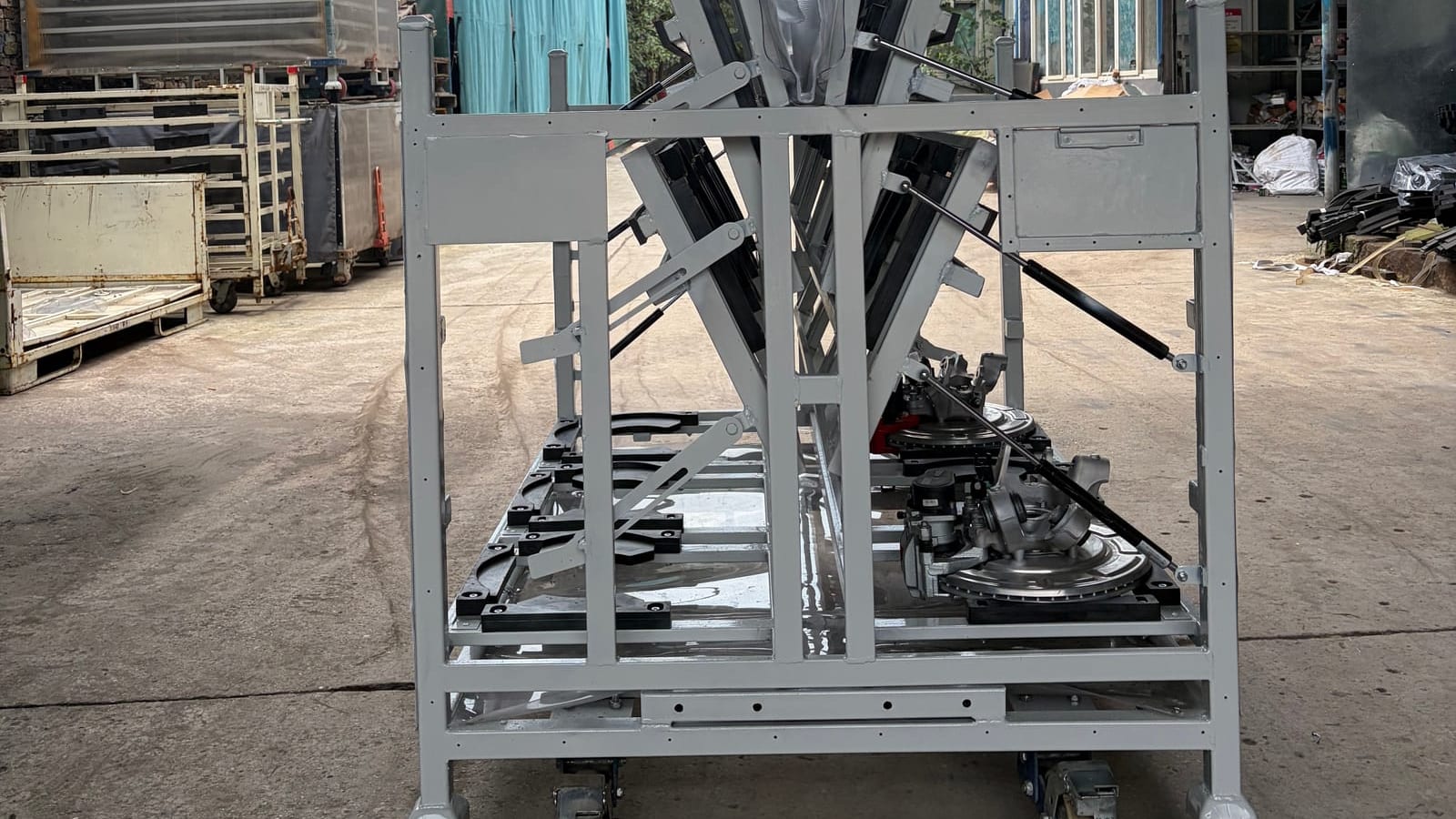
- Describe the empty arrangement. State whether the empty unit remains fixed, nests, uses removable elements or folds; identify every loose component and its location.
- Set the evidence gate. Name the person who reviews fit, handling, stacking interface, return arrangement and drawing changes.
- Release only the reviewed configuration. Keep the resulting drawing revision, inspection/sample scope and any open exception together.
Internal video reference
For a general view of returnable steel-rack context, see HAOFU's returnable steel racks video. Use it as a visual introduction only; it does not establish the configuration, rack capacity or return path for this project.
Request a loaded-and-empty-state review
Send the part drawing or sample reference, quantity per rack, loaded route, handling equipment, intended stack interface, empty-return sketch, destination and acceptance owner. HAOFU can use these controlled inputs to review a stackable metal rack configuration and route the project through customization.