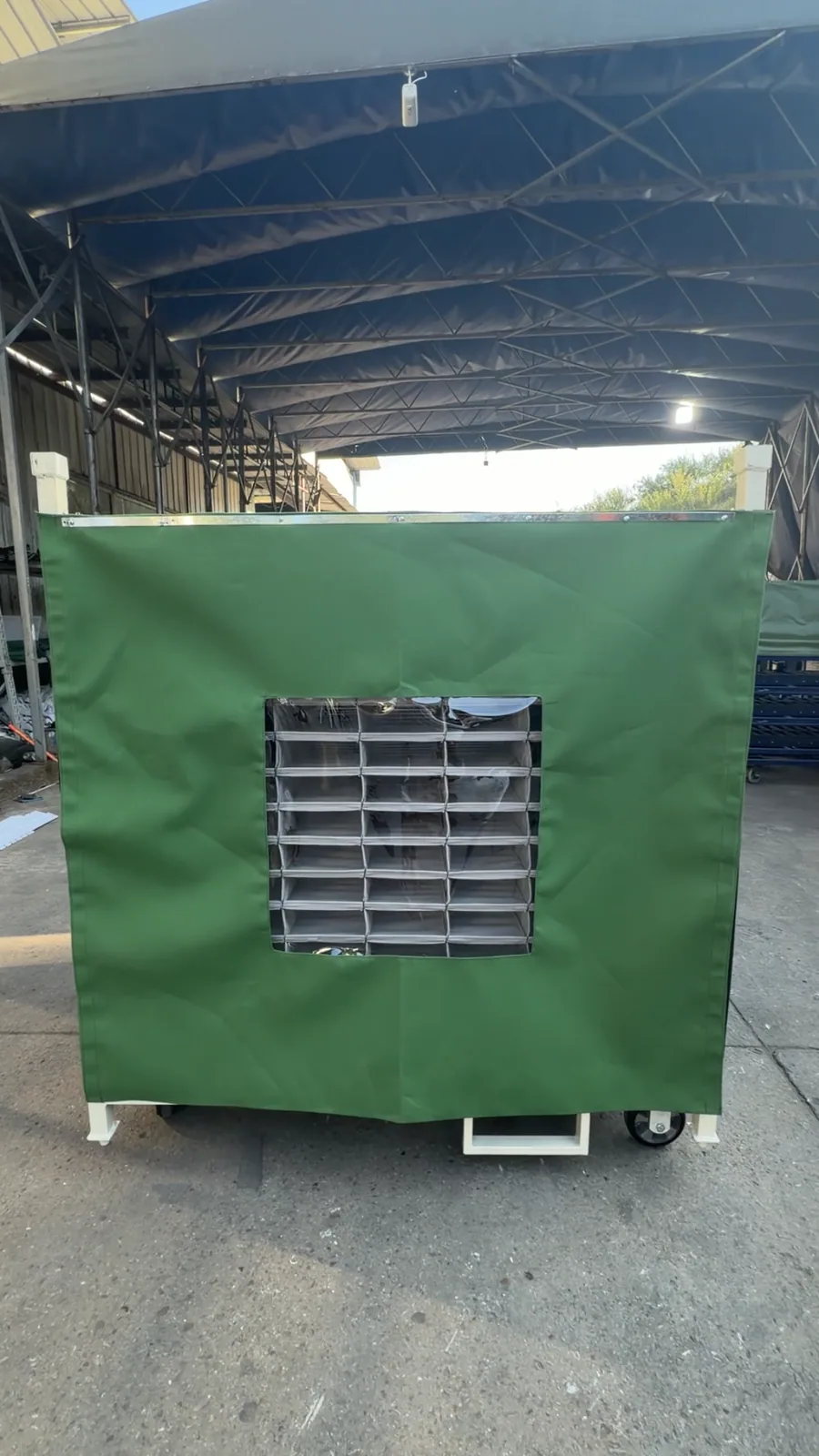
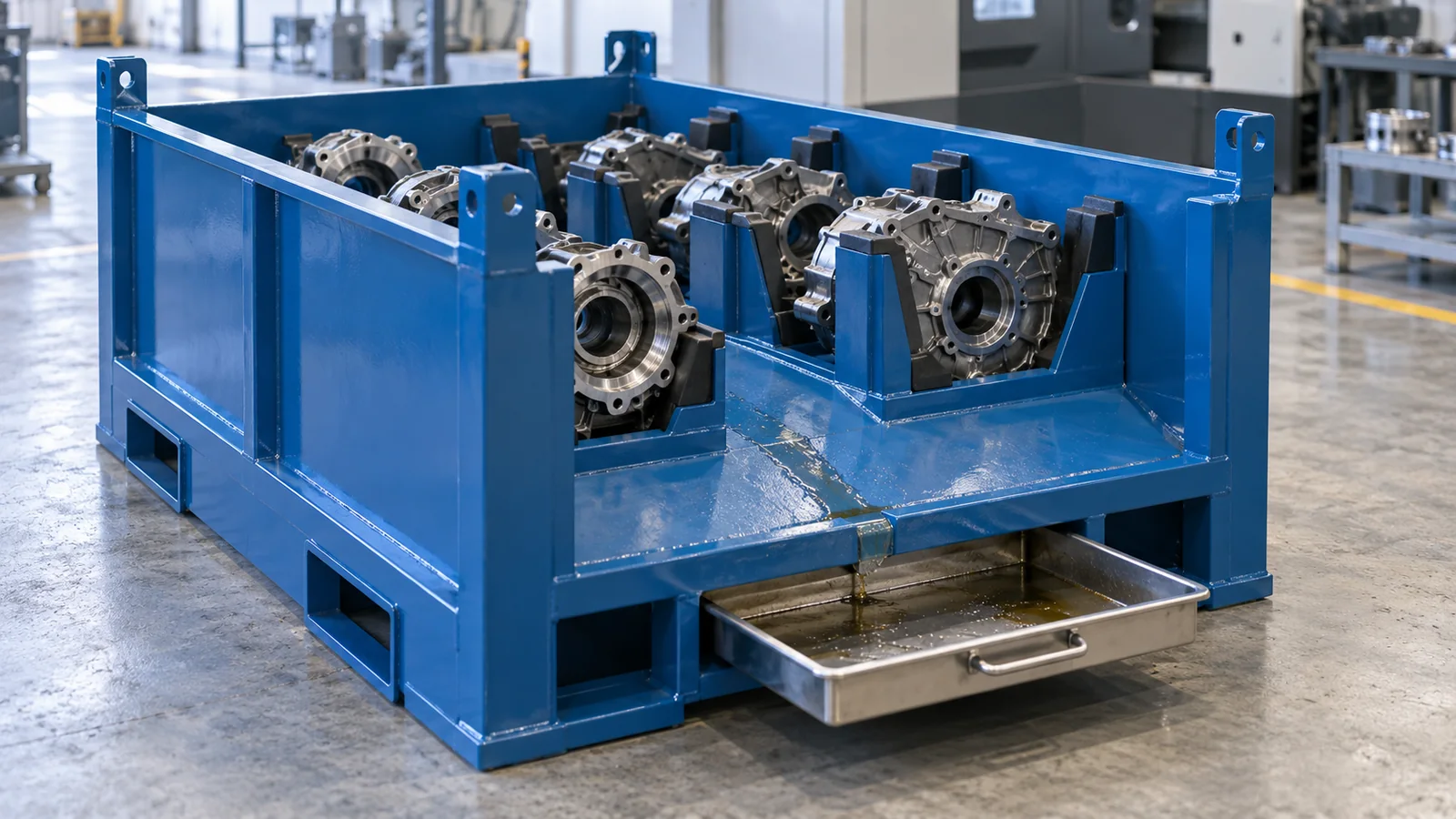
Foldable / Collapsible Stillage Design to Cut Return Freight

A foldable stillage stacks when loaded to save space going out, then folds flat when empty so several collapsed units return in the space of one — commonly a 3–5× saving on the empty return leg of a returnable loop.
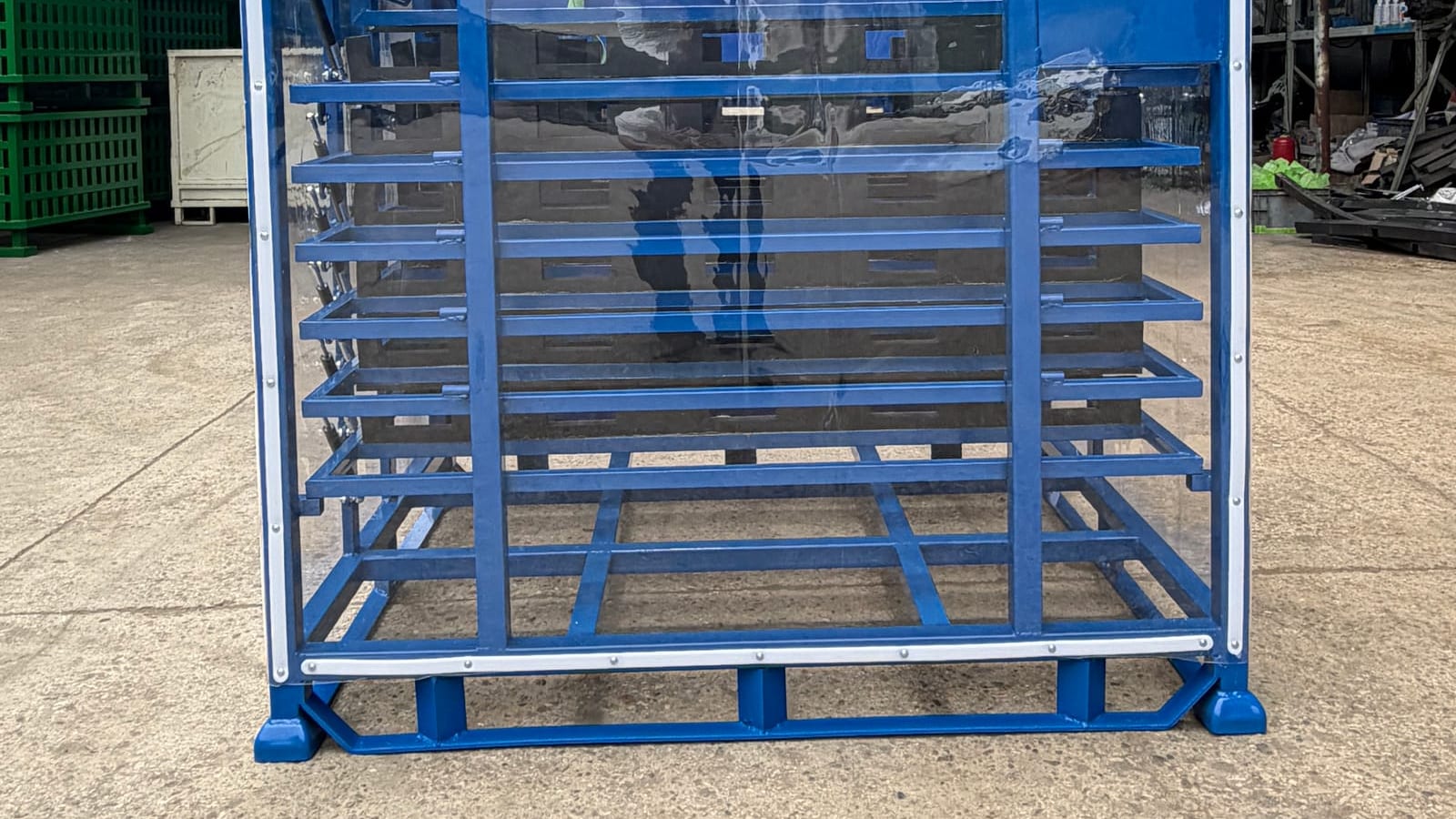
In any returnable loop, the empties come back — and shipping air is what quietly drains the budget. Foldable (collapsible) stillage design solves it: units stack loaded to save space going out, then fold flat empty to slash the return-freight volume on the way back.
Quick answer: fold flat to cut freight
A foldable stillage works in two states: loaded, units stack securely to ship more going out; empty, the sides fold down and units nest flat, so several collapsed stillages return in the space of one erected unit — often a 3–5:1 saving that slashes the reverse-freight volume on the empty leg.
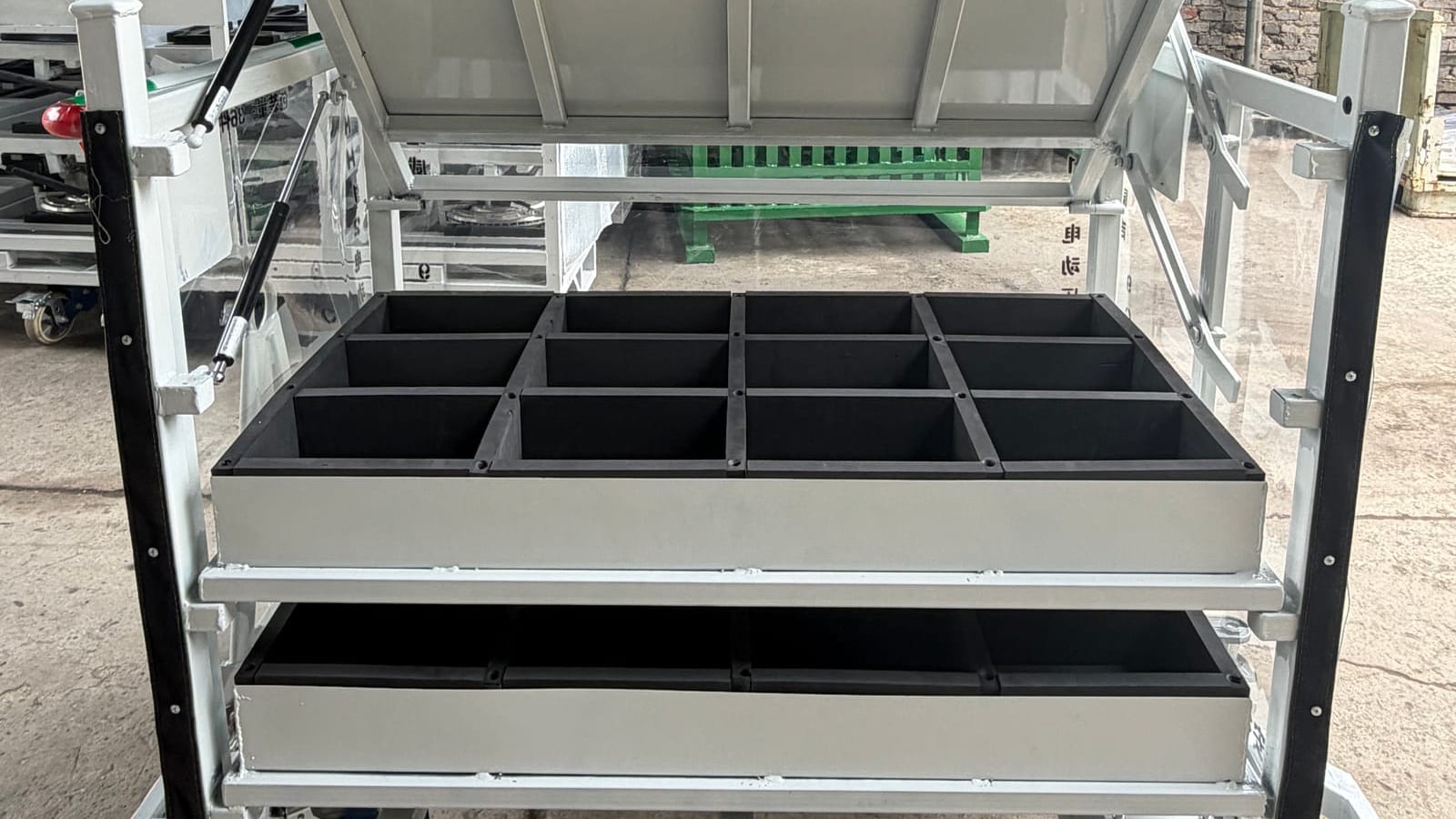
Stack when full, fold when empty
The whole idea is two states. Loaded, stillages stack securely so you store and ship more per square metre. Empty, the sides fold down and units nest flat, so several collapsed stillages take the space of one erected unit on the return trip.
What to specify
- Folding mechanism — drop-side or fold-down panels with secure latches.
- Folded-to-erected ratio — how many collapsed units equal one erected (often 3–5:1).
- Stack strength both ways — safe stacking loaded and stable nesting folded.
- Durability — hinges and latches rated for thousands of fold cycles.
Reusable, foldable assets also cut packaging waste — a circular, reuse-first approach in line with EPA Sustainable Materials Management thinking, with ratings validated to ISO container test methods.
Related reading
See the same fold-flat logic in collapsible wire mesh containers and the wider returnable strategy in returnable packaging racks.
Design a foldable stillage
HAOFU builds durable foldable stillage racks for returnable loops. Tell us your parts and return route and we will design the fold and stack that cut your freight.
Frequently Asked Questions
- Why use a foldable stillage?
- In a returnable loop the empties travel back, and shipping empty air is expensive. A foldable stillage collapses flat when empty so many units return in the space of one, cutting reverse-freight cost — while still stacking securely when loaded.
- How much return freight does a collapsible stillage save?
- It depends on the folded-to-erected ratio, but folding flat commonly lets 3–5 empty units ship in the space of one erected unit, which is a major saving on the empty return leg of a returnable program.
- Are foldable stillages as strong as fixed ones?
- A well-designed foldable stillage matches a fixed one for loaded strength and stacking, with hinges and latches rated for thousands of fold cycles. The folding mechanism is engineered so it does not compromise the load rating.
- How many folded stillages equal one erected unit?
- Typically 3–5 collapsed units occupy the space of one erected stillage, depending on the design. That ratio is what drives the return-freight saving, so confirm it when specifying.
- What should I specify when ordering a foldable stillage?
- Specify four things: the folding mechanism (drop-side or fold-down panels with secure latches), the folded-to-erected ratio, stack strength in both states — safe stacking when loaded and stable nesting when folded — and durability, with hinges and latches rated for thousands of fold cycles. Getting these right is what makes the empty return leg of a returnable loop both safe and cheap.