Where to Sort Mixed Empty Returnable Packaging

Sort mixed empty returnable packaging before dispatch when the sending site can identify each carrier and build stable, destination-ready groups. Sort at the hub when several sites send small quantities and the hub has the space, equipment and authority to separate them. A hybrid approach sends clear, compatible groups directly and routes mixed or uncertain units to one named sort point. Decide by following one empty unit from the unloading bay to its next use. The buyer needs to specify what can travel together, what must remain physically separate and what happens when a unit cannot be identified.
Sort mixed empty returnable packaging before dispatch when the sending site can identify each carrier and build stable, destination-ready groups. Sort at the hub when several sites send small quantities and the hub has the space, equipment and authority to separate them. A hybrid approach sends clear, compatible groups directly and routes mixed or uncertain units to one named sort point. Decide by following one empty unit from the unloading bay to its next use. The buyer needs to specify what can travel together, what must remain physically separate and what happens when a unit cannot be identified.
Start with the physical split
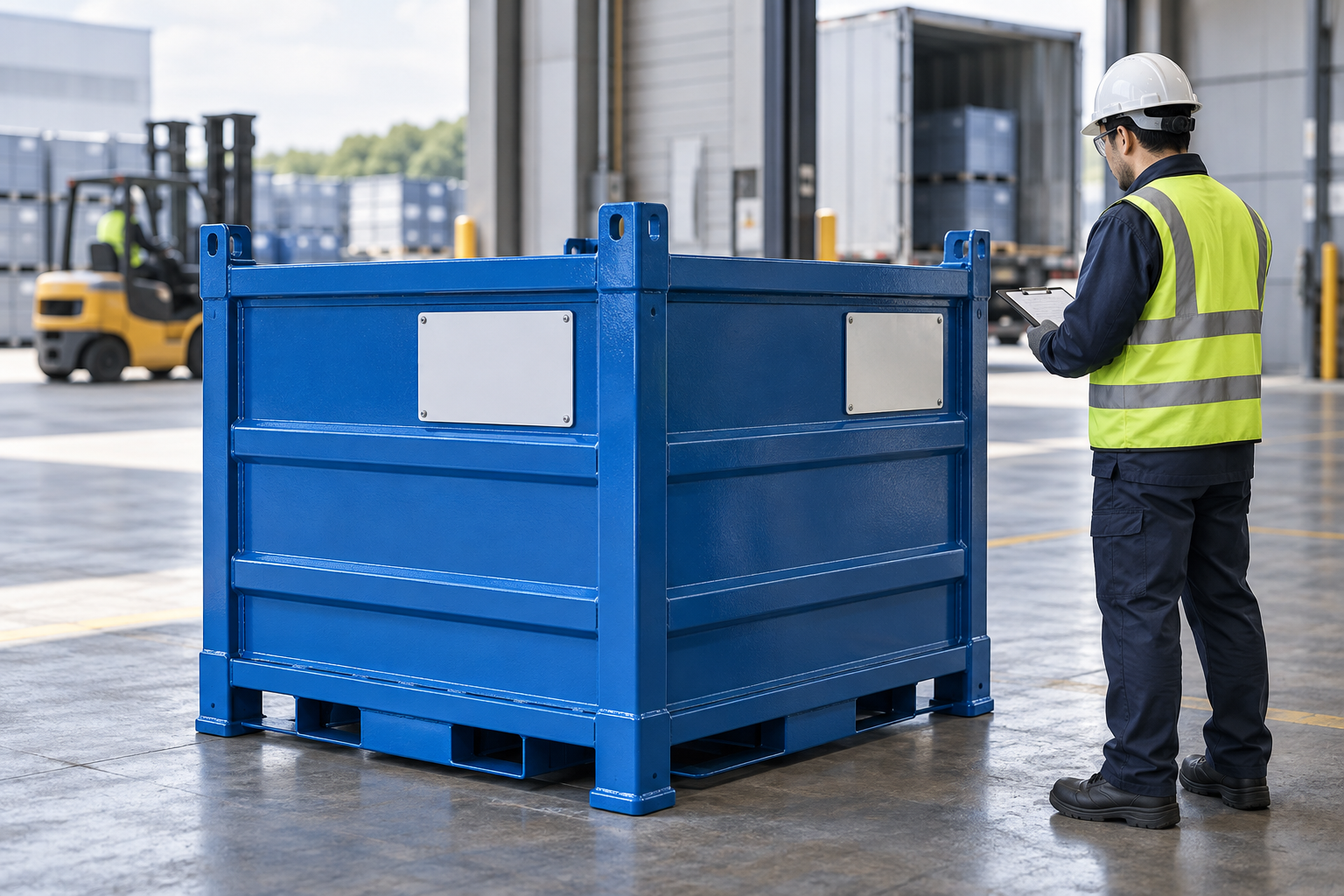
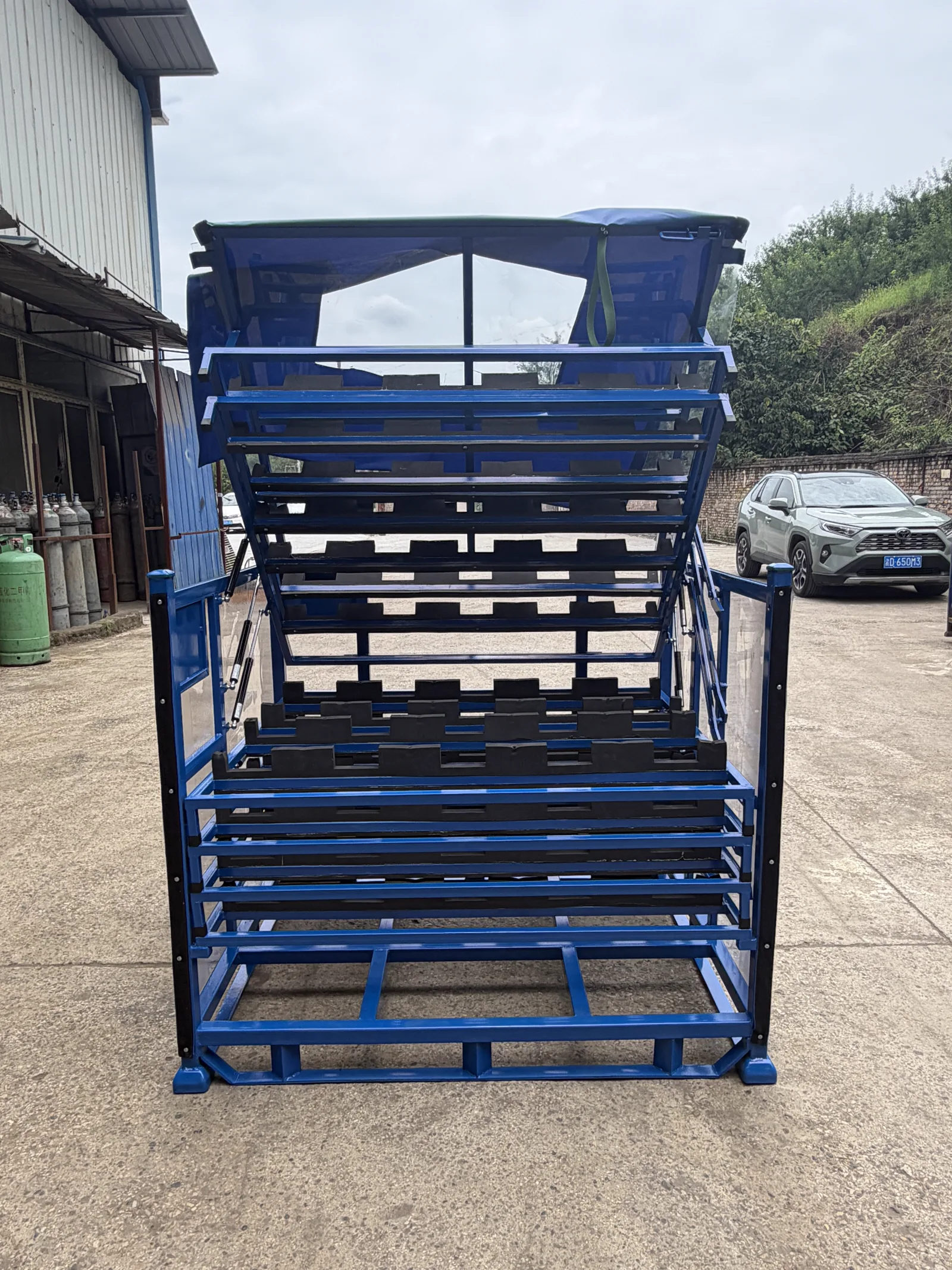
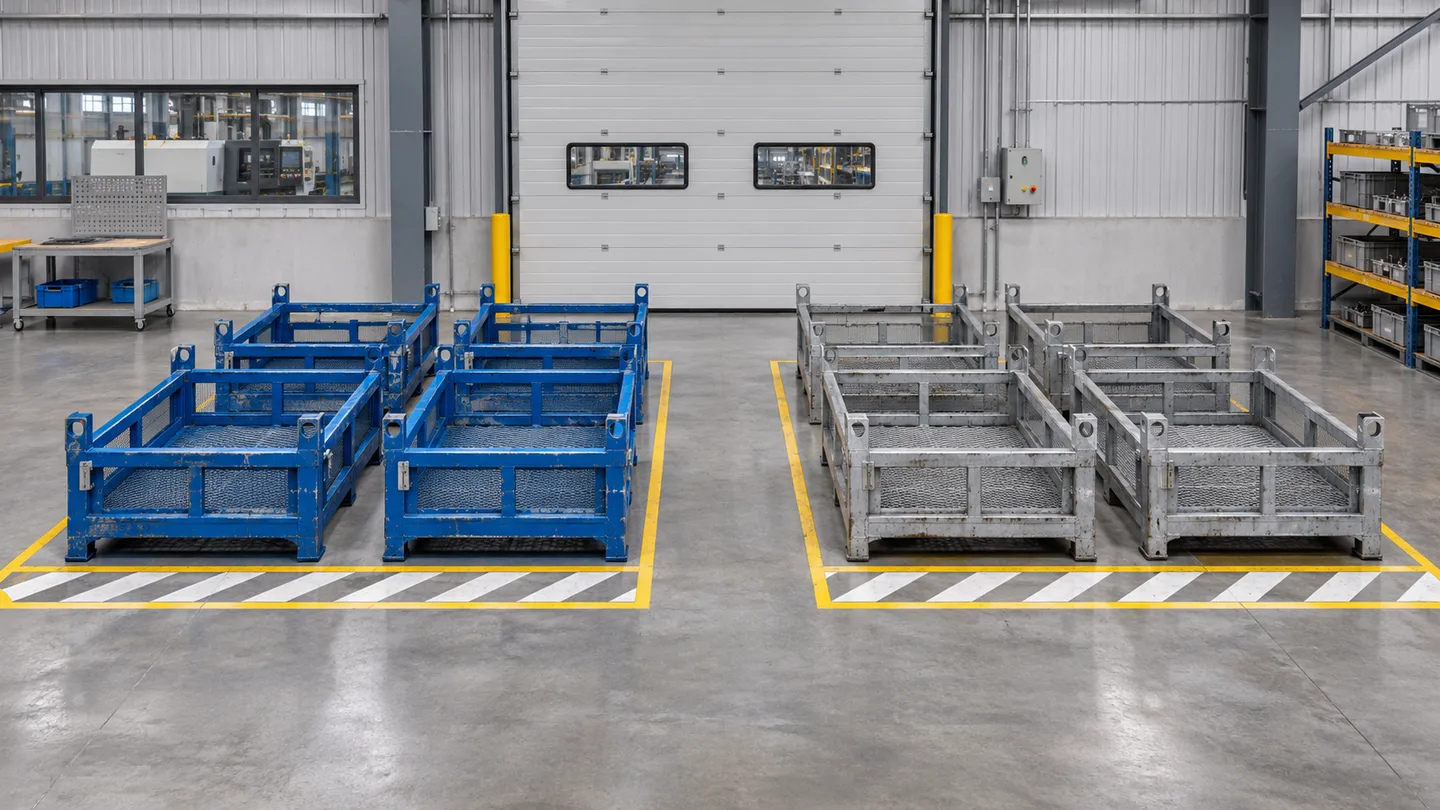
Imagine a supplier returns an empty mesh cage, a folding rack and several removable trays after a mixed production run. The racks belong on the next outbound truck. The trays go to a different receiving area. If they all arrive as one unmarked group, the receiver has to identify and handle them before anything can go back into use. A count by itself does not show whether the group can be broken down with the equipment at that bay.
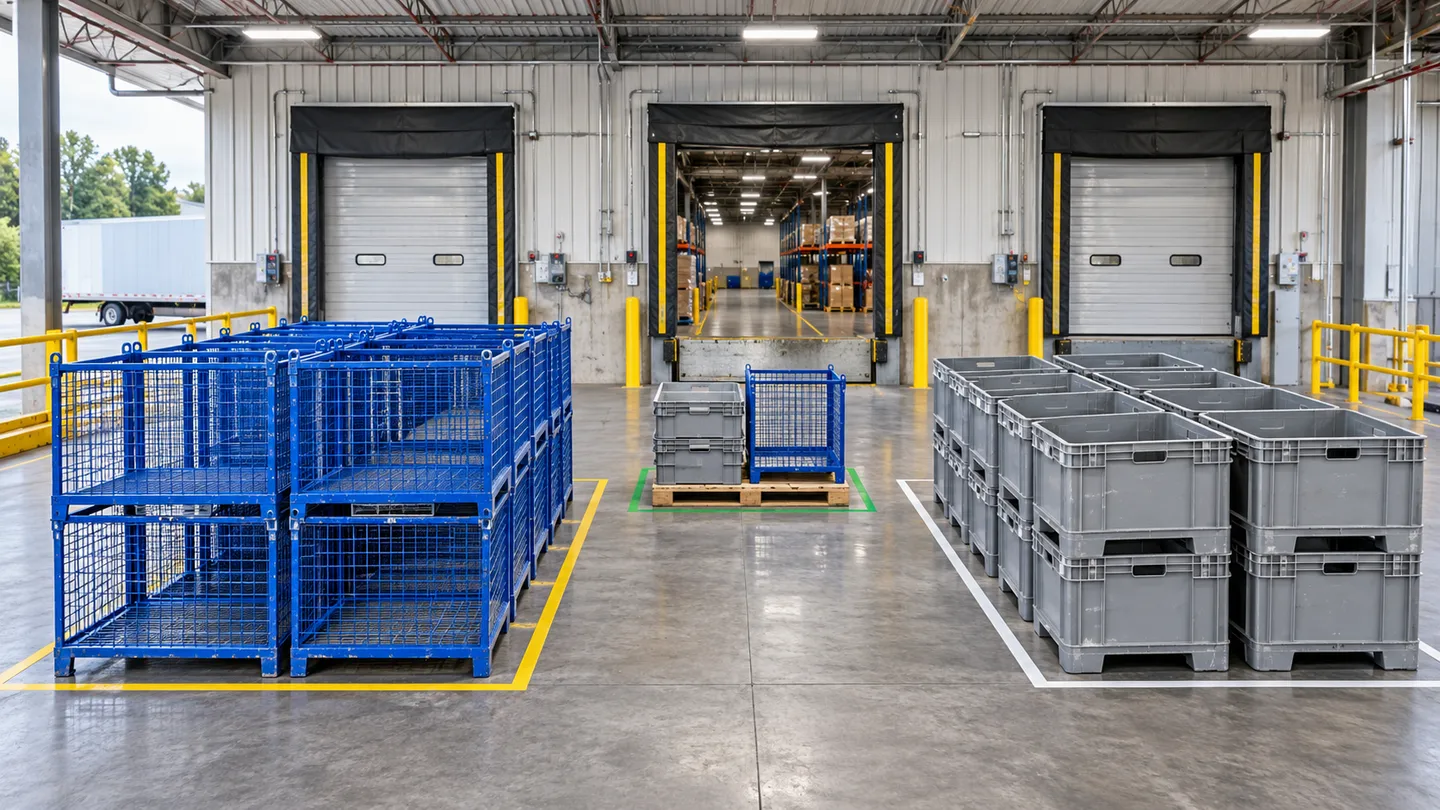
Map the packaging family, owner, revision or accessory state only where that difference changes the next physical action. If two empty carriers can go to the same destination and enter the same approved process, they may belong in one group. If one needs a separate fixture, repair review or another vehicle, make that division visible in the layout and return instruction.
Choose who will do the sorting
The sending site has an advantage when it still knows which line and part each carrier came from. Direct sorting works well when the dock has enough marked positions to complete groups before collection and the receiving site can put them away without another split. It becomes harder when small quantities sit waiting for a full group or when the work competes for the same space as loaded dispatch.
A hub can combine small returns and divide them into useful quantities for each destination. It needs a receiving position for the mixed load, space for the groups, a handling plan and an assigned person or system to resolve exceptions. Tosca describes sorting pooled assets by type and size at a central point. HB RTS describes central counting and sorting. Ask what your sites can actually perform before choosing that route.
| Option | When it fits | What to specify |
|---|---|---|
| Sort at dispatch | One site can identify and group empties | Specify ready groups by next destination |
| Sort at the hub | Several sites feed a capable sort point | Specify permitted mixed transport units |
| Split the stream | Some groups are clear and some need review | Send known groups direct and route exceptions |
Separate transport compatibility from destination
Different assets can share a vehicle only under a transport arrangement approved for the combination. Sharing a vehicle does not make two carriers suitable for nesting or stacking together. Draw each planned transport group with its supported footprint and approved restraint, then show where a driver or receiver can release each group. If individual units need different equipment, keep them accessible in the required unload order.
For a split route, reserve direct movement for known groups that the destination accepts as received. Send mixed groups only to the hub that agreed to break them down. This prevents an intermediate dock from becoming an informal sorting point. Agree who has authority to change a group when the planned truck or receiving area is unavailable.
Put an exception position next to the decision
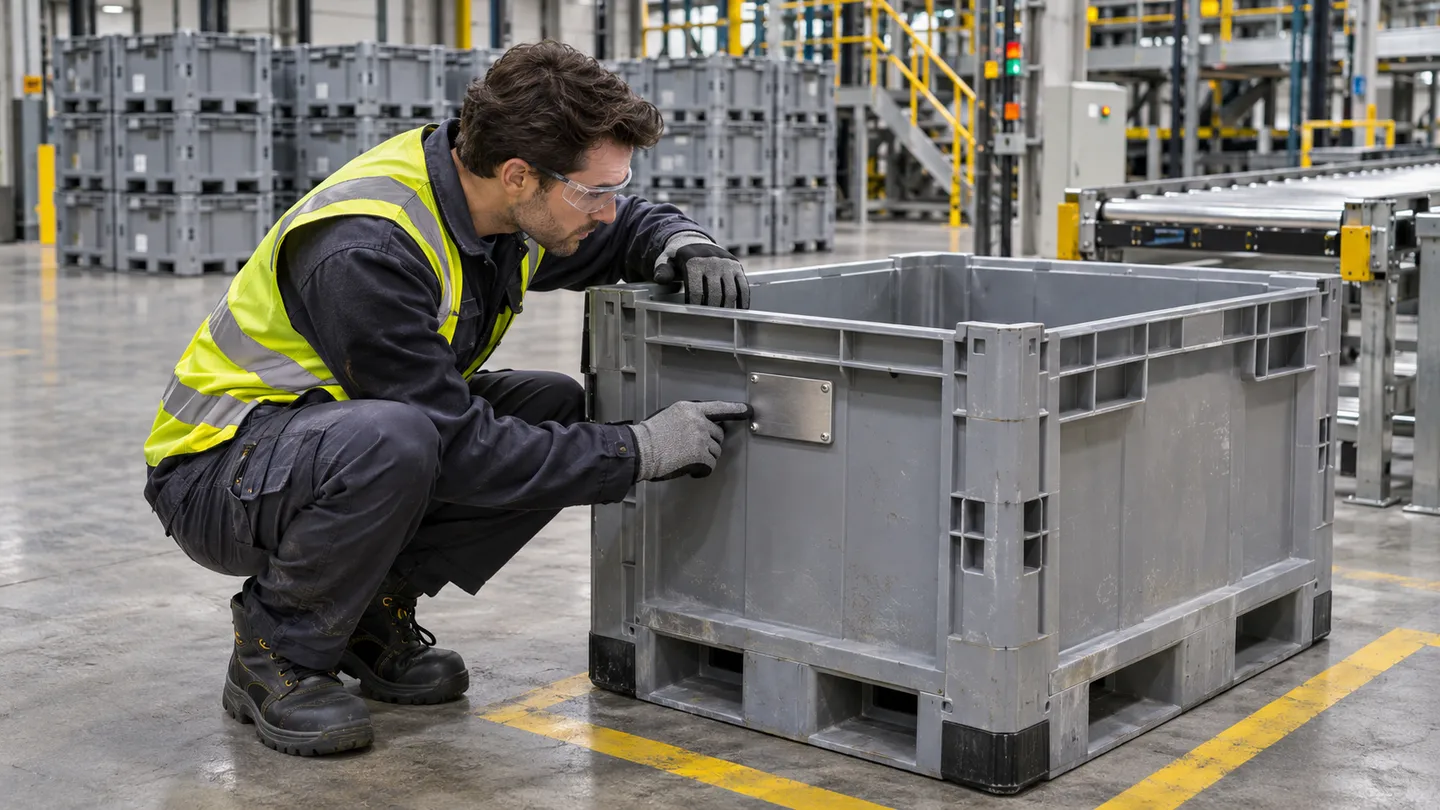
Use a separate place for unreadable identities, damaged units and loose accessories whose owner or revision is uncertain. Do not treat an unidentified unit as the nearest-looking model. Give the warehouse team the model drawing and asset list so they can identify the carrier. Return a matching, serviceable unit to its assigned location; send damaged or unidentified units to the repair or identification area.
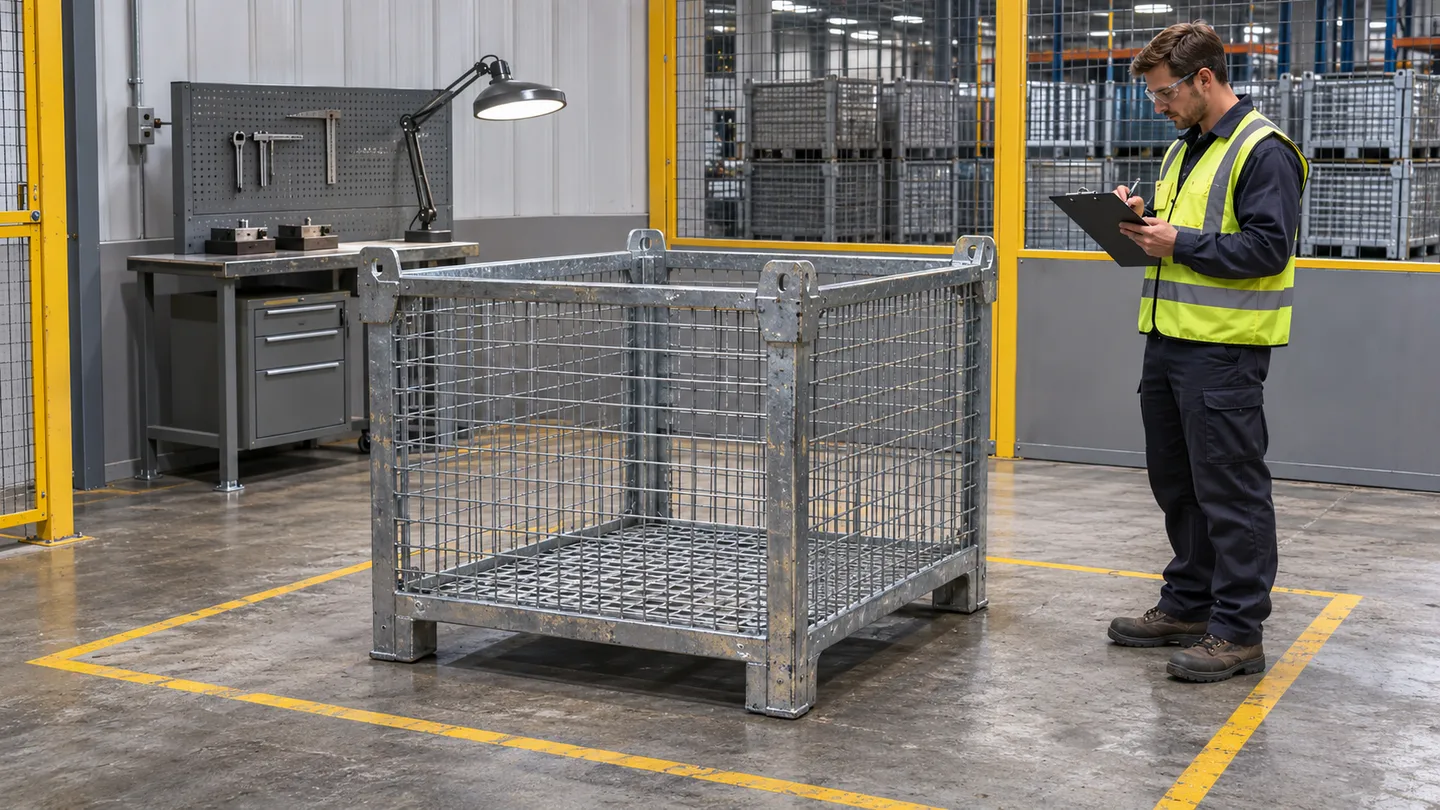
GS1 describes returnable asset identification across sorting and allocation. The identifier helps locate the correct record. The plant still needs a decision about the physical unit. Check that the plate or label can be seen in the approved empty state, that a folded member does not hide it and that the operator can find it without dismantling an approved transport group.
Trial the route with a deliberately mixed return
Use a representative group that includes one near-lookalike, one missing accessory and one unit that should go directly onward. At dispatch, show who closes the group and how the driver knows its unload order. At the hub, check that the operator can reach the identifiers, separate the group and clear the bay without blocking the next arrival. At receiving, confirm that the actual group fits the next storage or production action.
Record the work involved at each stop. Count moves and temporary positions for the trial, rather than assuming that pooling at one location saves handling. Look for repeated sorting or extra dwell before a group can leave. Compare those observations with a direct sort and assign the handoff to the site that can carry it out consistently.
Send the operating sketch with your quote request
Give your custom returnable packaging supplier the empty-state photos and drawings, the planned dispatch and receiving points, the approved groupings and the next destination of each carrier family. Mark removable accessories, identification access, equipment and the exception position. Ask the supplier to compare any design changes needed to keep parts with the carrier or expose the identifier in the approved empty state.
HAOFU’s customization process takes part, carrier and handling inputs for a custom design review. Start with one troublesome mixed return and a sketch. A full asset register can follow once the physical split is understood. Ask the site teams to own sorting, movement and release rules. The rack drawing and the operating instruction should refer to the same carrier configurations.
Prepare your enquiry
- Choose who will do the sorting The sending site has an advantage when it still knows which line and part each carrier came from.
- Separate transport compatibility from destination Different assets can share a vehicle only under a transport arrangement approved for the combination.
- Put an exception position next to the decision Use a separate place for unreadable identities, damaged units and loose accessories whose owner or revision is uncertain.
- Trial the route with a deliberately mixed return Use a representative group that includes one near-lookalike, one missing accessory and one unit that should go directly onward.
See the HAOFU design options or send a photo and short requirement to discuss your configuration.
Related guides and technical references
Frequently Asked Questions
- When is source sorting better?
- When dispatch can identify the units and build approved groups that the next site can use as received.
- Can unlike empty carriers travel together?
- Compare the approved transport arrangement, restraint, support and unload order. Sharing a vehicle does not establish stack or nest compatibility.
- Who resolves an unreadable identity?
- Assign a named owner with an approved reference and hold the unit apart until it can be routed.
- What should I send for a custom packaging quote?
- Start with a photo and the mixed return problem. Add carrier drawings, next destinations, empty states and the intended handling route.