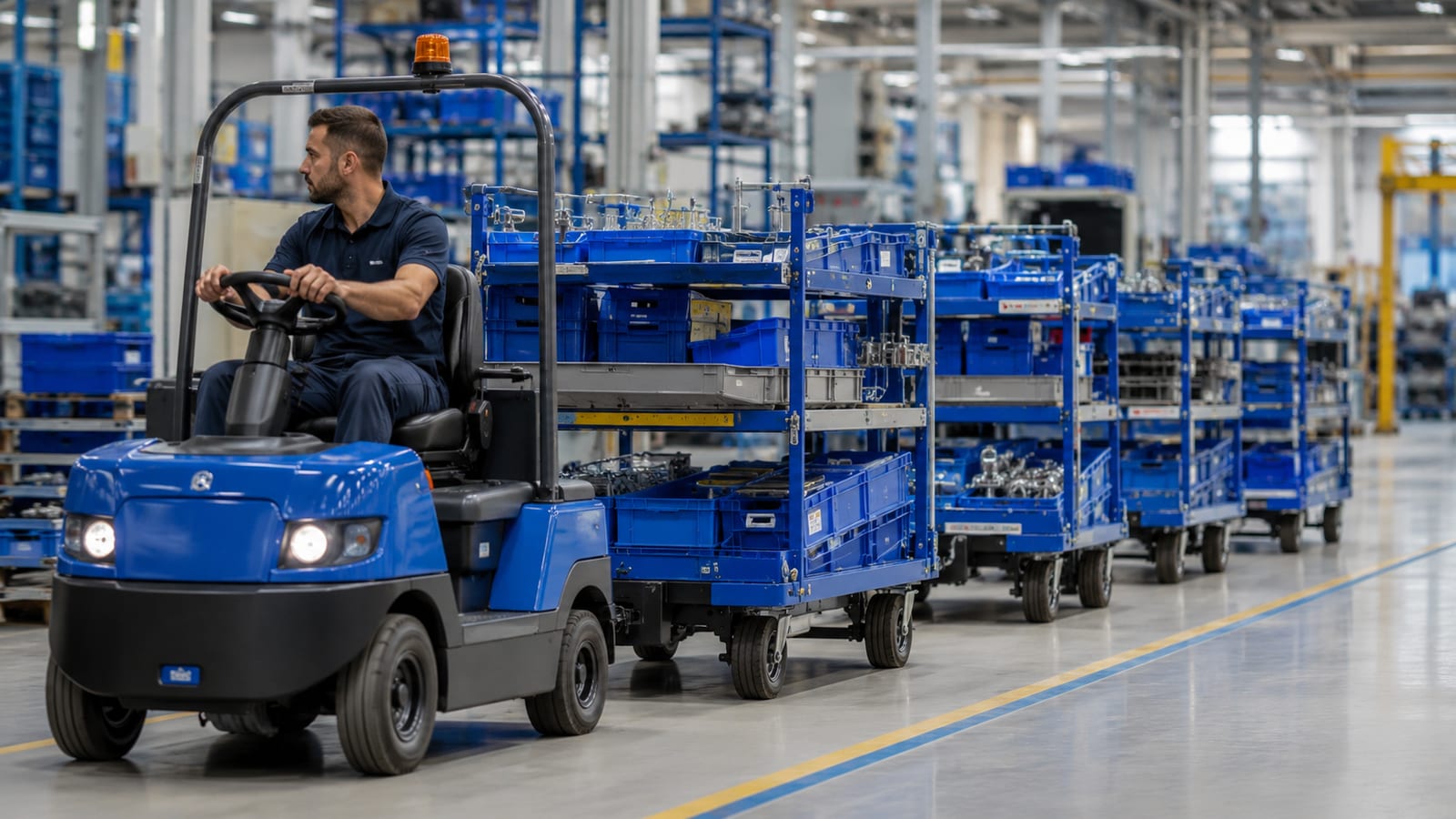
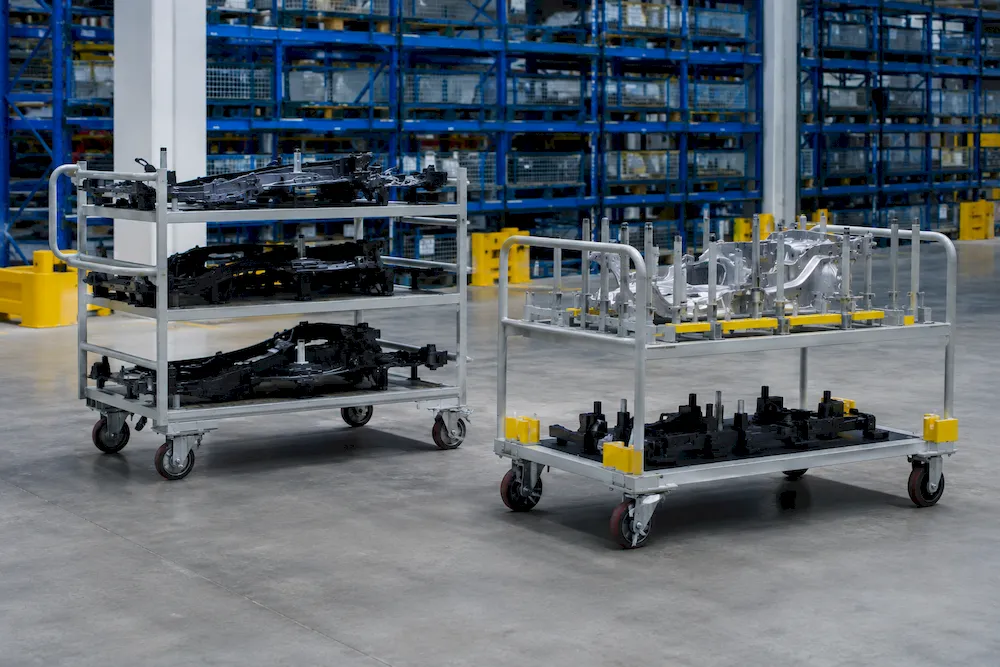
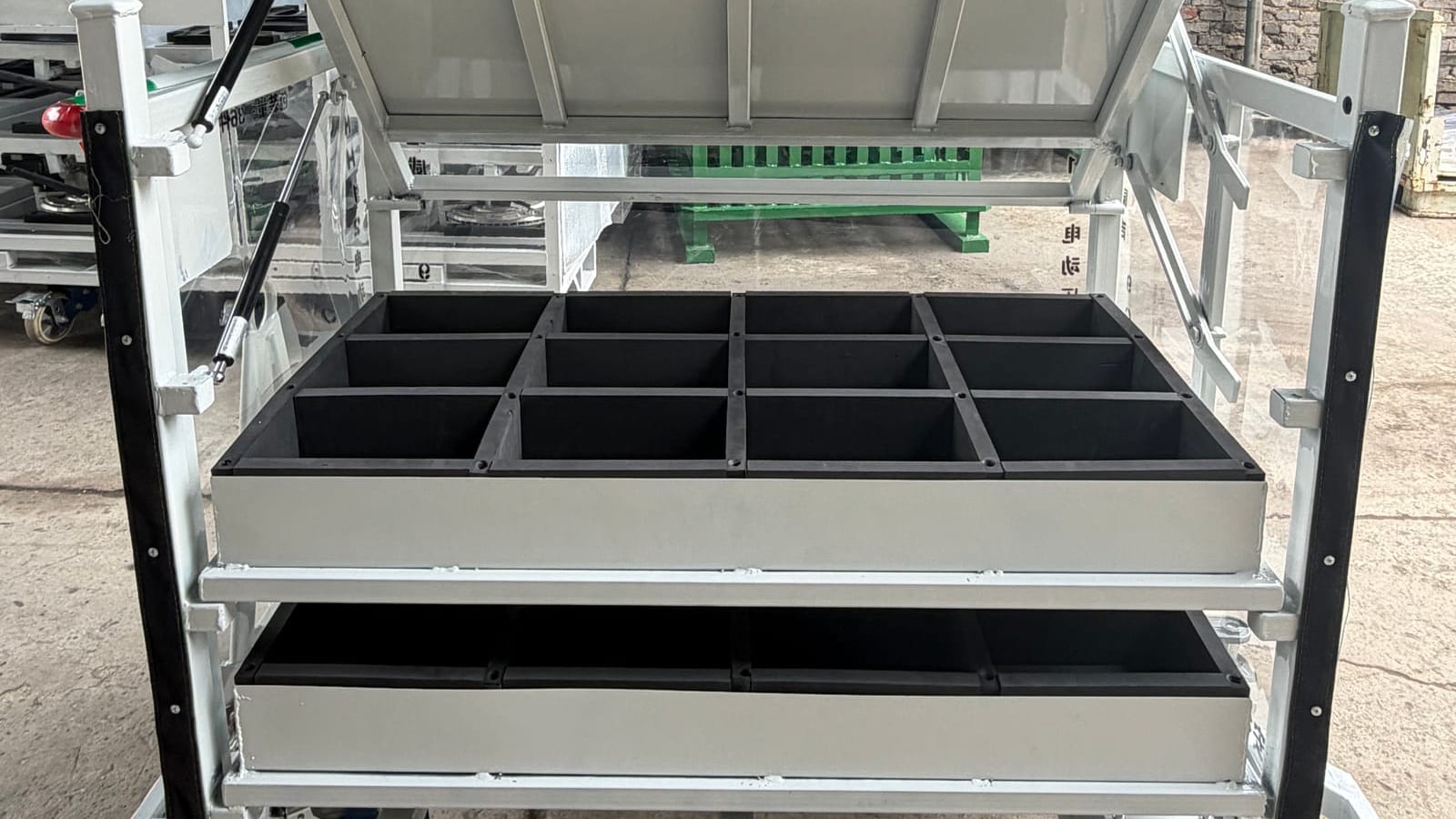
Tugger Cart Turning Route: Input Brief

A tugger-cart turning route must be reviewed with the actual tugger, cart arrangement, coupling, loaded and empty states, route geometry, corners, crossings, stops and site constraints. The relevant question is the swept path of the whole train—not a universal turning-radius number. Send those inputs for a project-specific trolley review, then let the responsible equipment and site owner confirm the operating arrangement.
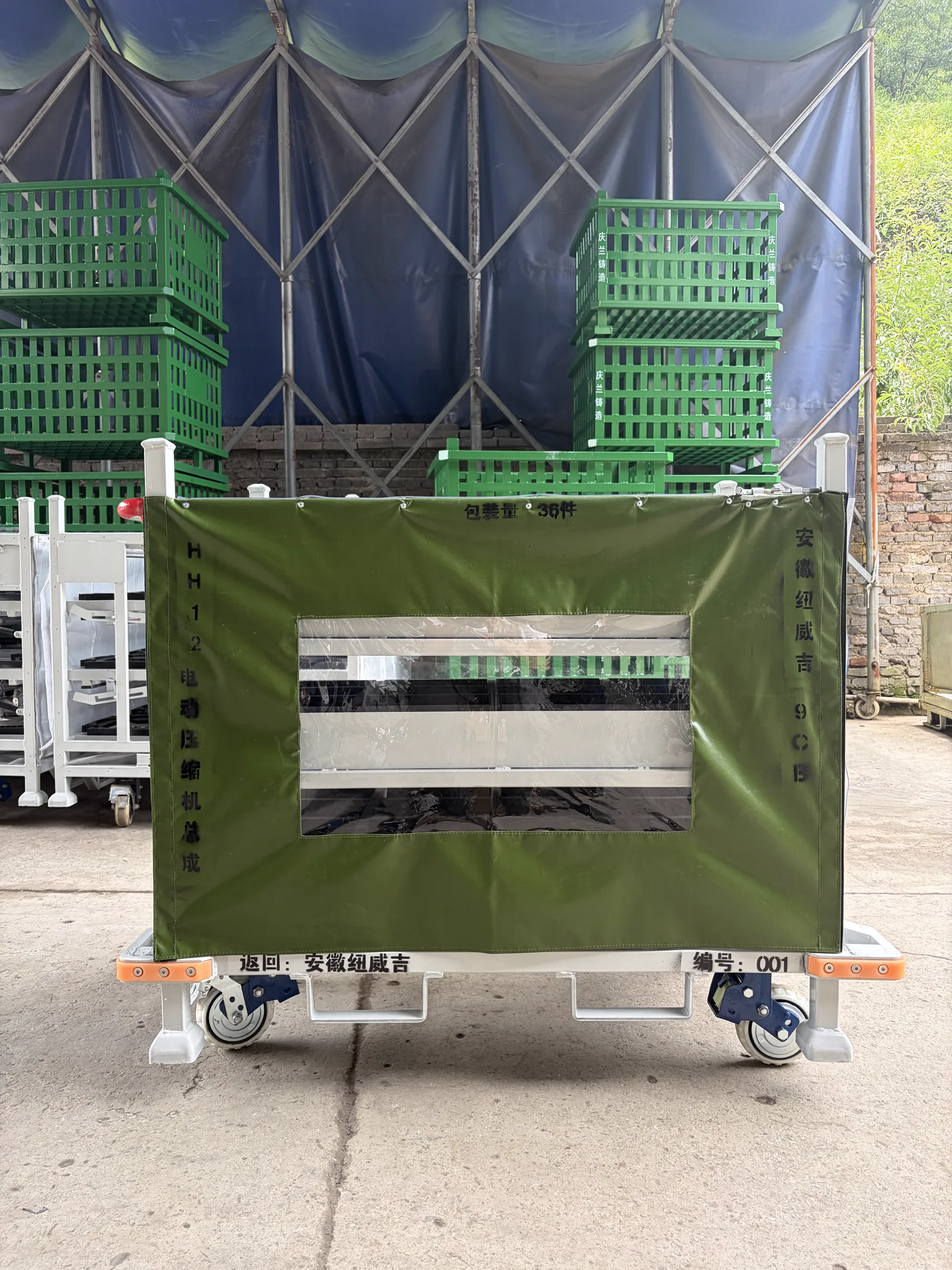
A tugger-cart turning route should be reviewed from the actual train, not a generic radius. Record the tugger and attachment, cart count/order, coupling and steering arrangement, loaded and empty states, cart width/length, every turn, crossing, doorway, stopping point and relevant site constraint. The resulting swept-path question belongs to the responsible equipment and site team; it becomes an input for a project-specific trolley configuration, not a promise that a catalogue cart will fit.
This brief is for logistics engineers, line-side planners and procurement teams. K.Hartwall's route discussion is useful because it distinguishes straight travel from the train's swept path in a turn. Flexpipe's tugger-cart guide similarly starts with stops and route mapping. Their dimensions, compatibility claims and operating advice are not transferable to a HAOFU project.
Quick decision: review the complete train and route
| Input group | What to capture | Question to resolve |
|---|---|---|
| Train configuration | Tugger/attachment, cart order/count, coupling and steering concept. | What combination is actually moving? |
| Cart states | Loaded and empty arrangement, part presentation and any removable component. | Does the geometry change by state? |
| Route geometry | Turns, crossings, aisles, doors, staging and stop locations. | Where must the whole train pass? |
| Operational conditions | One-way rules, pedestrians, other equipment and site-specific restrictions. | Which constraints must the site owner assess? |
| Review evidence | Route drawing, equipment data, mock-up or trial requested by the buyer/site. | What proves the project arrangement was reviewed? |
Why a train's swept path is the key question
A cart may clear a straight aisle while the complete train needs different space in a corner. K.Hartwall identifies the tugger wheelbase, cart coupling distance and turn angle as inputs to the swept path. That is why this guide asks for the actual equipment and route drawing rather than publishing a clearance. The responsible site and equipment owner must assess the real operating arrangement, including local safety requirements.
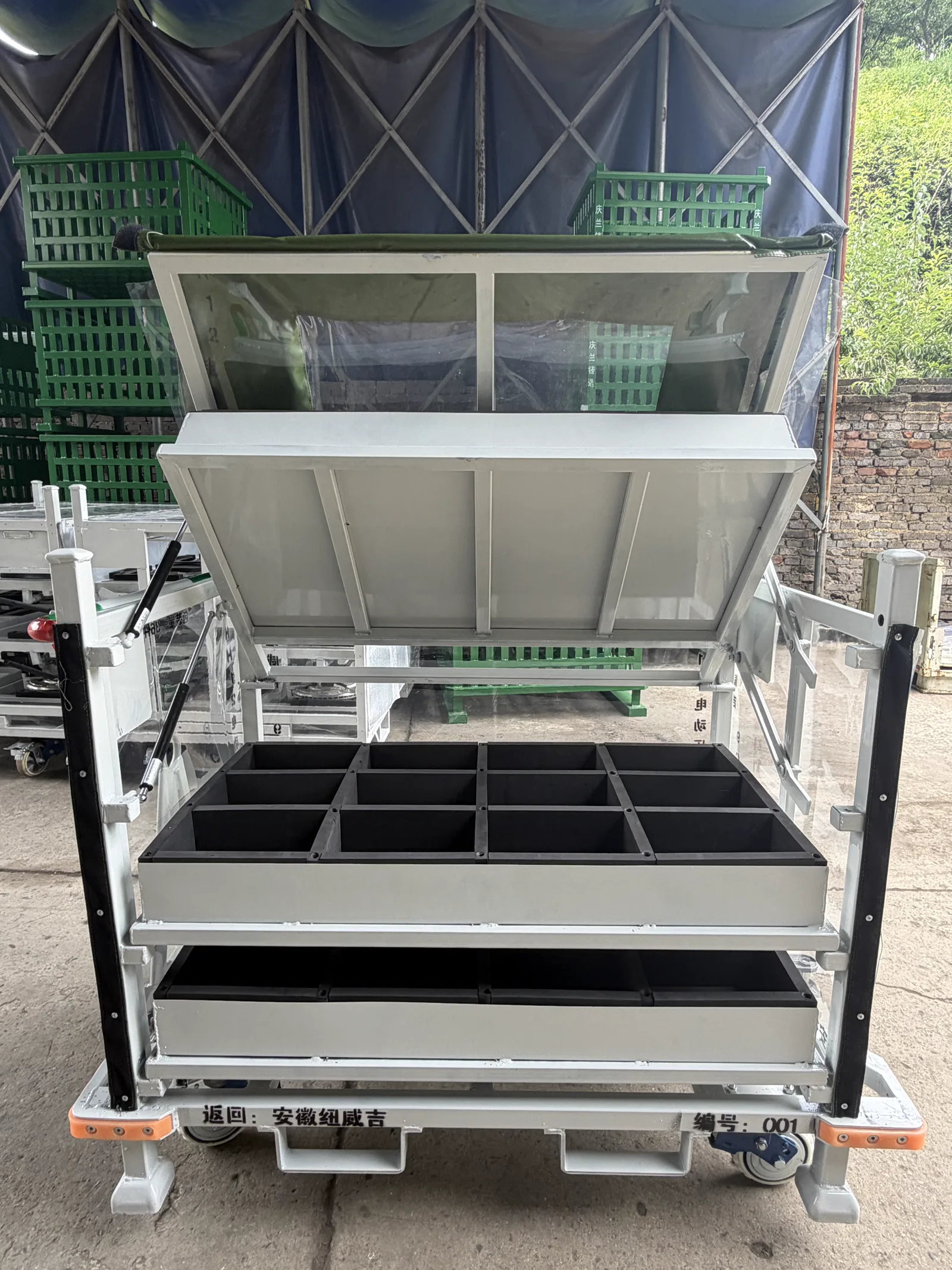
Five steps for a route-turning brief
- Identify the actual tugger and connection. Record the towing equipment, attachment and the intended cart/coupling arrangement.
- Draw the full train. Show cart order/count and the loaded and empty states, including any elements that change the outline.
- Map every route transition. Mark corners, crossings, aisles, doors, staging points and line-side stops on a current route drawing.
- State the review evidence. Ask for the site/equipment owner's required drawing check, mock-up, trial or other project record.
- Control the accepted configuration. Retain the reviewed route and trolley revision, open constraints and the decision owner; revisit the review when the equipment, route or train changes.
Keep this owner separate from milk-run and tow-hitch selection
The tugger-train and mother-daughter guide owns the milk-run delivery model. The tow-hitch systems page owns a narrow component/interface RFQ. This article owns only route-turning inputs. For the commercial category, see custom material handling trolleys; the paired steel-pallet export shipment brief covers outbound transport rather than an in-plant turning route.
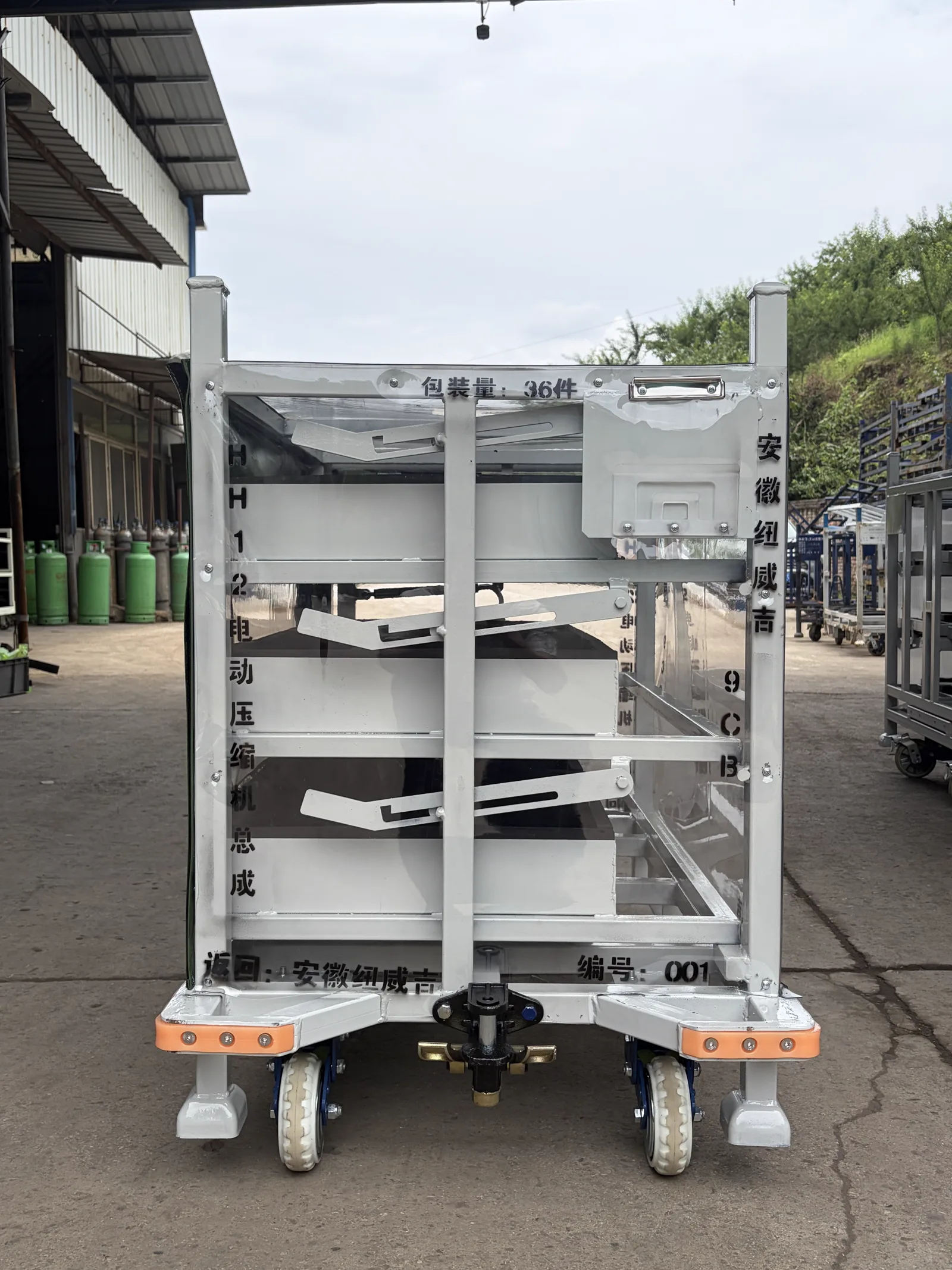
Relevant HAOFU video reference
See automotive compressor parts rack for real material-handling context. The video does not document a tugger route, coupling configuration, turning measurement or operating approval.
Request a trolley route review
Send the tugger/attachment data, train drawing, loaded and empty trolley states, route plan, corner/crossing details and requested evidence through the engineering RFQ path. HAOFU can review a project-specific trolley configuration; equipment suitability and site operation remain with the responsible buyer and site team.
Frequently Asked Questions
- What inputs are needed for a tugger-cart turning route review?
- Provide the actual tugger and attachment, cart order/count, coupling and steering arrangement, loaded and empty states, cart outline, route drawing, corners, crossings, stops and requested evidence.
- Can one turning-radius number confirm a tugger-cart route?
- No. The full train's swept path depends on the actual tugger, couplings, cart arrangement, loaded state and turn geometry. A generic number cannot confirm a different route.
- Why must loaded and empty cart states be reviewed separately?
- The cart outline, part presentation or removable components can change between states. The route review should identify every state that can alter the complete train's path.
- Does a trolley photograph prove tugger compatibility?
- No. A photograph can show a general trolley configuration but cannot establish tow connection, turning behavior, capacity, route clearance, operating procedure or site approval.
- Who approves a tugger-cart route?
- The responsible buyer, equipment owner and site team define the required review and acceptance route. HAOFU can review stated trolley inputs but does not replace their operating or safety authority.