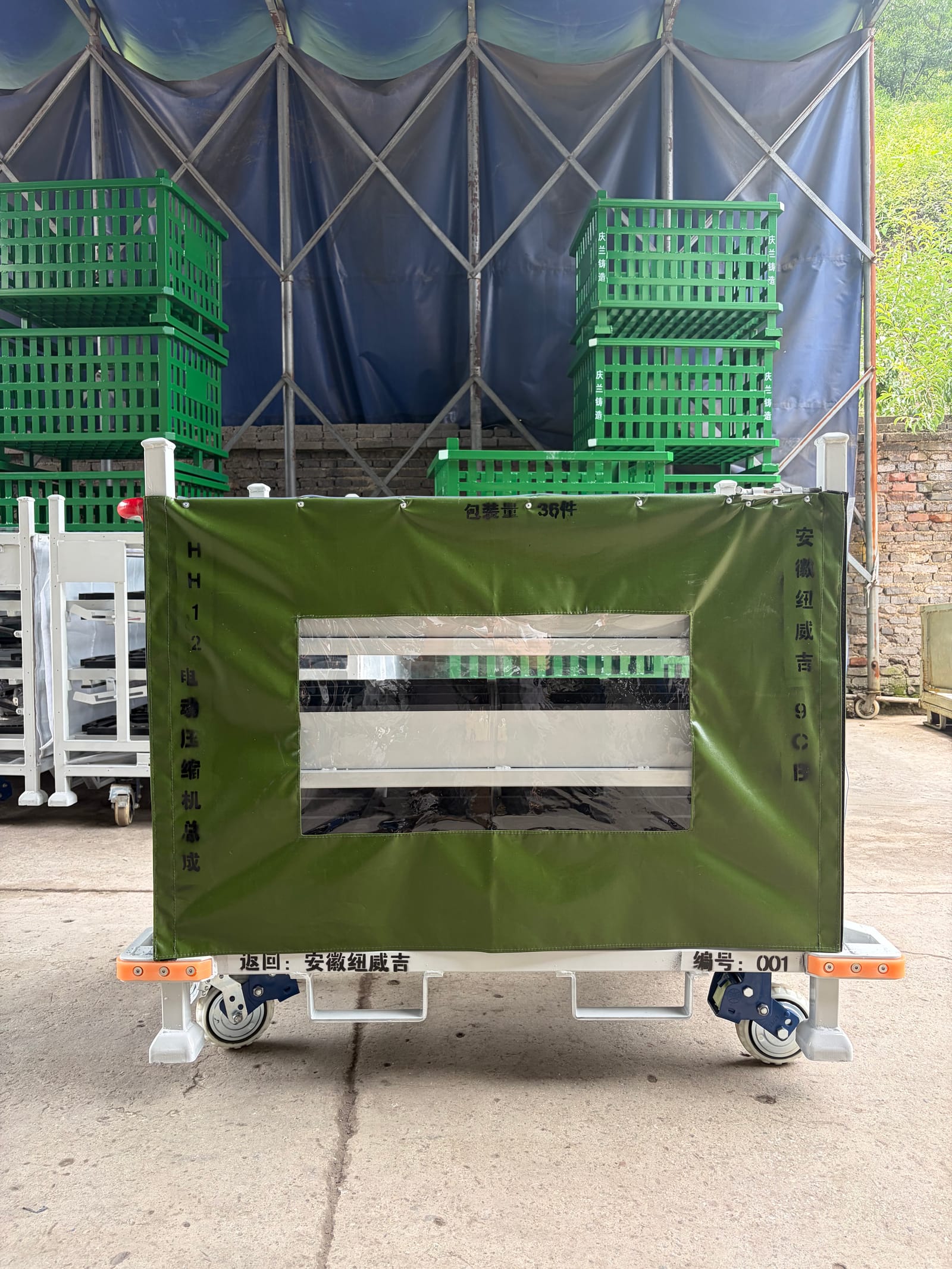
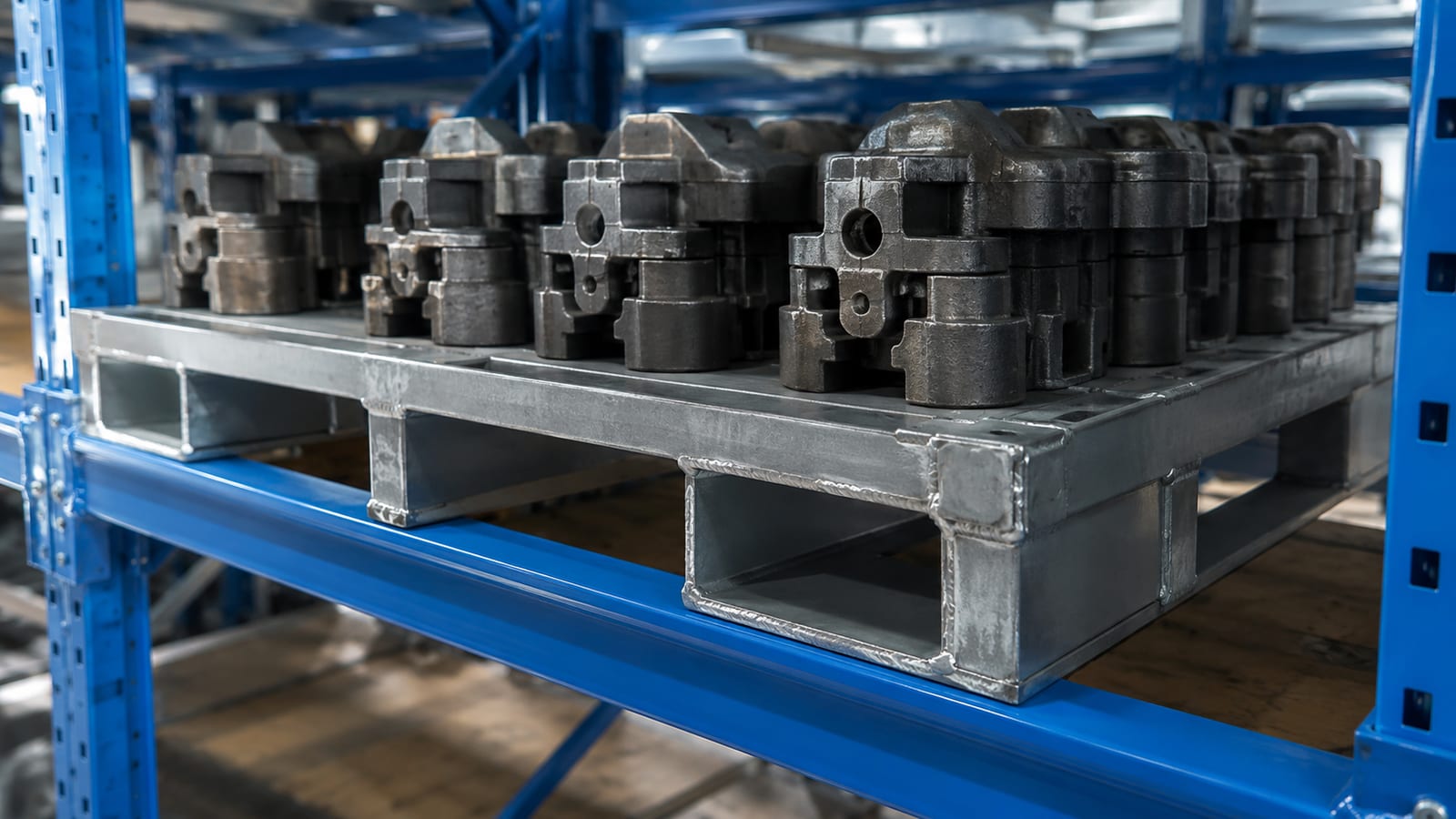
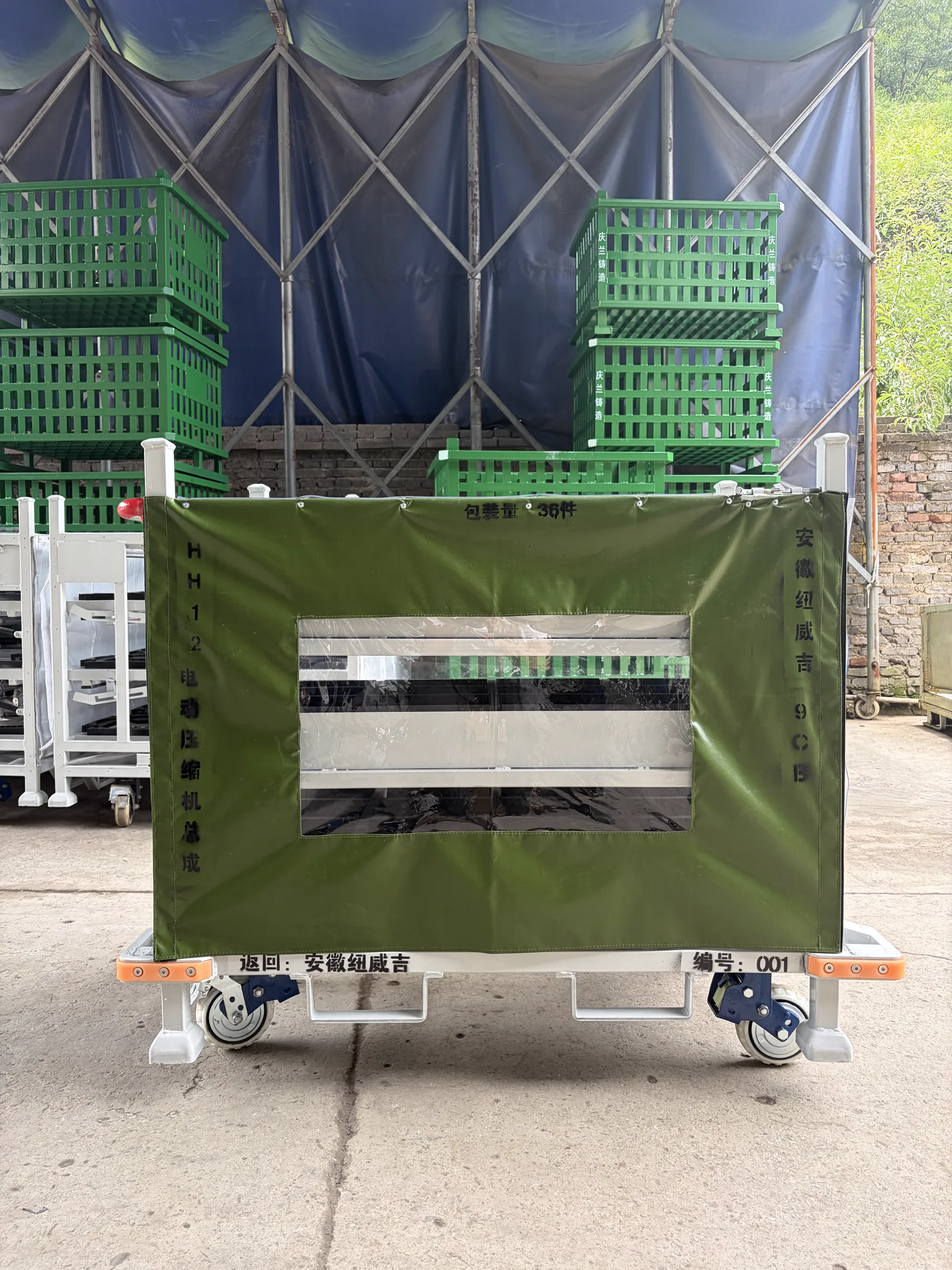
Steel Pallet Export Packing and Load Restraint

Plan steel pallet export restraint around the complete unit load: pallet and cargo dimensions, total weight, center of gravity, support and contact points, voids, handling method, container or vehicle, route and destination requirements. The freight professional should select and verify blocking, bracing, straps and protection for that shipment rather than copying a strap count from another load.
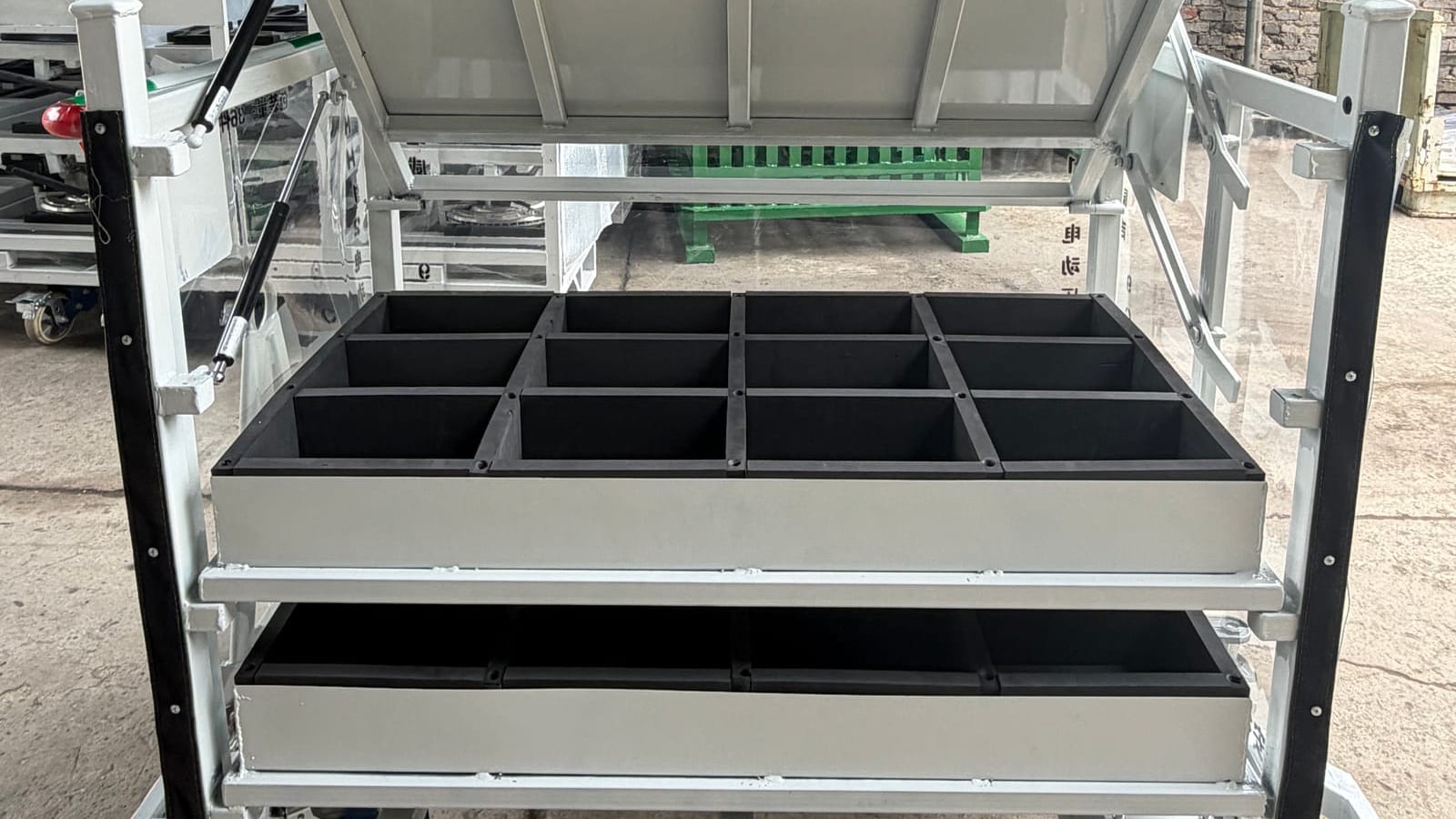
Steel pallet export packing should treat the pallet and cargo as one unit load. Start with the pallet and cargo dimensions, total weight, center of gravity, support and contact points, handling method and transport route. Then plan part protection, movement restraint within the pallet, and blocking, bracing or tie-down of the completed unit inside the vehicle or container.
There is no useful universal strap count. Strap capacity, angle and attachment, cargo shape, voids, friction, dynamic transport forces and local requirements all affect the method. A freight or load-securing professional should select and verify the arrangement for the actual shipment.
What information is needed for steel pallet export packing?
| Input | Information to provide | Planning use |
|---|---|---|
| Pallet and cargo | Dimensions, weight, center of gravity and load distribution. | Defines the complete unit load. |
| Part protection | Contact restrictions, finish sensitivity, covers and separators. | Prevents packing materials from damaging cargo. |
| Handling | Forklift, crane, lifting points and transfer steps. | Keeps restraint clear of handling interfaces. |
| Transport space | Vehicle or container dimensions, adjacent units and voids. | Supports blocking and loading layout. |
| Route and destination | Transport modes, transfers, climate and applicable requirements. | Sets protection and documentation needs. |
Secure the cargo to the pallet, then the pallet in the vehicle
First prevent the part or cargo from shifting on the steel pallet using the designed supports, dunnage and appropriate restraint. Then position and secure the completed unit inside the container or vehicle so it cannot move into adjacent cargo or walls. Keep straps and blocking away from sensitive surfaces and verify that all attachment points are intended for restraint.
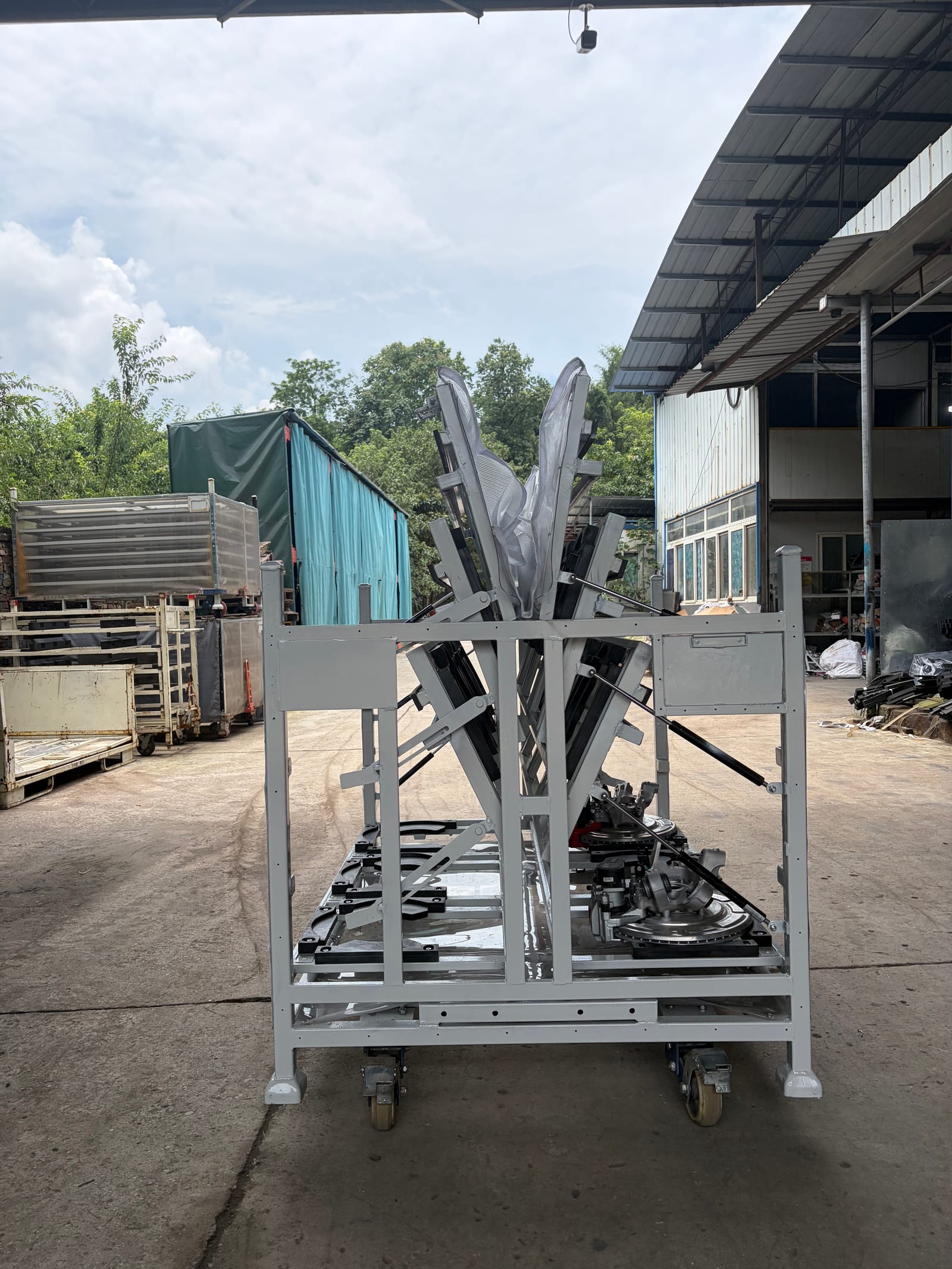
Five steps before export dispatch
- Document the unit load. Confirm pallet and cargo dimensions, weight, center of gravity and support points.
- Protect the part. Select contact materials, covers and moisture protection for the cargo and route.
- Design internal restraint. Prevent cargo movement relative to the steel pallet without loading sensitive areas.
- Plan the container layout. Show unit positions, voids, blocking, bracing and tie-down points.
- Inspect before dispatch. Check pallet condition, cargo position, restraint, labels and required packing records.
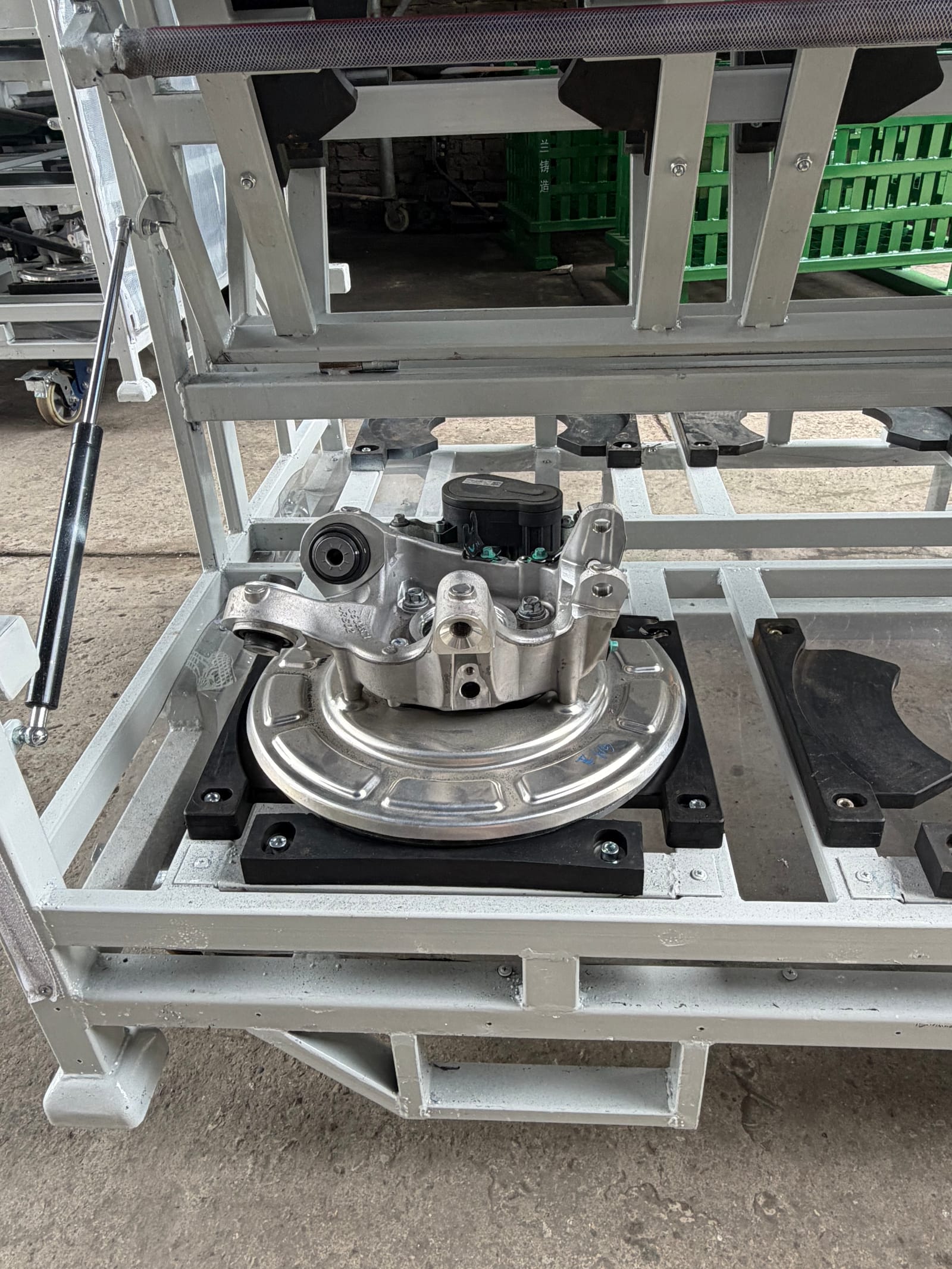
Related steel pallet guides
See the steel pallet load-capacity guide, the forklift interface guide and custom steel pallets.
Request a steel pallet quote
Send the cargo drawing, pallet layout, total weight and center of gravity, handling method, container or vehicle plan, destination and quantity through the steel pallet RFQ form.
Frequently Asked Questions
- What information is needed for steel pallet export packing?
- Provide pallet and cargo dimensions, total weight, center of gravity, support points, contact restrictions, handling method, vehicle or container layout, route and destination.
- How is cargo secured to a steel pallet?
- Use designed supports, dunnage and suitable restraint to prevent cargo movement relative to the pallet while avoiding sensitive surfaces. The exact method depends on the unit load.
- Can I reuse a strap count from a previous shipment?
- A strap count should be calculated for the actual load geometry, weight, strap capacity and angle, attachment points, vehicle or container, route and applicable requirements.
- What is the difference between pallet restraint and container restraint?
- Pallet restraint holds cargo on the steel pallet. Container or vehicle restraint prevents the completed palletized unit from moving within the transport space.
- What should I send for a steel pallet quote?
- Send the cargo drawing, pallet layout, total weight and center of gravity, handling method, container or vehicle plan, destination and quantity.