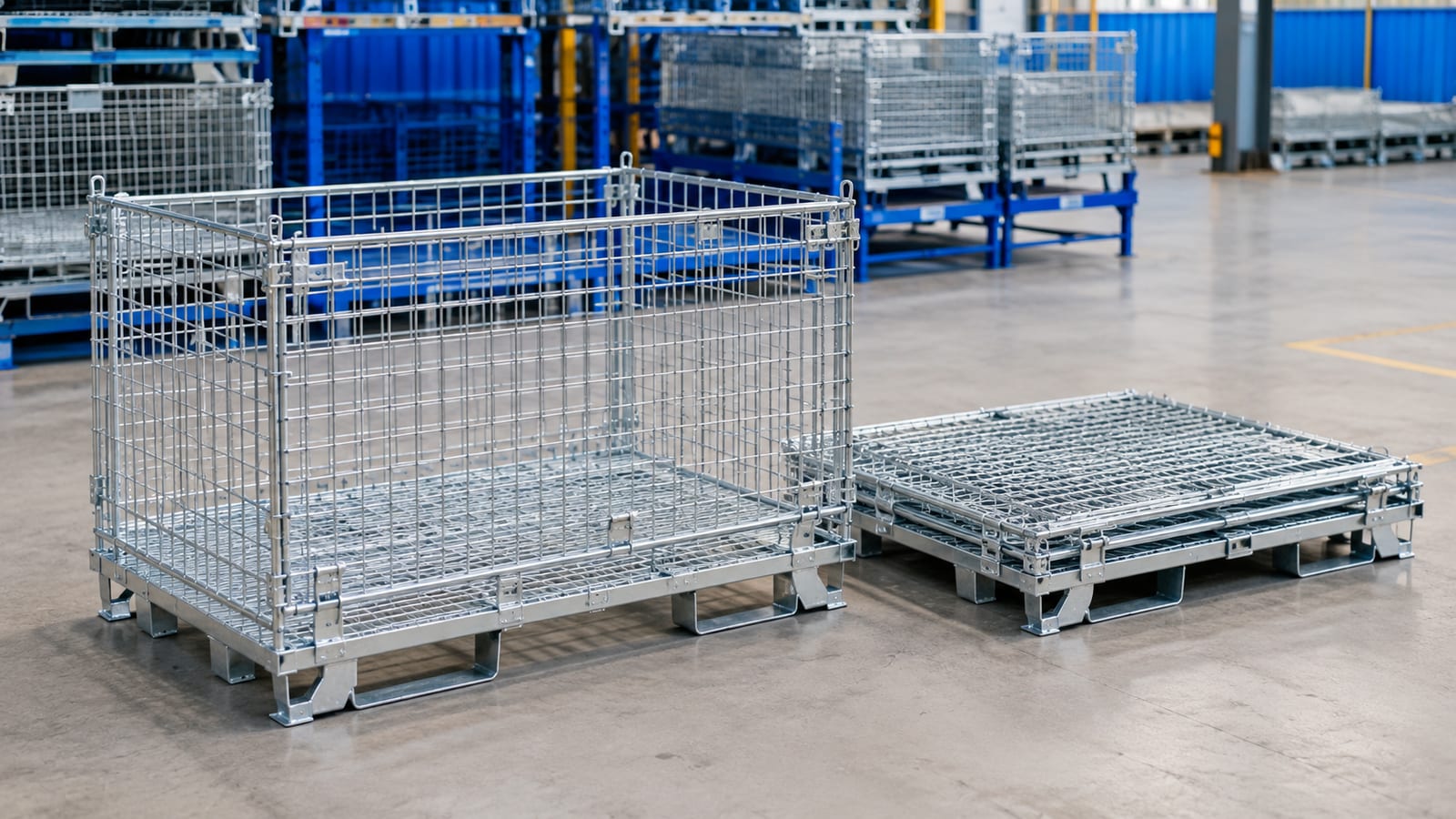
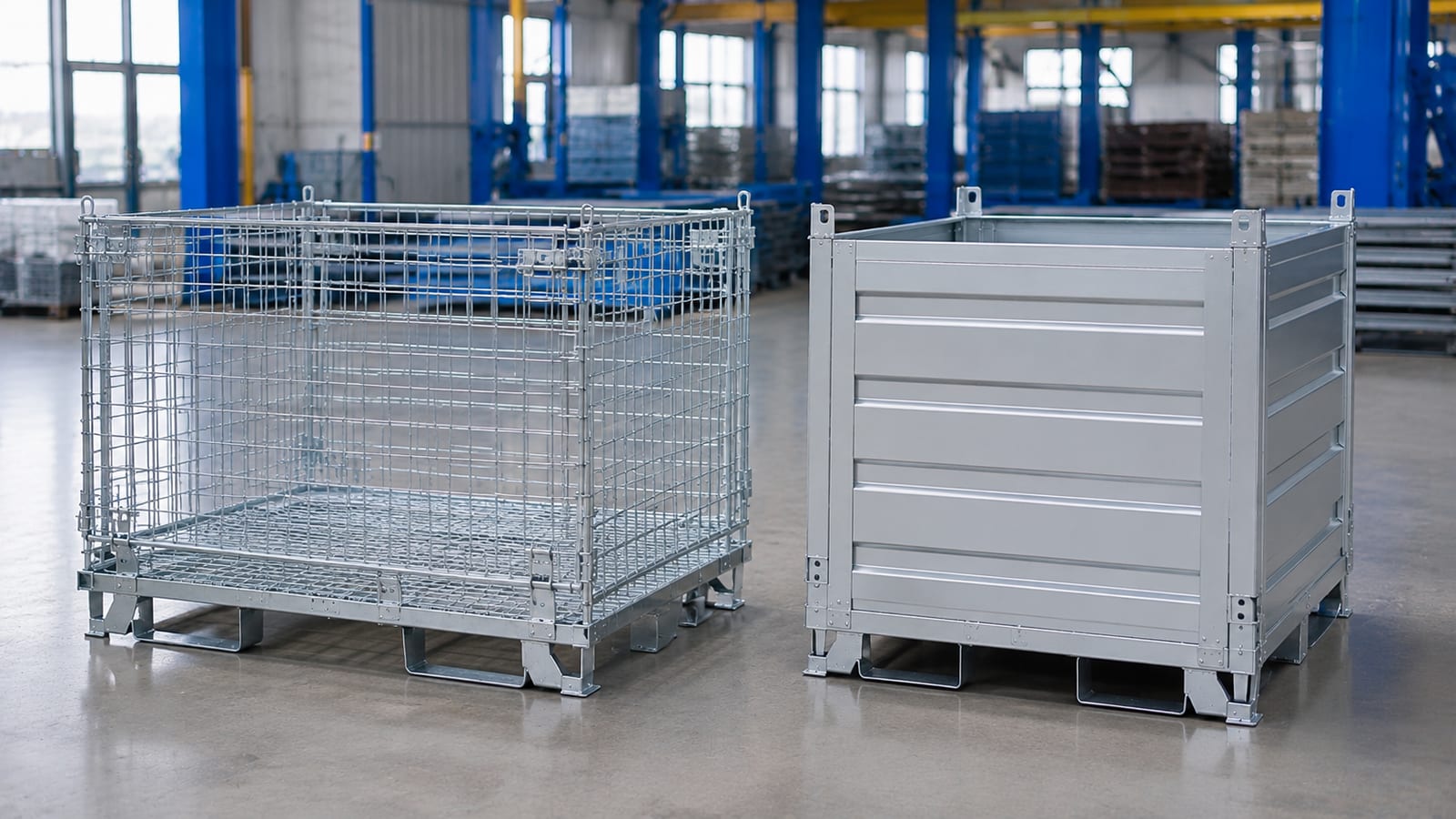
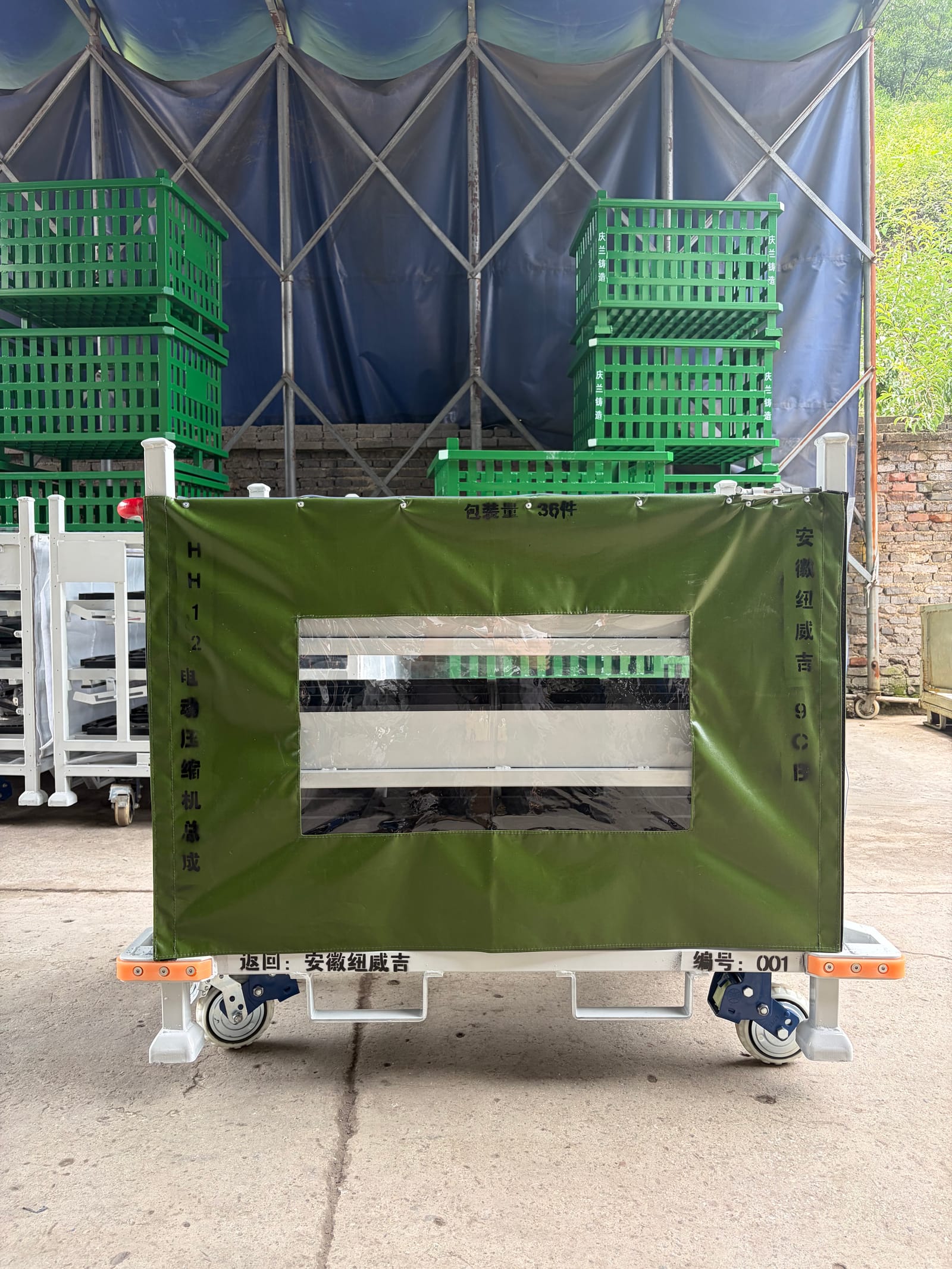
Wire Mesh Container Access Gates for Picking and Replenishment

Choose a wire mesh container access gate from the actual loading, picking and replenishment sequence. Define the smallest part, container fill height, reach direction, gate opening and support position, latch location, forklift handling, loaded stacking and empty return. Trial a sample with representative parts to confirm that the open gate improves access without allowing parts or dunnage to interfere with the opening.
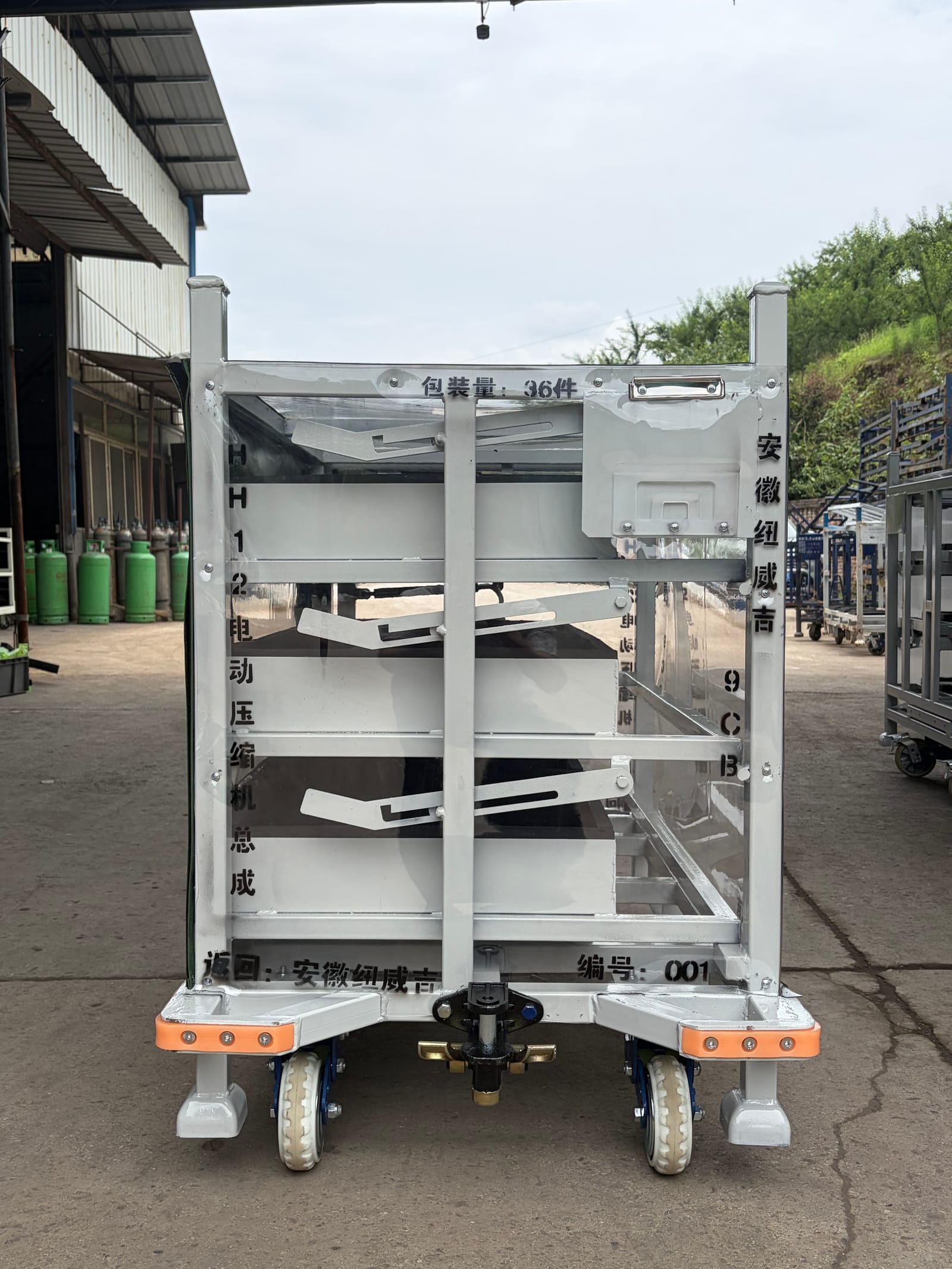
A wire mesh container access gate should make loading, picking or replenishment easier at the required fill height. Start with the smallest part, orientation, quantity, dunnage and the side from which operators or equipment approach. Then select a half-drop, full-drop, hinged, removable or open-top arrangement that maintains part containment and stays clear of handling interfaces.
Also define where the gate rests when open, whether it can be used while containers are stacked, how the latch is reached, and how the empty container folds or returns. A gate that improves picking can still create interference if it swings into an aisle, blocks forklift access or traps internal dividers.
How do wire mesh container gate options compare?
| Option | Typical access | Questions to check |
|---|---|---|
| Half-drop gate | Reach into lower or middle part positions. | Fill height, latch reach and retained wall height. |
| Full-drop panel | Wide side loading or unloading. | Open-panel support, aisle clearance and part containment. |
| Hinged door | Repeated side access. | Swing path, latch, stacking and handling clearance. |
| Removable panel | Maximum opening for occasional access. | Panel storage, handling steps and component control. |
| Open top | Overhead or top loading. | Reach height, crane or hoist path and need for a lid. |
Specify access in four steps
- Map the parts: record the smallest item, quantity, orientation, contact restrictions and dunnage.
- Show the motion: draw how operators or equipment load, pick and replenish each position.
- Check closed-state handling: confirm latching, forklift movement, loaded stacking and empty return.
- Trial a sample: run the real loading, picking, replenishment and handling sequence.
Related wire mesh container guides
Compare mesh and solid steel containers, read the foldable mesh container guide and browse custom wire mesh containers.
Request a wire mesh container quote
Send part drawings or photos, smallest-part details, quantity, loading and picking sequence, handling equipment, stack and return arrangement, container quantity and destination through customization.
Frequently Asked Questions
- How do I choose a wire mesh container access gate?
- Start with the smallest part, orientation, reach direction, loading and replenishment sequence, closed-state handling and return condition. The gate is a project access feature, not a default fit for every mesh container.
- Is a half-drop gate always best for picking?
- No. It can be useful for some reach patterns, but part retention, operator access, dunnage, stacking and the open-gate position must be checked against the actual workflow before selection.
- What should be tested on a mesh-container sample?
- Run the real loading, picking, replenishment, handling, stacked and empty-return conditions. Confirm that the gate, latch, mesh openings and internal separation work with the approved part revision.
- Does mesh visibility make a container suitable for small parts?
- Not by itself. The smallest part, mesh opening, base, divider, containment and handling route determine whether an open mesh structure is appropriate for the specific application.
- What information does a supplier need for an access-gate quote?
- Provide part drawings or photos, smallest-part details, quantity, picking and replenishment sequence, handling equipment, stack and return state, access restrictions and required approval evidence.