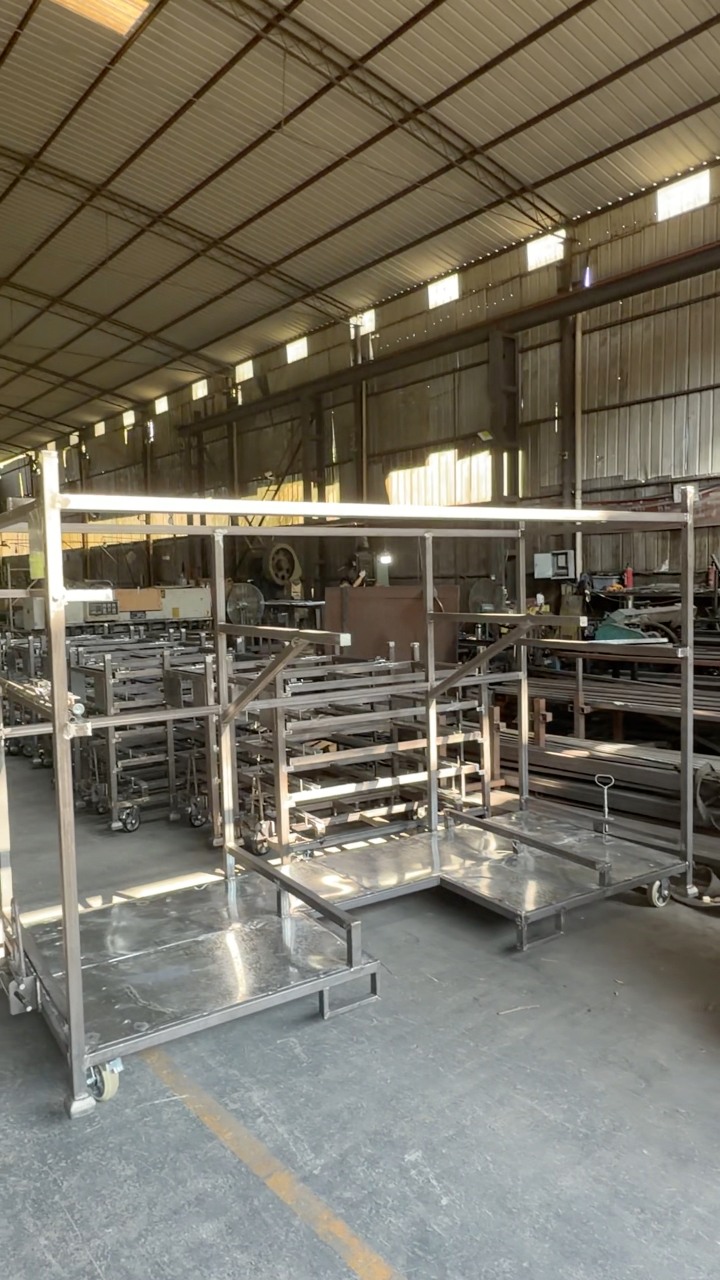
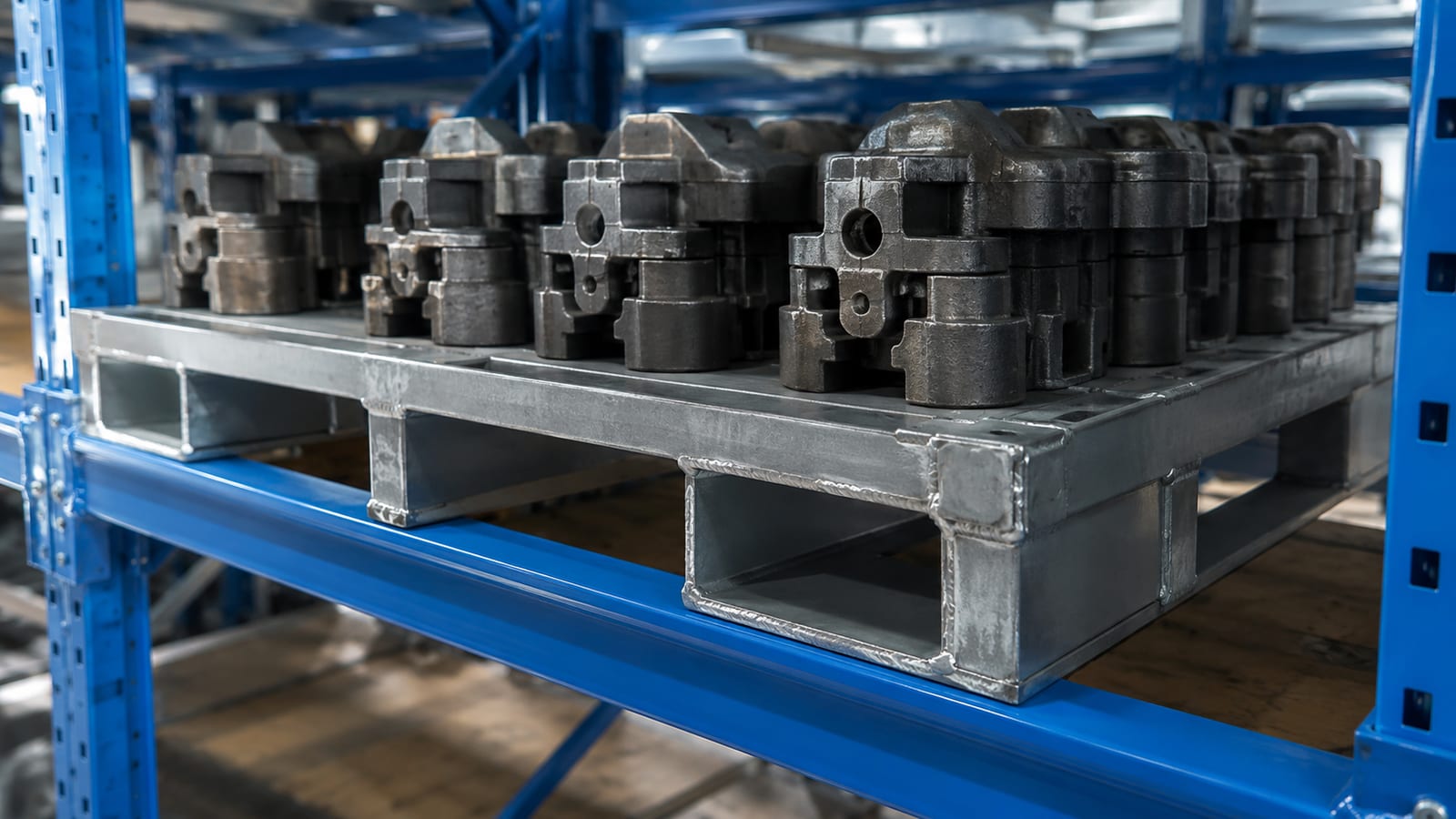
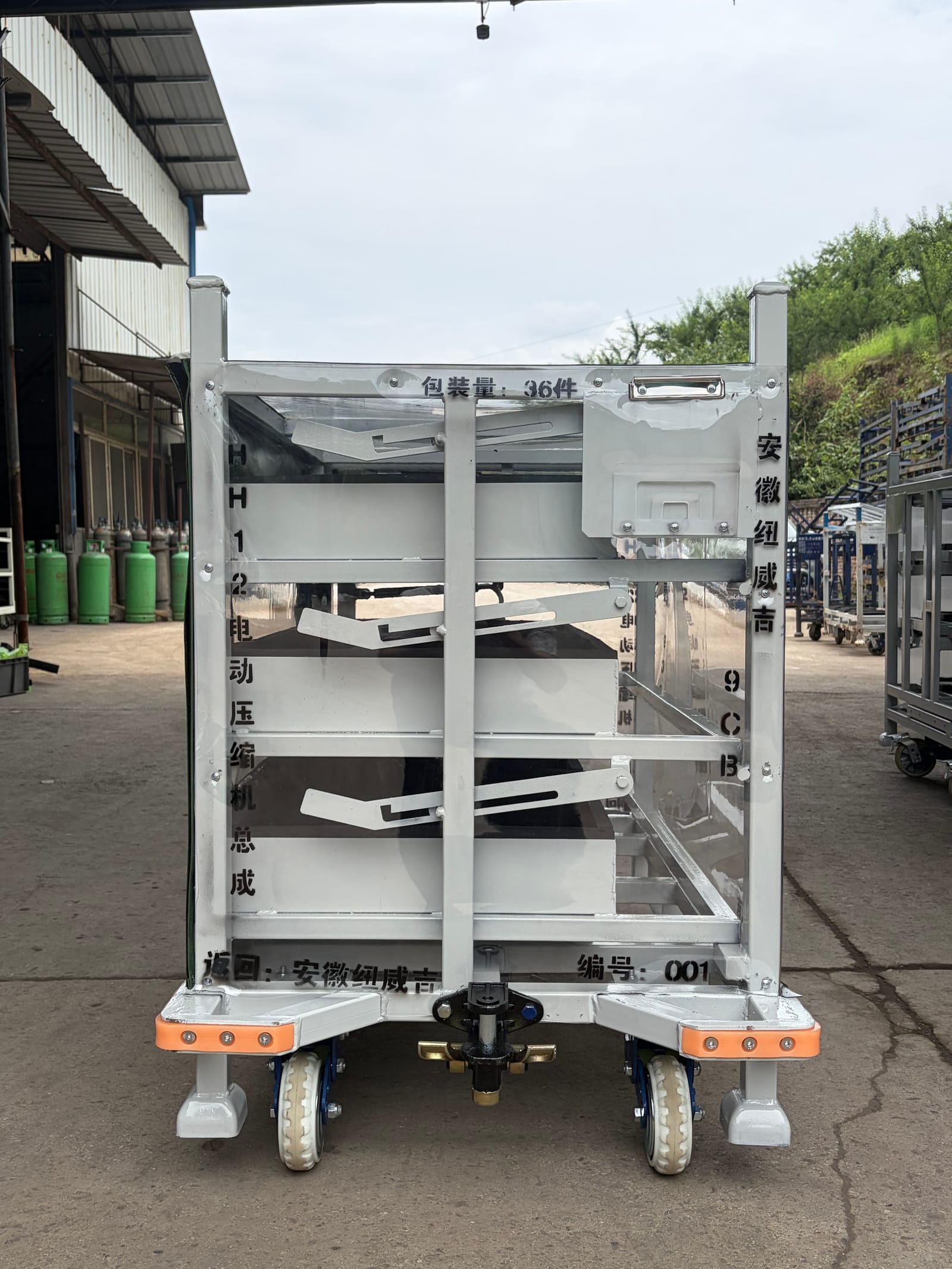
Steel Pallet Forklift Entry and Transfer Interfaces

Design a steel pallet forklift interface from the loaded unit, fork size and spacing, entry direction, center of gravity, base supports and every downstream transfer point. A pallet that works on forklift forks may still need different runners, stops, guides or tolerances for pallet jacks, conveyors, storage racks or automated equipment. Map each pickup and deposit condition before the pallet drawing is finalized.
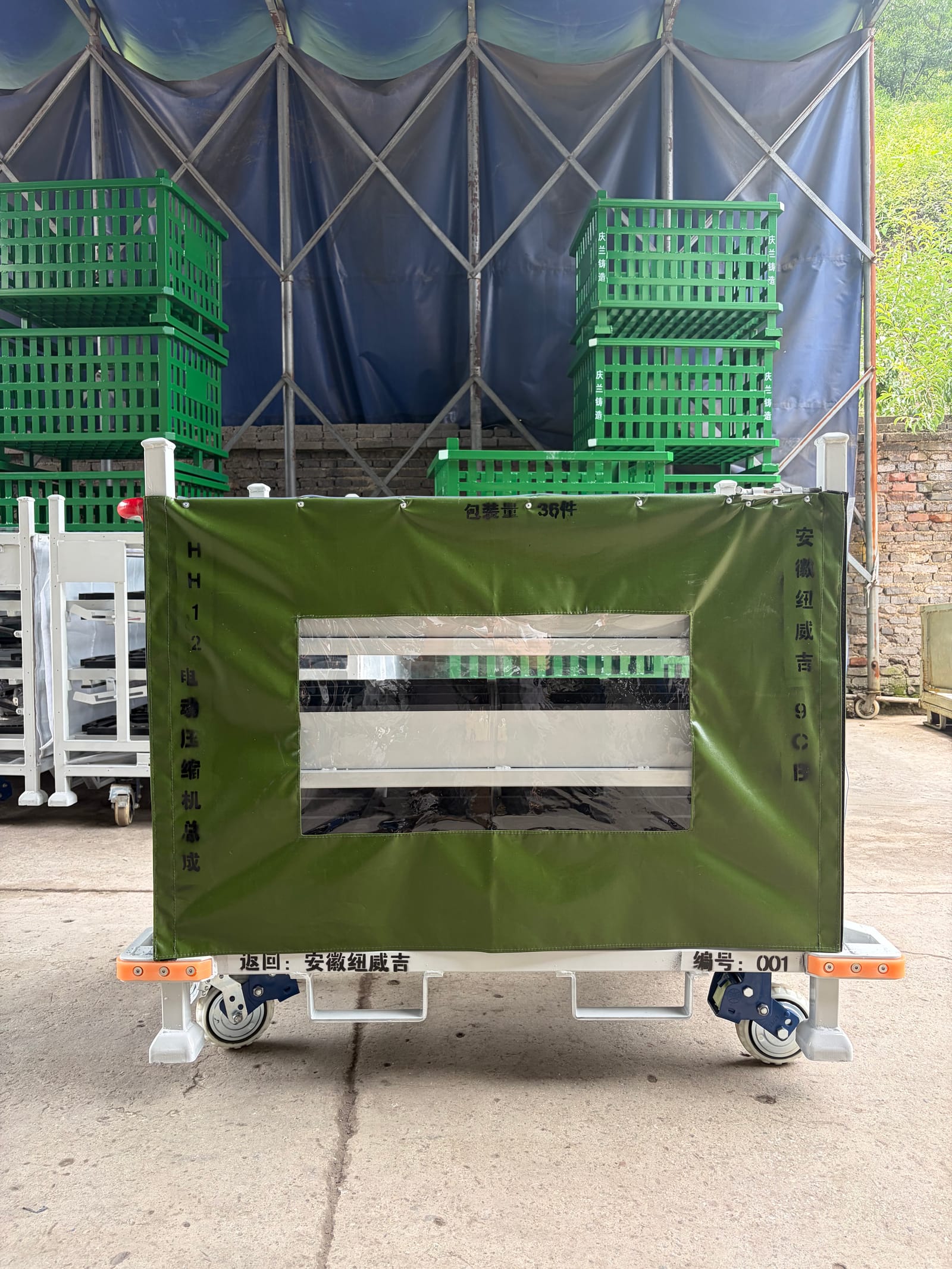
Steel pallet forklift entry should be designed together with every pickup and deposit point on the route. Provide the loaded pallet dimensions and weight, center of gravity, fork width, thickness, length and spacing, entry direction and approach clearance. Then show where the pallet rests after the forklift releases it—floor, rack beams, conveyor, transfer station or another piece of equipment.
A base that is easy to lift may not sit correctly on the next support. Runners, fork pockets, feet, guides and stops must preserve clearance for the forks while placing the load on the intended structural points. For automated transfers, also provide datum, sensor and repeatability requirements from the equipment supplier.
What information is needed for a steel pallet forklift interface?
| Input | Information to provide | Design impact |
|---|---|---|
| Unit load | Dimensions, weight, center of gravity and support needs. | Base structure and fork insertion depth. |
| Forklift | Fork size, spacing, carriage or attachment and approach direction. | Pocket opening and clearance. |
| Support points | Floor, beams, rollers, rails, stops and guide locations. | Runner, foot and datum geometry. |
| Transfer sequence | Pickup, travel, deposit, retrieval and orientation changes. | Access and handoff clearances. |
| Automation | Sensor targets, position tolerance and equipment interface drawing. | Repeatable location and identification features. |
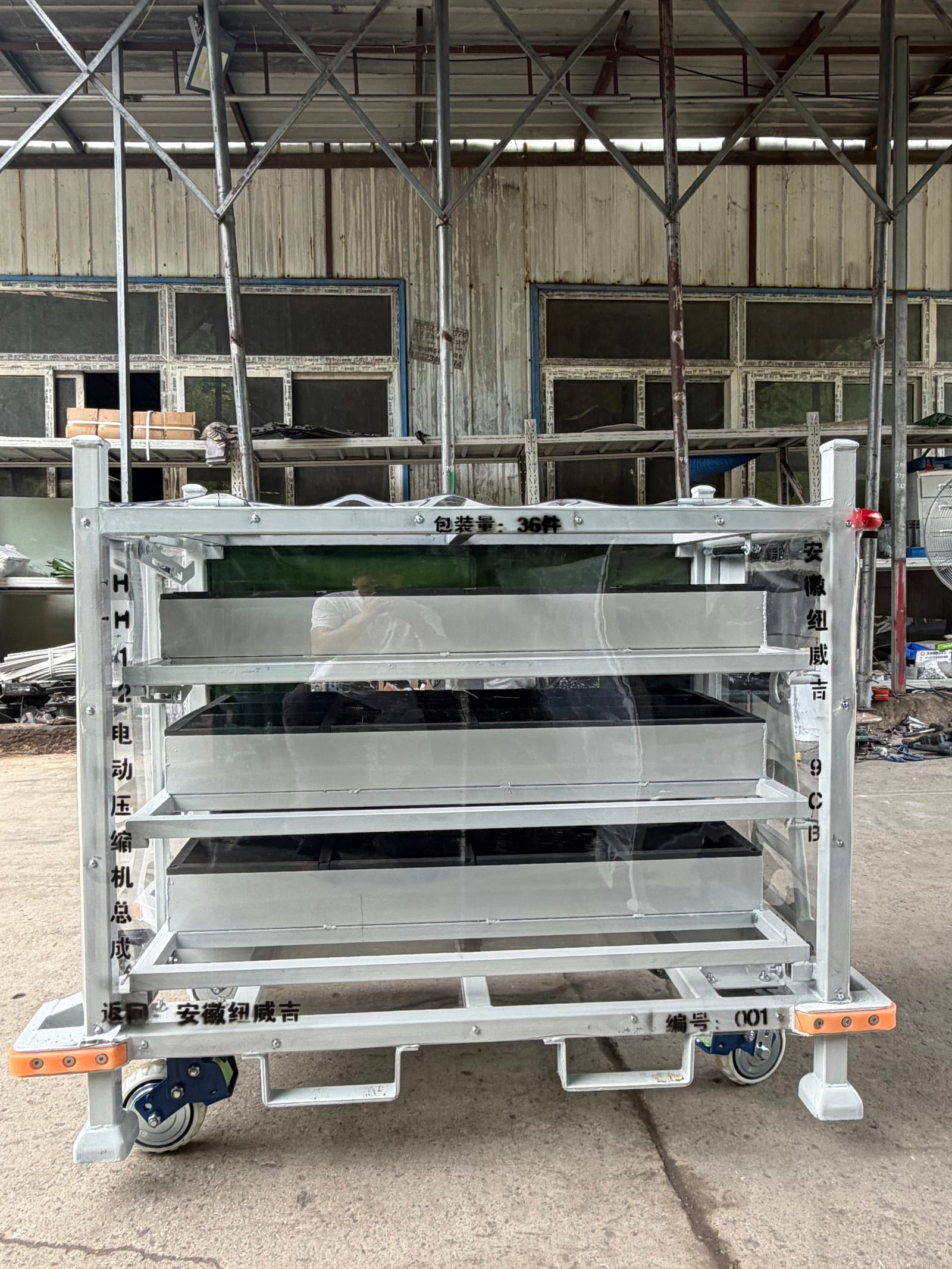
Four checks before production
- Entry: check fork openings, insertion depth, part overhang and approach clearance.
- Support: confirm where the pallet rests at pickup, storage and each transfer point.
- Transfer: trial stops, guides, sensors and orientation with the intended equipment.
- Route: run loaded and empty pickup, travel, deposit and retrieval sequences.
Related steel pallet engineering
See the AS/RS steel pallet guide, the steel pallet load guide and custom steel pallets.
Request a custom steel pallet quote
Send the unit-load drawing, weight and center of gravity, fork dimensions, entry directions, route drawing, transfer-equipment interfaces, destination and quantity through customization.
Frequently Asked Questions
- What must be defined for a steel pallet forklift handoff?
- Define the unit load, orientation, permitted fork-entry faces, fork or pallet-jack data, support points at every handoff and the route drawing. Check the proposed pallet with the actual pickup and deposit equipment.
- Is a steel pallet automatically forklift compatible?
- No. Compatibility depends on the actual truck, fork envelope, entry direction, loaded state, clearances and contact restrictions. Those project inputs should be reviewed before a drawing is approved.
- What changes when a pallet also moves on a conveyor?
- Conveyor support, direction, stops, guides, sensors and the transfer boundary must be reviewed in addition to forklift pickup. The system owner's interface drawing and acceptance method control the final requirement.
- Should the acceptance check use an empty pallet?
- Use the representative loaded condition when the operating question is loaded handling or transfer. An empty check may support fit or fabrication review, but it does not replace the defined loaded acceptance test.
- What should I send for a steel pallet quote?
- Send the unit-load drawing, mass and centre of gravity if known, equipment documents, route plan, storage and transfer states, quantity and required sample or inspection checks. Mark unknown values as TBC rather than guessing.