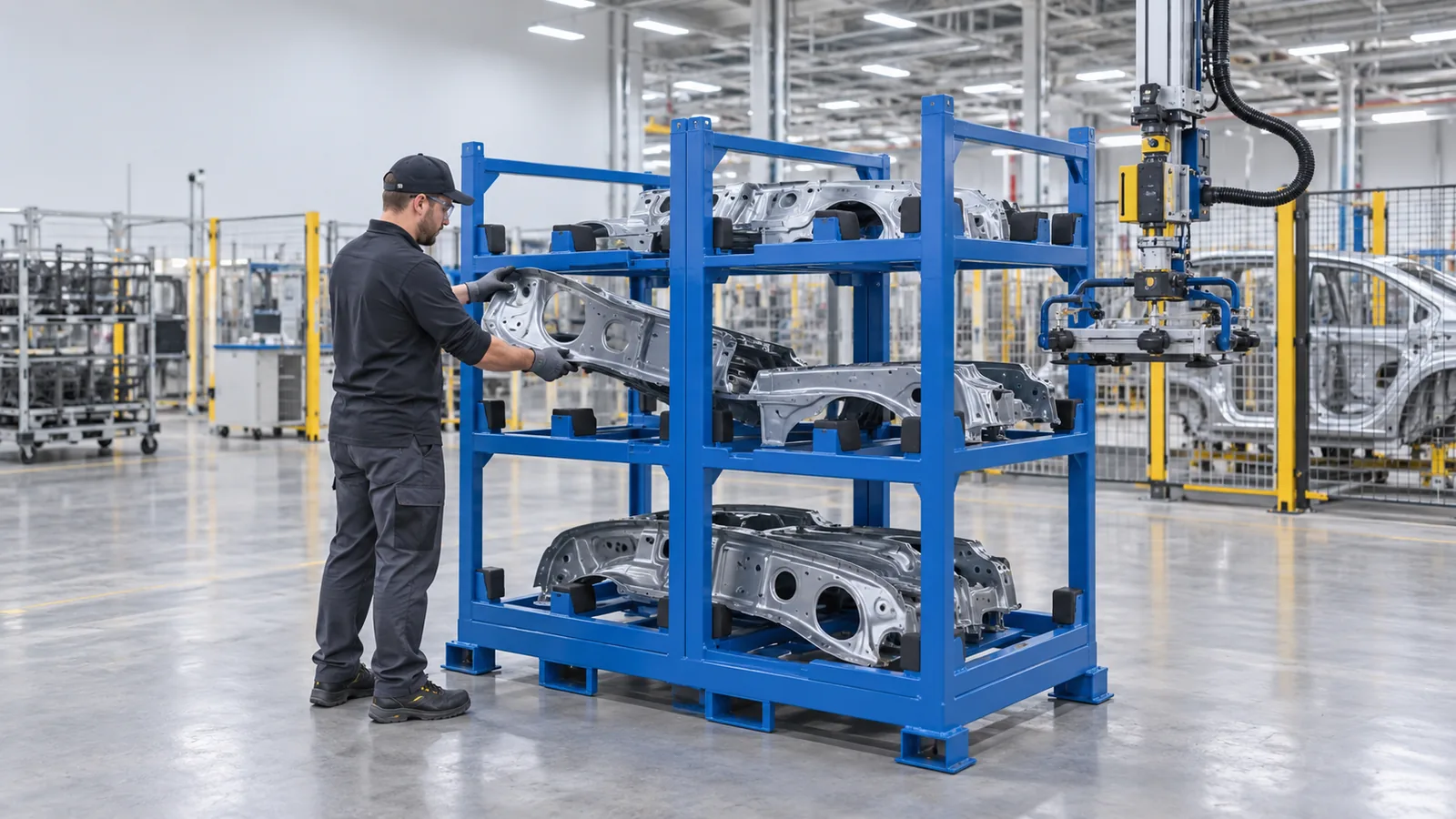
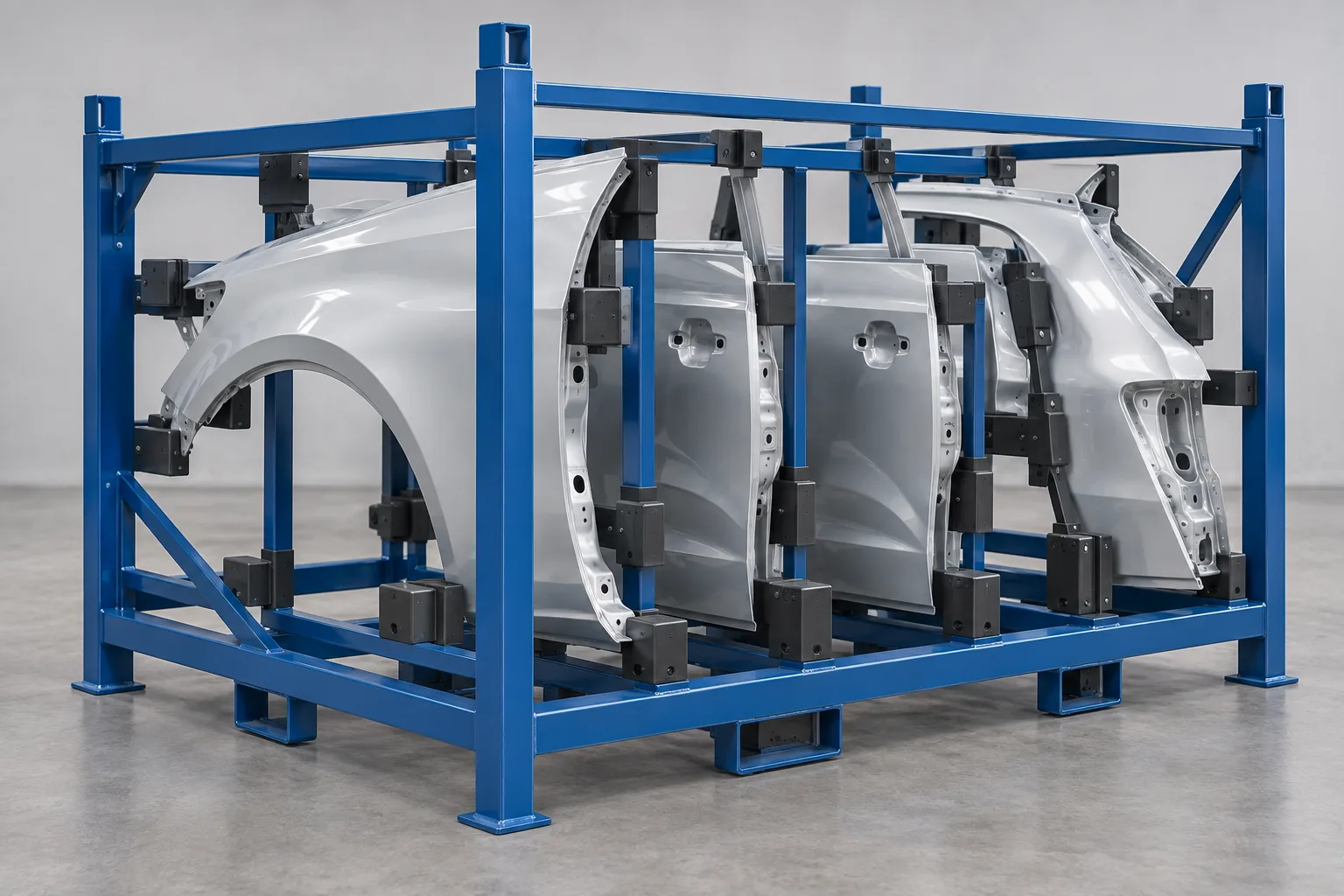
Automotive Rack Covers: Choose the Opening and Where It Stays

Choose the cover opening from how often and from which side parts are handled. A retained roll-up panel can suit repeated front access; side-stowed panels need side space; a flip-open panel needs a clear sweep; a removable cover needs its own storage place. Draw the entire open fabric bundle and attachments outside the part/tool path, fork pockets, wheels and empty-return interfaces. Send both open and closed views with your custom automotive rack RFQ.
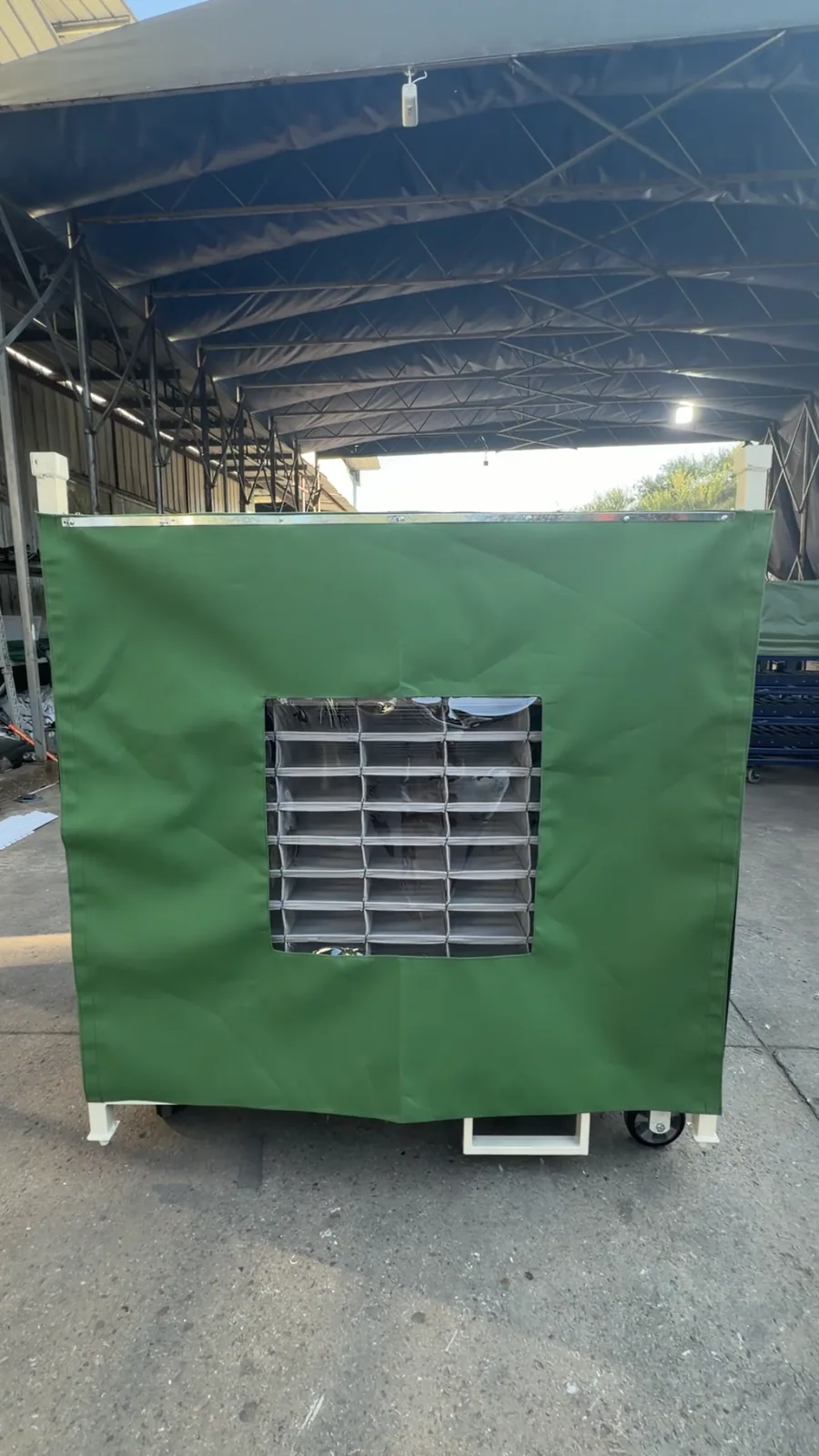
An automotive rack cover needs a working position when open, not just a good fit when closed. For repeated front picking, compare a retained roll-up panel or separate access panels. Use a side-stowed curtain only where its bundle will not occupy the next bay; use a flip-open panel only where its sweep is clear. A removable cover can suit infrequent full access if it has a clean, reachable storage location. In every arrangement, keep fabric, straps and closures out of the part, hands, loading tool and handling interfaces. This guide is for packaging engineers, buyers and production teams specifying that opening-and-stowage decision.
Describe one complete opening and picking cycle
Start with the covered rack at the receiving point or workstation. Who releases the closure? Where does the operator stand? Does the first part leave from the top, middle or lowest position? Where is the panel held while the last part is removed? Finish the sequence by reclosing the cover or preparing the empty carrier for return. These actions reveal requirements that a closed-rack photograph cannot show.
Keep the protected surface and the access face on the same sketch. A fabric layer may need to stay away from an approved cosmetic surface even when that layer is being opened. Draw the fabric's travel, not only the part's travel. Keep a dirty external face from being casually folded onto a sensitive internal contact surface.
ETILOG's front-loading steel-rack example combines automotive interior-part packaging with a cover. SR Industries' supplier catalogue distinguishes rack bag sets, curtains, covers and closure straps. These are useful configuration references; the next buying question is how the particular cover opens and stays clear throughout your task.
Compare automotive rack cover opening arrangements
| Arrangement | Useful condition | Trade-off to resolve | Drawing input |
|---|---|---|---|
| Roll up and retain | Repeated access through the same front face | The stored roll can reduce top opening or require an awkward reach | Roll position, bundle outline and reachable retention |
| Slide or gather to one side | Side parking space remains clear during every pick | The bundle can obstruct an adjacent bay or closure | Occupied side width and attachment travel |
| Flip or fold open | Occasional access with a clear panel sweep | The panel needs a stable retained position outside the loading motion | Hinge/fold line, sweep and retained-open stop |
| Remove and store | Infrequent broad access or a cover removed for the whole shift | Separate handling and a storage place are needed | Removal route, holder and refitting sequence |
Frequent front-face picking. Resolve: top clearance and reach.
A clear parking space exists. Resolve: bundle or panel sweep.
Infrequent full-face access. Resolve: holder and refitting route.
Do not choose an arrangement merely because it looks compact in a supplier picture. A light, narrow panel and a large full-height cover create different handling tasks. Where only one tier or bay needs frequent access, independent panels can avoid moving the whole cover. Check the extra closure steps and possible seams against the actual route exposure before choosing the split.
A recent DERFLEX rack-cover article, dated 5 October 2026, compares front roll-up panels, overlapping curtains and removable fitted covers. It also calls attention to retaining fabric clear of handling equipment. For your quotation, show the retained fabric position as well as the closed panel, and describe the route exposure that the cover must address.
Give the open fabric its own place
For a rolled panel, draw the actual bundle above or beside the opening and show how its retaining straps are operated. Check the highest part, the operator's hands and any lift-assist tool with that bundle present. If reaching the retention point requires an improvised step or leaning across parts, change the panel size, opening direction or operating arrangement before ordering the fleet.
For a gathered curtain, reserve its full side position. Keep loops, free ends and fastening hardware inside a deliberate stored outline. A side bundle must not migrate towards a neighboring part position, a wheel or a tow interface. The stored cover should also leave the rack identification needed during pickup visible.
For a removable cover, choose the storage position before choosing the removal method. A dedicated holder can keep it off the floor and out of the next rack's bay. Show how the cover reaches the holder, which side remains outward and how it is returned without dragging over part-contact surfaces. If the holder must travel with the rack, include it in the carrier envelope.
Keep closures away from part contact and moving equipment
Place release points where the operator can reach them before starting the lift or pick. Keep the release motion distinct from the grip used to handle the part. Buckles, zip sliders, straps and handles should not become unintended contact points against a finished component while the panel moves. Ask for attachment details at the rack frame rather than treating the cover as a loose sheet added after fabrication.
Next, review every interface the carrier uses while the cover is open or stored. Fork entries need their intended approach clear. Wheeled carriers need fabric kept away from casters and brakes. Tow equipment needs the coupling and release task unobstructed. Do not drape a released cover over a stacking locator just because the locator appears convenient to reach.
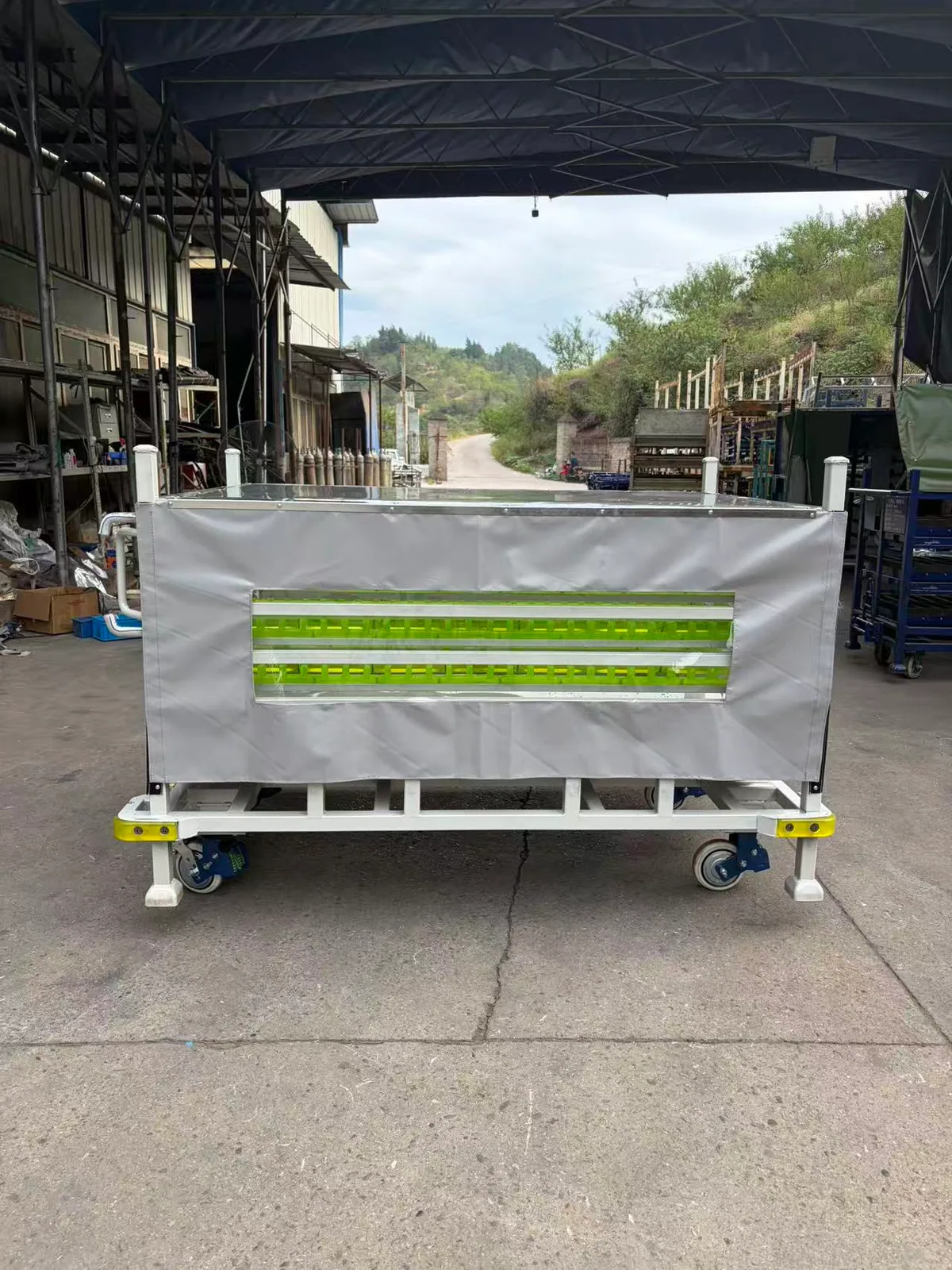
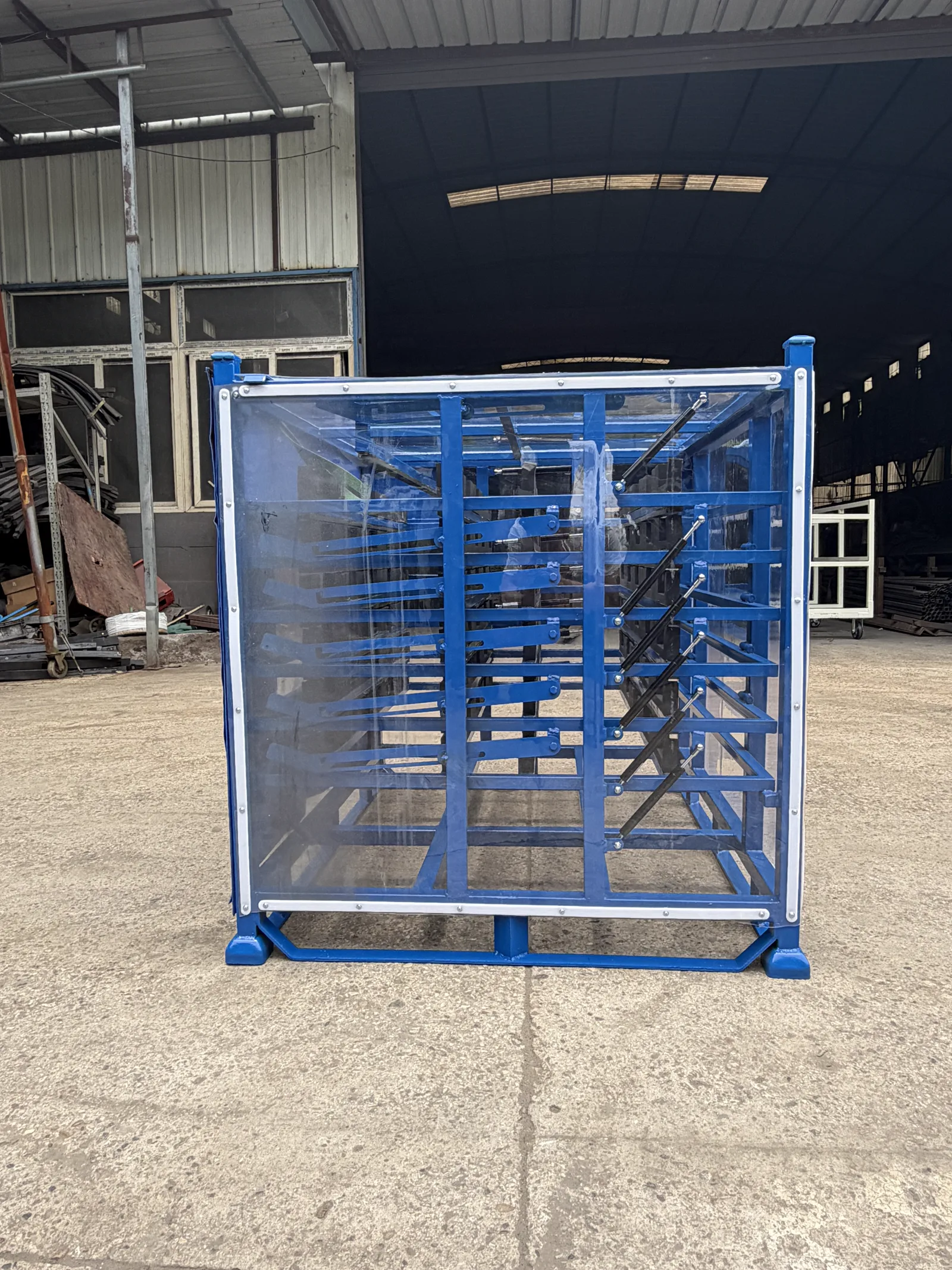
A clear viewing window is a separate feature from an opening. It can help the buyer or operator see the interior, but it does not provide a part-extraction route. In the real HAOFU photographs on this page, windows and outer panels illustrate available built configurations. Use your part drawing and handling sequence to set the required opening; do not infer an ingress-protection rating or a tested protection outcome from a photograph.
Check the cover again in the empty-return state
A cover that works during picking may conflict with folding or nesting. Draw the empty frame with the fabric attached, rolled, folded or removed as proposed. Check hinges, post sockets, nesting guides and stacking contacts in their actual sequence. Keep a removed cover with the intended carrier set rather than assuming somebody will find a convenient spare container.
Trial reclosing as deliberately as opening. After the last part leaves, the operator should be able to restore the intended cover position without untangling straps from dunnage or rotating the rack into a walkway. Include the normal gloves and handling method, and repeat with the most awkward bay and the planned return configuration. Record the changed attachment or panel position on the drawing that will be quoted.
- Is the same face opened repeatedly?Yes → Compare roll-up or divided access panels. No → Compare flip-open or removable cover.
- Resolve the physical positionDraw the retained position; trial pick, return and reclose.
- Interference during the trial?Yes → change the position or arrangement and repeat. No → include the accepted arrangement in the quotation drawing.
Five steps before ordering a covered parts rack
- Mark the surfaces and loading face: Identify required closed coverage, part-contact restrictions and the side used for the real loading task.
- Choose the opening motion: Compare roll-up, side-stowed, flip-open and removable arrangements against access frequency and available working space.
- Draw the retained-open position: Show the whole fabric bundle, straps, handles or removed panel and its route to a dedicated storage position.
- Check loaded movement and empty return: Keep stored fabric out of part and tool paths, fork entries, wheels, tow interfaces, folding joints and stacking features.
- Trial opening through reclosing: Open, retain, pick, reload, release and reclose the proposed cover on a representative rack before approving production.
Send open and closed views for a custom rack quote
HAOFU manufactures custom automotive parts racks in China for global supply programmes. To compare a covered configuration, send the part CAD or photographs, mass and contact restrictions, rack footprint, loading face and sequence, required coverage, access frequency, opening preference, retained-open position, return condition, quantity and destination. Include a short motion sketch or video if the cover interacts with a tilting level or assisted loading tool.
Use the loading-access guide for the complete hand and tool path, and the contact-pad guide for serviceable part-contact details. When the open cover changes where the carrier can wait, check the staging-bay layout guide. Send HAOFU the part path and both cover positions for a custom rack quotation.
Frequently Asked Questions
- Which cover opening suits frequent automotive rack picking?
- Compare a retained roll-up panel or independent access panels when the same opening is used repeatedly. Check that the stored fabric clears the highest pick and remains reachable from the normal working position. A full removable cover suits less frequent access when a storage location is available.
- Where should a rack curtain go while parts are unloaded?
- Give it a retained position on the rack or a dedicated nearby holder. The full bundle, straps and handles must stay outside the part and tool path, fork openings, wheels, tow interfaces and neighboring rack space. Draw this open-state outline as well as the closed cover.
- Is a viewing window enough for loading access?
- No. A window lets the operator see inside but does not provide clearance for hands, the part or a handling tool. Specify the panel that opens, its usable opening and where that panel is retained during the task.
- Can the same curtain remain attached when the rack folds?
- It can be considered if its fold, roll or retained position clears hinges, locators and the complete empty-return envelope. Trial the folding and reopening sequence with the proposed fabric and attachments before approving the drawing.
- Should a cover be fastened to dunnage or to the rack frame?
- Define attachment points with the rack supplier. Avoid making a soft part-contact element carry an unplanned cover-opening load. Put closures and retention where they can be operated without pulling on the part, liner or locator.
- What information is needed for a custom covered rack quotation?
- Send the part and rack drawings, sensitive surfaces, loading side and motion, access frequency, required closed coverage, preferred opening type, retained-open or removed-cover position, empty-return state, route exposure, quantity and destination.