Custom Metal Container Cleaning: Requirement Boundary Brief

A custom metal container cleaning requirement starts with the actual part, residue or foreign-material concern, every use and return state, the requested condition, any excluded use, the evidence the buyer needs and the named decision owner. A returnable container photograph or finish name does not establish a cleaning method, cleanliness level, regulatory status or fitness for a different process. HAOFU can review the stated container configuration; the buyer and responsible site define cleaning, inspection and release requirements.
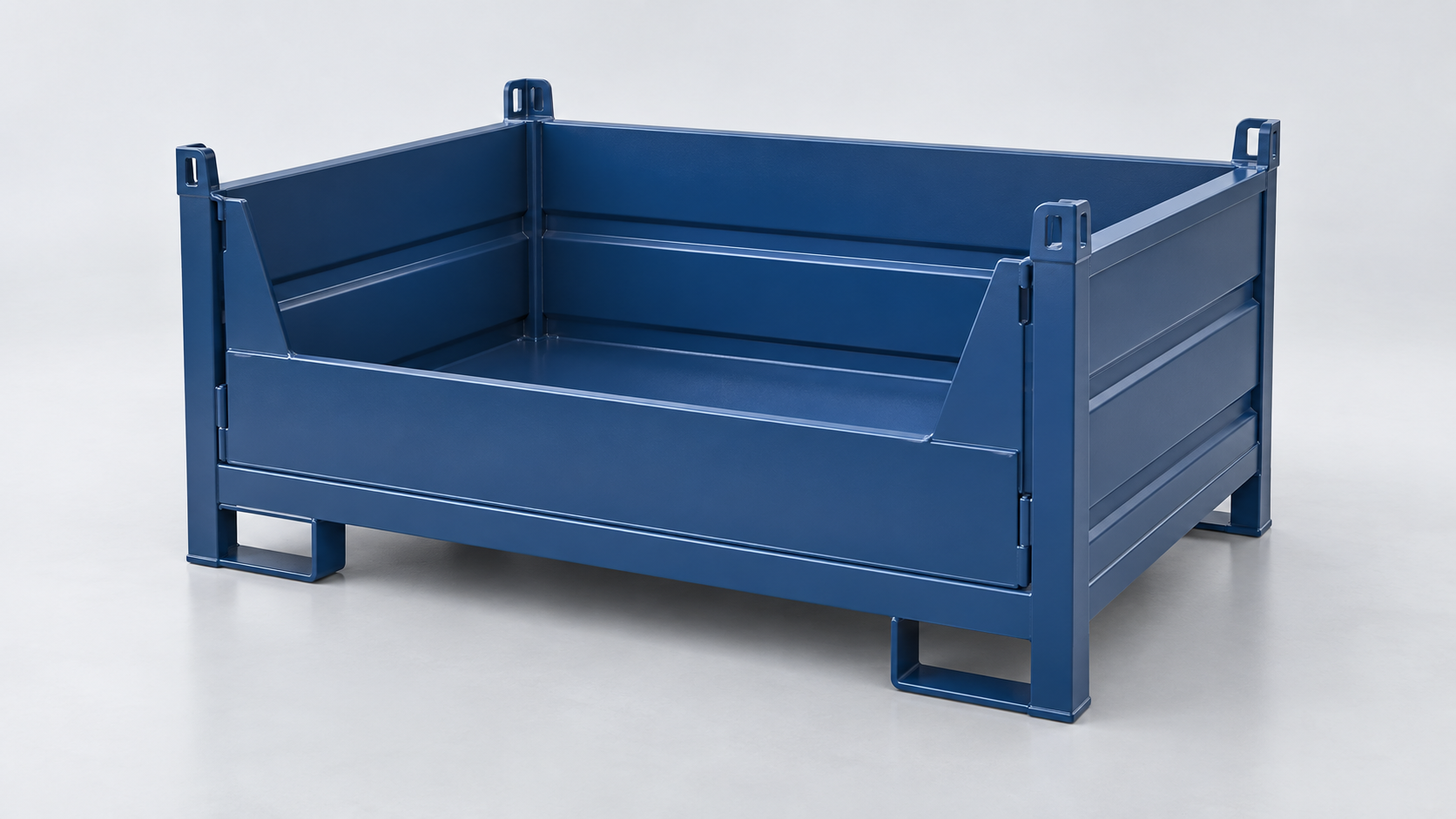
A custom metal container cleaning requirement is a project boundary, not a generic product feature. First identify the part, residue or foreign-material concern, the container's loaded and empty route, who handles it, what condition is requested before reuse, which uses are excluded, what evidence is required and who can decide. That brief tells a container supplier what configuration inputs to review without turning a metal container, surface finish or photograph into a claim of cleanliness, sanitization, decontamination or compliance.
This guide is for procurement, quality, packaging and logistics teams preparing a custom container RFQ. The PR3 Washing Standard is a useful boundary reference: it covers reusable primary packaging used with consumable products and explicitly excludes secondary, transport and tertiary packaging such as crates or boxes. That distinction means a transport-container programme needs its own buyer-defined requirement rather than borrowing a food-contact washing standard. No PR3 requirement, certificate or cleaning method is claimed for HAOFU equipment.
Quick decision: what must the cleaning brief make visible?
| Input area | Record for the project | Decision it supports |
|---|---|---|
| Use and contents | Part, packaging, residue/foreign-material concern and whether direct consumable-product contact is in or out of scope. | What condition is actually being requested? |
| Route states | Loading, storage, transport, empty return, collection and any inspection or service handoff. | Where can the stated requirement apply? |
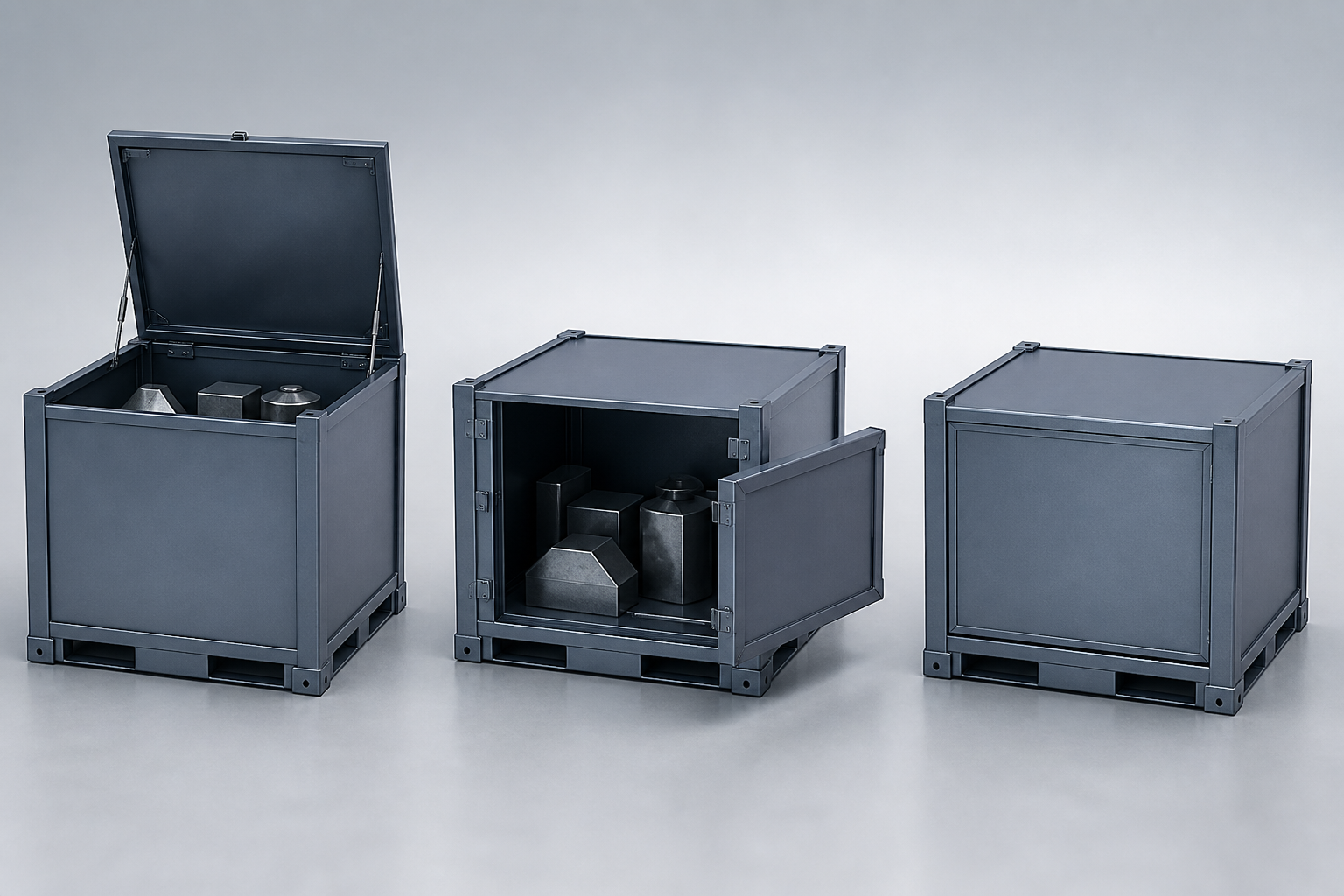
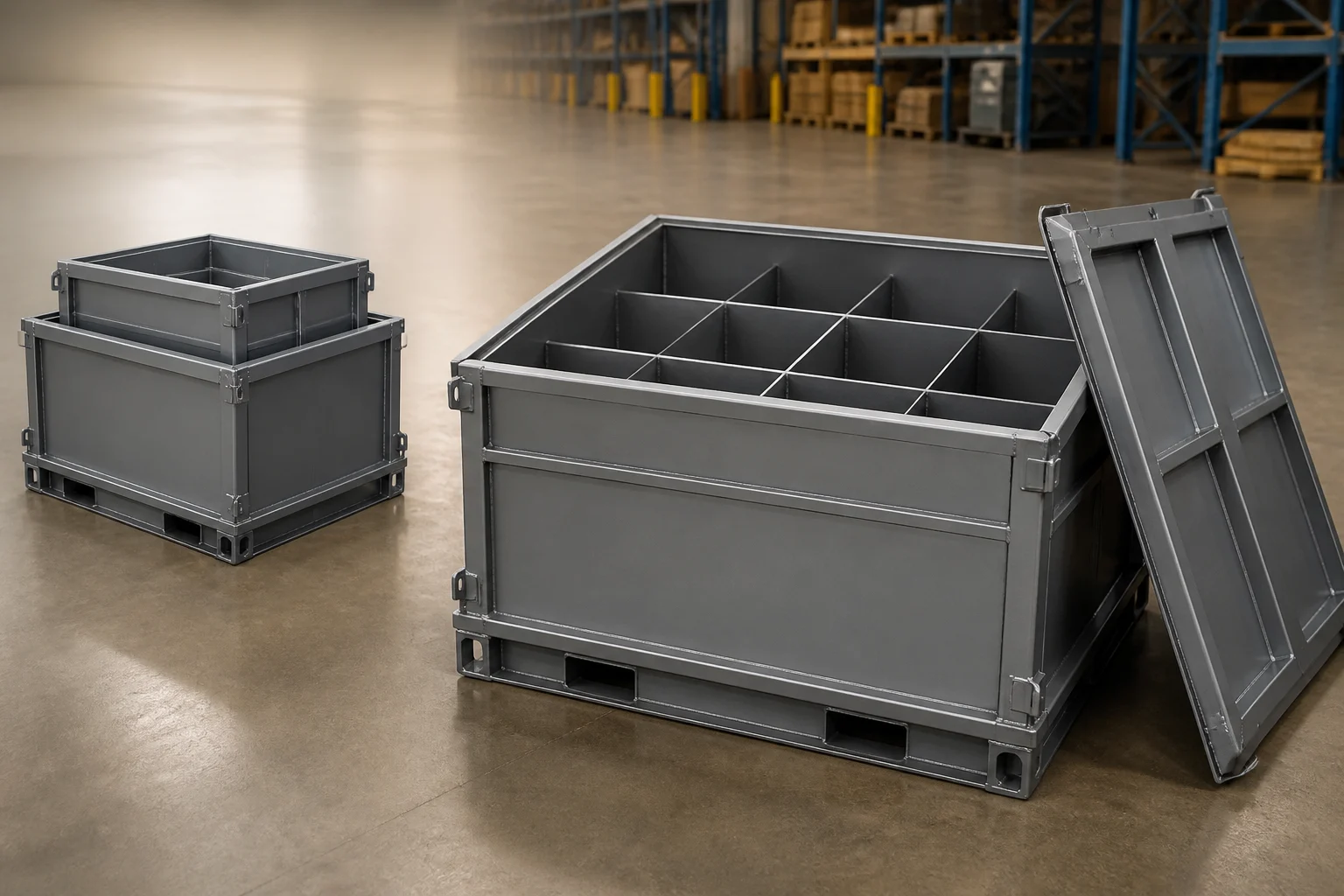
| Container interfaces | Body, lid/panel, dunnage, drain/access feature or removable component that the buyer wants considered. | Which physical interfaces need a review? |
| Evidence and exclusions | Buyer-requested visual check, record, site procedure or other evidence; clearly list excluded tests, standards or uses. | What is—and is not—being decided? |
| Decision owner | Named buyer, quality, site or service owner who determines the project requirement and release record. | Who closes an open item? |
Do not transfer a cleaning rule across packaging roles
“Clean” can describe a visual condition, a site housekeeping instruction, a contamination-control requirement or a regulated product-contact process. Those are not interchangeable. PR3's scope limitation is why this page begins by asking whether the custom unit is a transport container, what it holds and which exact condition the responsible buyer requires. Magna's supplier packaging guideline provides automotive context: it assigns routine checks and cleaning within its own returnable-container programme. It is not HAOFU's procedure and does not create a universal automotive requirement.
Five steps to prepare a cleaning-requirement boundary
- Describe the real use. State the part or package, any relevant residue/foreign-material concern and whether direct consumable-product contact is explicitly out of scope or governed by a buyer requirement.
- Map every state. List loading, storage, transport, empty return, collection and any project-specific inspection or service handoff.
- Define the requested condition. Write the buyer's observable or documented requirement and distinguish it from unsupported terms such as sanitized, decontaminated, food-safe or certified.
- Identify the interfaces and evidence. Mark the container body, access feature, dunnage or removable items to be reviewed and name the record or procedure the buyer requests.
- Assign the decision owner. Keep open items, exclusions and the responsible buyer/site decision owner with the controlled container drawing.
Keep this owner separate from finish, access and sample release
This page owns only the buyer-defined cleaning-requirement boundary for a custom metal container. The access-door and closed-state brief owns the access task; container dividers, lids and nesting owns configuration selection; and prototype-to-production validation owns the broader controlled sample/revision path. For the commercial category, see custom metal containers.
Relevant HAOFU video reference
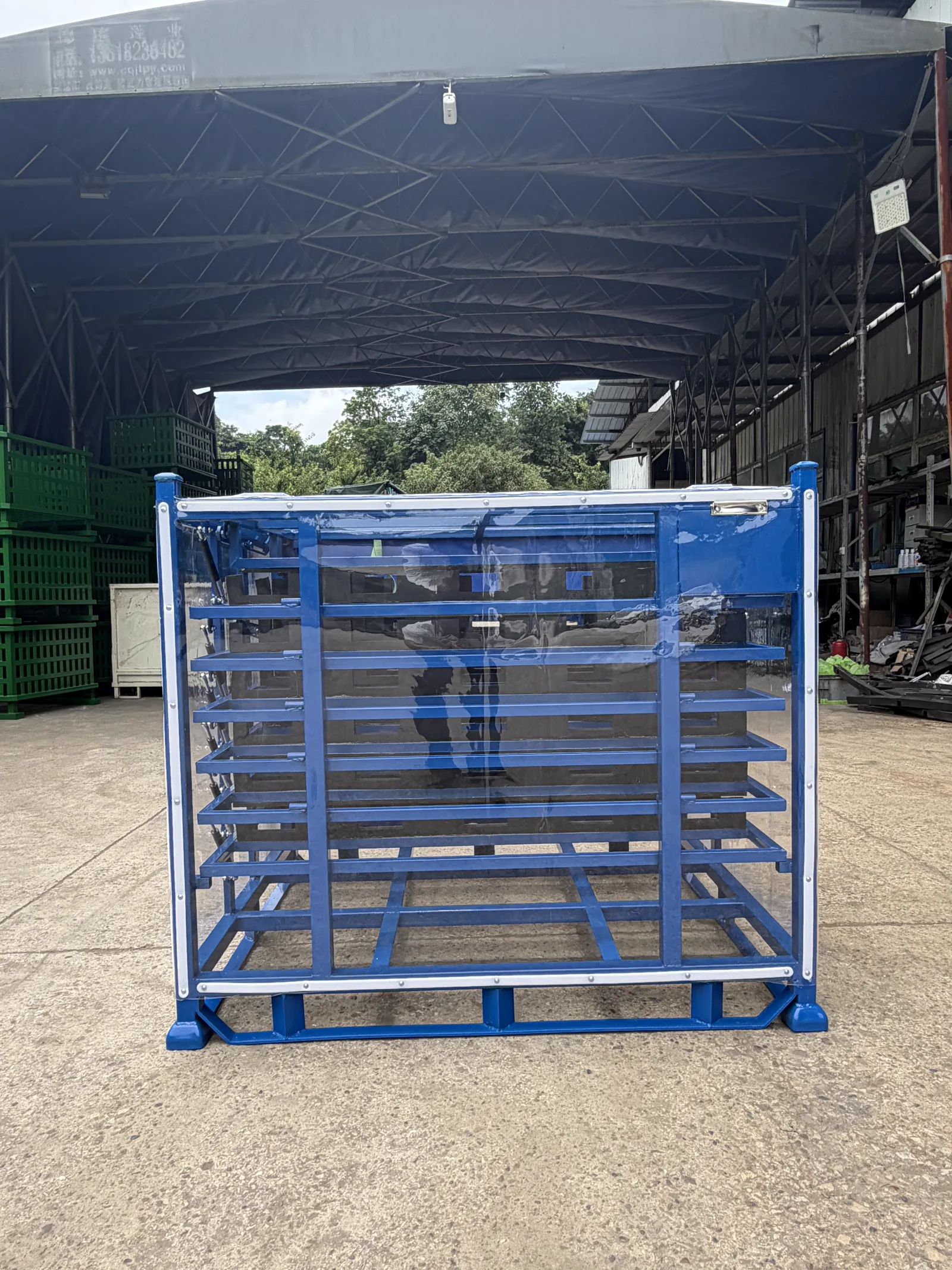
See returnable steel racks for automotive logistics for real product context. The video does not document cleaning, condition, testing, a site procedure or release for a new project.
Request a container requirement review
Send the part/package reference, route states, stated cleaning or condition requirement, excluded uses, container-interface drawing, requested evidence and decision owner through the engineering RFQ path. HAOFU can review the stated container configuration; the buyer and responsible site retain cleaning, inspection, compliance and release decisions.
Frequently Asked Questions
- What belongs in a custom metal container cleaning requirement?
- Record the actual part or package, residue or foreign-material concern, loaded and empty route states, requested condition, excluded use, interfaces to review, requested evidence and the named decision owner. The buyer and responsible site define the method and release requirement.
- Does a metal container finish prove a cleaning or hygiene standard?
- No. A finish name or photograph does not establish a cleaning method, cleanliness level, hygiene status, decontamination result, certification or regulatory suitability. Document the specific buyer requirement and the evidence it needs.
- Can a food-contact washing standard be applied to transport containers?
- Not automatically. For example, PR3 says its washing standard excludes secondary, transport and tertiary packaging such as crates or boxes. The responsible buyer should define the requirement for the actual container role and site.
- Who decides a container cleaning requirement?
- The buyer's responsible quality, site or service owner determines the project requirement, procedure, inspection and release evidence. HAOFU can review stated container-configuration inputs but does not replace that authority.
- What should I send for a cleaning-requirement review?
- Send the part/package reference, route states, stated condition requirement, excluded uses, container drawing or interfaces, requested evidence and the buyer/site decision owner. Keep unknown items open rather than inferring a condition or standard.