Stackable Rack Removable Posts: Retention Review Brief

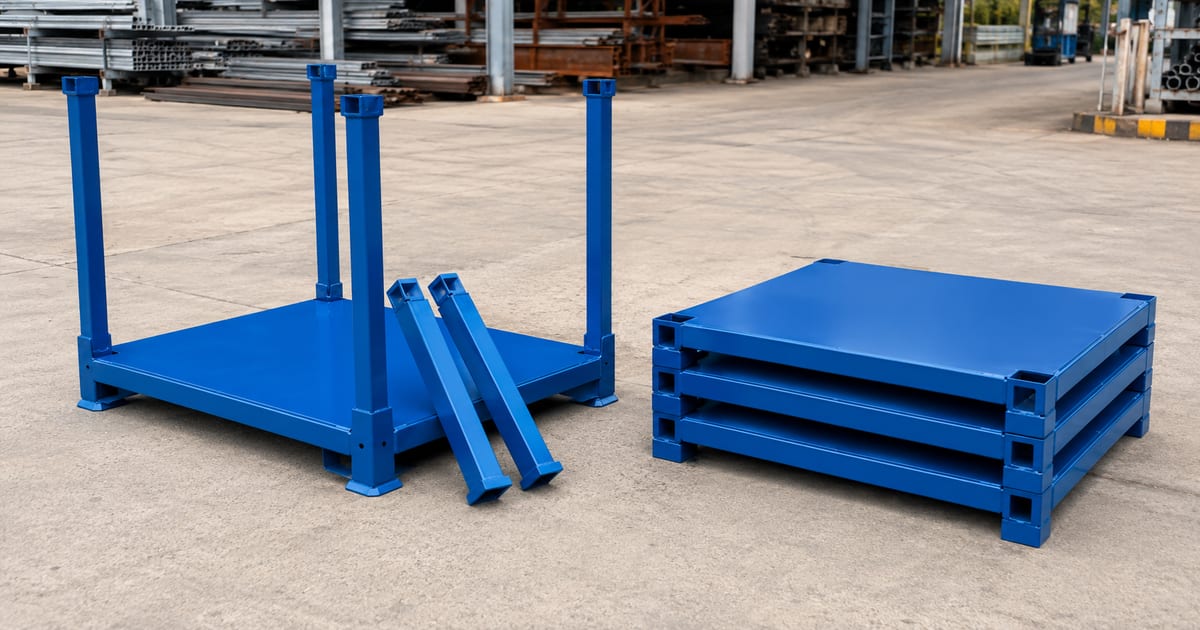
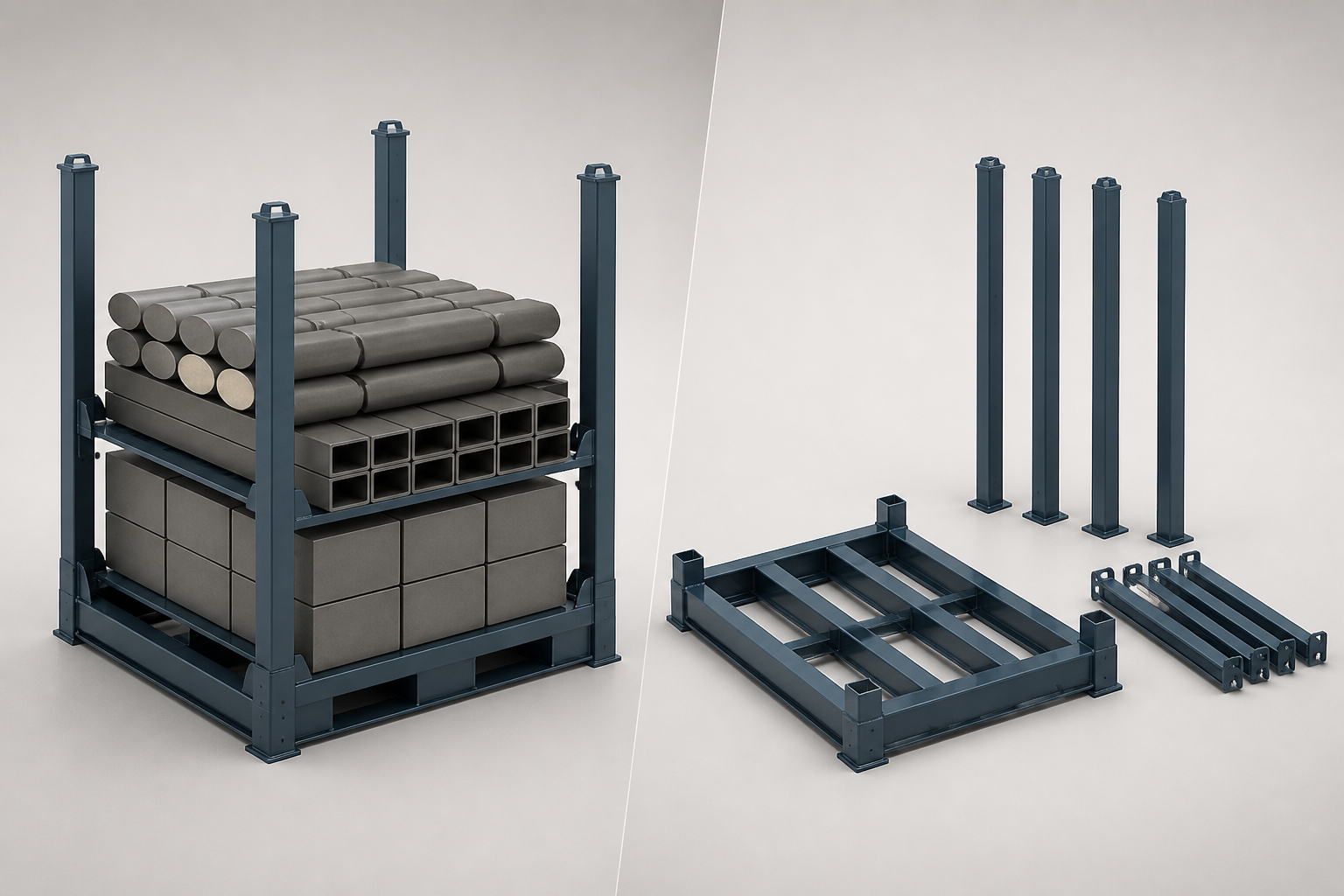
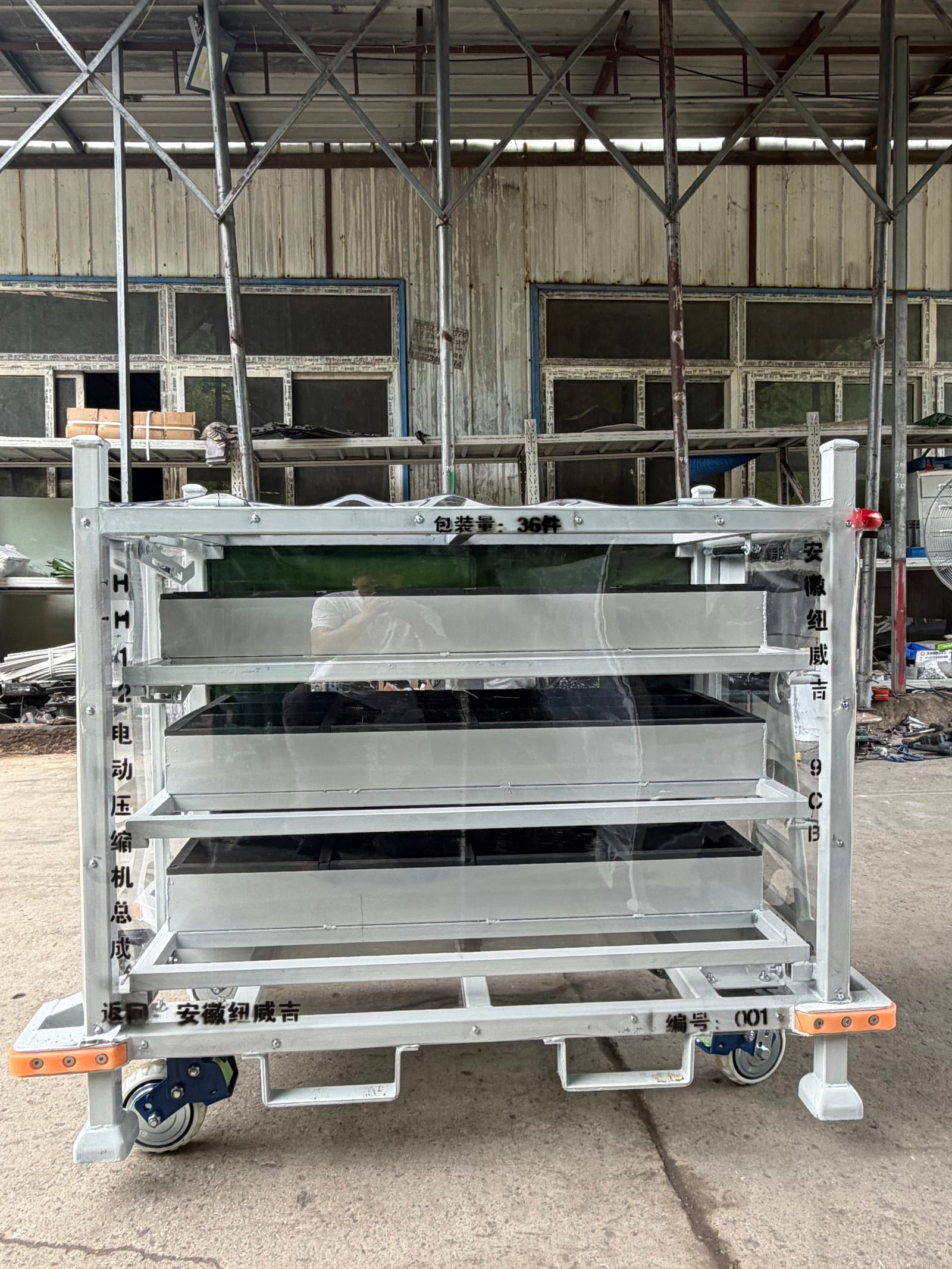
A removable-post stackable rack should be reviewed as a set of controlled components, not as a generic collapse feature. List the posts, sockets, caps, panels and accessories; map loaded, empty, storage, transfer and return states; define where each removed item is held; set the required count/check and exception owner; then retain the record with the relevant drawing revision. The actual post design, handling method, stack condition and acceptance remain project-specific.
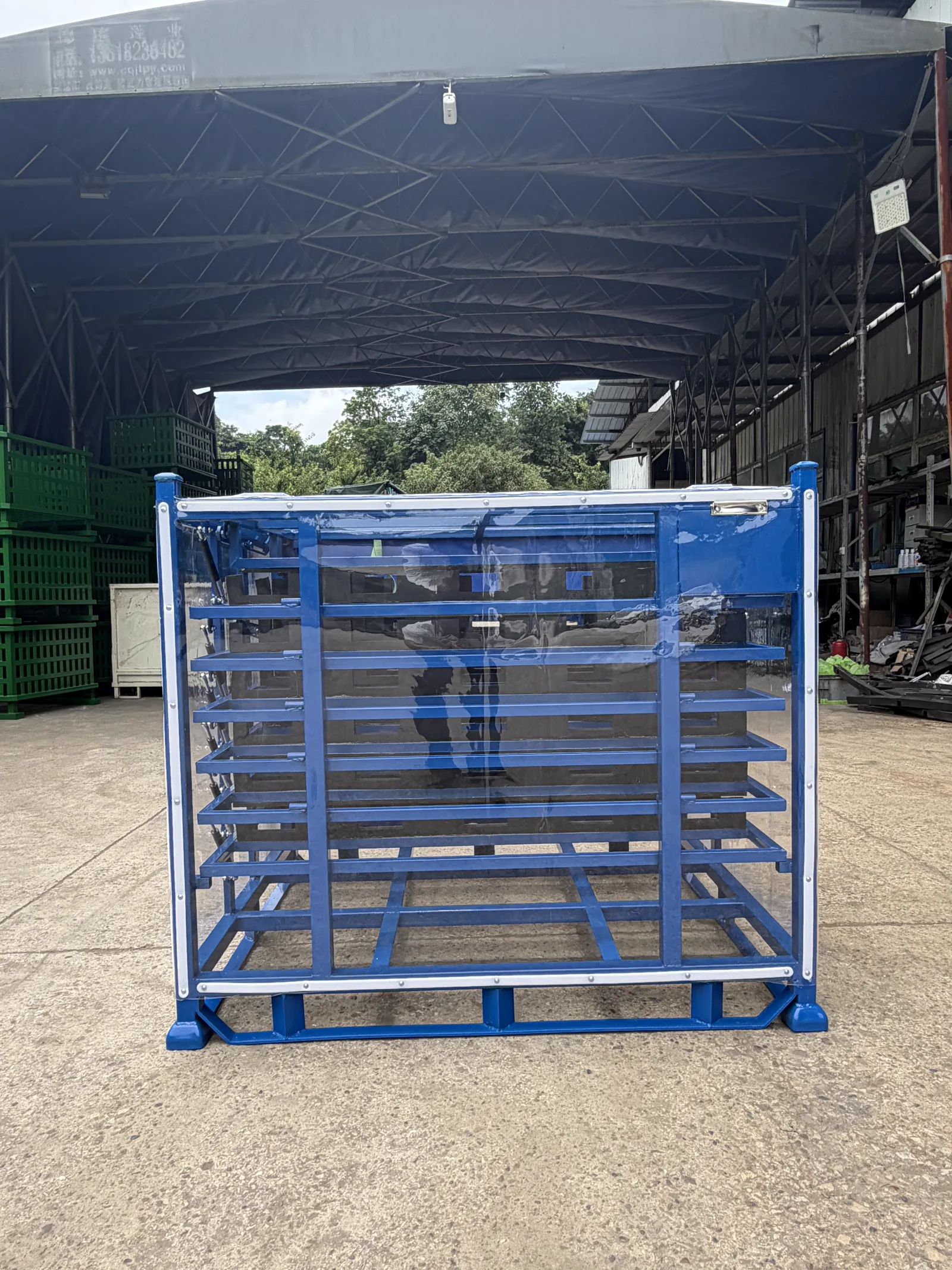
A stackable rack removable-post retention review records what can separate from the base and how each component is controlled through the actual route. List the post, socket, cap, panel, divider or accessory; show loaded, empty, storage, transfer and return states; name the intended component location; define the required count or record; and assign the person who resolves a missing or mismatched item. This is a configuration and completeness brief—not a promise of a particular lock, stack height, load rating, forklift fit or safe-operation result.
This guide is for logistics, warehouse, engineering and procurement teams deciding how a removable-post configuration is documented after the parts leave the rack. Ohio Rack's portable-rack overview confirms that removable posts and empty-base storage are an established product format. Tier-Rack's Load Nester page similarly separates fixed and removable post configurations. Their hardware, stated capacities, stack limits and outcomes belong to their own products and are not transferred to a HAOFU project.
Quick decision: what should the retention record cover?
| Review area | What to document | Question it answers |
|---|---|---|
| Component identity | Post, socket, cap, panel, divider or relevant accessory; controlled drawing/revision reference. | What can separate from the rack? |
| Operational states | Loaded, empty, de-posted, storage, transfer, transport and return conditions used by the project. | When can a component be removed or held separately? |
| Retention location | Stated base position, accessory holder, return pack or other buyer-defined location for removed items. | Where should each component be during each state? |
| Completeness evidence | Buyer/site count, label, visual check, record or exception process requested for that configuration. | How is an open item made visible? |
| Decision and exception owner | Named engineering, logistics or site owner who accepts the record and resolves a mismatch. | Who decides when the configuration is current? |
Separate a component record from a stacking claim
A component can be accounted for without proving what the completed rack can carry, how it interlocks or whether it suits a particular truck or route. This distinction matters because a removable-post decision has both a configuration question and an operational-control question. The UK HSE guidance on steel-stock storage supports the general principle that inspection and maintenance need competent, site-specific responsibility. It does not define a HAOFU post-check interval, stack geometry or handling rule.
Five steps for a removable-post retention review
- Freeze the configuration baseline. Attach the current rack drawing and list every post, socket, cap, panel, divider and accessory included in the review.
- Map every physical state. Show loaded, empty, de-posted, storage, transfer, transport and return states that the project actually uses.
- Name the component location. State the buyer-defined base position, holder, return pack or other location for each item when it is not in its assembled position.
- Set the completeness and exception check. Record the count, identification, visual confirmation or other evidence requested, plus what happens when an item is missing or mismatched.
- Retain the controlled decision record. Keep the stated arrangement, open items and named decision owner with the relevant drawing revision; reopen it when the component set, route or handling state changes.
Keep this owner distinct from selection and empty-return configuration
This page owns component completeness and exception review for removable posts. The removable-post and height-extension guide owns configuration explanation; the loaded versus empty-return brief owns the broader loaded/empty decision; and foldable and collapsible stillage design owns a different collapse mechanism. For the commercial category, see stackable metal racks; the paired container cleaning-requirement boundary brief covers container conditions, not post retention.
Relevant HAOFU video reference
See durable stackable metal logistics carriers for real product context. The video does not prove a removable-post layout, component-retention method, load rating, stack condition or operational approval for a new project.
Request a removable-post configuration review
Send the controlled rack drawing, component list, loaded and empty states, handling/return route, proposed component locations, requested completeness evidence and decision owner through the engineering RFQ path. HAOFU can review the stated configuration; the buyer and responsible site retain operating, inspection and release authority.
Frequently Asked Questions
- What is a removable-post retention review?
- It is a controlled record of the posts, sockets, caps, panels or accessories that can separate from a stackable rack, their locations through actual route states, the requested completeness check and the owner for exceptions.
- Does a removable post prove a rack has a locking feature?
- No. A removable post alone does not establish a particular retention method, locking mechanism, stack condition, capacity, handling compatibility or operational approval. Those conditions require the project drawing and responsible owner's review.
- Which rack states should be included?
- Include the actual loaded, empty, de-posted, storage, transfer, transport and return states used by the project. Identify where every separated component is expected to be in each relevant state.
- How should a missing post or accessory be handled?
- Use the buyer or site's defined count, identification, visual check or exception process and assign a named owner to resolve a mismatch. Keep the exception with the controlled configuration record rather than treating it as an informal change.
- What should I send for a removable-post configuration review?
- Send the current rack drawing, component list, loaded and empty route states, handling/return context, proposed component locations, requested completeness evidence and the buyer/site decision owner.