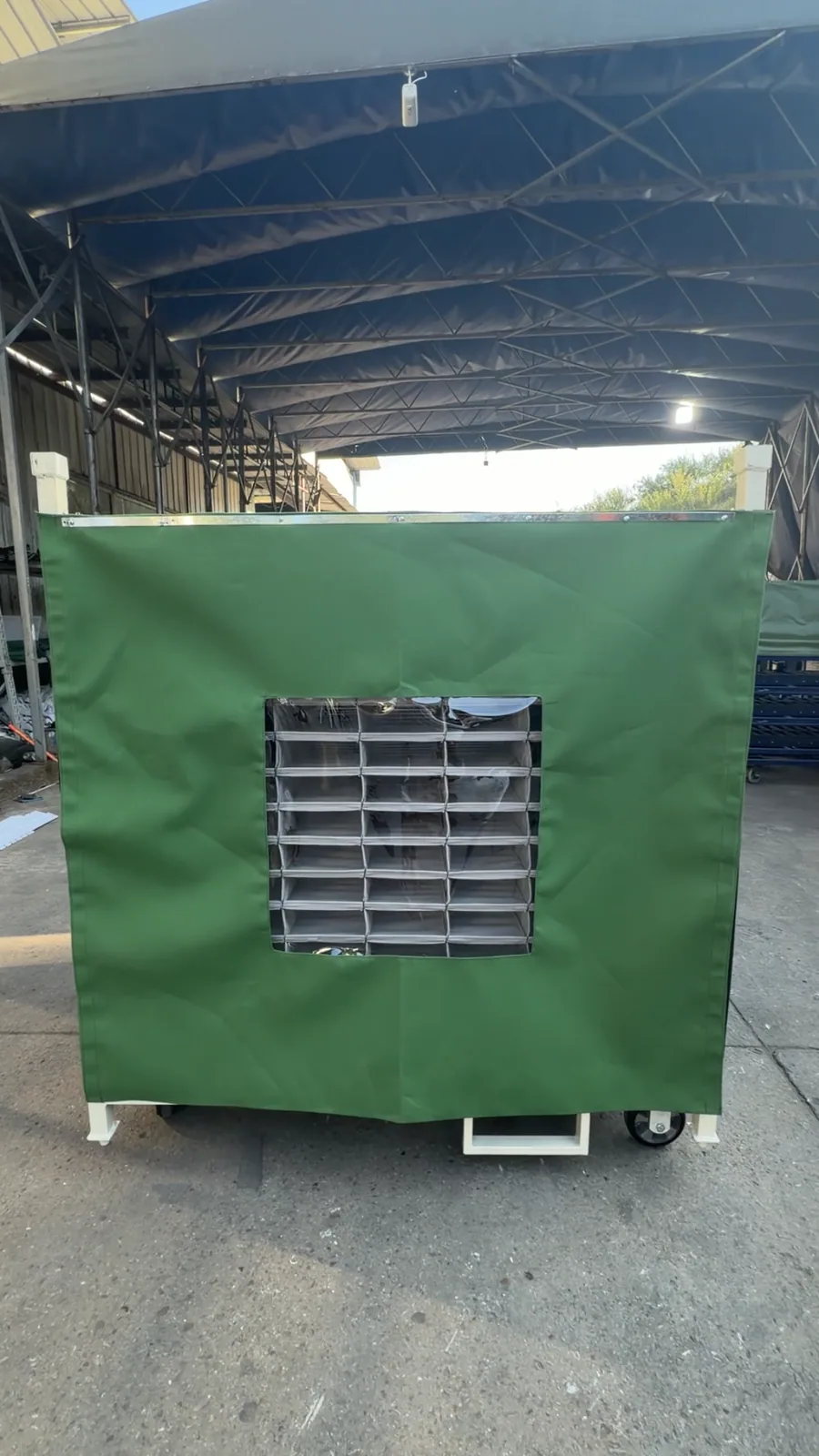
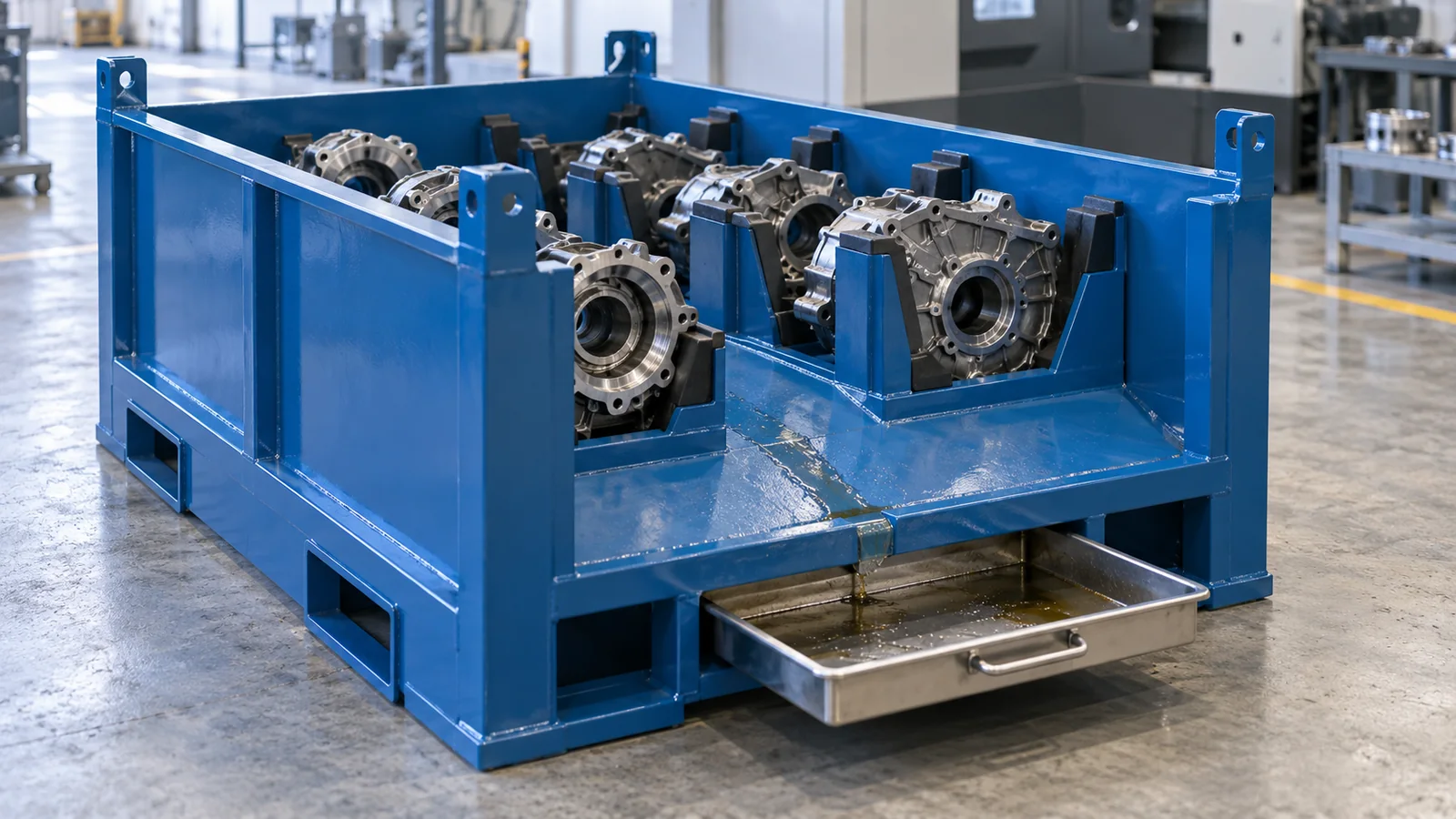
Ergonomic Manual Handling Carts: Reducing Injury & Fatigue

An ergonomic cart cuts injury and fatigue with a neutral-posture handle height, low push/pull force from larger low-rolling-resistance wheels, the load presented in the golden zone between knee and shoulder, swivel casters and brakes for controlled turns, and a capacity sized so it is never overloaded beyond safe force limits — following OSHA and NIOSH handling guidance.
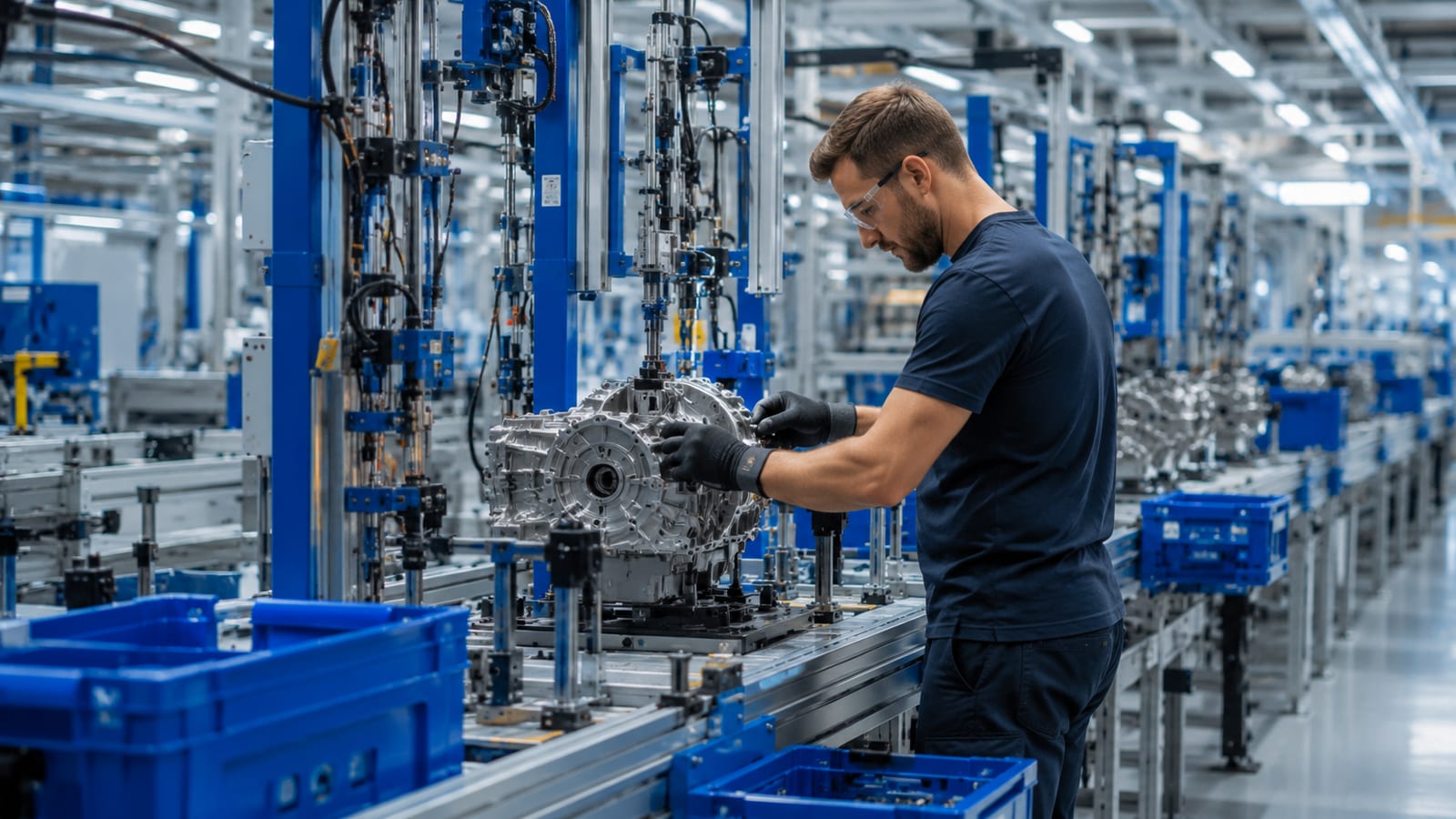
Manual material handling is a leading cause of workplace musculoskeletal injury — and much of it is preventable with better cart design. An ergonomic manual handling cart lowers the push/pull force, keeps the load at a safe height and lets operators move parts without bending, reaching or straining.
Quick answer: what makes a cart ergonomic
An ergonomic manual handling cart cuts injury and fatigue by lowering push/pull force and presenting the load safely. It combines a neutral-posture handle height, larger low-rolling-resistance wheels, the load in the golden zone between knee and shoulder, swivel casters with brakes, and a capacity sized to stay within safe force limits — following OSHA and NIOSH guidance.
What makes a cart ergonomic
| Factor | Why it reduces strain |
|---|---|
| Handle height & grip | Neutral wrist and back posture when pushing |
| Low push/pull force | Good wheels and bearings cut the effort to start and move |
| Load in the golden zone | Parts between knee and shoulder — no bending or overhead reach |
| Manoeuvrability | Swivel casters and brakes for easy, controlled turns |
| Right capacity | Sized so it is never overloaded beyond safe force limits |
Design to recognised principles
Cart ergonomics should follow established guidance — the OSHA ergonomics program and NIOSH research on safe pushing, pulling and lifting. Good wheels matter more than most realise: on smooth floors, larger, low-rolling-resistance casters dramatically cut the force to start and keep a loaded cart moving.
Design an ergonomic cart
HAOFU builds custom ergonomic material handling trolleys sized to your parts, floors and operators. Tell us the task and we will design a cart that cuts strain and fatigue.
Frequently Asked Questions
- What makes a cart ergonomic?
- A neutral-posture handle height and grip, low push/pull force, the load presented between knee and shoulder height, easy manoeuvrability with swivel casters and brakes, and a capacity that prevents overloading.
- How do you reduce the push/pull force on a cart?
- Mainly through the wheels — larger, low-rolling-resistance casters with good bearings dramatically cut the force to start and keep a loaded cart moving on smooth floors, along with keeping the load within a safe capacity.
- What handle height is best for a manual cart?
- A height that keeps the operator's wrists and back in a neutral posture while pushing — typically around waist-to-lower-chest height, adjusted to the operators and task, following OSHA and NIOSH ergonomic guidance.
- What is the golden zone for loading a cart?
- The golden zone is the height band between the operator's knee and shoulder. Presenting the load there means parts are picked and placed without bending down or reaching overhead, which keeps the back and shoulders in a safer posture and cuts strain. Sizing an ergonomic cart so its load sits in this zone is a core way to reduce handling injury and fatigue.
- How does an ergonomic cart reduce workplace injuries?
- Manual material handling is a leading cause of workplace musculoskeletal injury, and much of it is preventable through better cart design. An ergonomic cart lowers the push/pull force, keeps the load at a safe height and lets operators move parts without bending, reaching or straining. Designed to recognised OSHA and NIOSH ergonomic principles, it cuts the strain and fatigue that drive those injuries.