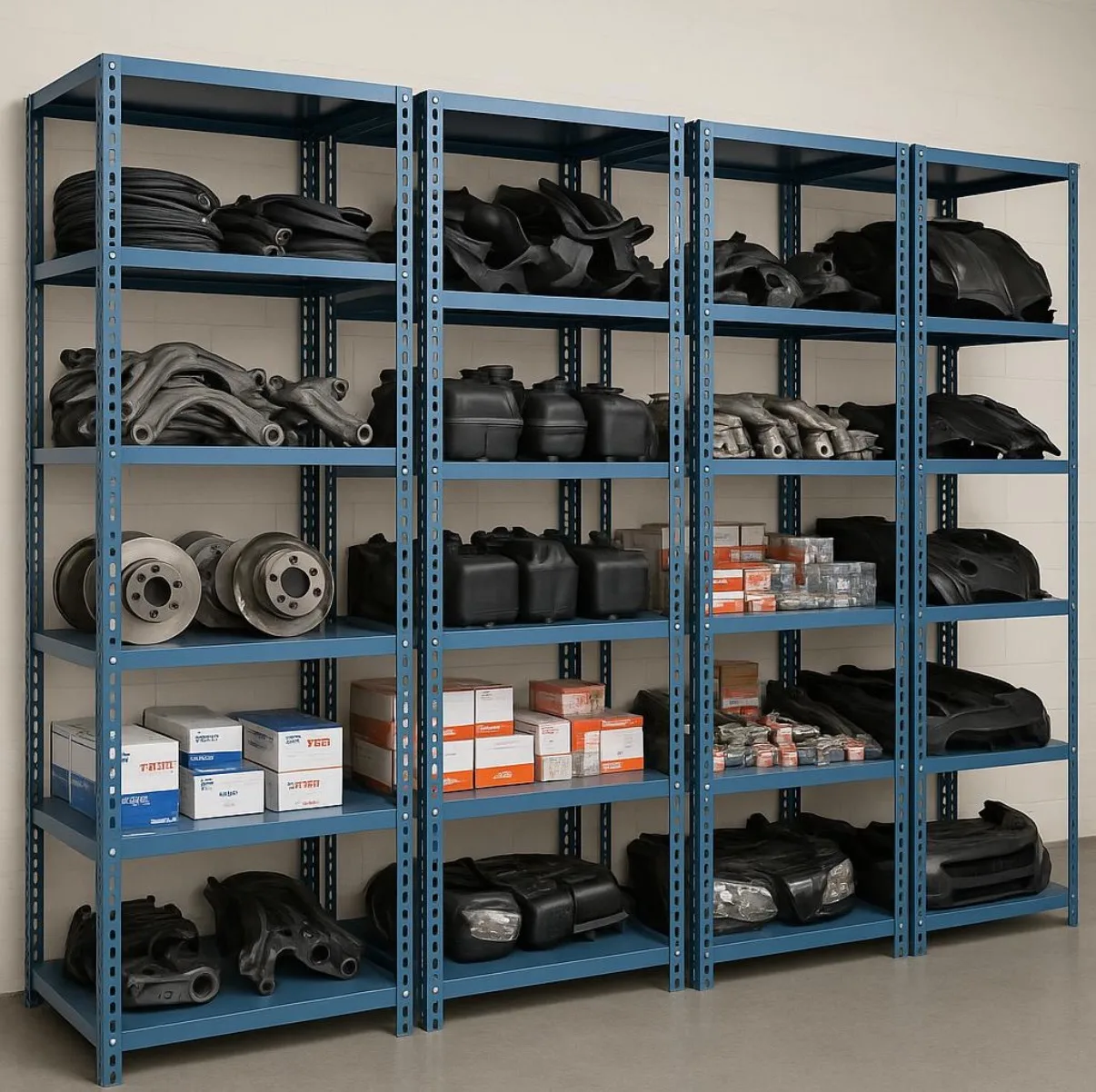
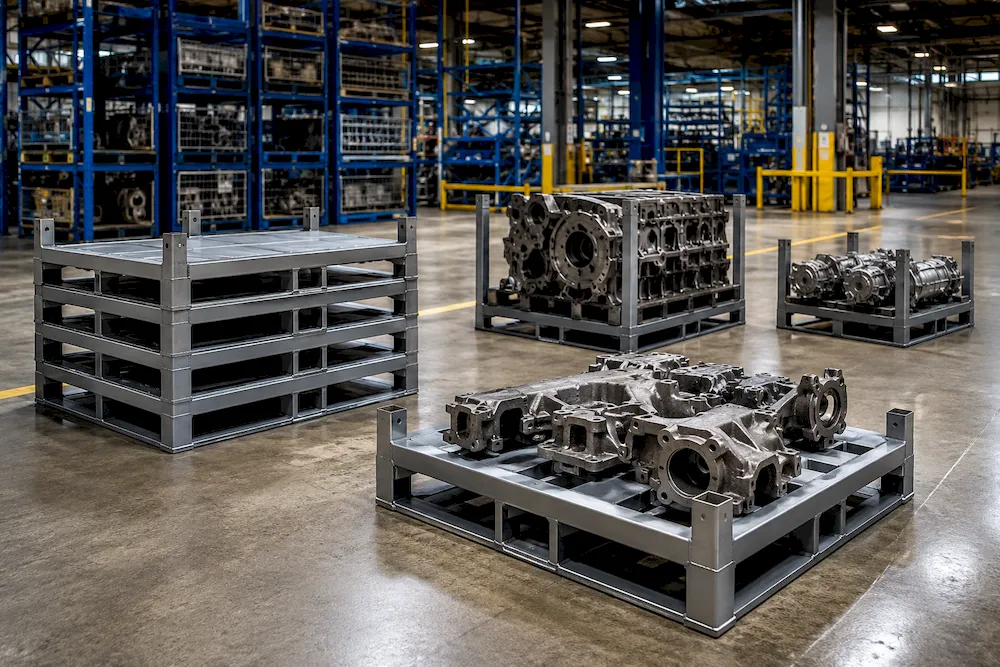
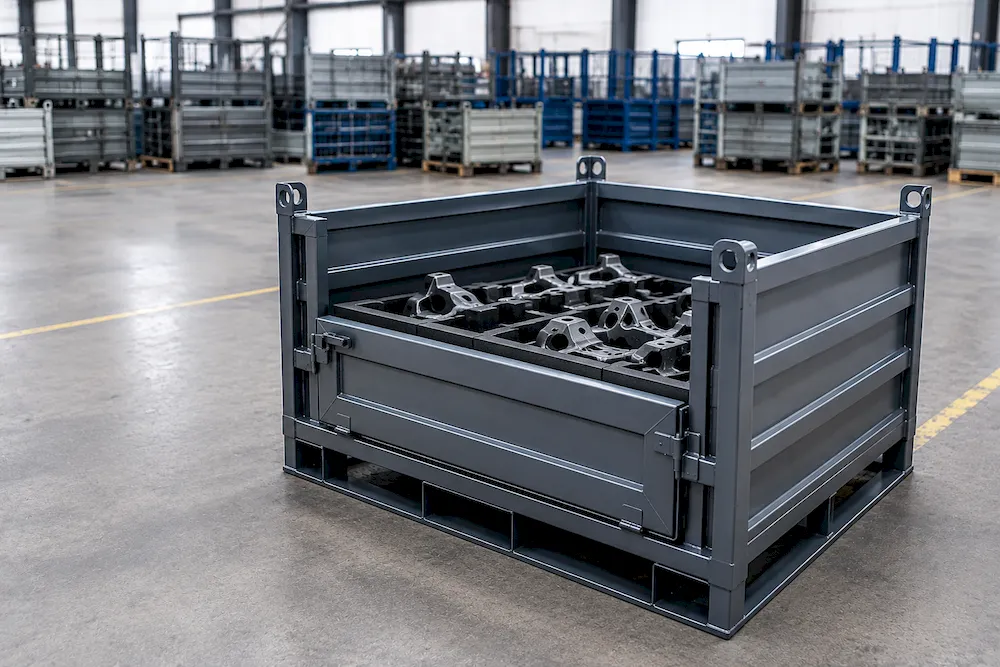
Heavy Duty Pallet Racking Explained: Selective Racks and Warehouse Layout

Selective pallet racking is the most common warehouse system, with upright frames and adjustable teardrop beams forming bays that give direct forklift access to every pallet from the aisle. It has the lowest storage density but the highest selectivity, making it ideal for operations with many different SKUs. Load capacity is rated per beam level and per bay, so always confirm it before use.
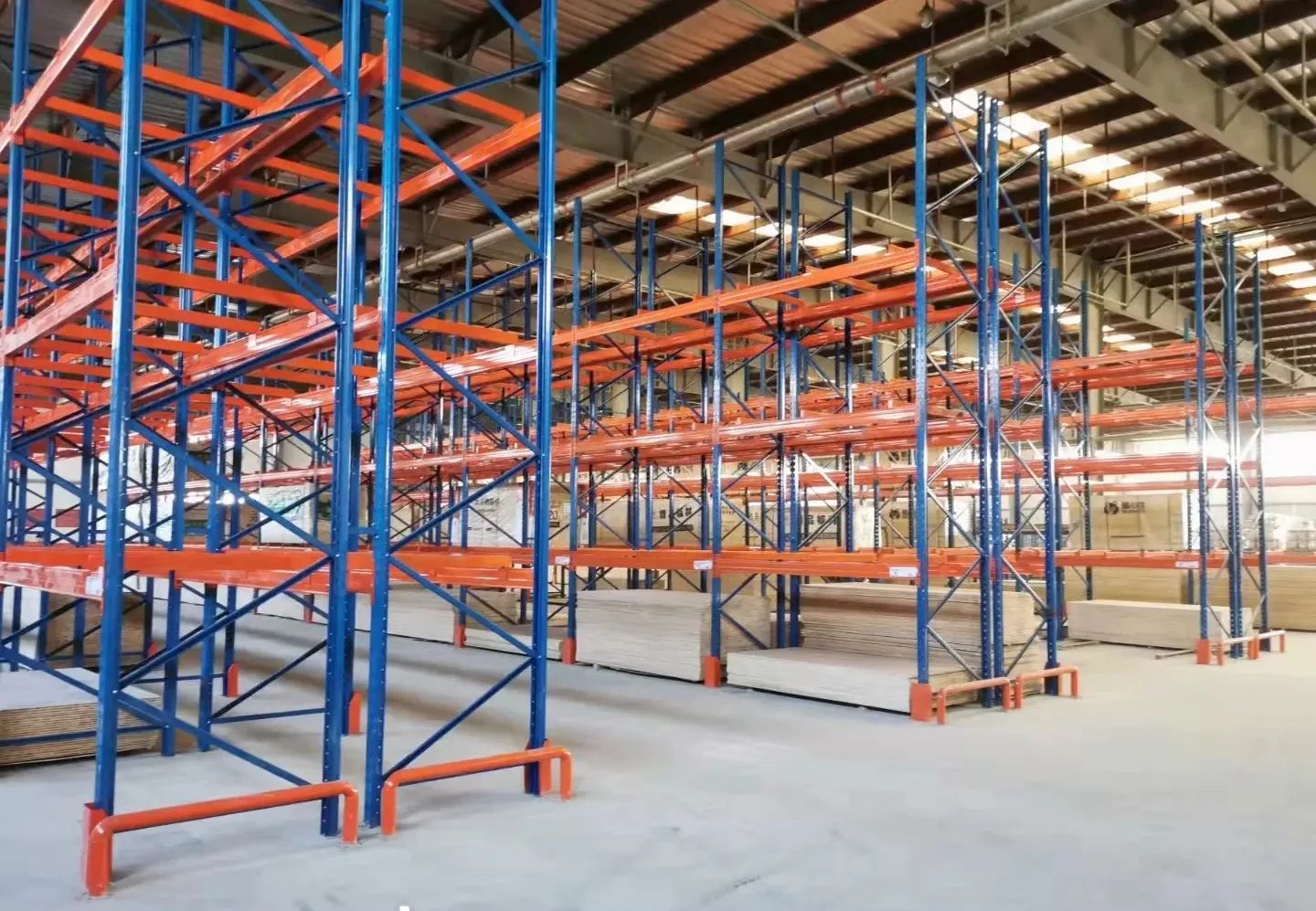
Heavy duty pallet racking turns warehouse floor space into high-density vertical storage with direct forklift access to every pallet. For factories storing palletized automotive parts, steel pallets and containers, the right racking system drives both capacity and safety.
Quick answer: selective pallet racking
Selective pallet racking is the most common heavy-duty system: upright frames and adjustable teardrop beams form bays that give a forklift direct access to every pallet from the aisle, with no need to move one pallet to reach another. It has the lowest storage density but the highest selectivity, ideal for many-SKU operations. Always confirm the rated load per beam and bay.
What is a selective pallet rack?
A selective pallet rack is the most common heavy duty racking type. Upright frames and horizontal beams form bays that hold pallets at multiple levels, with every position directly accessible by forklift — no need to move one pallet to reach another. This makes it flexible, fast to pick and easy to reconfigure.
Key components and capacity
- Uprights — vertical frames sized for total load and height
- Beams — adjustable horizontal levels (often teardrop / boltless connection)
- Bracing — diagonal supports for stability
- Safety accessories — column guards, foot plates and beam locks
Load capacity is set per beam level and per bay, then verified for the heaviest expected pallet. Always confirm the rated load before use.
Warehouse layout tips
- Match aisle width to your forklift's turning radius
- Place fast-moving SKUs at accessible, ergonomic heights
- Use the building height — vertical storage is cheaper than expanding floor
- Add column guards in busy forklift traffic zones
Pairing racking with the right load unit
Pallet racking works best with consistent load units. Pair it with reusable steel pallets or wire mesh containers for stable, repeatable storage.
HAOFU designs heavy duty pallet racking around your pallet size, load and warehouse layout. Share your floor plan and we will propose a layout and spec.
Frequently Asked Questions
- What is selective pallet racking?
- Selective racking is the most common system, giving direct access to every pallet from the aisle. It has the lowest density but the highest selectivity, making it ideal for operations with many SKUs.
- How much load can heavy-duty pallet racking hold?
- Capacity depends on the beam and upright design and is stated as a per-bay and per-beam rating. Always follow the posted load notice, and design to recognised standards like RMI/ANSI MH16.1.
- How is selective racking different from drive-in or push-back?
- Selective trades density for access — every pallet is reachable. Drive-in and push-back are denser but LIFO, and pallet-flow is dense FIFO. See our guide comparing selective, drive-in, push-back and pallet-flow racking.
- What are the main components of a selective pallet rack?
- A selective pallet rack is built from upright frames sized for the total load and height, adjustable horizontal beams (often a teardrop or boltless connection), diagonal bracing for stability, and safety accessories such as column guards, foot plates and beam locks. Load capacity is set per beam level and per bay, then verified for the heaviest expected pallet.
- How should I lay out heavy duty pallet racking in my warehouse?
- Match aisle width to your forklift's turning radius, place fast-moving SKUs at accessible, ergonomic heights, and use the building's height since vertical storage is cheaper than expanding floor. Add column guards in busy forklift traffic zones. Racking also works best paired with consistent load units like reusable steel pallets or wire mesh containers.