How to Choose the Right Automotive Parts Rack for Your Factory

HAOFU Engineering Team
Automotive logistics rack specialists · OEM/ODM since 2014
Published 2026-01-05 · Updated 2026-07-22
TL;DR
Choose an automotive parts rack by starting from the part — its size, weight and contact points — then set load capacity, handling method, protection, whether it stacks or folds, and the surface finish. Design the rack around the part, not the reverse.
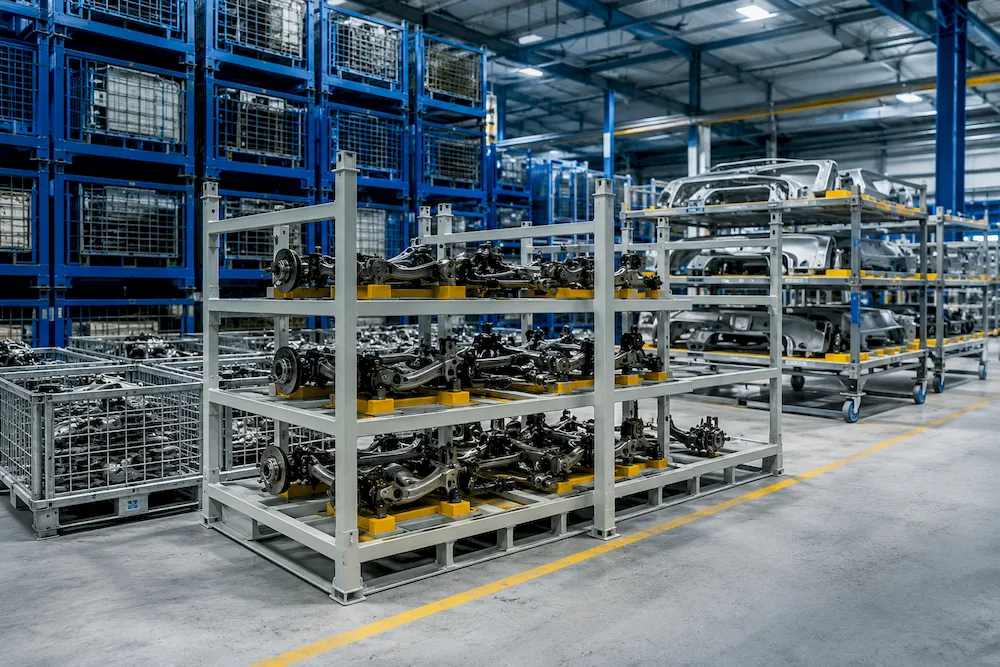
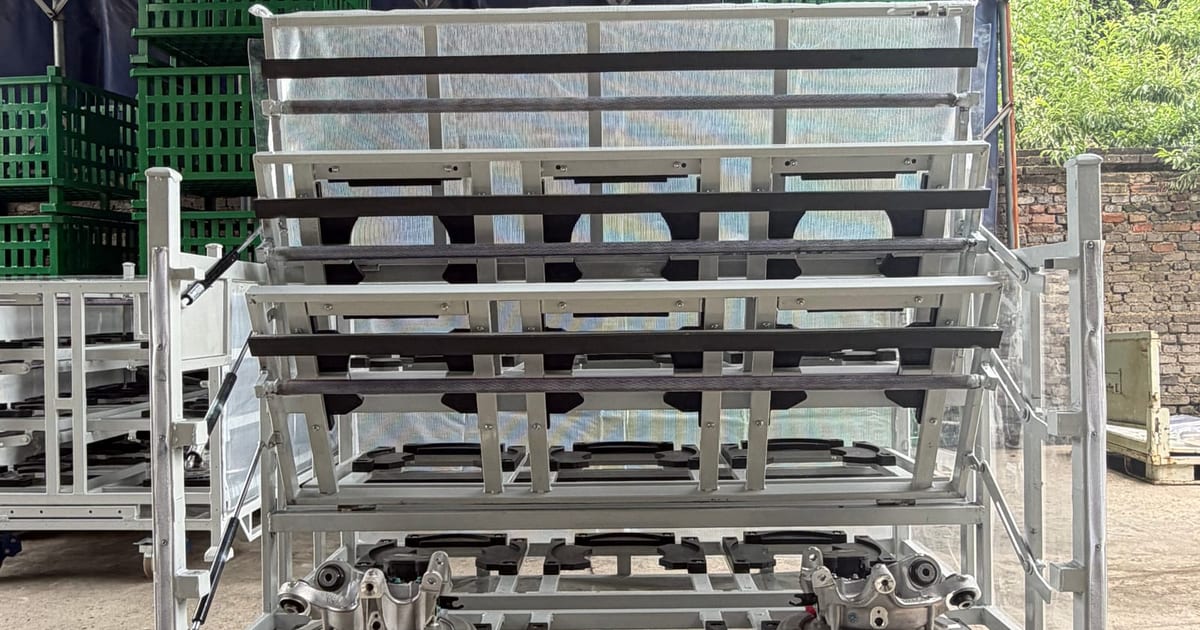
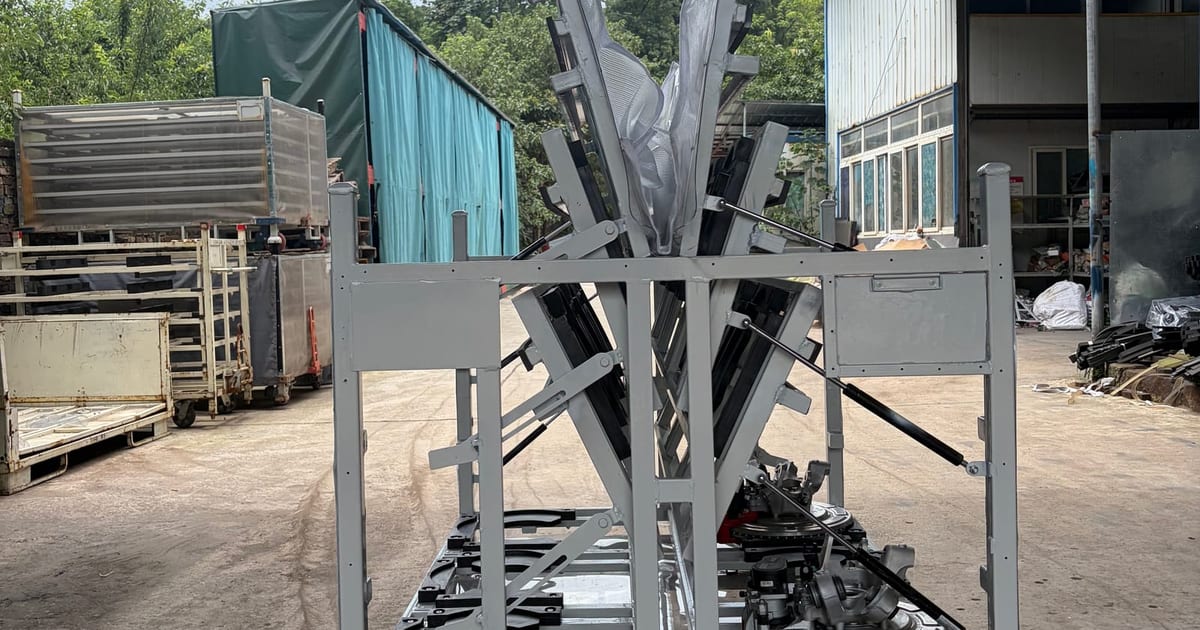
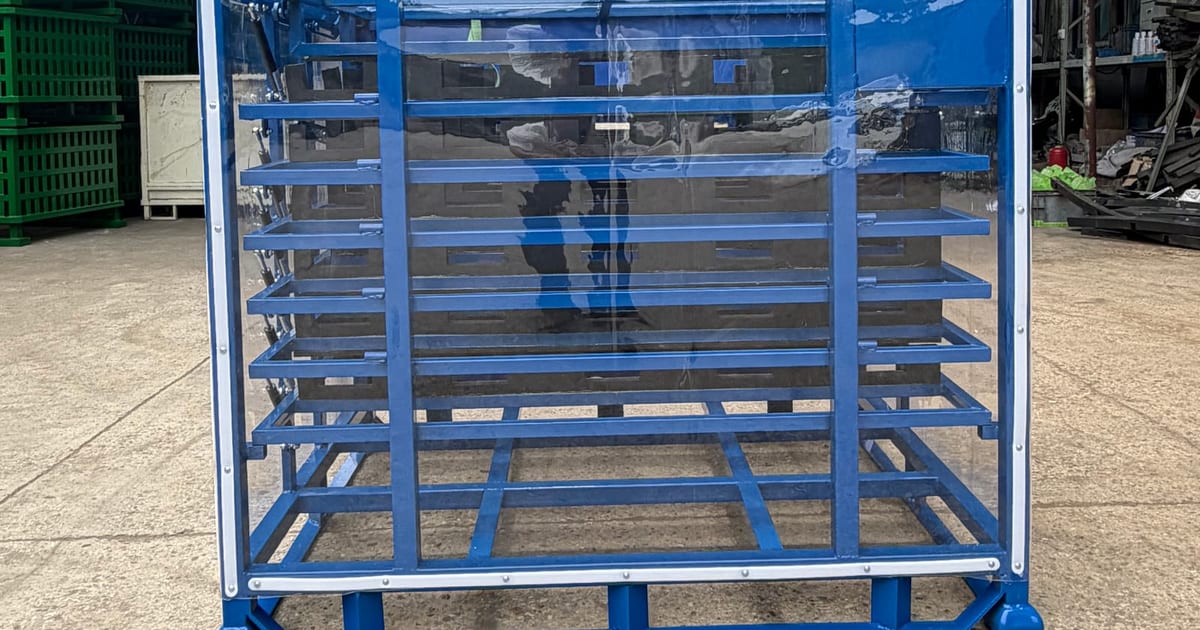
An automotive parts rack is used to store, move, and protect parts inside a factory or between factories. It can hold doors, glass, panels, seats, engine parts, and other components.
The rack you choose can affect work speed, storage space, transport cost, and product damage. A rack that does not match the parts may cause delays or damage. It may also use more floor space.
Before you order a rack, you need to understand your parts, work process, and transport method. This guide explains the main points you should check.
1. Check the Parts You Need to Store
Start with the parts. Different parts need different rack structures. You should collect the following information:- Part length, width, and height
- Part weight
- Number of parts in one rack
- Part shape
- Contact points
- Areas that need protection
2. Confirm the Load Capacity
The rack must hold the total weight of the parts. You should calculate the weight of all parts in one rack. You also need to include the rack weight when the rack is moved by a forklift, trolley, or truck. Do not choose a rack based only on the number of parts. Two parts with the same size may have different weights. Ask the manufacturer to explain:- The load capacity of one rack
- The stacking load
- The weight of the rack
- The test method
3. Choose the Handling Method
The rack must match the equipment in your factory.Forklift Handling
If workers use forklifts, the rack needs fork pockets or space under the base. The fork entry direction should match the work area.Manual Handling
If workers push the rack by hand, the rack may need wheels, handles, and brakes. The wheel type should match the floor and load.Automated Handling
If the factory uses conveyors, robots, or automated vehicles, the rack size and base structure must match the system. Check all handling steps before production. A rack may work in the warehouse but fail to work on the production line.4. Plan the Rack Capacity
The number of parts in each rack affects transport and storage. A rack with fewer parts may increase the number of trips. A rack with too many parts may make loading and unloading hard. Think about:- Daily part use
- Production line speed
- Truck space
- Warehouse space
- Loading time
- Unloading time
5. Protect the Parts
The rack should stop parts from moving, touching, or falling during handling. Protection materials may include:- Rubber pads
- Plastic blocks
- Foam
- Fabric covers
- Straps
- Dividers
6. Decide Whether the Rack Should Stack or Fold
Stacking can reduce warehouse space. Folding can reduce return transport space when the racks are empty. A stackable rack needs a base and top structure that connect during stacking. The rack should not move when several units are stacked. A folding rack needs joints or panels that workers can open and close. The folding steps should not take much time. Ask how many racks can be stacked when full and when empty.7. Check the Rack Size
The rack size must work with your factory doors, aisles, elevators, trucks, and storage areas. Measure:- Door width and height
- Aisle width
- Truck loading space
- Warehouse height
- Forklift turning space
8. Select the Surface Treatment
Metal racks need surface treatment to reduce rust and wear. Common options include powder coating, paint, and galvanizing. The choice depends on where the rack is used. A rack used indoors may have different needs from a rack used outside or in a wet area. Tell the manufacturer about the work environment before choosing the treatment.9. Review the Loading Process
Workers should be able to load and unload parts without extra steps. Check the height of each level, the direction of loading, and the space between parts. Doors, bars, or panels should not block access. A sample rack can help you test the process before placing an order.10. Work With a Manufacturer That Supports Custom Design
Automotive parts often have different shapes and handling needs. A standard rack may not fit the process. A rack manufacturer should be able to review drawings, create a design, make a sample, and change the structure after testing. Before ordering, ask about:- Design process
- Sample production
- Load testing
- Production time
- Inspection
- Packaging and shipping
Conclusion
Choosing an automotive parts rack starts with the parts and the work process. You need to check dimensions, weight, handling, capacity, protection, stacking, folding, and factory space. A rack should hold the parts, support transport, and fit the production line. Before placing an order, provide the manufacturer with drawings, photos, load data, and use details. A sample test can help find problems before production. When the rack matches the parts and the factory process, it can reduce damage, save space, and support material flow.Frequently Asked Questions
- How do I choose the right automotive parts rack?
- Start from the part — its dimensions, weight and contact points — then set load capacity, handling method, part protection, whether it stacks or folds, size for your facility, and surface finish. Design the rack around the part, not the other way around.
- What information does a rack manufacturer need from me?
- Part drawings or samples, dimensions, weight, contact points, quantity per rack, how it's handled (forklift/manual/tugger), storage method and the environment. The more detail, the better the fit.
- Should an automotive parts rack be stackable or foldable?
- Often both — stacking saves warehouse floor space when full, and folding cuts return-transport volume when empty. The right mix depends on your storage and return-freight costs.