How to Choose a Tare Method for Custom Metal Containers

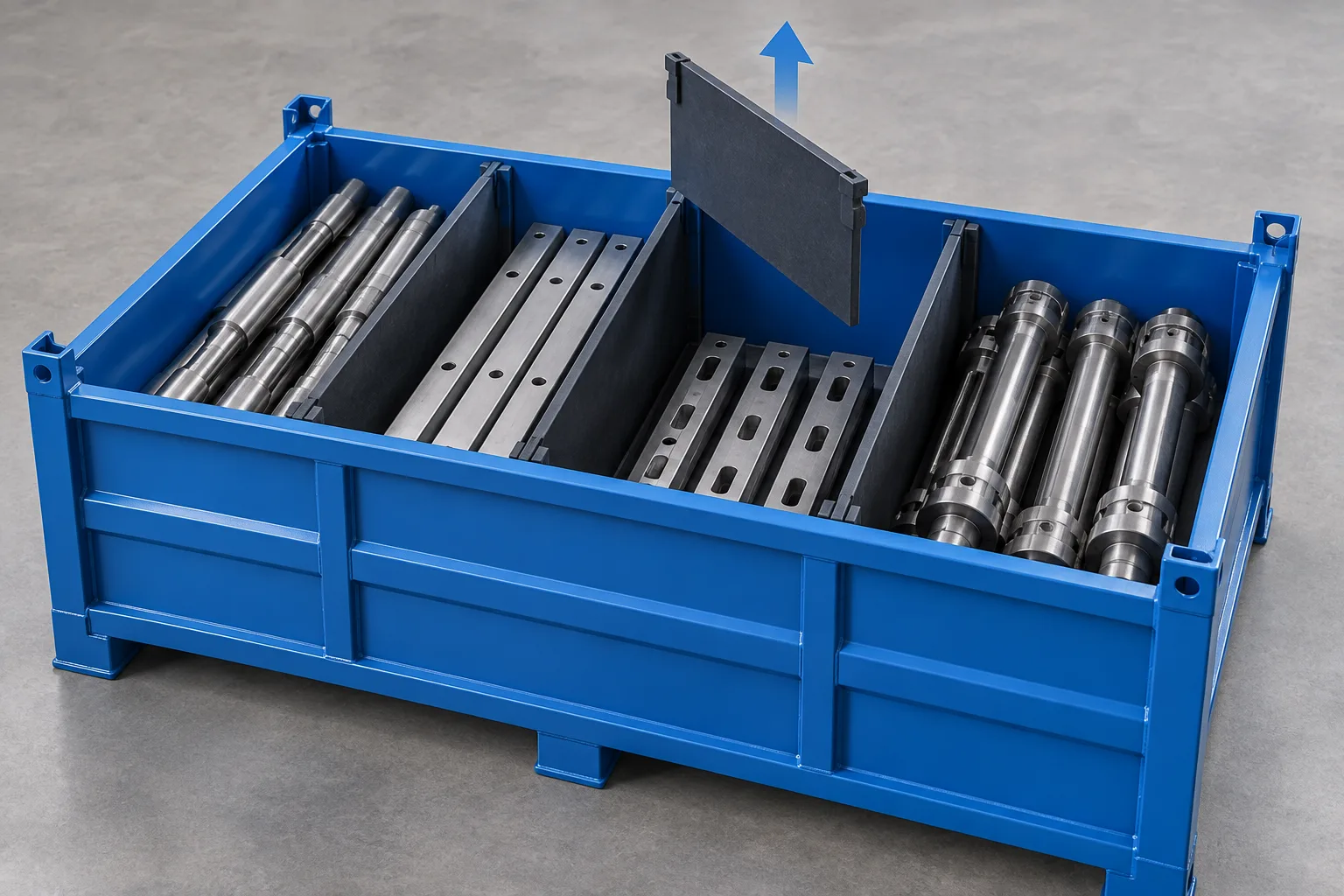
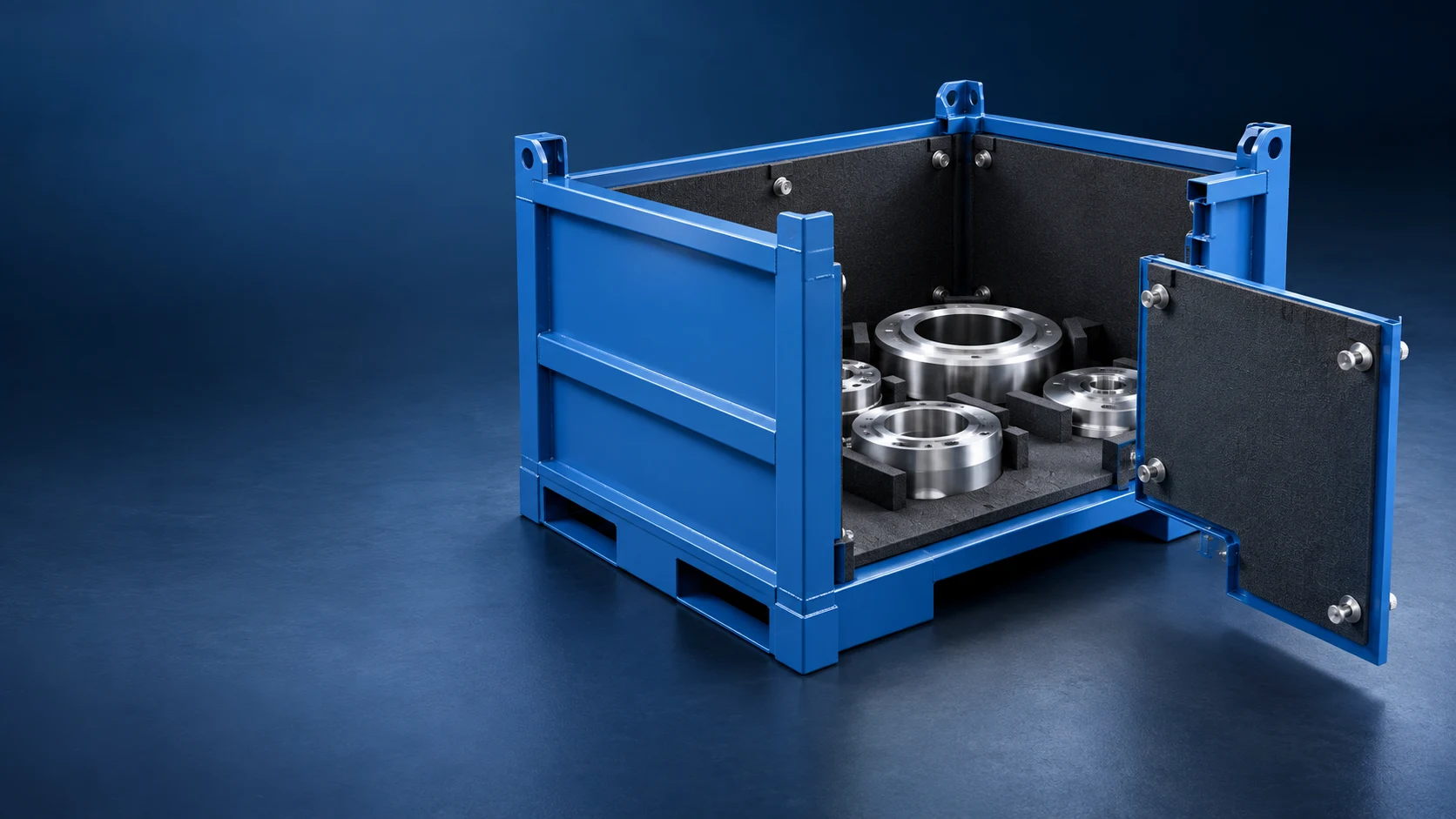
Match the tare to the actual empty container configuration that is included in the gross reading. A steel box with its lid, dividers and protective liner has a different empty mass from the same shell without those parts. If accessories vary frequently, weigh the empty configuration before filling where the process permits. If a full container arrives at receiving and cannot be emptied first, use the verified tare for the identified unit and accessory state under the site's weighing procedure. Use a shared preset only after checking that variation across the group fits the site's measurement requirement.
Match the tare to the actual empty container configuration that is included in the gross reading. A steel box with its lid, dividers and protective liner has a different empty mass from the same shell without those parts. If accessories vary frequently, weigh the empty configuration before filling where the process permits. If a full container arrives at receiving and cannot be emptied first, use the verified tare for the identified unit and accessory state under the site's weighing procedure. Use a shared preset only after checking that variation across the group fits the site's measurement requirement.
Define empty before you record it
A loaded box arrives with its dividers and lid fitted, but the tare on the receiving record was taken on the bare box. Subtracting that bare-shell value counts the removable hardware as goods. Replacing a liner, removing a divider or adding a transport fixture can create the same mismatch. Specify the weighing condition on the container drawing and on the weigh-station record. List what stays on the box for both measurements, including items that are removed between dispatch and receiving.
| Tare method | Useful when | Required control |
|---|---|---|
| Measure empty at the station | Accessories vary and the container can be weighed before filling | Match empty and gross readings to the same configuration |
| Record a tare per unit | The box arrives loaded and can be identified reliably | Confirm the unit and accessory state, then review changes |
| Preset for an approved configuration | Units have demonstrated acceptable variation for the application | Define the group, sampling procedure and recheck triggers |
Give the box supplier the station drawing
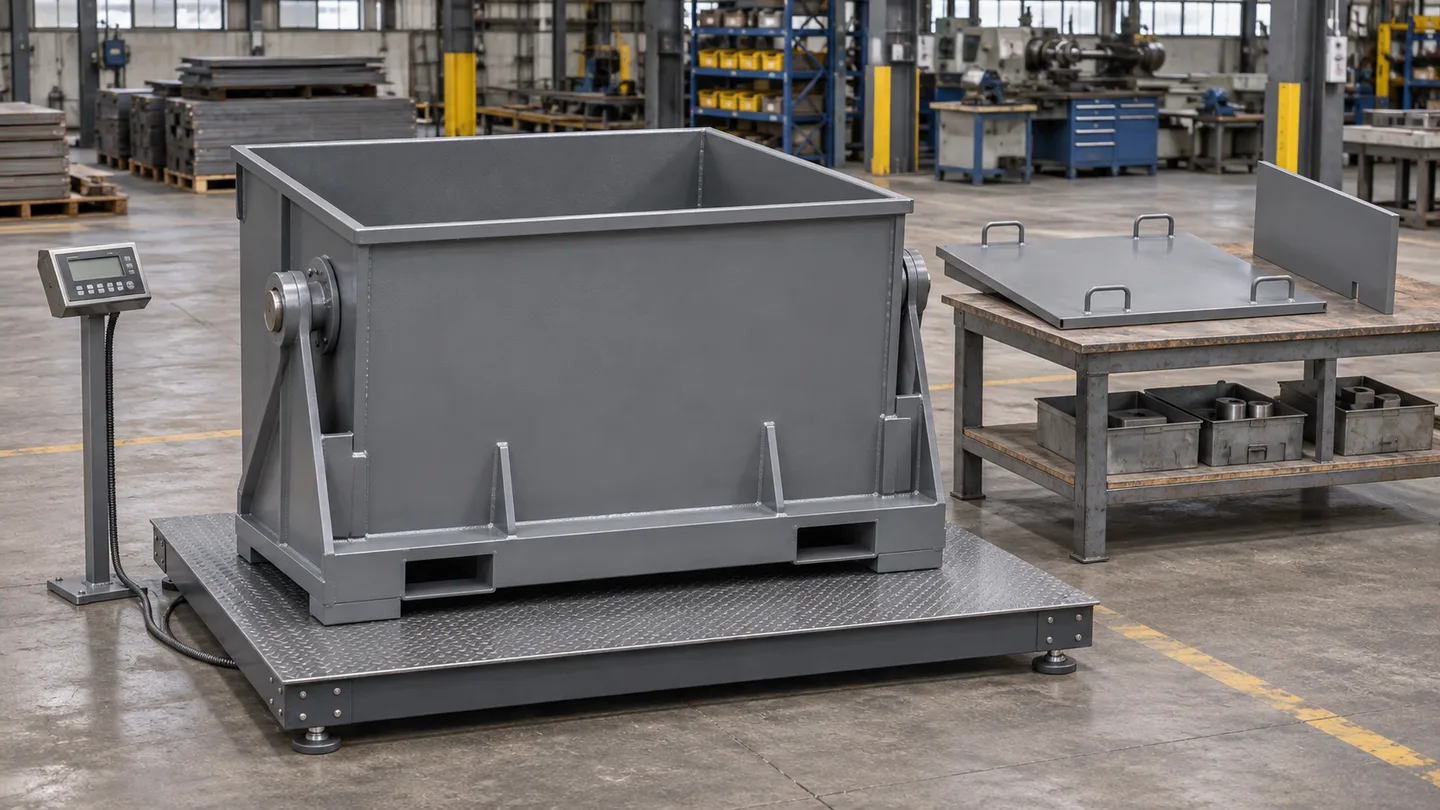
Show the platform footprint, the container support surfaces and how the operator places and removes the box. Ask the weighing equipment supplier how to confirm that the box is fully supported by the intended measuring surface. A frame resting against a nearby guide or a fork that still carries part of the load can alter what the instrument reads. For a forklift scale, follow the selected equipment's instructions for the weighing position and stable reading. Record the tare as a measured configuration value and keep the container's engineering load limits in a separate field.
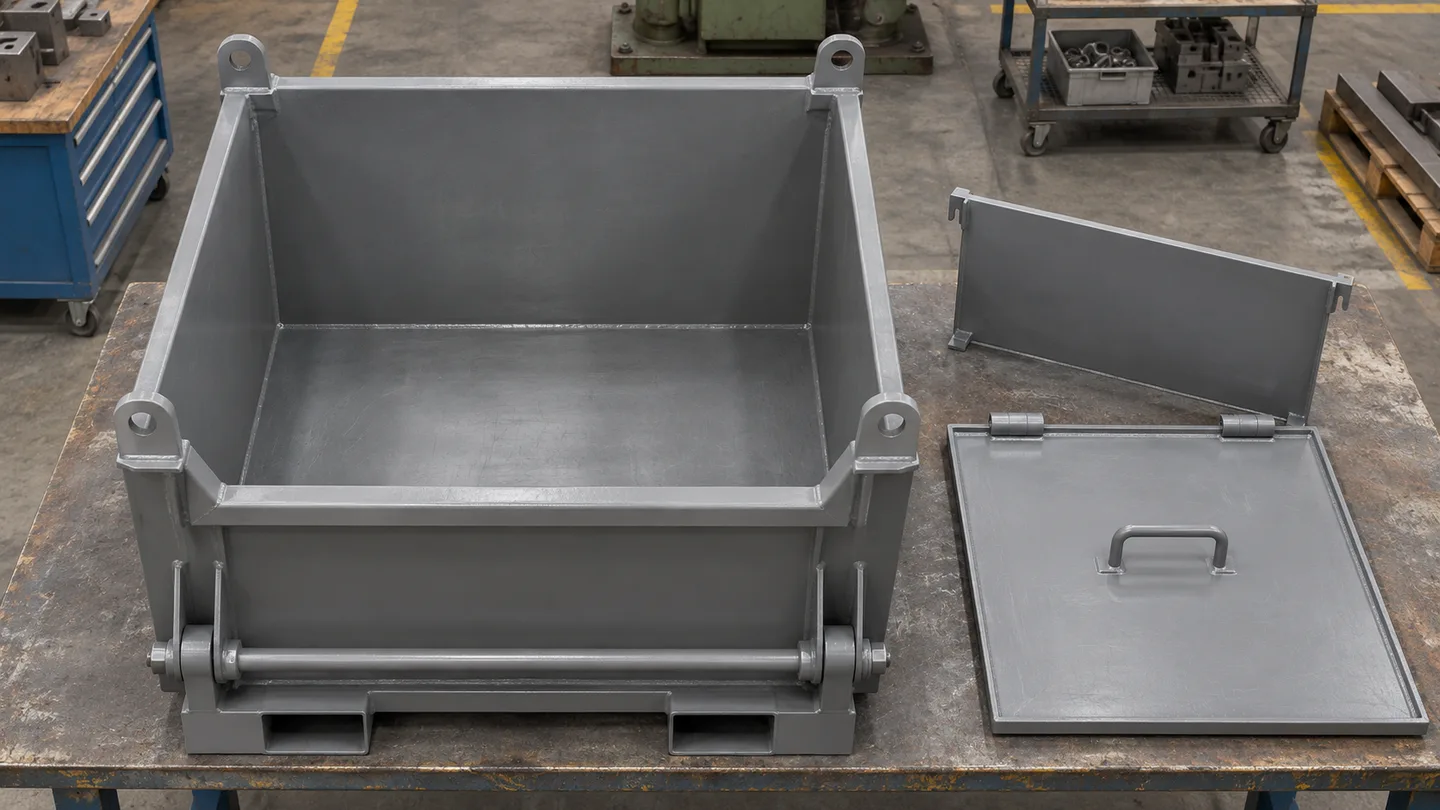
Trace the two readings through the process
For a production cell that fills and weighs at one station, the same empty and loaded accessory state can often be observed directly. For receiving, the full container may arrive already closed and leave for storage after weighing. Ask which station has access to the empty box and which station retrieves the tare. A value measured at one point is useful at the next only if the process identifies what was included.
Map dunnage, lids, pallets and fixtures to the reading in which each is present. Keep the mapping by configuration where interchangeable inserts are used. If the gross includes an independent support fixture on the platform, the weighing team must account for its contribution under its approved procedure. Record missing or changed accessories as exceptions instead of silently accepting the default.
Separate a design estimate from a controlled tare
A drawing mass helps with planning transport and comparing designs. The measured empty weight includes the as-built box and accessories. Finish, hardware and fabrication changes can affect the relationship between those values. Ask the supplier to identify which value appears on the drawing and who measures and records the operational tare at commissioning.
The permitted difference depends on the purpose of the measurement. A coarse handling estimate, an inventory count inferred from weight and a commercial settlement can have very different requirements. Have the site weighing owner define the resolution, verification and approval process for the actual application. Do not adopt a tolerance from a scale catalogue or a different plant.
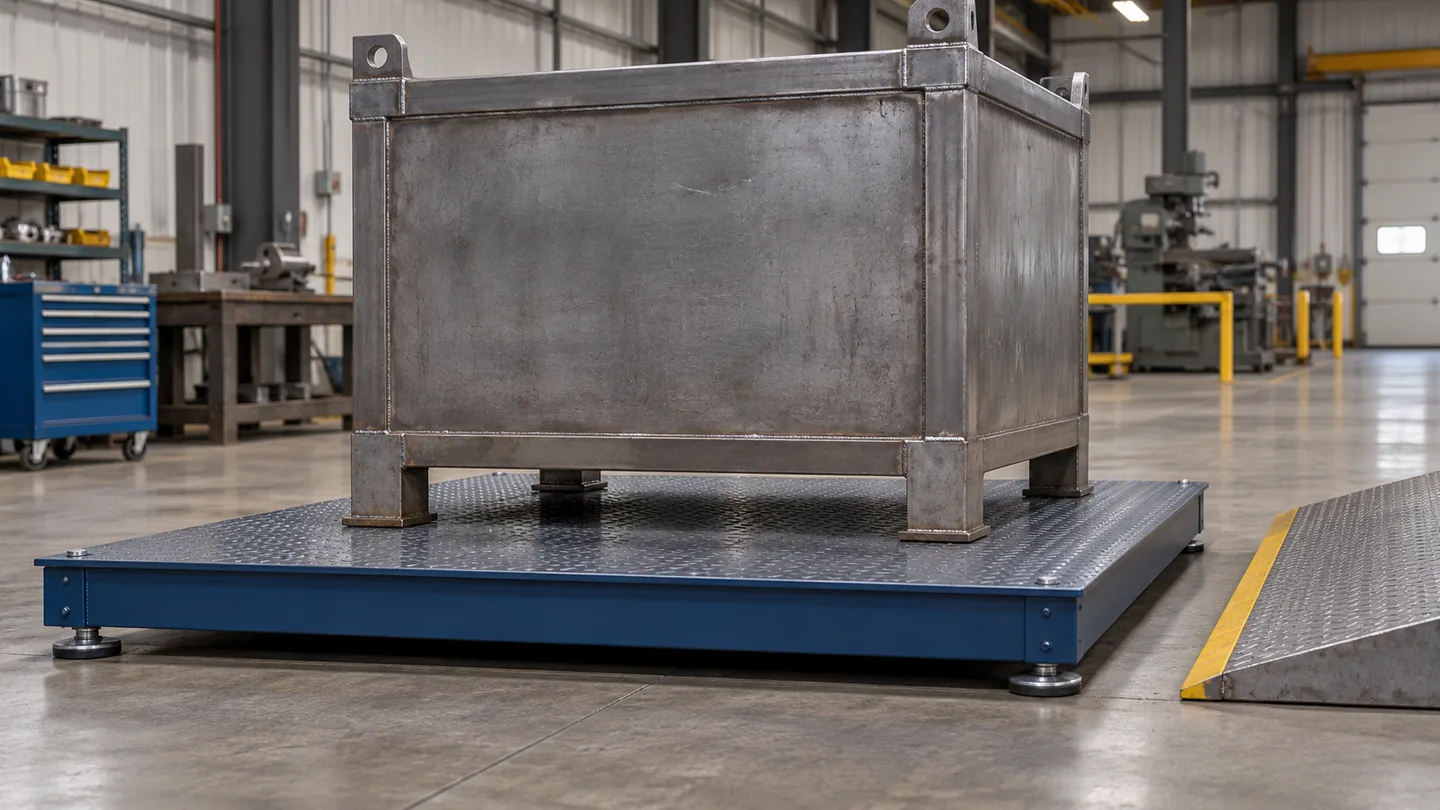
Check the station before freezing the base
Show the station operator where every support lands and what clears the platform edge. A floor scale and a forklift scale require different placement and operating checks. Include access for the handling device, the permitted load position and nearby guards or fixed stops. Ask the equipment supplier which contacts must be clear during the reading and how it signals a stable value.
If several container sizes share one station, draw the smallest and largest support footprints. A box can fit the platform in plan view yet still contact a ramp or adjacent structure. Use the selected scale documentation and the site procedure to evaluate the actual arrangement. The container manufacturer needs the interface, not a request to guarantee the complete weighing system.
Make the tare survive accessory changes
If the site records a tare per box, link the measurement to a persistent box identifier and a configuration code. Record the empty state, date and approved source for the value. When a lid is exchanged, a liner changes or the box is repaired, the workflow should tell the operator when to reweigh it and retire the old value.
If the site uses a group preset, document the approved group and how variation is checked. Keep a separate preset for a different accessory set when the difference matters to the required accuracy. At receiving, a mismatch between the tag and the observed state should prompt review rather than an improvised deduction.
Specify what the receiver does when the state is uncertain
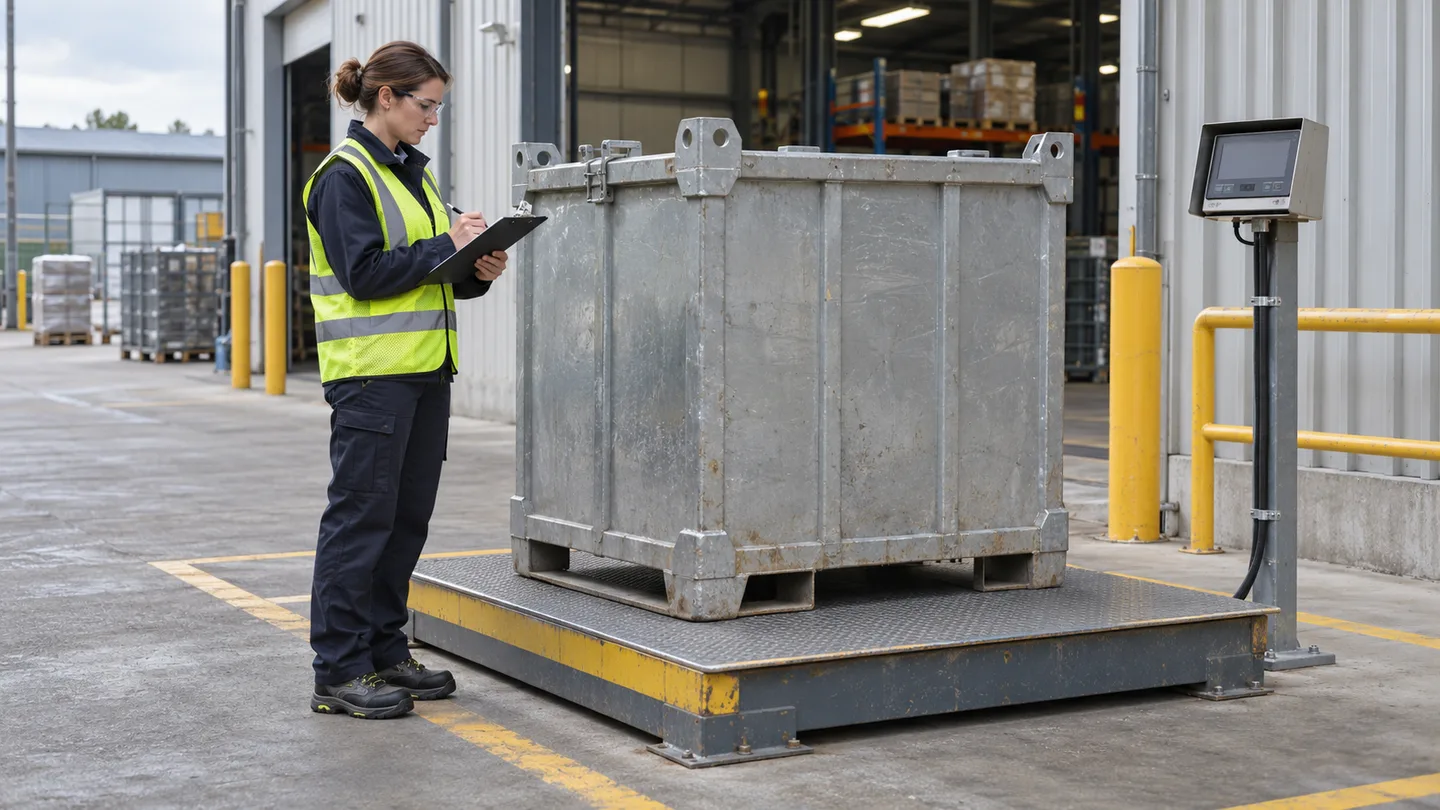
The receiving operator may see a closed box with an unfamiliar lid and no usable tare record. Define an exception path before the first shipment. One option is to retain the gross reading and hold the net quantity until the configuration has been confirmed. Another is to measure the emptied box later, provided the site can reproduce the accessory state included in the original gross reading. Choose the method with the weighing owner and keep both observations linked to the same box and receipt.
Include this exception in the initial trial. Give the operator one correctly identified box, one with an accessory change and one with a missing record. Check that the procedure identifies the mismatch, preserves the original observation and makes it clear who can approve an updated value. That test is about the data and handling process. Any acceptance requirement for a commercial weight or a regulated instrument belongs with the responsible metrology team.
Prepare the enquiry
- Trace the two readings through the process For a production cell that fills and weighs at one station, the same empty and loaded accessory state can often be observed directly.
- Separate a design estimate from a controlled tare A drawing mass helps with planning transport and comparing designs.
- Check the station before freezing the base Show the station operator where every support lands and what clears the platform edge.
- Make the tare survive accessory changes If the site records a tare per box, link the measurement to a persistent box identifier and a configuration code.
Tell HAOFU whether your metal box will be weighed before filling, on arrival or during a forklift transfer. Share the proposed lid and insert states and a photo or sketch of the station. Use the custom metal container page to compare enclosure and insert choices, or send your weighing and handling requirements to start a box enquiry.
Related reading and technical references
Frequently Asked Questions
- Does the tare include the lid?
- Include the lid when it is present in the gross weighing and the recorded tare represents the same configuration.
- Can I use one tare for every box?
- Use a shared value only when the site has verified the group and configuration against the measurement requirement.
- What happens after a liner change?
- Check the approved reweighing procedure. Update the configuration record and replace the old tare when the change requires it.
- Is tare the same as load capacity?
- Tare describes empty mass. Capacity is an engineering limit for the specified container and use. Keep the fields separate.