Automotive Sequencing Racks: Position and Loading Order

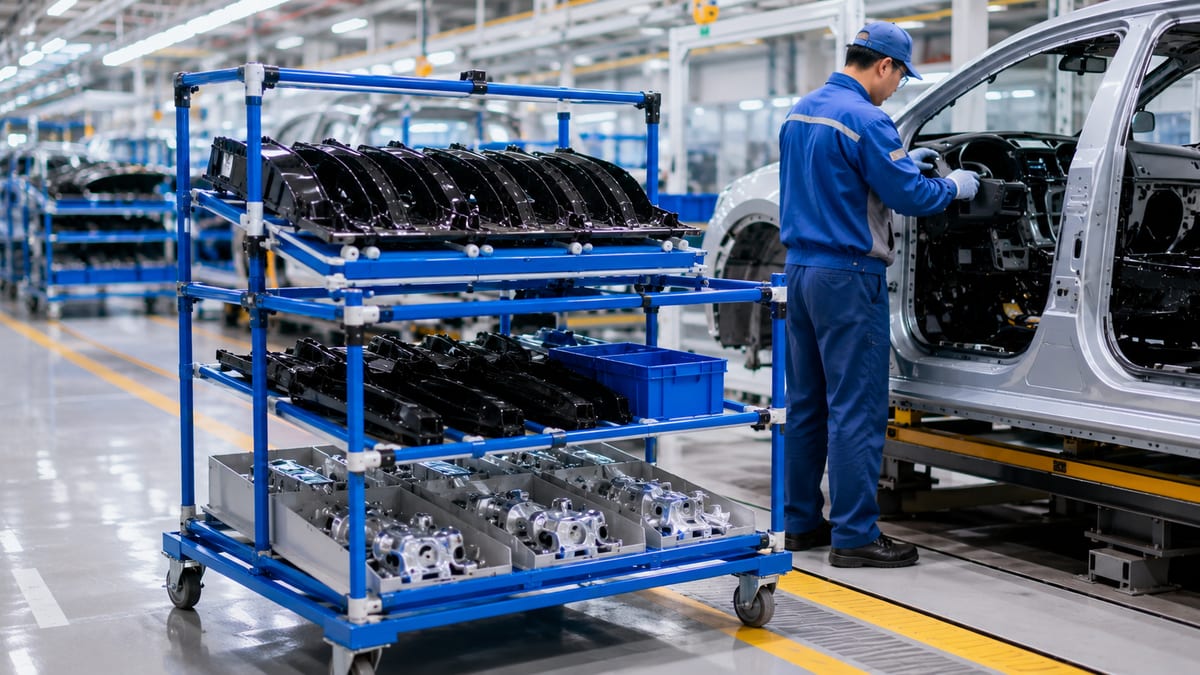
An automotive sequencing rack should present each part variant in the order the line needs it. Give the rack supplier the part list, position map, loading and unloading direction, required orientation, identification method, operator access and changeover rules. Then test the complete sequence with representative parts and the real line-side handling method before production release.
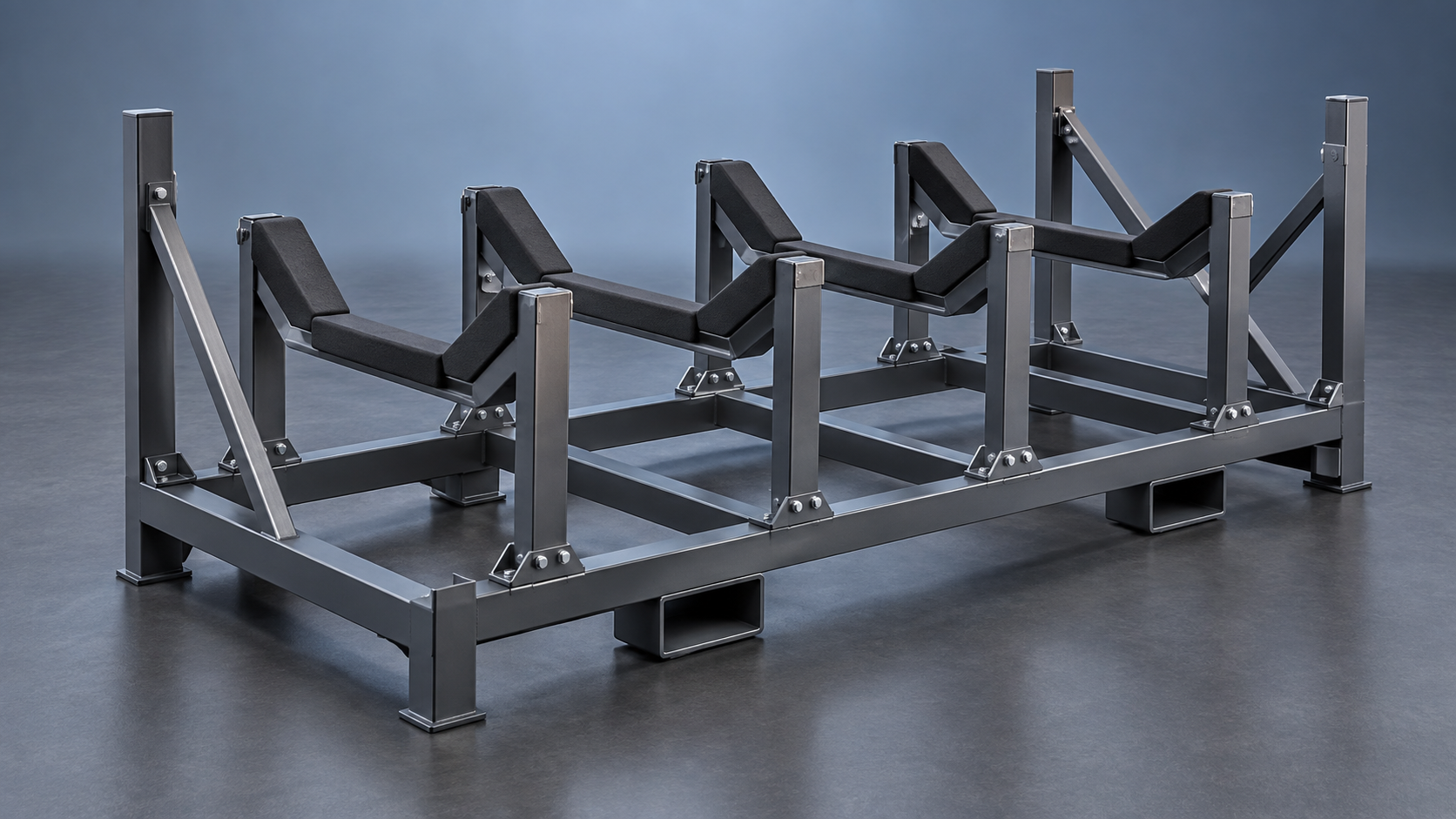
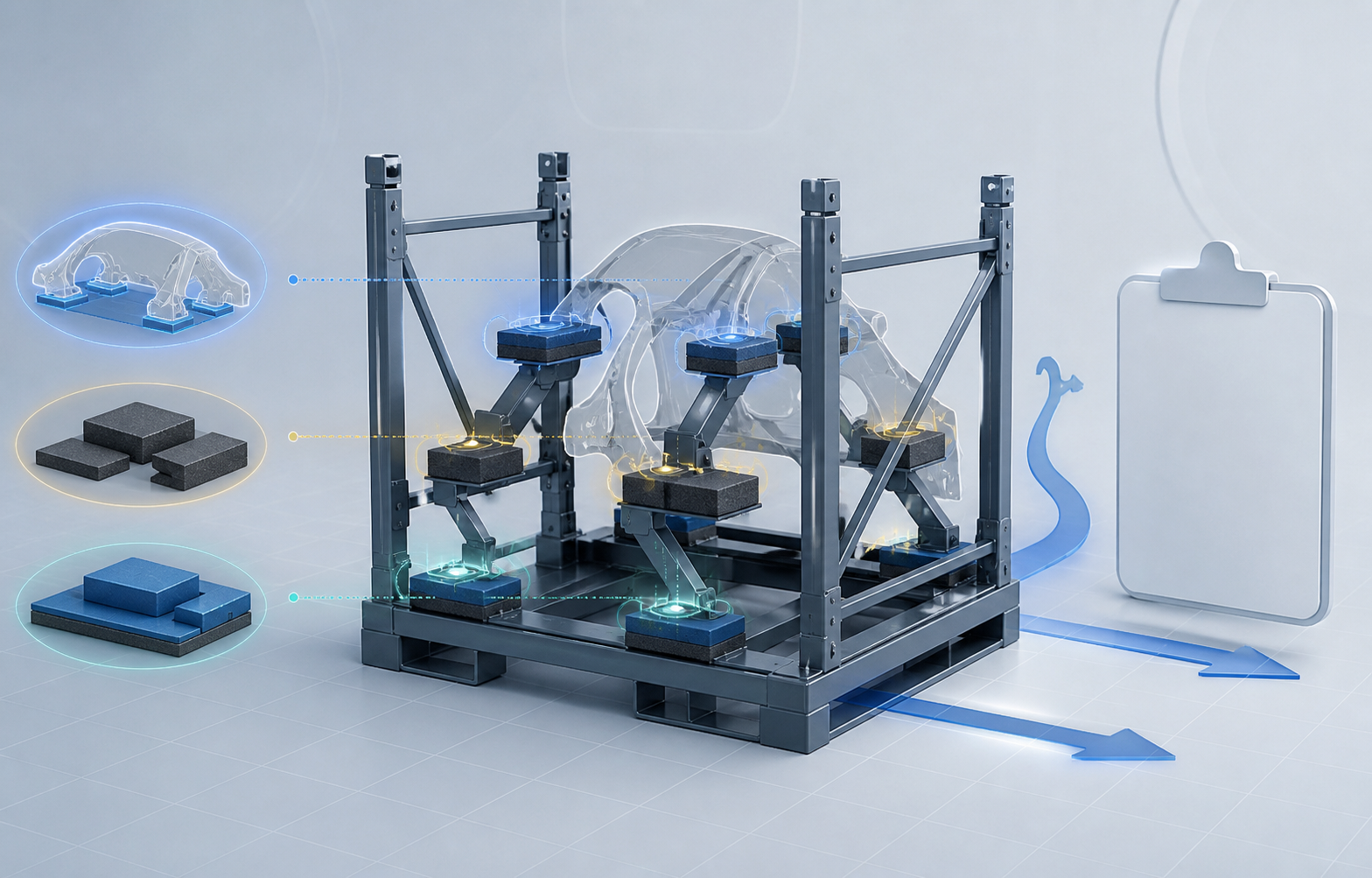
Automotive sequencing racks organize parts so operators or material-handling equipment can load and present them in the required order. The rack layout must connect each position to a part variant, orientation and line-side sequence. That makes the position map, loading side, unloading side, dunnage and identification method essential RFQ inputs.
Forward loading and reverse loading describe how the rack is filled relative to the order in which parts are removed. Neither pattern is universally better. The right arrangement depends on the supplier process, route, line-side access, operator reach and whether the rack is turned or approached from different sides.
What information does a sequencing rack supplier need?
| Input | Information to provide | Rack decision |
|---|---|---|
| Part variants | Drawings or samples, dimensions, weight and visual differences. | Position size and variant separation. |
| Sequence map | Position numbers, load order and required presentation/unload order. | Rack layout and numbering. |
| Part orientation | Permitted contact points, pick direction and presentation angle. | Dunnage and support geometry. |
| Identification | Labels, color coding, barcodes or other buyer-specified method. | Holder locations and line-of-sight. |
| Operator and equipment access | Loading side, unloading side, reach limits and handling equipment. | Door, frame and clearance arrangement. |
Design the rack around presentation, not only storage
A rack can hold the right number of parts and still be awkward at line side. Review the operator's approach, reach and view of each position; the path used to insert and remove the part; the chance of contacting neighboring parts; and how an empty or incorrect position is noticed. If scanning or pick-to-light equipment is part of the programme, provide the hardware interface and visibility requirements rather than assuming a standard mount.
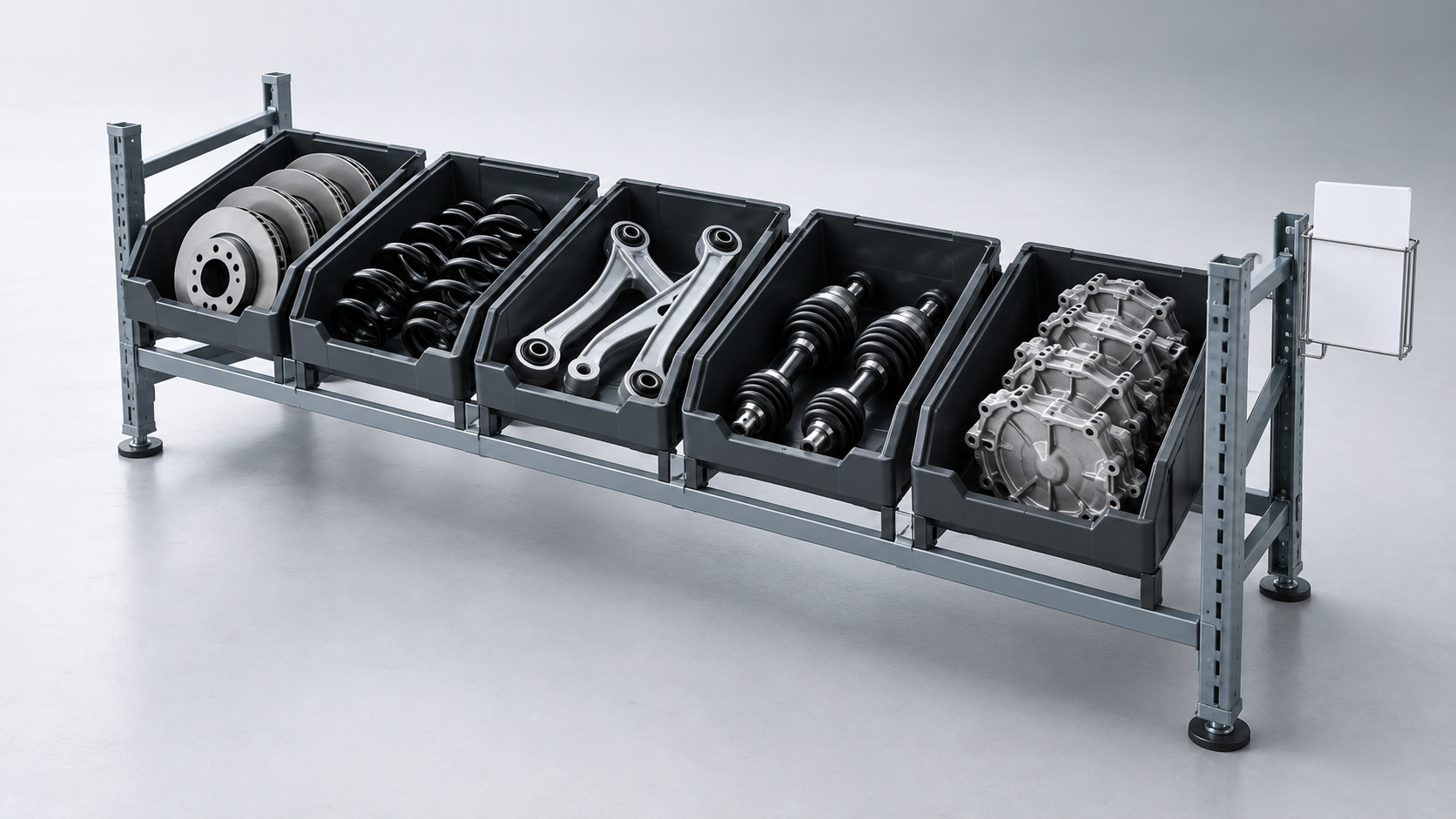
Five steps to develop a sequencing rack
- Map part variants. List each part, orientation, support point and protection restriction.
- Write the load and unload order. Include the approach side and any rack rotation or changeover step.
- Assign rack positions. Match position IDs, dunnage and identification so variants are easy to distinguish.
- Review operator and equipment access. Check reach, visibility, forklift movement and line-side clearance.
- Run a representative trial. Load and unload the full sequence with representative parts and the intended handling process.
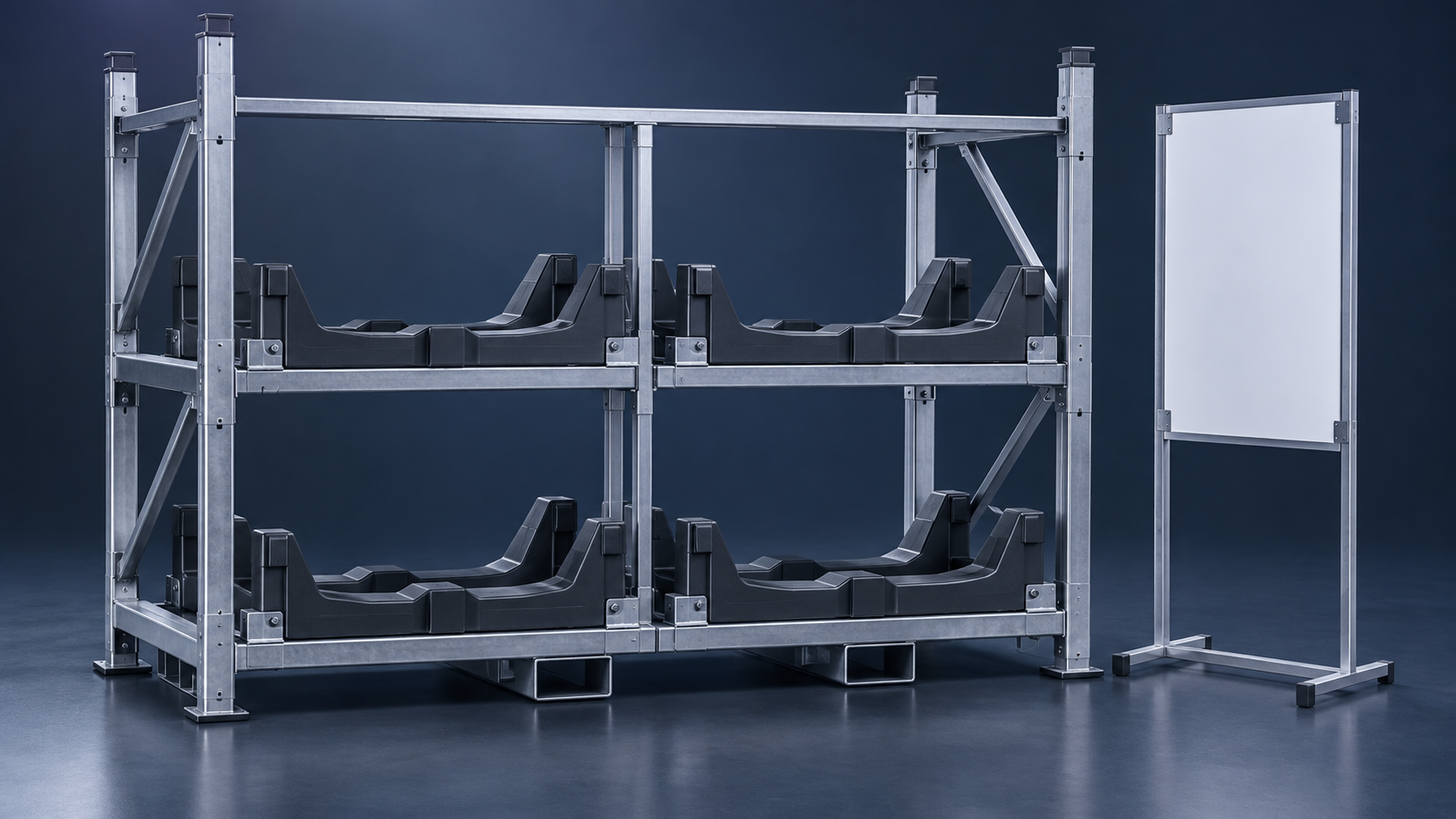
Related automotive rack design guides
Use the automotive rack dunnage guide for contact surfaces, line-side sequencing racks for JIT/JIS for delivery context, and the engine rack RFQ guide for engine-specific inputs. Browse automotive parts racks for the product category.
Request an automotive sequencing rack quote
Send the part drawings or samples, variant list, position map, load and unload order, required orientation, dunnage restrictions, identification method, handling equipment and quantity through the automotive rack RFQ form.
Frequently Asked Questions
- What is an automotive sequencing rack?
- It is a parts rack whose positions, dunnage and identification present part variants in the order needed by the production line or material-flow process.
- What is forward versus reverse rack loading?
- The terms describe how the supplier loads positions relative to the order in which the receiving line removes them. The correct pattern depends on access sides, rack movement and line presentation.
- How are part variants identified in a sequencing rack?
- Projects may use position numbers, labels, color coding, barcodes or buyer-specified electronic aids. Identification must be visible in the real loading and line-side positions.
- How should a sequencing rack be tested?
- Run the complete load and unload sequence with representative parts, the intended orientation, operators or equipment, and realistic line-side clearance.
- What should I send for an automotive sequencing rack quote?
- Send part drawings or samples, variant list, position map, load and unload order, orientation, dunnage restrictions, identification method, handling equipment and quantity.