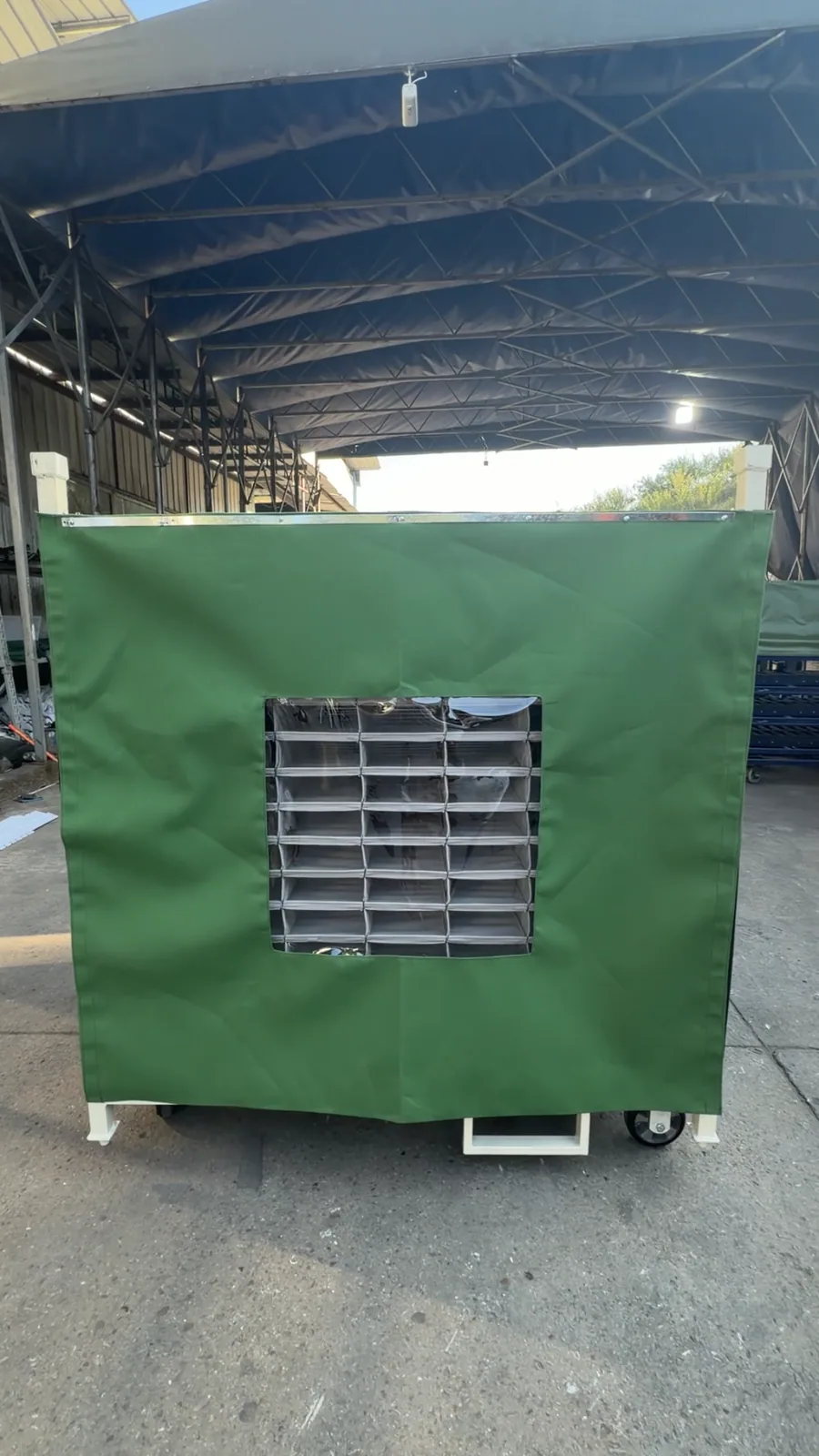
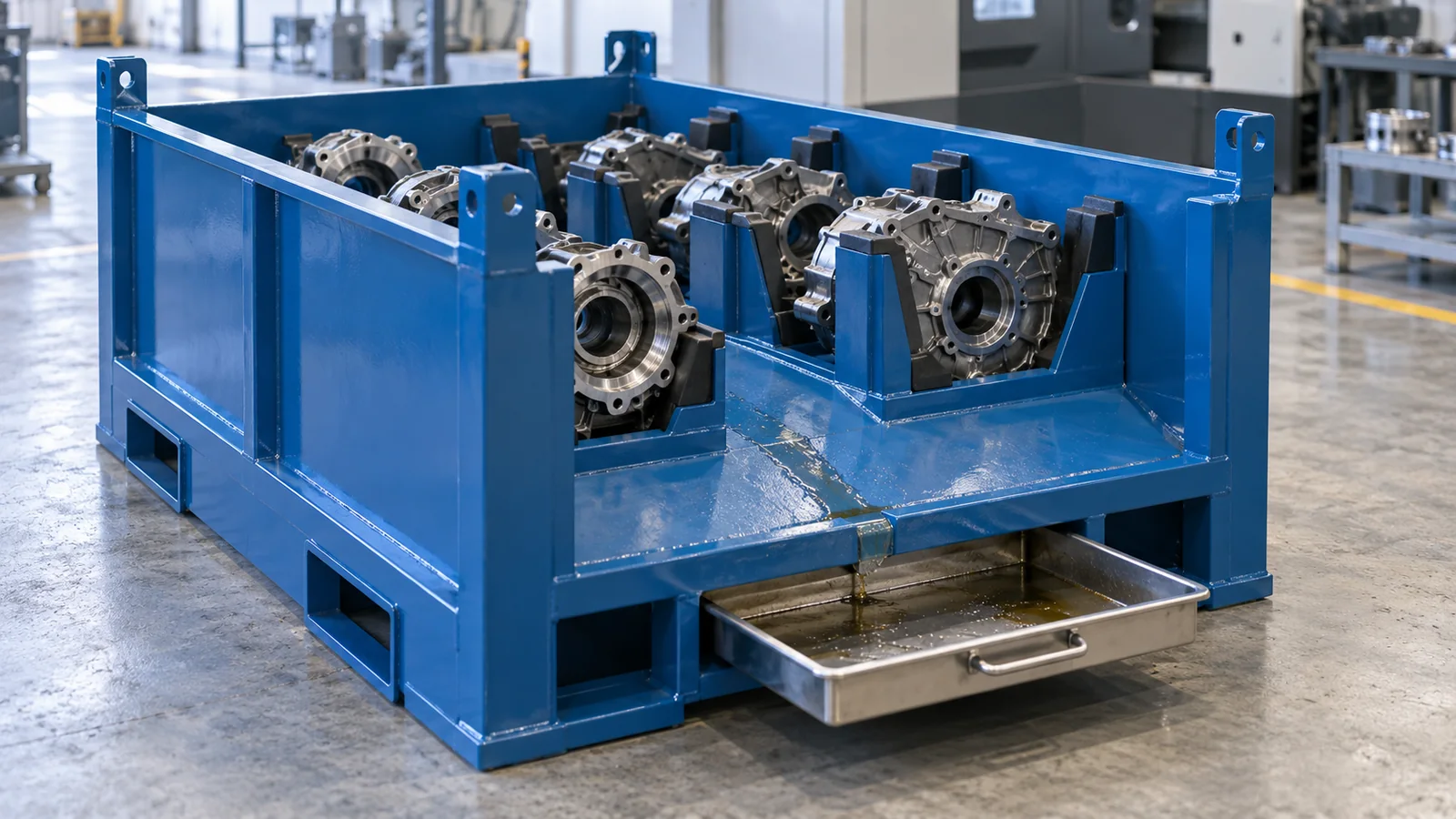
How to Compare Automotive Returnable Packaging Quotes

Compare automotive returnable packaging quotes using the same part drawing, quantity per rack, handling route, loaded stacking, empty-return requirement, destination and order volume. Check whether each price includes dunnage, a sample, inspection, export packing and the same Incoterm. A lower unit price may represent a different rack configuration or exclude work included by another supplier.
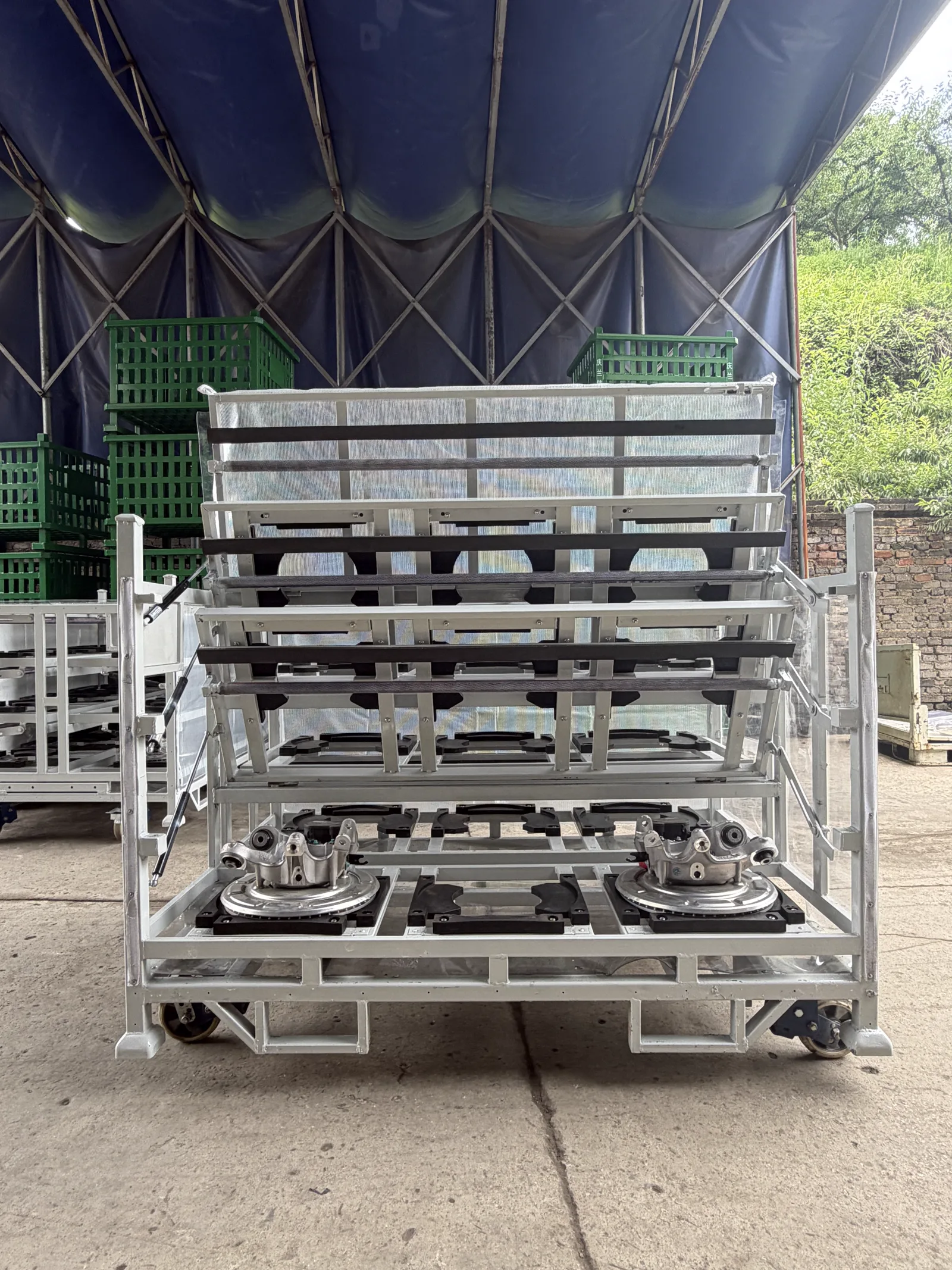
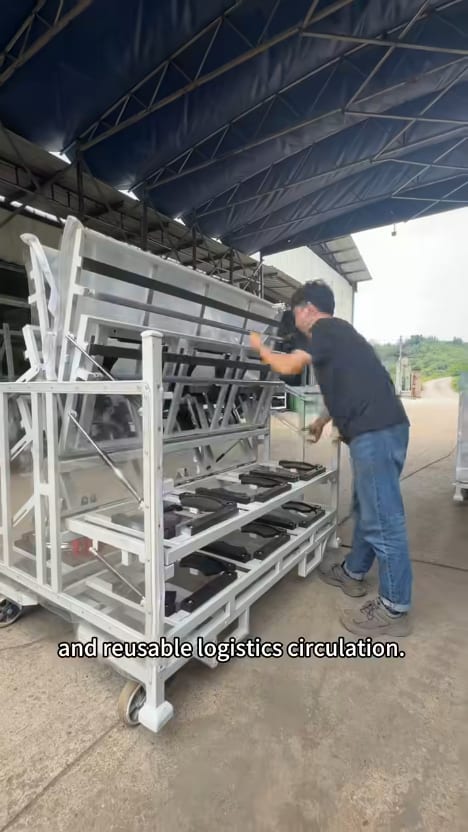
To compare automotive returnable packaging quotes, first give every supplier the same part drawing or sample, quantity per rack, contact restrictions, loading method, handling equipment, stacking and empty-return needs, order quantity and destination. Then compare the proposed frame, dunnage, access and return configuration before looking at unit price.
Two quotations can use the same product name while pricing different work. One may include part-specific dunnage, a prototype and export packing; another may price only a welded frame. Normalize sample cost, inspection, labels, spare components, packing, freight basis and Incoterm so the commercial comparison matches the engineering scope.
What should be compared in a returnable rack quote?
| Area | Questions for each supplier | Common difference |
|---|---|---|
| Rack design | Which frame, dunnage, access and handling features are included? | Different materials or missing components. |
| Pack density | How many parts per rack and what loaded/empty dimensions? | Different capacity or return configuration. |
| Engineering | Are drawings, design revisions and a prototype included? | Sample charged separately. |
| Inspection and spares | Which checks, reports, labels and spare parts are included? | Different first-batch support. |
| Commercial basis | Quantity tier, tooling, packing, lead time, Incoterm and destination? | Prices based on different terms. |
Compare cost per usable part position
Unit price alone can favor a rack that holds fewer parts, returns less efficiently or requires more operator handling. Compare price per usable part position, required fleet quantity, loaded and empty transport space, expected replacement dunnage and the labor implied by loading and return steps. Use calculations based on your route data instead of generic savings claims.
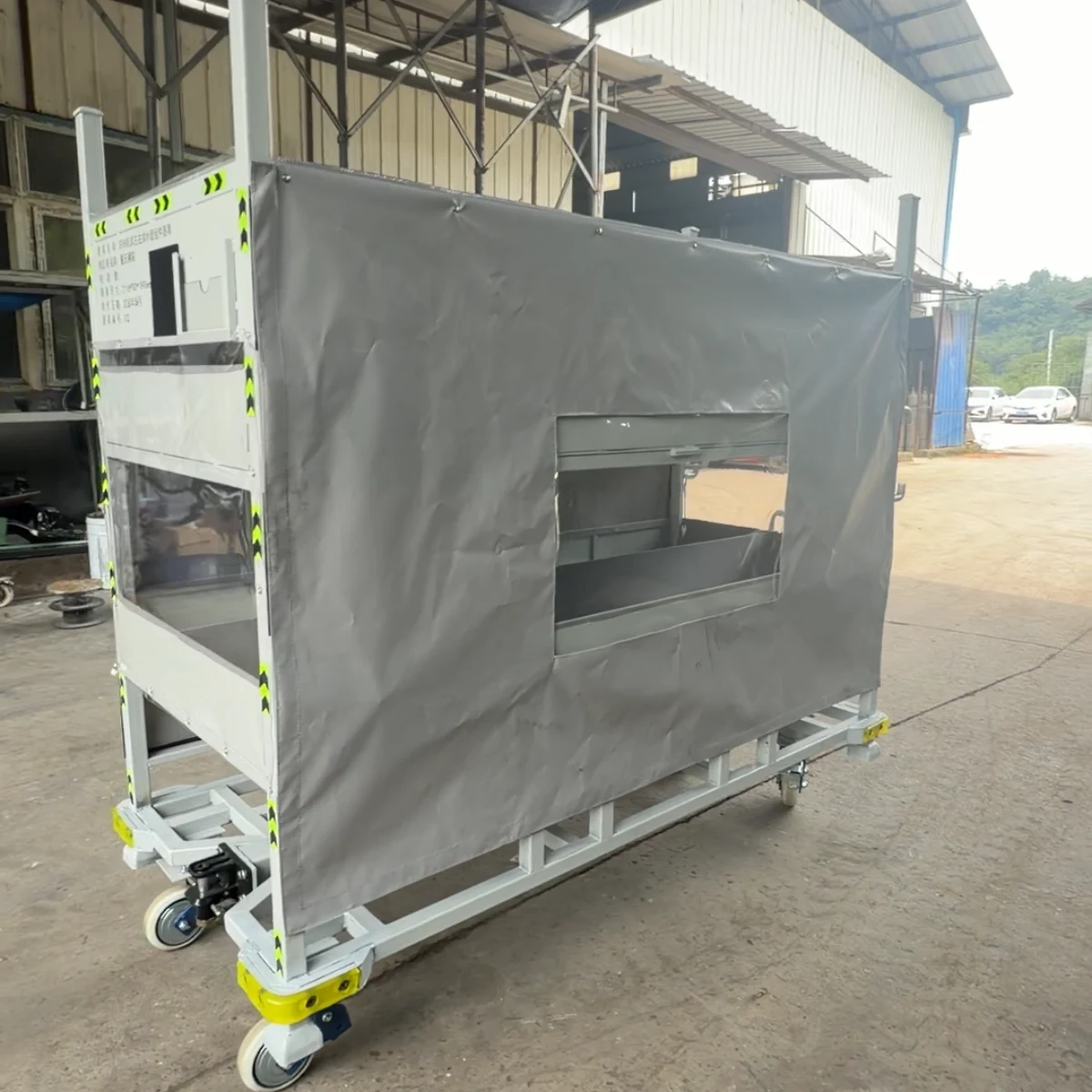
Five steps for a like-for-like quote comparison
- Issue one RFQ package. Send the same part, route, quantity, destination and timing information to every supplier.
- Compare the physical proposal. Review capacity, contact points, dunnage, access, handling and return design.
- List inclusions and exclusions. Separate prototype, tooling, inspection, labels, spares, packing and freight.
- Resolve assumptions. Ask suppliers to confirm any blank or estimated field that changes cost or performance.
- Normalize the commercial basis. Compare the same quantity tier, Incoterm, currency, destination and validity period.
Build a complete returnable packaging RFQ
Use the Rack RFQ Builder, the rack specification checklist and the prototype-to-production guide. Browse automotive returnable packaging for the solution path.
Request an automotive returnable packaging quote
Send the part drawing, weight, quantity per rack, loading and handling process, stacking and empty-return needs, project quantity and destination through the engineering RFQ form.
Frequently Asked Questions
- What should be compared in automotive returnable packaging quotes?
- Compare rack capacity and dimensions, dunnage, access, handling, loaded stacking, empty return, prototype, inspection, labels, spares, packing, quantity tier, lead time and Incoterm.
- How do I make returnable rack quotes comparable?
- Send one RFQ package to every supplier and ask each to list the proposed configuration, inclusions, exclusions, options and assumptions before comparing prices.
- Should a returnable packaging quote include a prototype?
- For a new part-specific rack, ask suppliers to price the prototype separately or state whether it is included. Also compare what sample trials and design revisions are covered.
- Why does empty return belong in the quote?
- Folding, nesting or removable components affect frame design, handling steps, return transport space and price. Suppliers need the same return requirement to propose comparable solutions.
- What should I send for an automotive rack quote?
- Send the part drawing or sample, weight, quantity per rack, contact restrictions, loading and handling process, stacking and return needs, order quantity and destination.