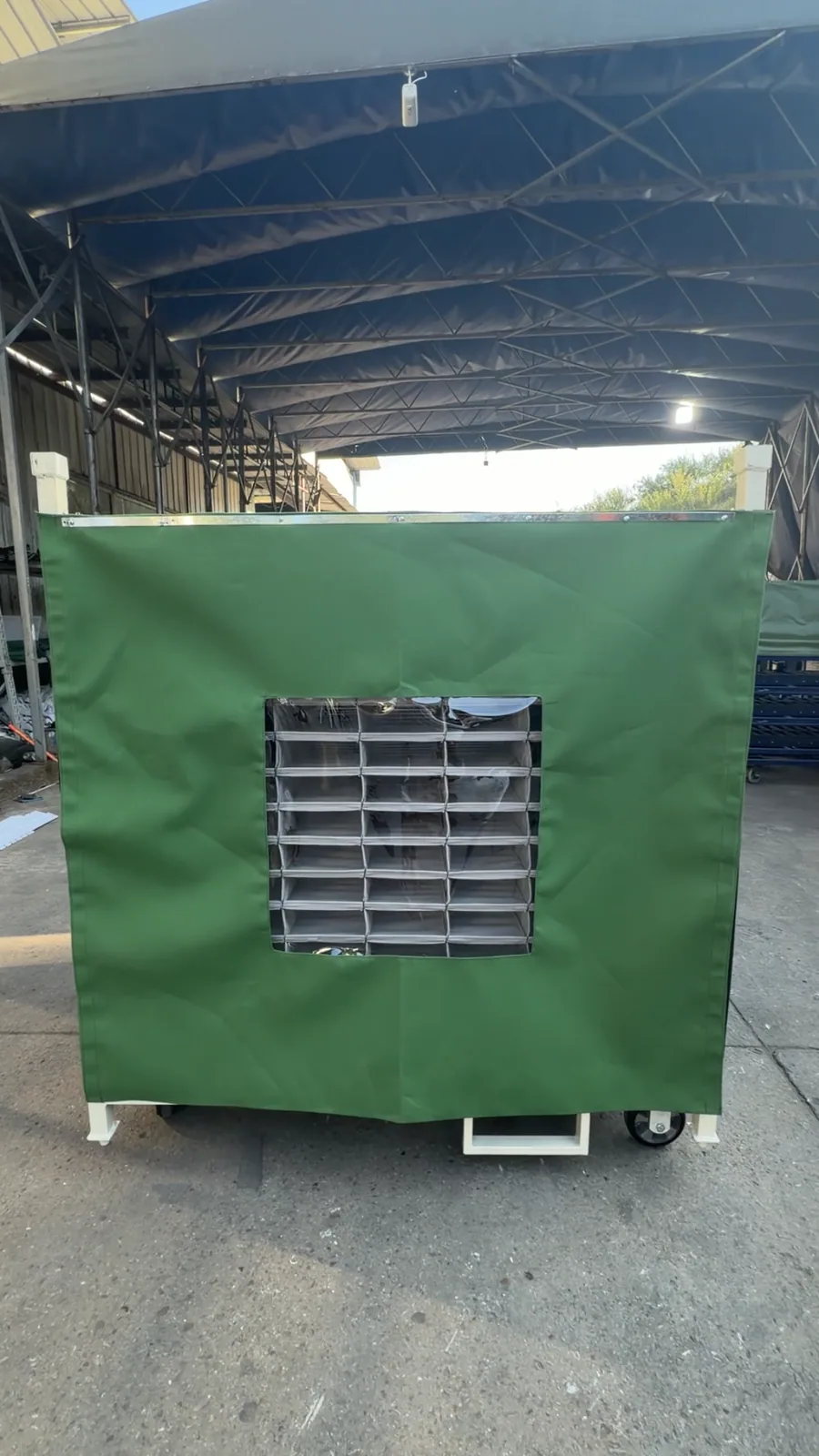
Stillage Racks for Returnable Packaging — Complete Guide

A stillage rack for returnable packaging is a durable steel frame that replaces single-use packaging, cycling many times between supplier and plant. For automotive parts it is engineered to the component, stacks or folds to cut freight, and runs in a closed loop that lowers cost and packaging waste over hundreds of trips.
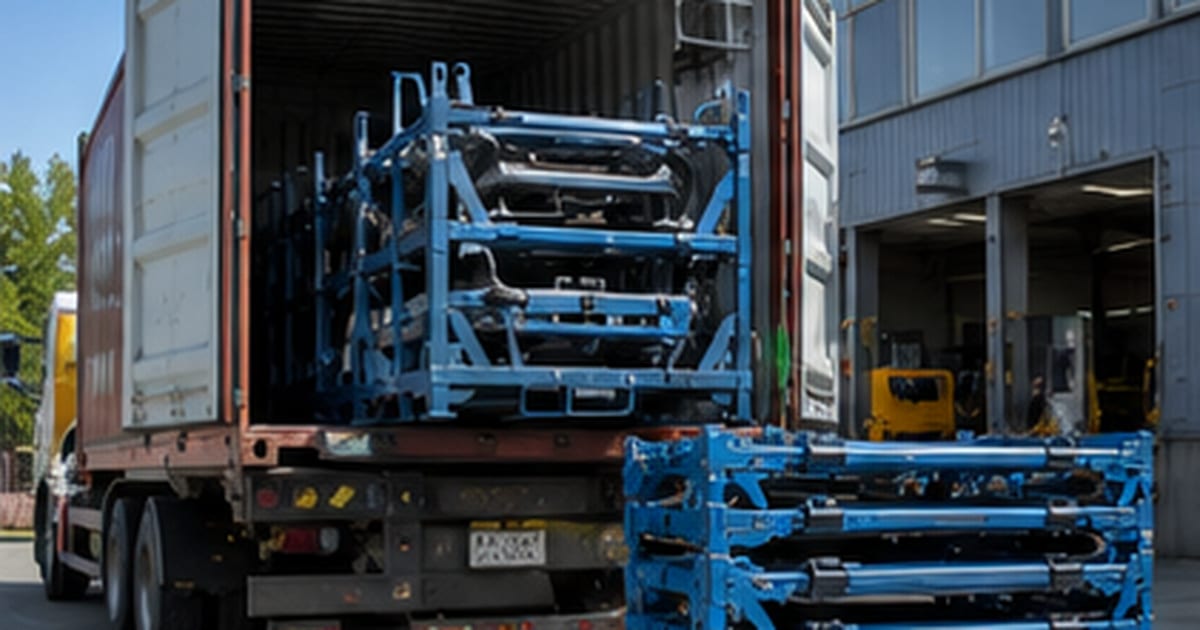
A stillage rack for returnable packaging is a durable steel frame that replaces single-use boxes and crates, cycling many times between supplier and plant in a closed loop. Used as a stillage for automotive parts, it is engineered to the component, stacks or folds to cut return freight, and pays back over hundreds of trips — turning packaging from a disposable cost into a reusable asset.
Quick answer: what a returnable-packaging stillage is
A stillage rack for returnable packaging is a durable steel frame that replaces single-use boxes and crates, cycling many times between supplier and plant in a closed loop. Engineered to the automotive component, it stacks or folds to cut return freight and pays back over hundreds of trips — turning packaging from a disposable cost into a reusable asset.
What returnable packaging means
Returnable (or reusable) packaging is designed to be used many times rather than discarded after one trip. In automotive supply chains, stillages, pallets and containers run in a closed loop: full to the plant, empty back to the supplier, repeat. The Reusable Packaging Association describes the model and its benefits in detail.
Why steel stillages suit returnable packaging
| Factor | Returnable steel stillage | Single-use packaging |
|---|---|---|
| Lifespan | Hundreds of trips over years | One trip, then waste |
| Part protection | Engineered cradles and dividers | Generic foam and card |
| Cost per trip | Low once amortised | Repeats every shipment |
| Return freight | Stackable / foldable to cut volume | N/A — discarded |
| Waste | Minimal; reused | High; disposal cost |
Designing a stillage for automotive parts
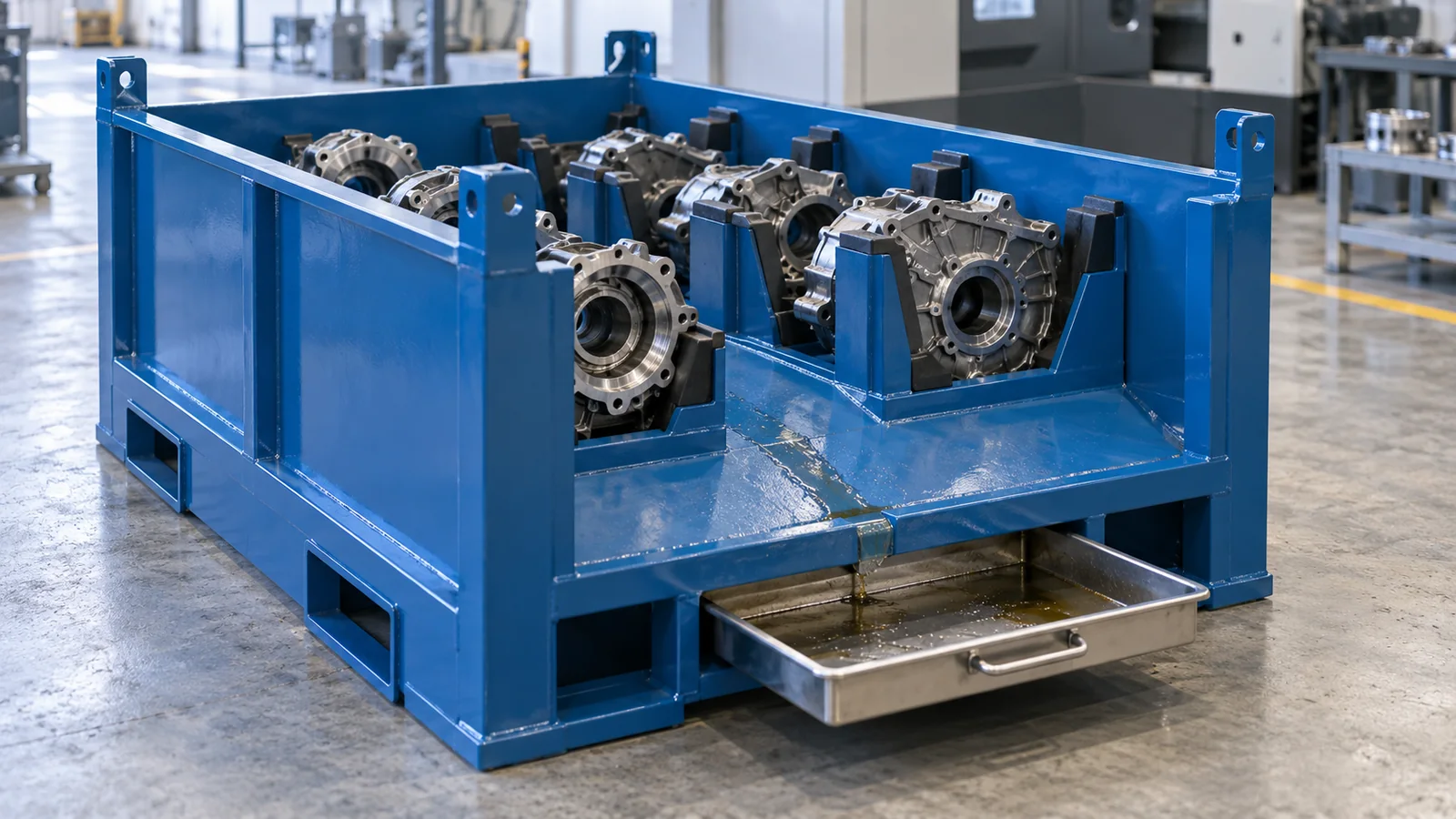
A stillage for automotive parts is engineered around the component — its weight, contact points and orientation — with EVA foam, rubber pads or dividers where the part touches steel. Stacking feet save floor and trailer space when loaded, and a foldable frame collapses when empty to cut return freight. Learn the fundamentals in what is a stillage rack and returnable packaging racks for automotive parts.
The ROI of returnable stillages
Single-use packaging looks cheap per shipment, but the cost repeats every trip and adds disposal. A returnable stillage spreads its cost across hundreds of cycles, so cost-per-trip usually falls well below disposable packaging for steady, high-volume flows. Reusable transport packaging is actively promoted by the Reusable Packaging Association, and standardised returnable-container labelling follows Odette automotive guidelines.
Build a returnable stillage program
HAOFU designs the stillage rack for returnable packaging around your parts and loop. Explore stackable metal racks and automotive parts racks, watch returnable steel racks in action, or tell us your parts and loop for a returnable-packaging proposal within 24 hours.
Frequently Asked Questions
- What is a stillage rack for returnable packaging?
- It is a durable steel frame that replaces single-use boxes and crates, cycling many times between supplier and plant in a closed loop. Engineered to the part, it stacks or folds to cut return freight and pays back over hundreds of trips — turning packaging from a disposable cost into a reusable asset.
- How does a returnable stillage save money?
- Single-use packaging looks cheap per shipment, but the cost repeats every trip and adds disposal. A returnable stillage spreads its cost across hundreds of cycles, so cost-per-trip usually falls well below disposable packaging for steady, high-volume automotive flows.
- How is a stillage for automotive parts protected inside?
- It is engineered around the component — its weight, contact points and orientation — with EVA foam, rubber pads or dividers placed exactly where the part touches steel, so nothing rubs, dents or scratches through repeated handling.
- How do returnable stillages cut return freight?
- Stacking feet save floor and trailer space when the stillages are loaded, and a foldable frame collapses when empty so several fit in the space of one erected unit. That collapsed ratio is what drives the return-freight saving.
- What does returnable packaging mean in automotive supply chains?
- Returnable, or reusable, packaging is designed to be used many times rather than discarded after one trip. In automotive supply chains, stillages, pallets and containers run in a closed loop: full to the plant, empty back to the supplier, then repeat. Instead of buying and scrapping single-use packaging each shipment, the same steel stillage cycles continuously between supplier and plant.