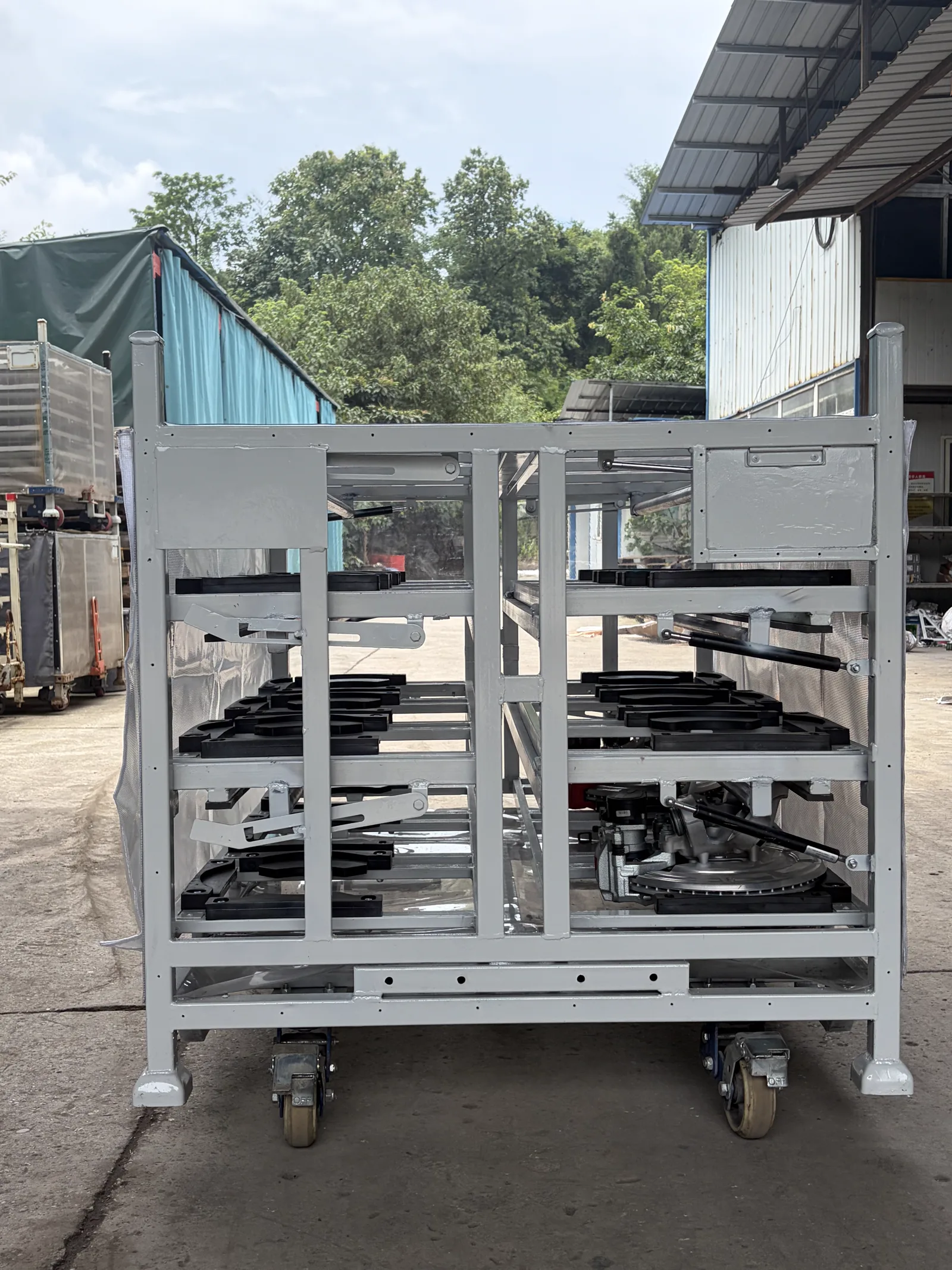
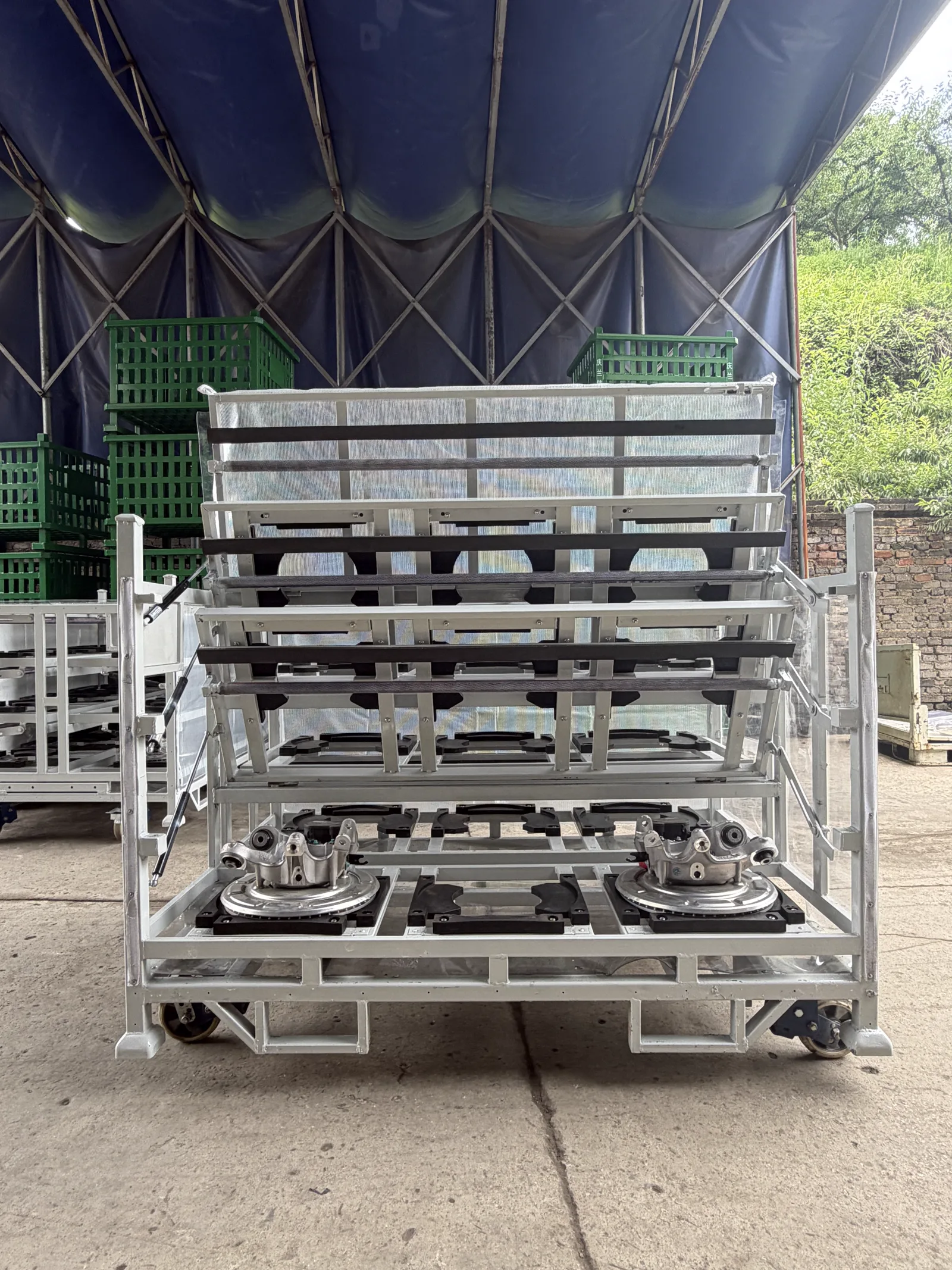
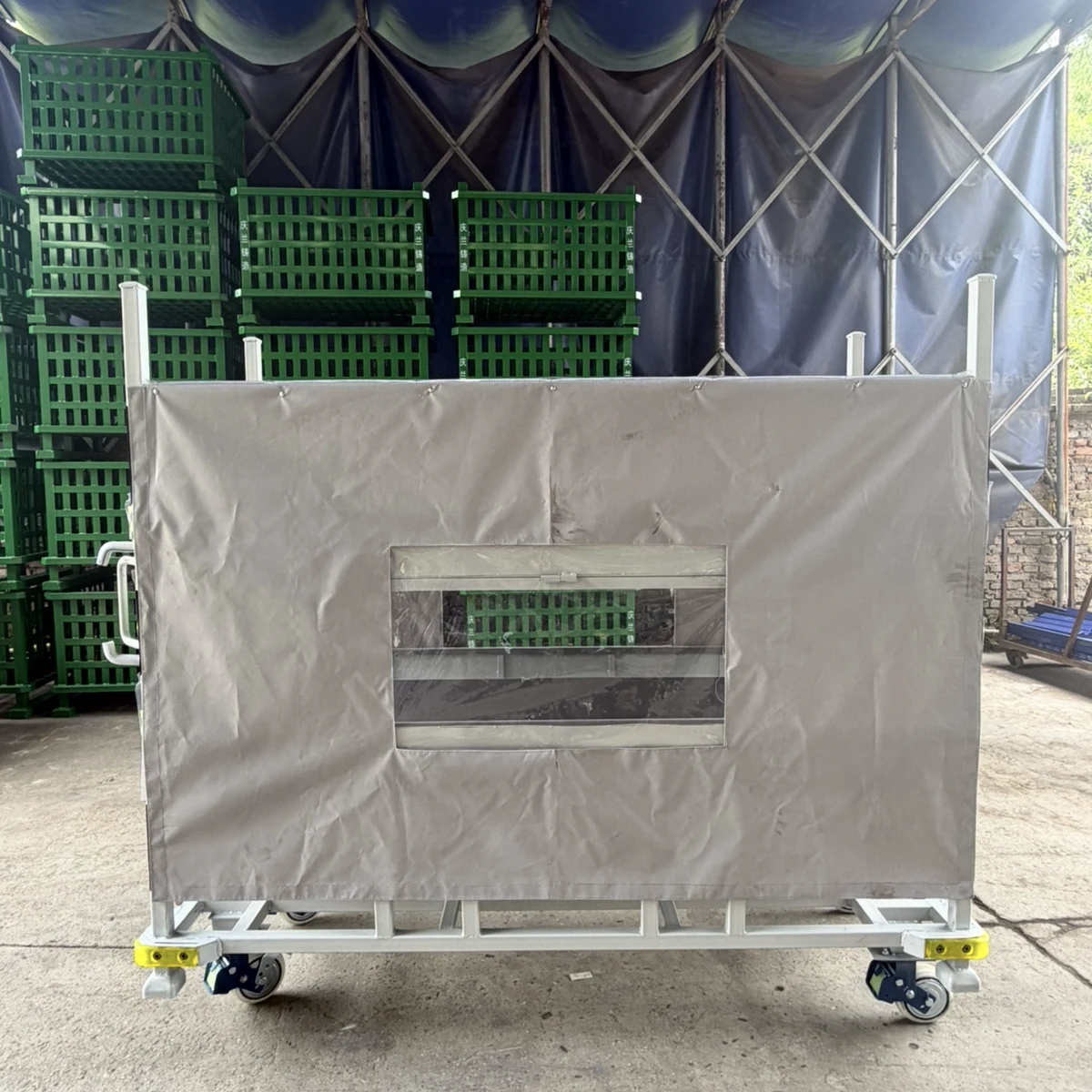
Automotive Rack Forklift Entry: Clearance Brief
Automotive rack forklift entry clearance should be specified from the actual truck and attachment, fork profile, carriage and travel path, plus the rack's entry, lift, stack and empty-return states. Capture these inputs before confirming a project-specific interface. Do not copy a clearance from another rack or equipment manual: the buyer's actual vehicle, route and acceptance process control the decision.
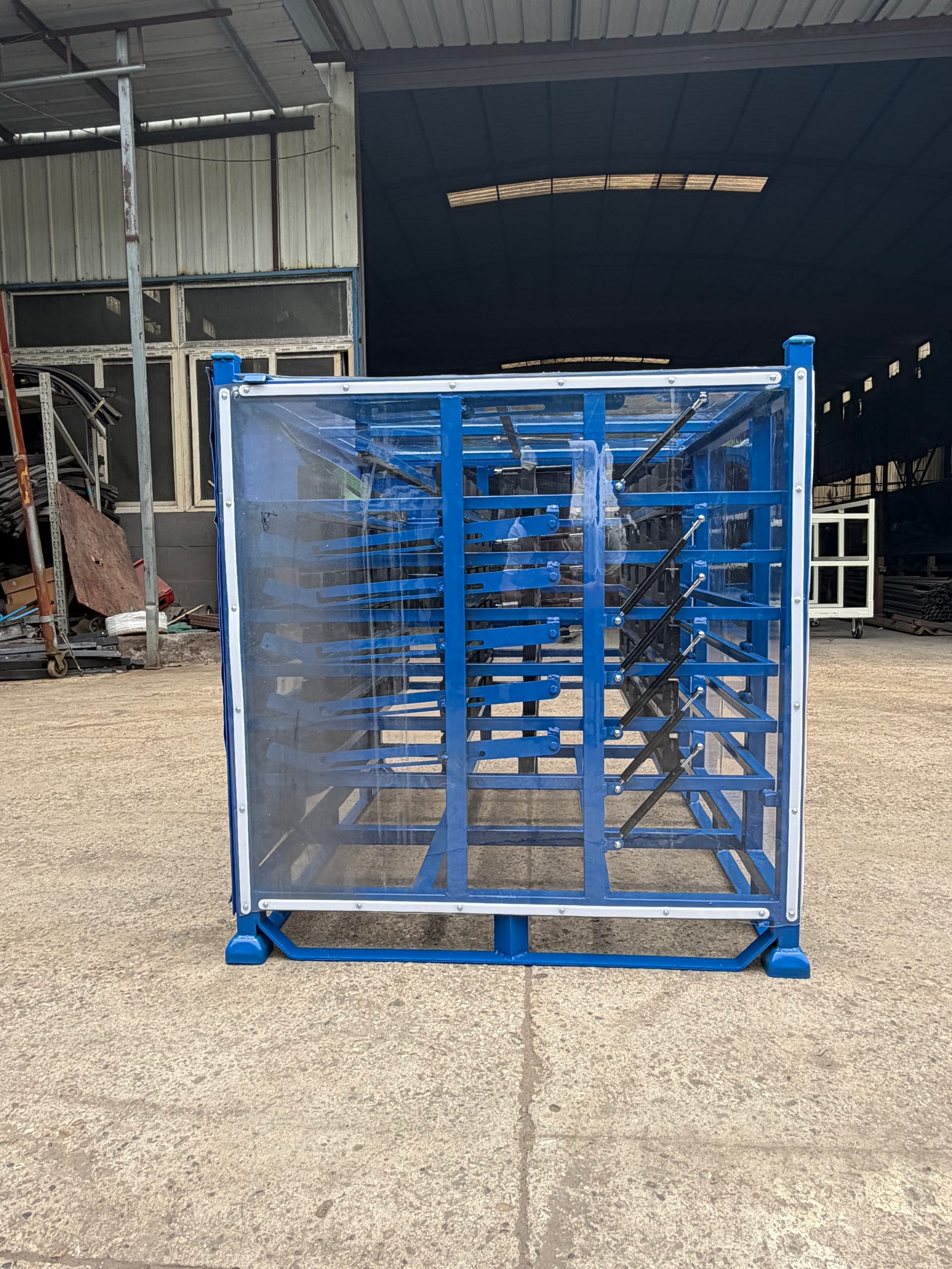
Automotive rack forklift entry clearance is a project-specific interface question, not a catalogue number. Collect the actual truck and attachment, fork profile and spacing, carriage/mast envelope, approach path, rack entry geometry, loaded and empty states, lift/stack sequence and any site constraints. Review those inputs together before confirming a custom rack interface. A clearance copied from a different rack, truck or facility is not evidence that the next programme will work.
This brief is for packaging engineers, plant logistics teams and procurement owners preparing a custom automotive rack RFQ. OSHA's forklift measurement guidance is useful because it connects truck measurements with the actual available space; it does not prescribe HAOFU rack dimensions or replace local safety obligations. Peer product pages from Plymouth Industries and TriEnda show that forklift-access options are discussed in automotive-rack markets, but neither supplier's geometry or product claim is transferable to a HAOFU project.
Quick decision: collect inputs, then review the interface
| Input group | What to capture | Question to resolve |
|---|---|---|
| Truck and attachment | Actual vehicle/attachment identification, fork profile, spacing and relevant equipment envelope. | Which handling equipment must physically enter or lift the rack? |
| Rack states | Entry opening, base/guide concept, loaded condition, empty condition and intended stack state. | Which configuration is being reviewed? |
| Travel and approach | Approach direction, aisle/door/vehicle constraints and any turning or staging condition. | Can the truck approach and withdraw on the actual route? |
| Lift and deposit | Pick, travel, storage, stack/unstack and deposit sequence. | What conditions exist beyond the entry point? |
| Review evidence | Drawing, mock-up/sample, site review or other buyer-requested evidence. | Who confirms the project-specific interface? |
Do not reduce the problem to the fork pocket
The rack opening is only one interface. A team also needs the actual fork and carriage, the direction of approach, the ability to position the rack, the lift envelope, and the route at the plant, dock, vehicle or stack. OSHA advises employers to consider the truck's lowered height, free fork height and raised height together with the available working space. Use that principle to obtain the relevant site measurements; do not infer a safe operating condition, capacity or clearance from this article.
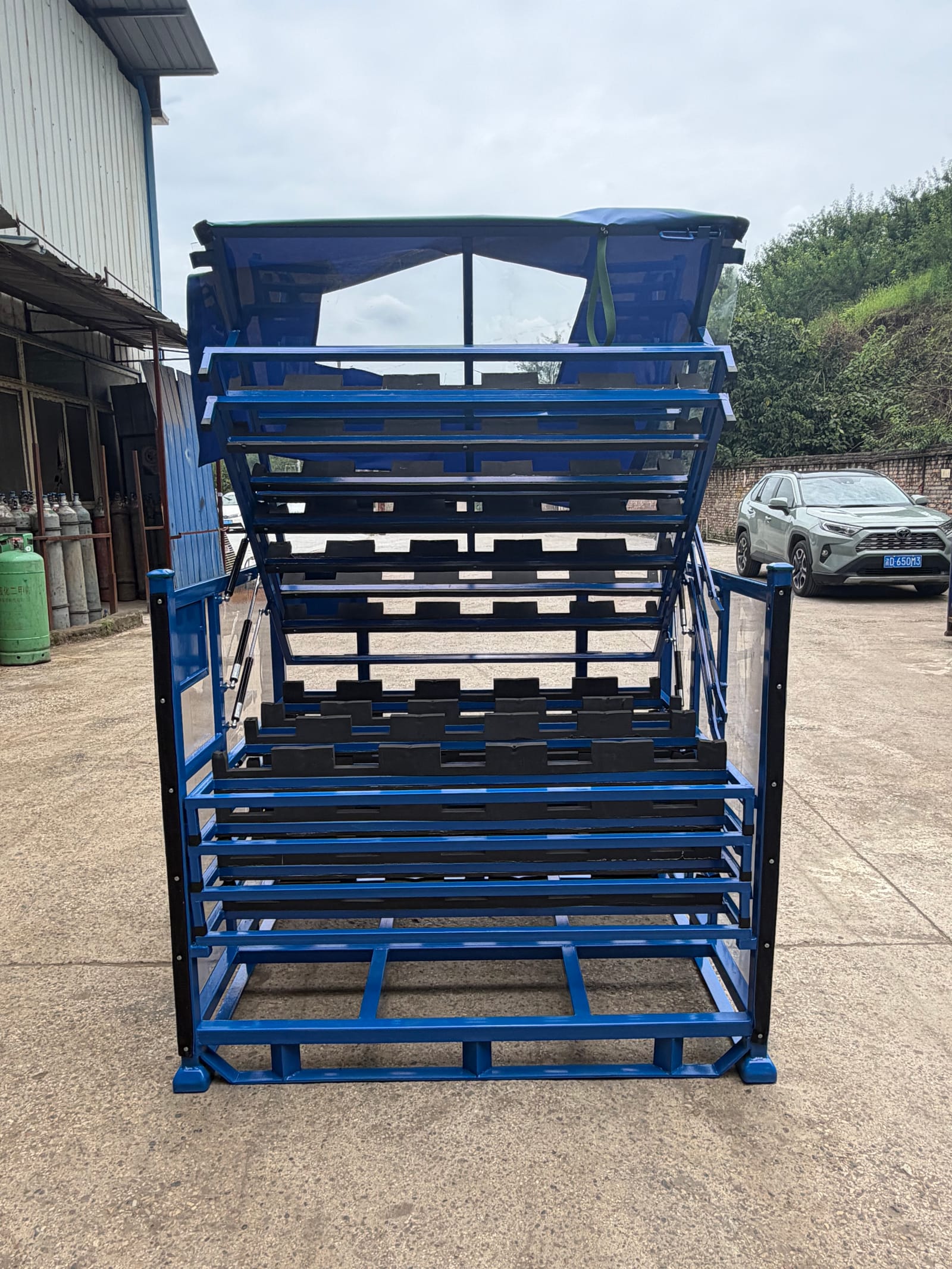
Five steps for a fork-entry brief
- Identify the actual handling equipment. Provide truck and attachment information, fork profile and spacing, and any equipment envelope relevant to entry and lift.
- Describe the rack states. Separate the entry, loaded, empty, stacked and transport states instead of assuming the same interface applies in each state.
- Map the physical route. Record approach direction, aisle, doorway, trailer, staging and overhead constraints that may govern real use.
- Define the review question. State whether the buyer needs a drawing review, a sample/mocking arrangement, site review or another agreed evidence item.
- Release the controlled configuration. Record the accepted project revision and re-open the review if the truck, attachment, route, rack state or part arrangement changes.
Keep this owner separate from pallet handoff and loading sequence
This article owns the fork-entry input brief for a custom automotive rack. The steel pallet forklift handoff interface brief covers a different product family and transfer decision. The engine-rack RFQ guide covers a broader part/contact/loading brief. For the commercial owner, see custom automotive parts racks; for a change affecting the released arrangement, use the paired returnable packaging change-notice brief.
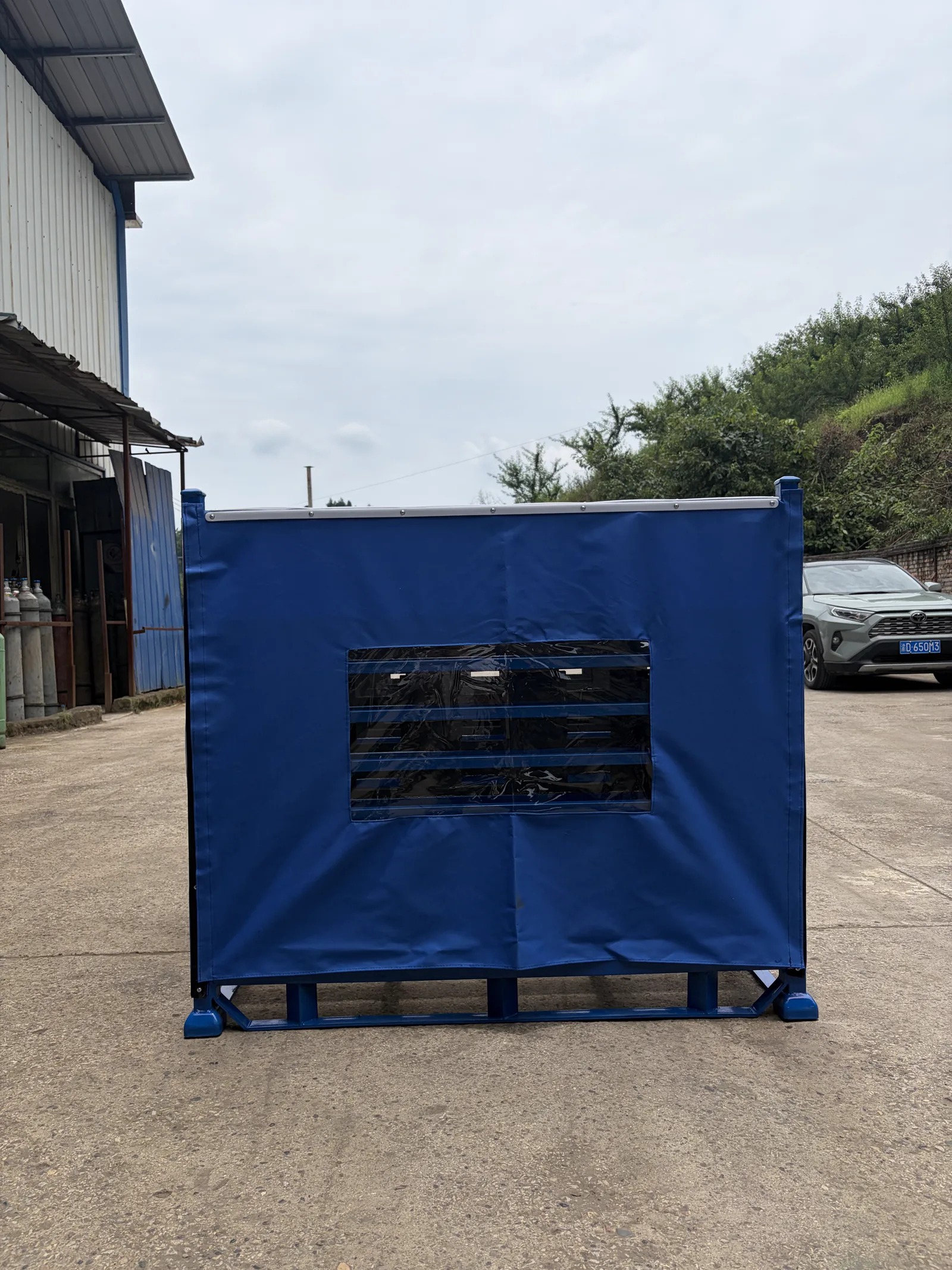
Relevant HAOFU video reference
See returnable steel racks for automotive logistics for a real automotive-rack context. The video does not show the actual forklift, route measurements, clearance or approval criteria for a new programme.
Request a forklift-interface review
Send the truck/attachment information, fork profile, rack-state drawings, part arrangement, route map and review question through the engineering RFQ path. HAOFU can review the stated interface for a project-specific rack; equipment suitability, site operation and final acceptance remain with the responsible buyer and site team.
Frequently Asked Questions
- What information is needed for automotive rack forklift entry clearance?
- Provide the actual truck and attachment, fork profile and spacing, relevant equipment envelope, rack-state drawing, part arrangement, approach route and the buyer's review question. These inputs allow a project-specific interface review.
- Can I use a standard forklift pocket clearance for every automotive rack?
- No. Forks, attachments, rack geometry, loaded/empty states and site routes vary. A dimension from another rack or manual is not evidence that a different project will work.
- Is fork entry the only forklift-interface check?
- No. The team also needs to assess approach, withdrawal, lift/deposit, storage/stack state and physical route constraints. The relevant equipment and site owner controls operating suitability.
- Can a rack photograph prove forklift compatibility?
- No. A photograph can show a general configuration but cannot establish fork dimensions, truck fit, clearance, payload, capacity, site conditions or approval for another project.
- When should the fork-entry review be repeated?
- Repeat it if the truck, attachment, fork profile, route, rack state, part arrangement or controlled configuration changes. Retain the buyer's accepted project revision and review evidence together.