Stillage Racks for Sheet Metal & Stamping Parts

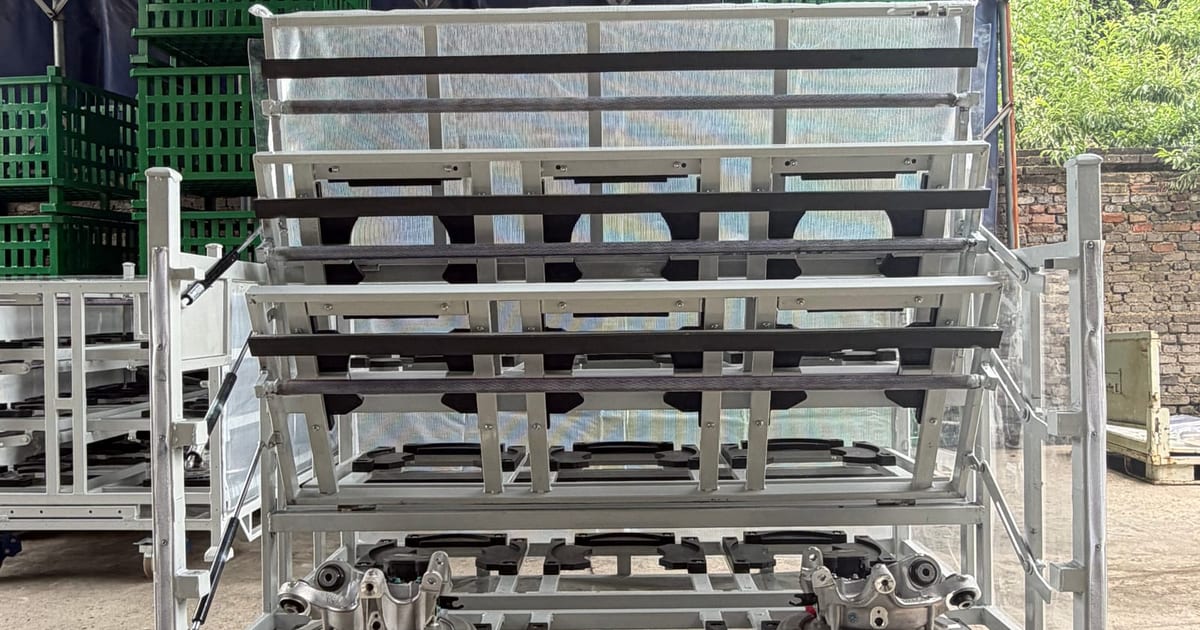
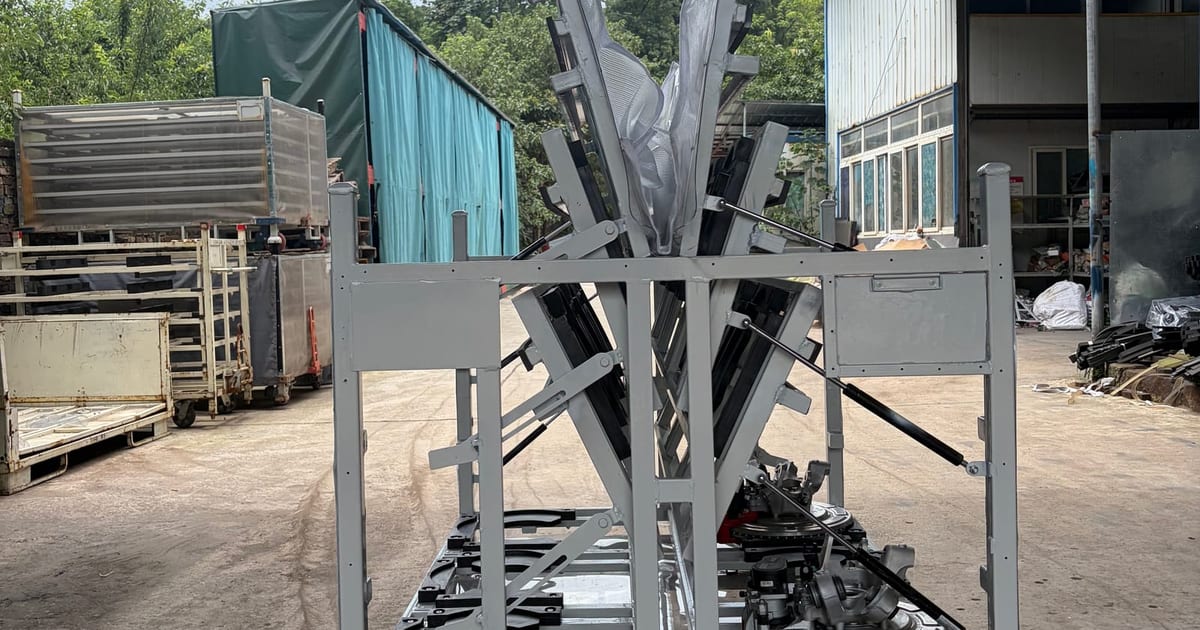
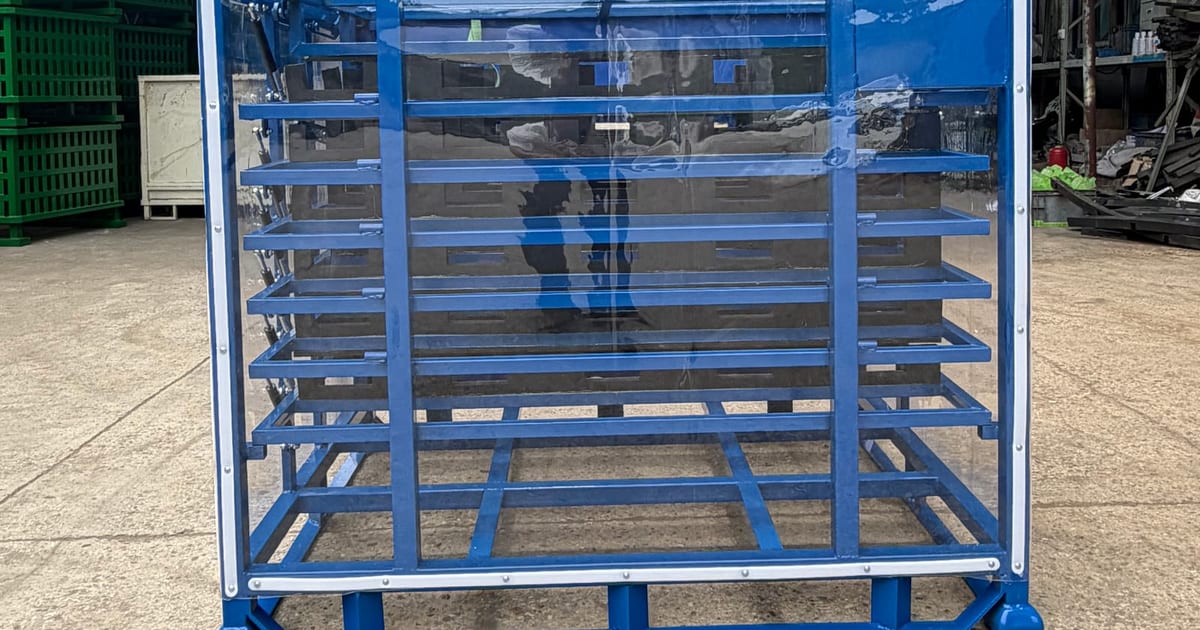
Stillage racks for sheet metal and stamped panels must support each panel across its span on part-shaped cradles, protect edges and surfaces with cushioning, and separate every part with dividers — preventing sag, dents, scratches and nesting.
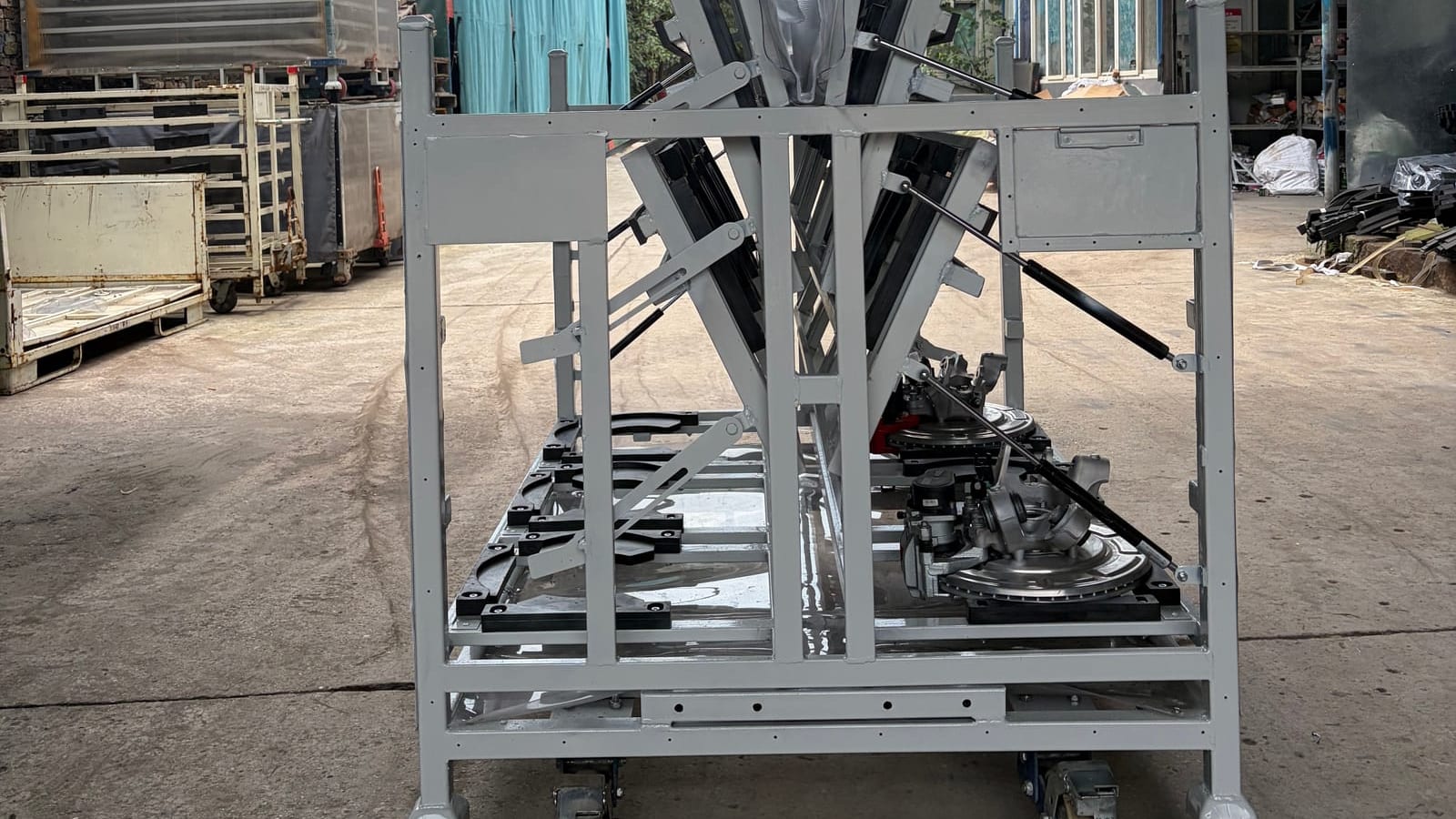
Sheet metal and stamping parts — panels, brackets, pressed components — are large, springy and easily dented, scratched or deformed. A stillage rack for them has to support the panel across its span, protect its edges and surface, and keep parts separated. Here is how to design one.
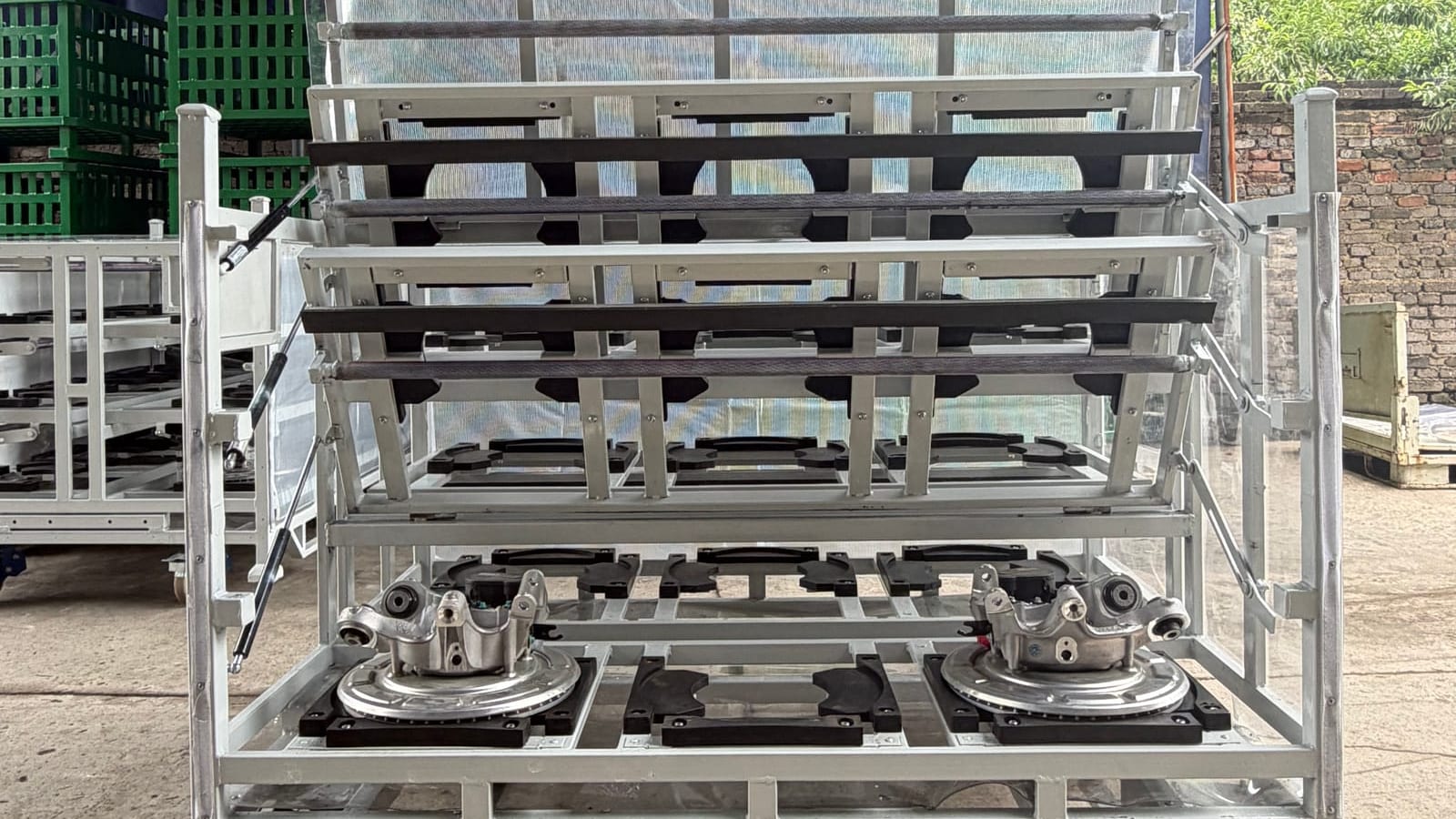
What sheet metal parts need
| Requirement | Why |
|---|---|
| Full-span support | Large panels sag or deform if only edge-supported |
| Part-shaped cradles | Hold each panel in its natural orientation, no flexing |
| Edge & surface protection | Prevent dents, scratches and burr damage |
| Part separation | Dividers stop panels rubbing or nesting into each other |
| Stack & return | Save floor space loaded and freight when empty |
Design principles
- Support the span with cradles shaped to the panel, not just the edges.
- Protect contact points with EVA foam, rubber or plastic where the part rests.
- Separate every part so panels never rub, nest or transfer marks.
- Design for handling — forklift or caster base, and stack/fold for space.
Safe handling of loaded panel stillages follows OSHA materials-handling practice, and the rack is engineered and load-tested under our ISO 9001 quality system.
Related reading
See the protection materials in detail in protecting painted & plastic parts, and the load side in stillage load ratings & stacking safety.
Build a sheet-metal stillage
HAOFU designs stillage racks around your panels and stampings. Explore our racks & stillages, or send your panel drawings for a damage-free, returnable design.
Frequently Asked Questions
- How do you store sheet metal parts without denting them?
- Support each panel across its span on part-shaped cradles rather than just its edges, add EVA foam or rubber at contact points, and separate parts with dividers so they never rub or nest — all engineered into the stillage.
- Why do sheet metal panels need full-span support?
- Large panels are springy and will sag or take a permanent set if only edge-supported. Cradles shaped to the panel hold it in its natural orientation so it does not flex or deform during storage and transit.
- Can one stillage hold different stamped parts?
- A stillage is engineered around a specific part or family of parts using shaped cradles and dividers. It can be designed with adjustable or multi-part supports, but the safest fit and protection come from designing around the actual panels.
- How are the sheet metal parts protected in the rack?
- Through part-shaped cradles, EVA foam / rubber / plastic at every contact point, and dividers that separate each panel — so edges and surfaces are protected from dents, scratches and burr damage throughout handling.