
Customized Battery Rack — 72 Batteries, Independent Arms, AGV Compatible
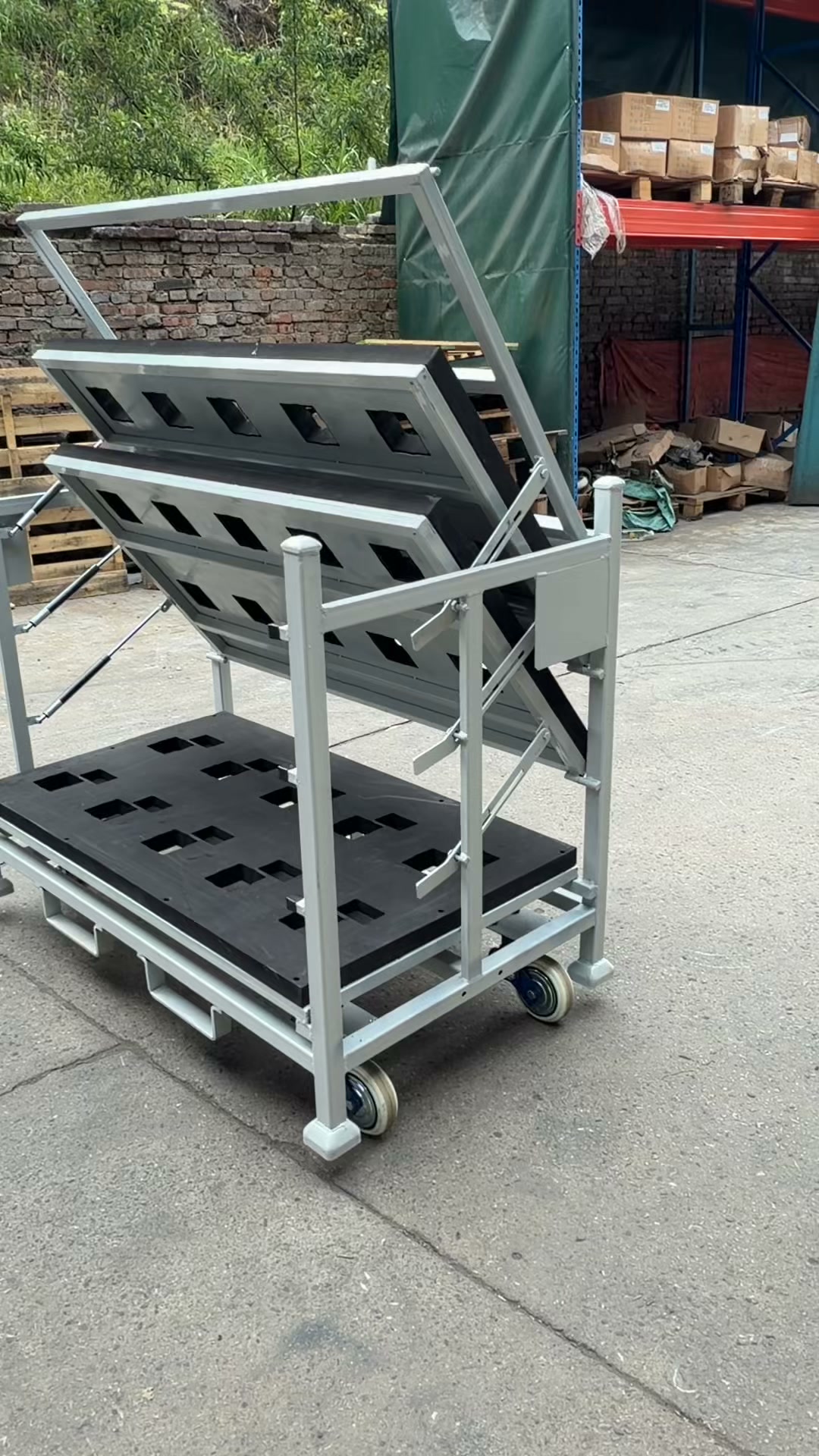
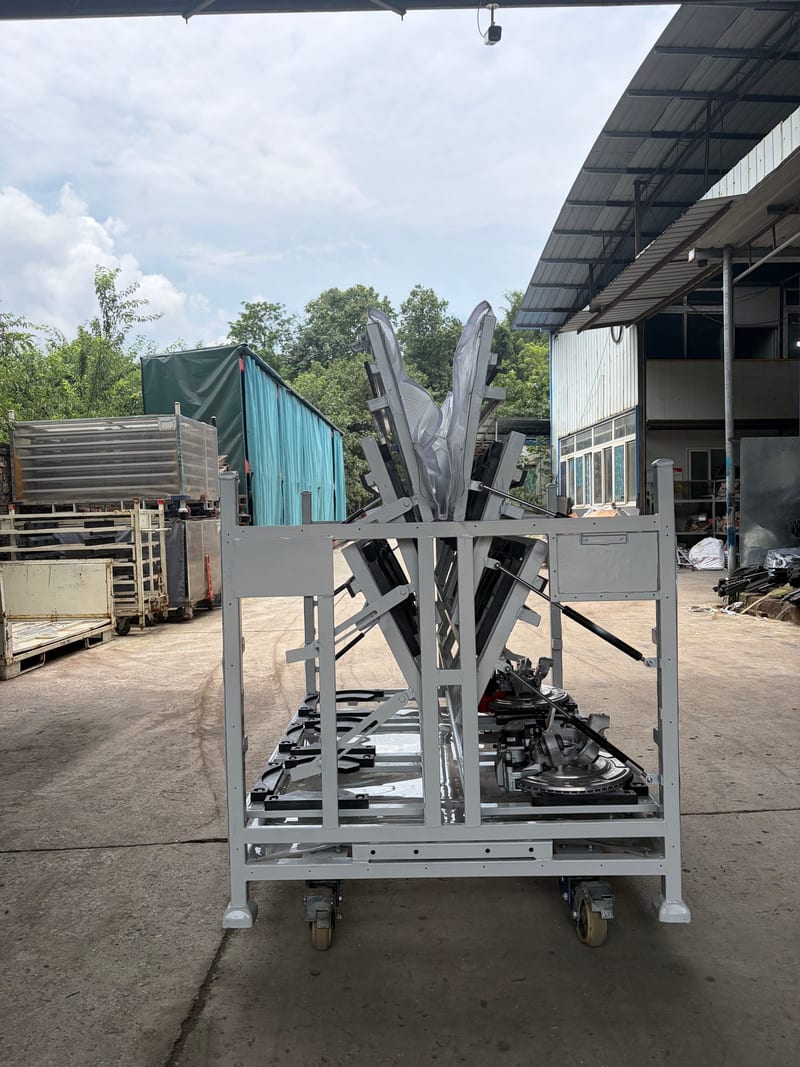
See customized battery rack in an automotive-parts logistics application. The video highlights 72 batteries, independent arms, eva inserts or cushioning, agv-compatible base. It gives packaging engineers and procurement teams a product-level view of the rack arrangement shown for the stated component or application. Look at the frame, part-contact areas, loading access, base and moving features that are actually visible, then compare them with your own part size, weight, orientation and protection needs. The related product category is Automotive Parts Racks. For a custom quotation, send the part drawing or photos, quantity per rack, loading method, forklift or line-side conditions, stacking and empty-return needs, project quantity and destination.
By HAOFU Engineering Team · Updated 2026-07-18
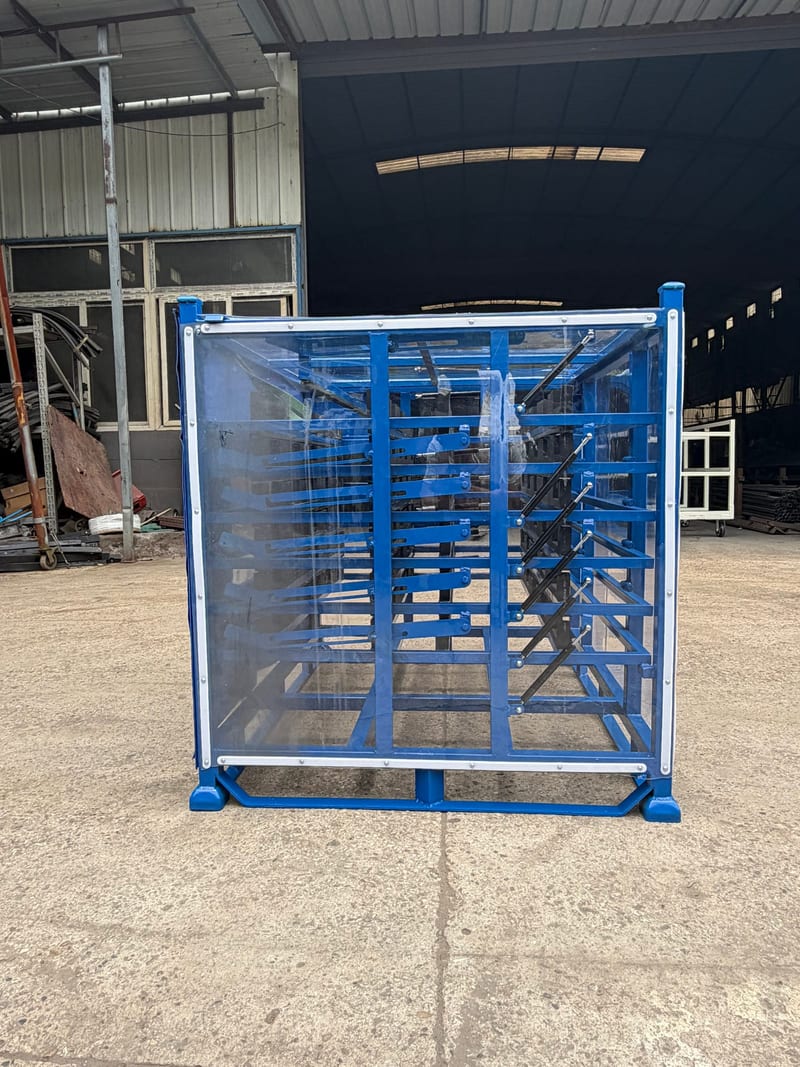
- Video focus: Customized Battery Rack.
- Recorded details: 72 batteries, Independent arms, EVA inserts or cushioning, AGV-compatible base.
- Closest product path: Automotive Parts Racks.
- Buyer decision: confirm part fit, access, handling and return conditions for the actual project.
- Next step: send drawings and route requirements through HAOFU customization.
Direct answer
What is shown in this video?
Customized Battery Rack — 72 Batteries, Independent Arms, AGV Compatible shows a HAOFU product showcase example for automotive parts logistics. Visible details include 72 batteries, independent arms, eva inserts or cushioning, agv-compatible base. Use it to compare frame, part support, loading access and handling ideas. For a similar Automotive Parts Racks project, provide the part drawing, quantity per rack, loading method, handling route, stacking, empty return and destination.
What the Video Shows
The footage focuses on customized battery rack. Useful details include the visible structure, contact arrangement, access method or manufacturing stage and how those choices support the application shown.
- Stated capacity72 batteries
- Part supportIndependent arms
- Contact materialEVA inserts or cushioning
- Handling interfaceAGV-compatible base
Use the product catalog to compare the broader category. For a project matched to your component geometry and logistics route, continue to customization with drawings and handling requirements.
Related Products
These are the closest real HAOFU product routes and provide a practical category starting point before project customization.
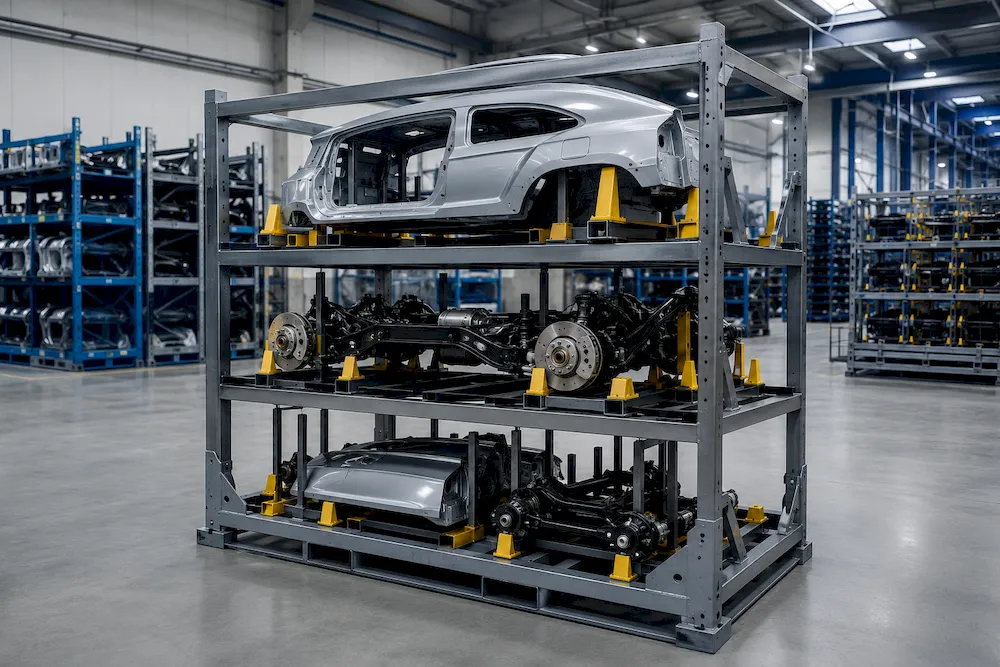
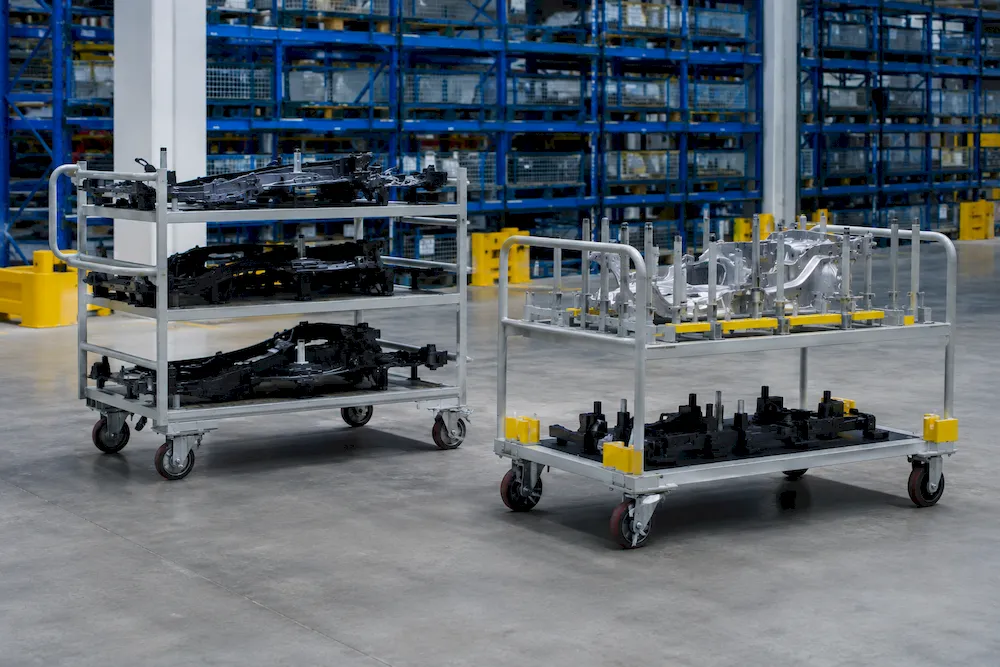
Details Shown in This Video
Use these visible details to compare configurations. Dimensions, ratings, materials, finishes and commercial terms for a new project are set from your part data and quotation requirements.
| Field | Visible detail | Source |
|---|---|---|
| Stated capacity | 72 batteries | Video-specific data |
| Part support | Independent arms | Video-specific data |
| Contact material | EVA inserts or cushioning | Video-specific data |
| Handling interface | AGV-compatible base | Video-specific data |
| Video category | Automotive Parts Racks | Video-specific data |
| Video type | product showcase | Video-specific data |
Customized Battery Rack: video configuration and RFQ choices
| Design area | Visible in this video | Information for your project |
|---|---|---|
| Part interface | Stated capacity: 72 batteries | Contact map based on the actual part |
| Access and loading | Part support: Independent arms | Manual, forklift, tugger, AGV or line-side method |
| Protection method | Contact material: EVA inserts or cushioning | Dunnage selected for surface and route |
| Return and storage | Current project configuration | Stacking, nesting, folding or fixed-frame requirement |
Customized Battery Rack: custom rack development flow
- 1
Send part data
Provide drawings, photos, surfaces and quantity per rack.
- 2
Map the route
Define loading, handling, storage, stacking and return conditions.
- 3
Review concept
Check the frame, contact points, access and equipment interfaces.
- 4
Confirm the design
Review the proposed rack, sample checks and production requirements.
Project inputs
Customization: What We Need From You
- ✓Part drawing, sample photos and protected contact surfaces
- ✓Quantity and orientation required in each rack
- ✓Loading direction, operator access and handling equipment
- ✓Stacking, storage and empty-return requirements
- ✓Destination, project quantity and inspection requirements
Frequently Asked Questions
What does the Customized Battery Rack — 72 Batteries, Independent Arms, AGV Compatible video show?
It shows stated capacity: 72 batteries; part support: Independent arms; contact material: EVA inserts or cushioning; handling interface: AGV-compatible base. Use the example to identify useful features, then specify a new rack from your own part and route requirements.
Which HAOFU product is most closely related to this video?
The closest catalog route is Automotive Parts Racks. Use that product page to understand the category, then submit project data for a configuration matched to the actual part and route.
Are the video details standard specifications for every project?
The details shown describe this example. Dimensions, capacity, materials, interfaces and finish for a new project are selected from the actual part, handling route and quotation requirements.
What information should a buyer send for a related project?
Start with part drawing, sample photos and protected contact surfaces, quantity and orientation required in each rack, loading direction, operator access and handling equipment, stacking, storage and empty-return requirements. These inputs let the engineering discussion focus on part fit and the real handling route.
How can I request a quotation for a similar rack?
Use the customization form to send drawings, photos, quantity per rack, handling conditions, project volume and destination. HAOFU can then review the application and respond around the supplied requirements.
Related Videos & Guides
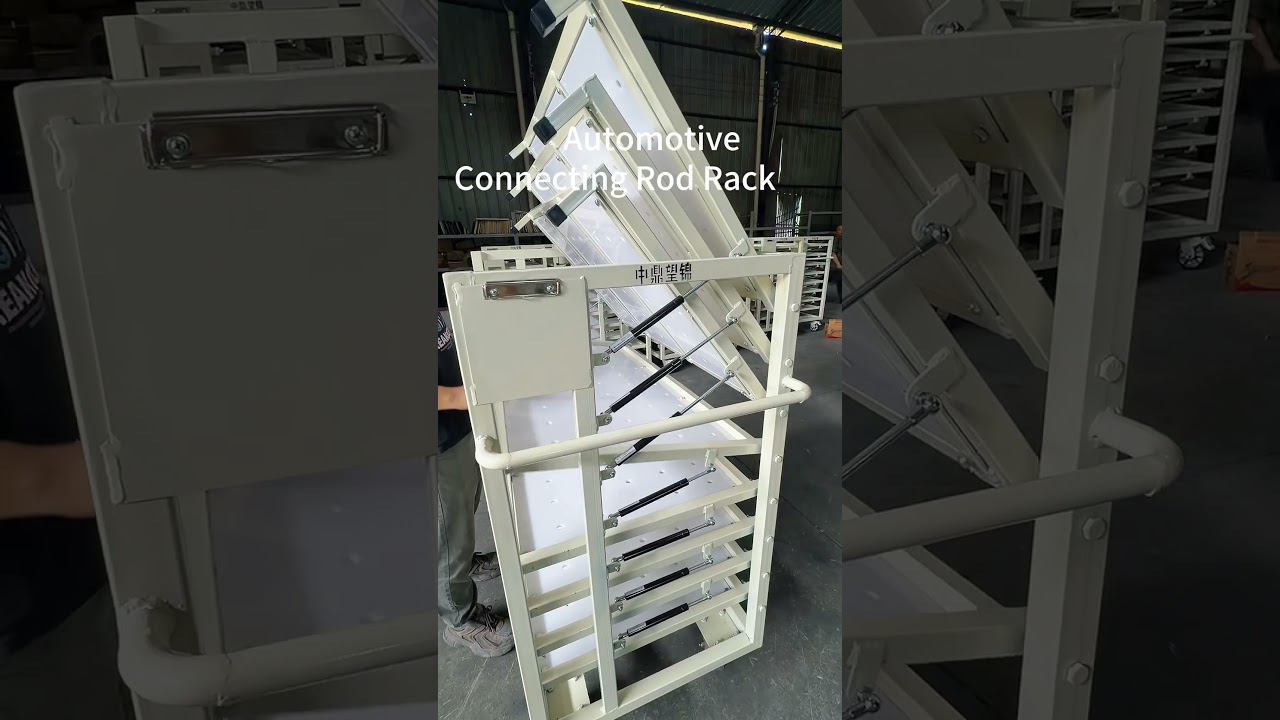
Custom rack project
Specify a customized battery rack for your parts
Share the part drawing, quantity per rack, loading method, handling route, project volume and destination. The response will be based on the supplied project requirements.
Send Drawings & Requirements →